
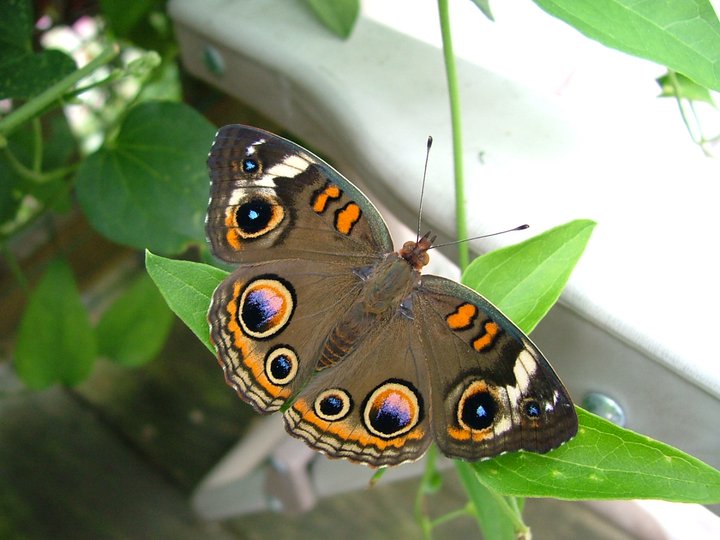
Creating a butterfly garden is about more than just picking pretty flowers; it is about providing a complete life-support system. To successfully support local populations like the Baltimore Checkerspot or the Monarch, your garden must offer food, shelter, and water throughout the entire growing season.
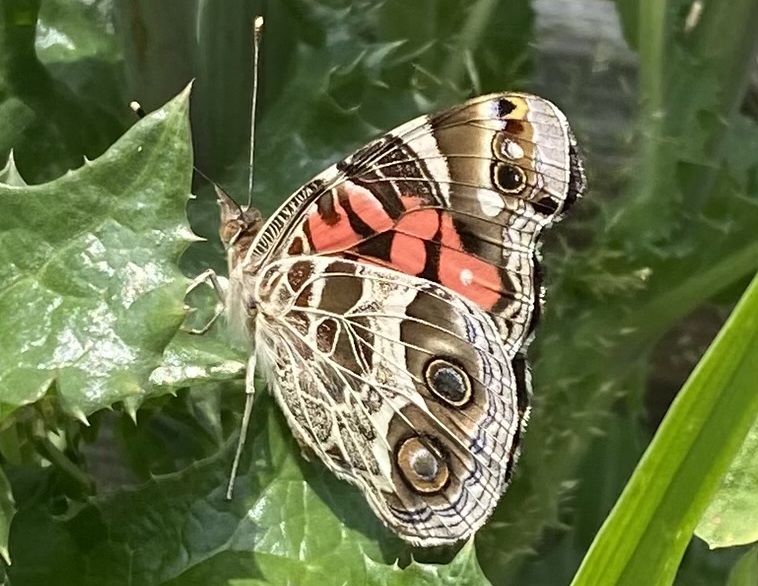
1. Prioritize Native Plants
Butterflies and native plants have co-evolved over millennia. Non-native “showy” hybrids often lack the nectar quality or chemical compatibility required by local caterpillars.
- Focus on Local Ecotypes: Choose plants native to Rhode Island (USDA Zone 6b) to ensure they are adapted to local soil and climate conditions.
- Host vs. Nectar: You need both. Host plants are where butterflies lay eggs (e.g., Milkweed for Monarchs, White Turtlehead for Baltimore Checkerspots). Nectar plants provide the “fuel” for adult butterflies.
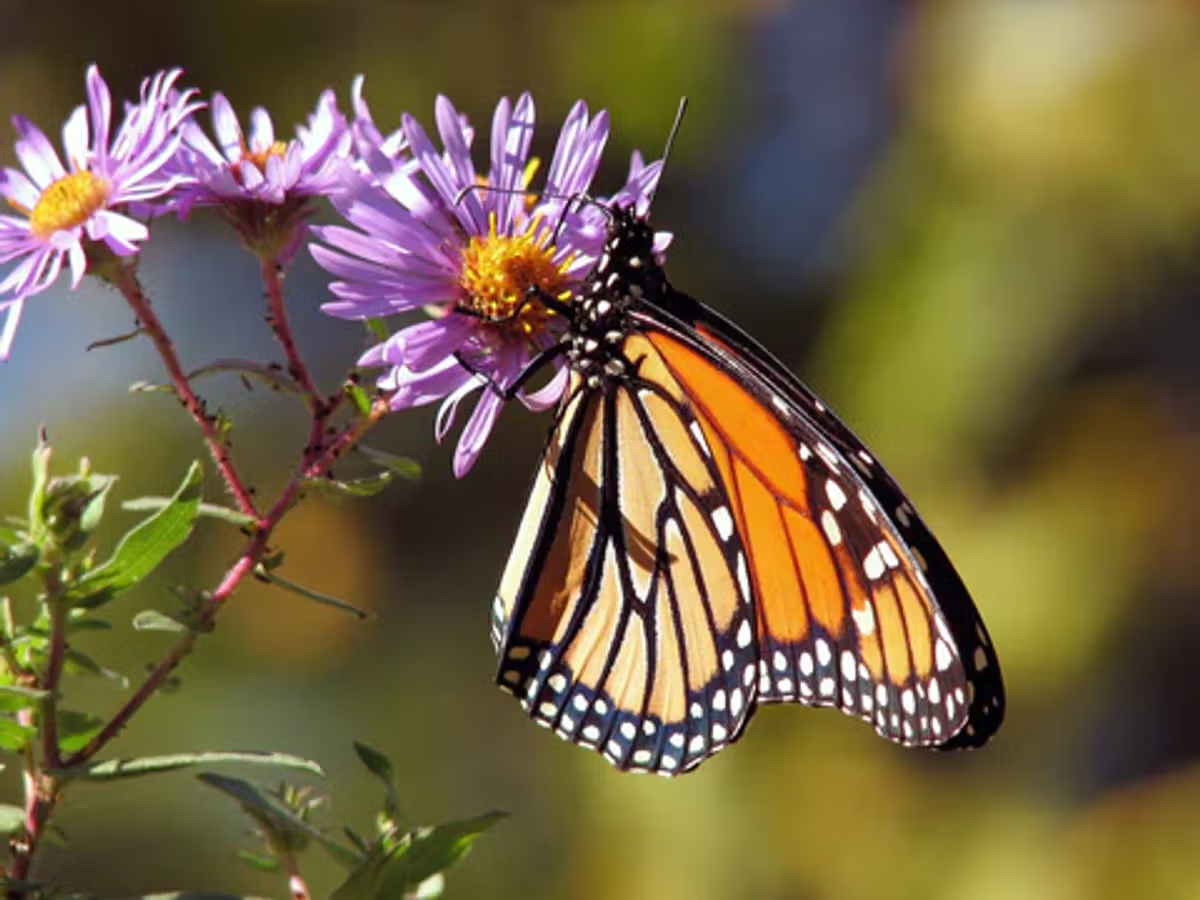
2. Design for Continuous Bloom
Butterflies are active from early spring through late autumn. If you have a “nectar gap” in mid-summer, they will move elsewhere.
- Spring: Wild Columbine (Aquilegia canadensis), Golden Alexander (Zizia aurea).
- Summer: Purple Coneflower (Echinacea purpurea), Bee Balm (Monarda), Blazing Star (Liatris).
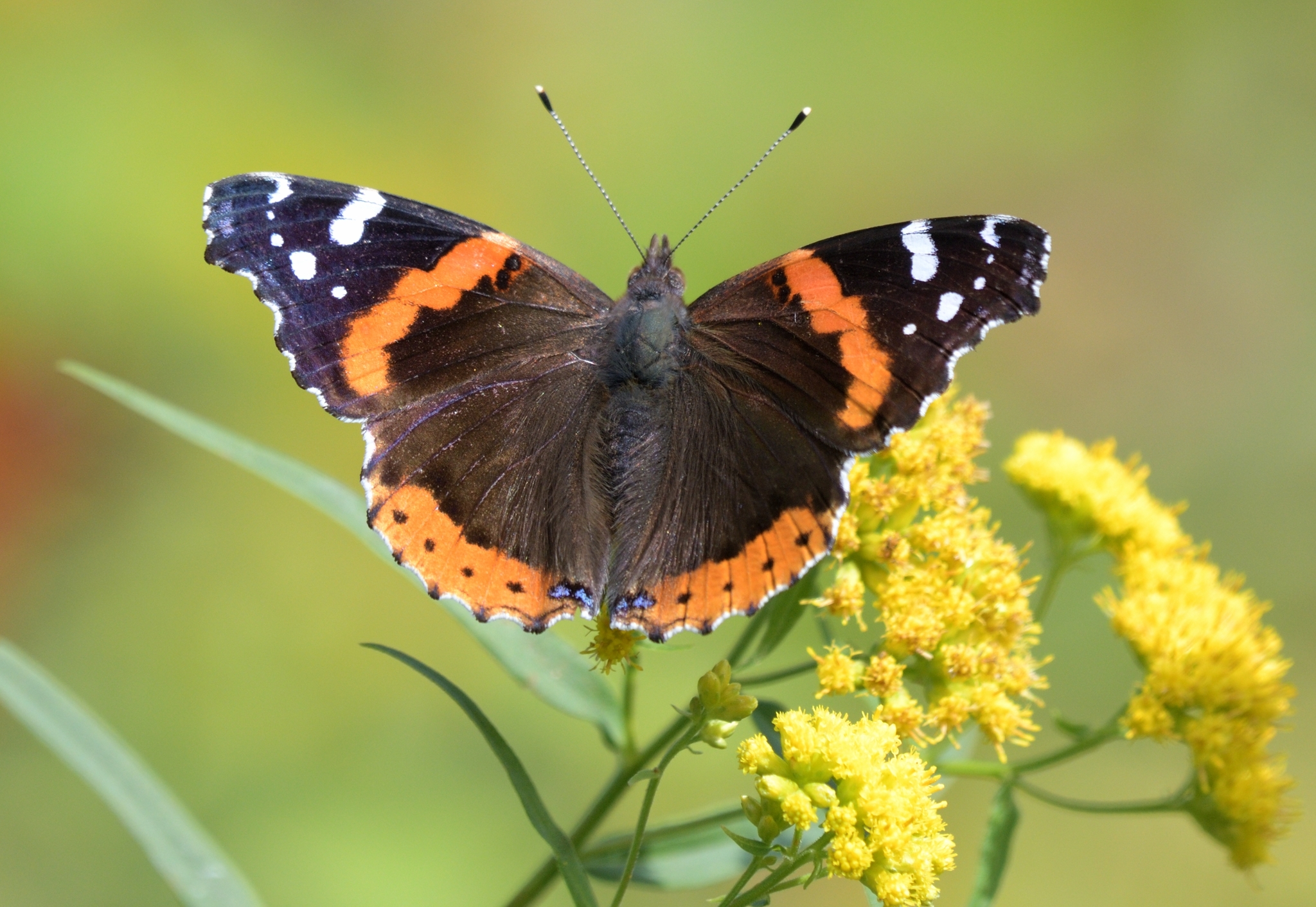
- Fall: Asters (Symphyotrichum spp.) and Goldenrod (Solidago spp.) are critical for migrating species stocking up on energy.
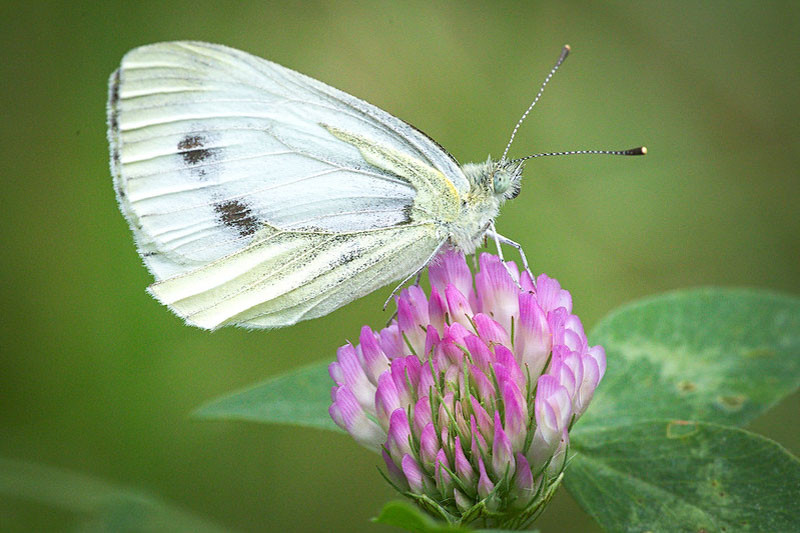
3. Provide Essential Micro-Habitats
A manicured lawn is a desert for insects. Create “messy” zones that mimic natural wild spaces.
- Basking Sites: Butterflies are cold-blooded; they need flat, sun-warmed rocks or pavers to heat their wing muscles for flight.
- Puddling Stations: Males congregate on damp soil to extract salts and minerals. Create a shallow dish filled with sand, soil, and a little water to keep it perpetually moist.
- Shelter: Leave leaf litter and hollow plant stems standing through the winter. This is where many caterpillars and chrysalises overwinter.
4. Eliminate Pesticides
This is the most critical rule. Systemic insecticides (like neonicotinoids) are absorbed into the plant tissue and can kill butterflies and their larvae even if the chemical is applied weeks prior.
- Adopt IPM: Use Integrated Pest Management. Accept some leaf damage—it is a sign that your garden is part of the food web.
- Avoid Herbicides: Broad-spectrum herbicides eliminate “weeds” like violets or dandelions, which are often the first vital food sources for early-season pollinators.
Recommended Pollinator Palette (Rhode Island)
| Plant Type | Species | Function |
|---|---|---|
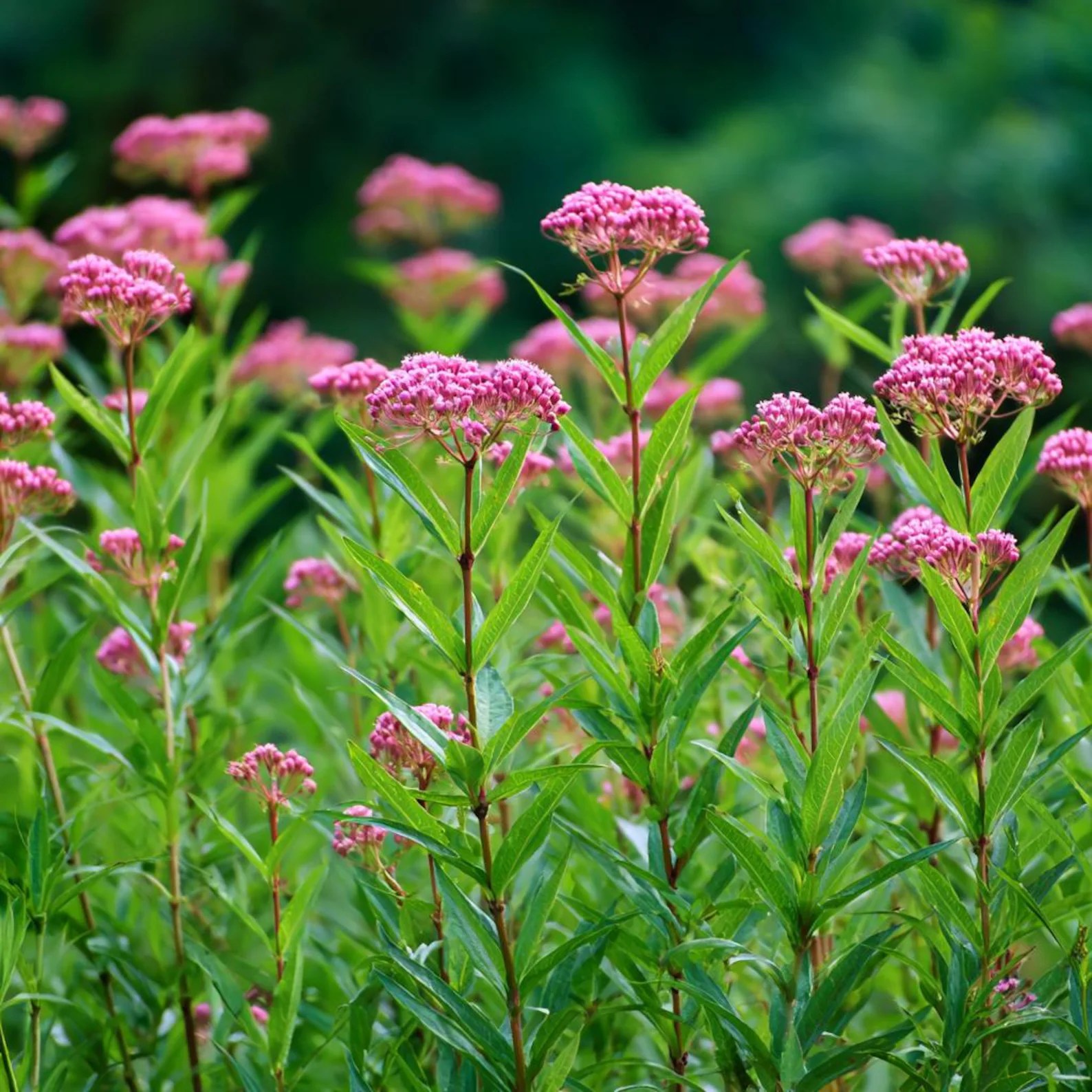
| Host | Swamp Milkweed (Asclepias incarnata) | Monarch larvae food |
| Host | White Turtlehead (Chelone glabra) | Baltimore Checkerspot larvae food |
| Nectar | Spotted Joe-Pye Weed (Eutrochium maculatum) | High-volume summer nectar |
| Nectar | New England Aster (Symphyotrichum novae-angliae) | Essential late-season migration fuel |
Pro Tip: Plant in drifts (clumps of 3–5 of the same species). Butterflies see color patches better than individual flowers; larger groupings are much easier for them to locate from the air.
In Rhode Island (USDA Zone 6b), native host plants fall into two main categories: woody plants (trees and shrubs), which support the highest volume and diversity of caterpillars, and herbaceous perennials, which target specific herbaceous-feeding butterfly species.
Top Perennial Host Plants
| Native Plant | Common Name | Host For (Butterflies) | Key Growing Needs |
|---|---|---|---|
| Asclepias incarnata | Swamp Milkweed | Monarch (Danaus plexippus) | Full sun; moist-to-wet soil |
| Asclepias tuberosa | Butterfly Weed | Monarch (Danaus plexippus) | Full sun; dry, well-drained soil |
| Chelone glabra | White Turtlehead | Baltimore Checkerspot (Euphydryas phaeton) | Partial shade; wet, rich soil |
| Zizia aurea | Golden Alexander | Black Swallowtail (Papilio polyxenes) | Full sun to part shade; medium moisture |
| Symphyotrichum novae-angliae | New England Aster | Pearl Crescent (Phyciodes tharos) | Full sun; damp-to-average soil |
| Viola sororia | Common Blue Violet | Great Spangled Fritillary (Speyeria cybele) | Part sun to shade; highly adaptable |
High-Impact Native Trees & Shrubs
While perennials often get the spotlight, native woody plants are powerhouses for caterpillar biodiversity:
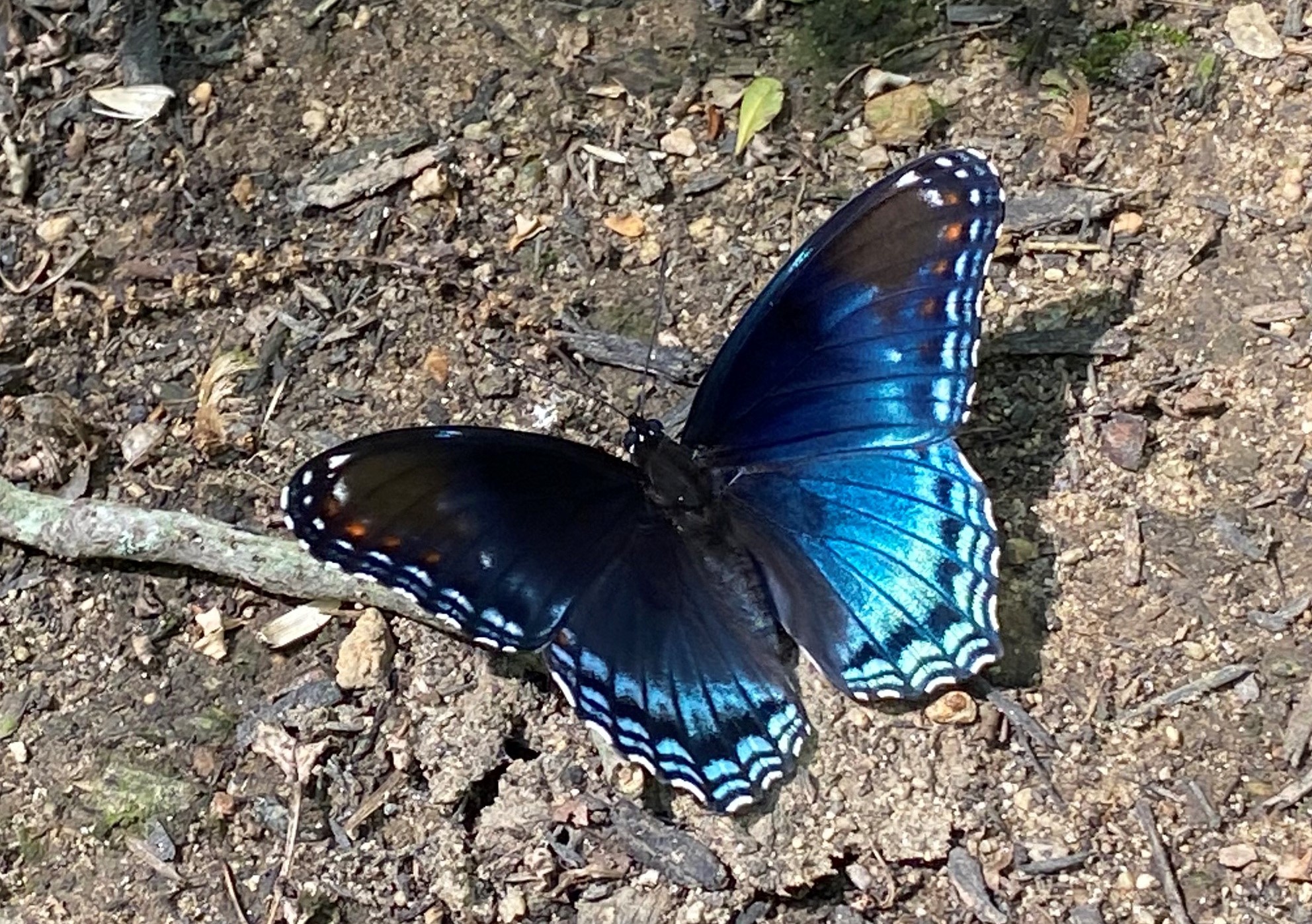
- Oak Trees (Quercus spp.): The single most valuable host genus. Supports hundreds of butterfly and moth larvae, including the Red-Spotted Purple (Limenitis arthemis).
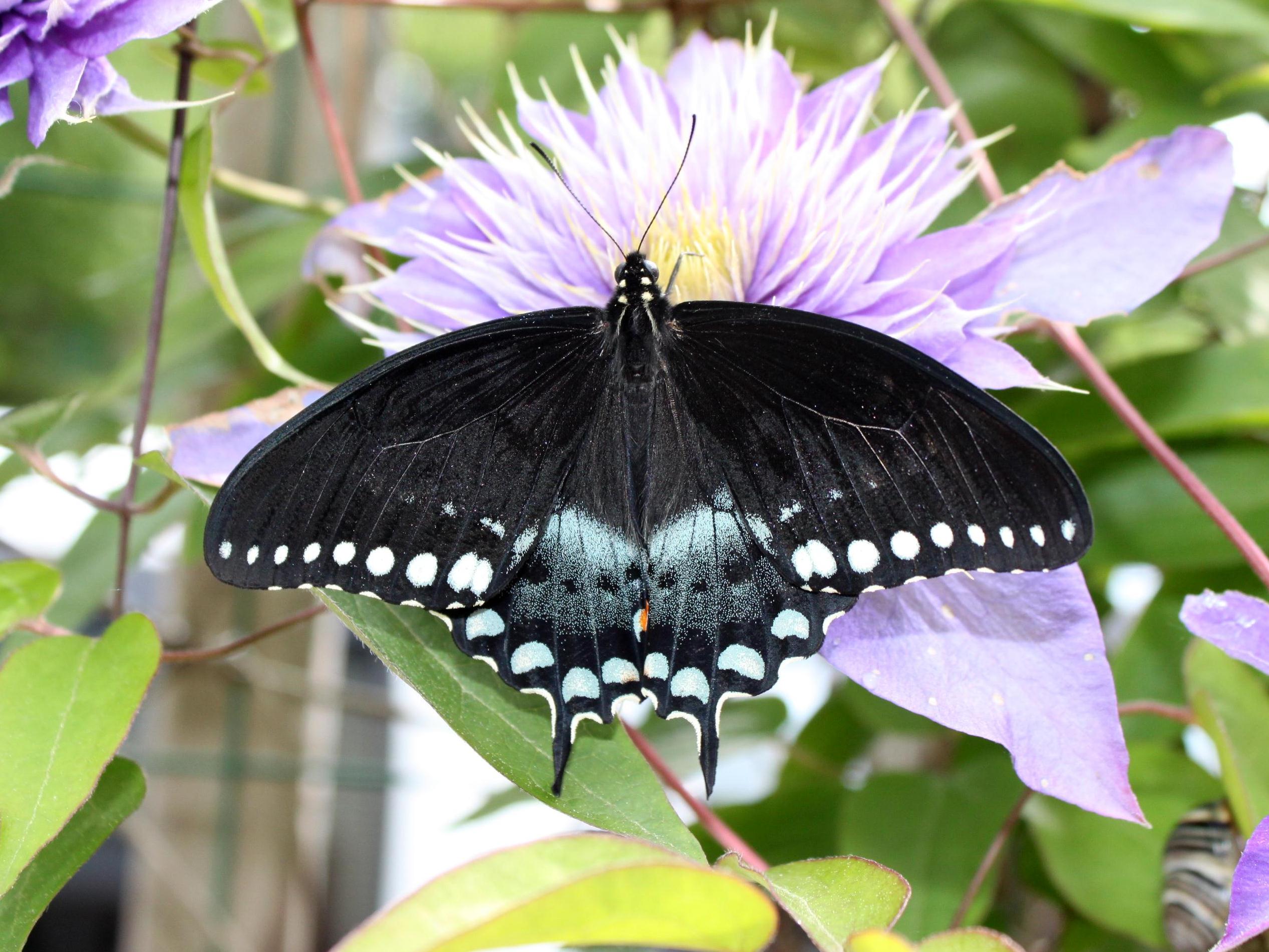
- Spicebush (Lindera benzoin): The primary host plant for the Spicebush Swallowtail (Papilio troilus). Thrives in partial shade with moist soil.
- Wild Black Cherry (Prunus serotina): Host to Eastern Tiger Swallowtail (Papilio glaucus), Coral Hairstreak (Satyrium titus), and Spring Azure (Celastrina ladon) larvae.
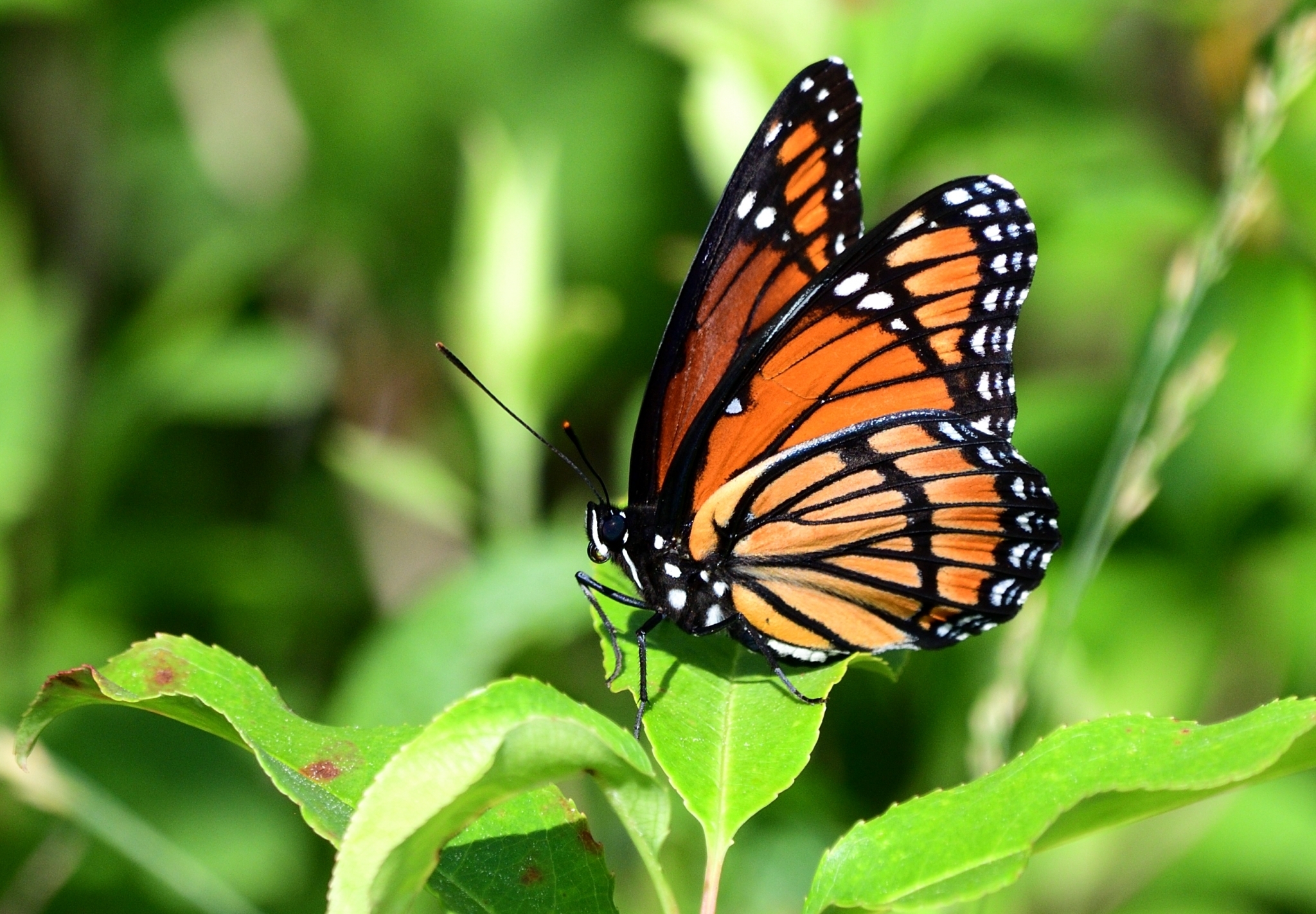
- Willows (Salix spp.): Essential spring host for the Mourning Cloak (Nymphalis antiopa) and Viceroy (Limenitis archippus).
Implementation Tips for Zone 6b
- Choose North American Ecotypes: When buying at local Rhode Island nurseries, ask for true native species rather than cultivated hybrids (“cultivars”), as leaf chemistry can sometimes shift in cultivars, which can impact caterpillar survival.
- Layer Your Planting: Combine upper-canopy trees (Oaks), mid-story shrubs (Spicebush, Serviceberry), and ground-level perennials (Milkweeds, Violets) to provide continuous vertical host layers.
 davethebugguy.org
Leave a comment