
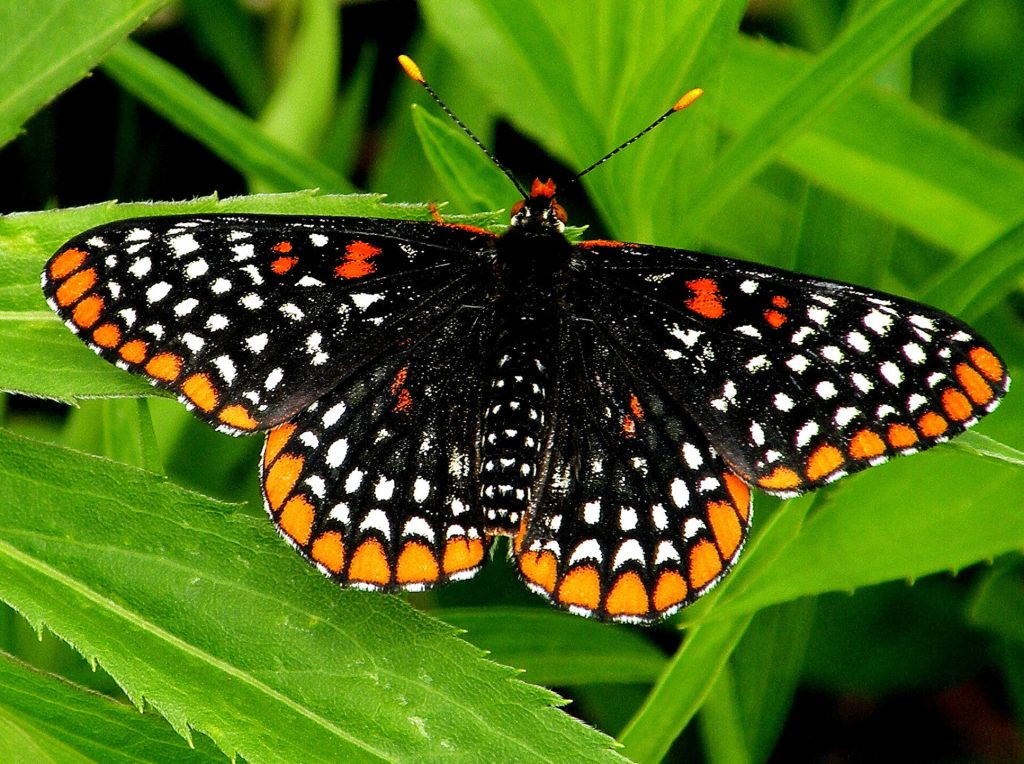
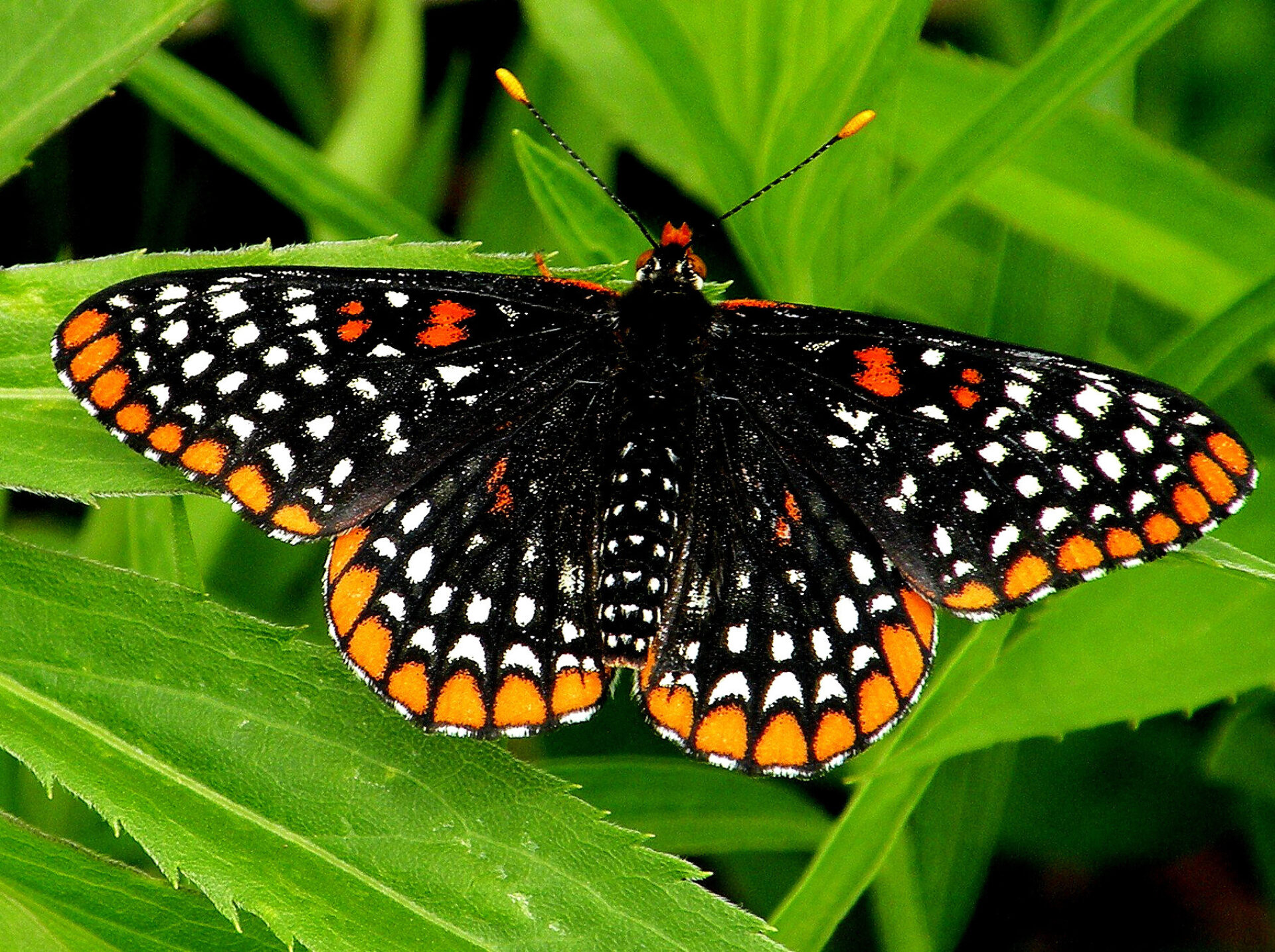
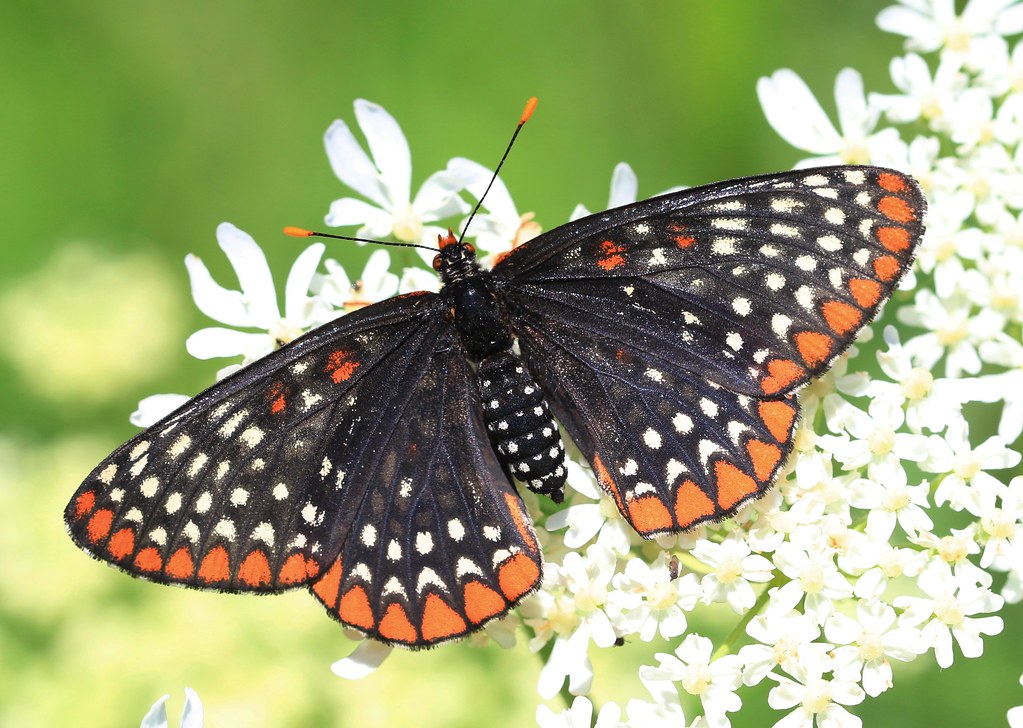
The Baltimore Checkerspot (Euphydryas phaeton) is a striking, medium-sized butterfly recognized for its dramatic black, white, and orange-red coloration. Named for the colors of the coat of arms of Lord Baltimore (the founder of the Maryland colony), this butterfly serves as an iconic—though increasingly rare—resident of North American wetlands.
Identification
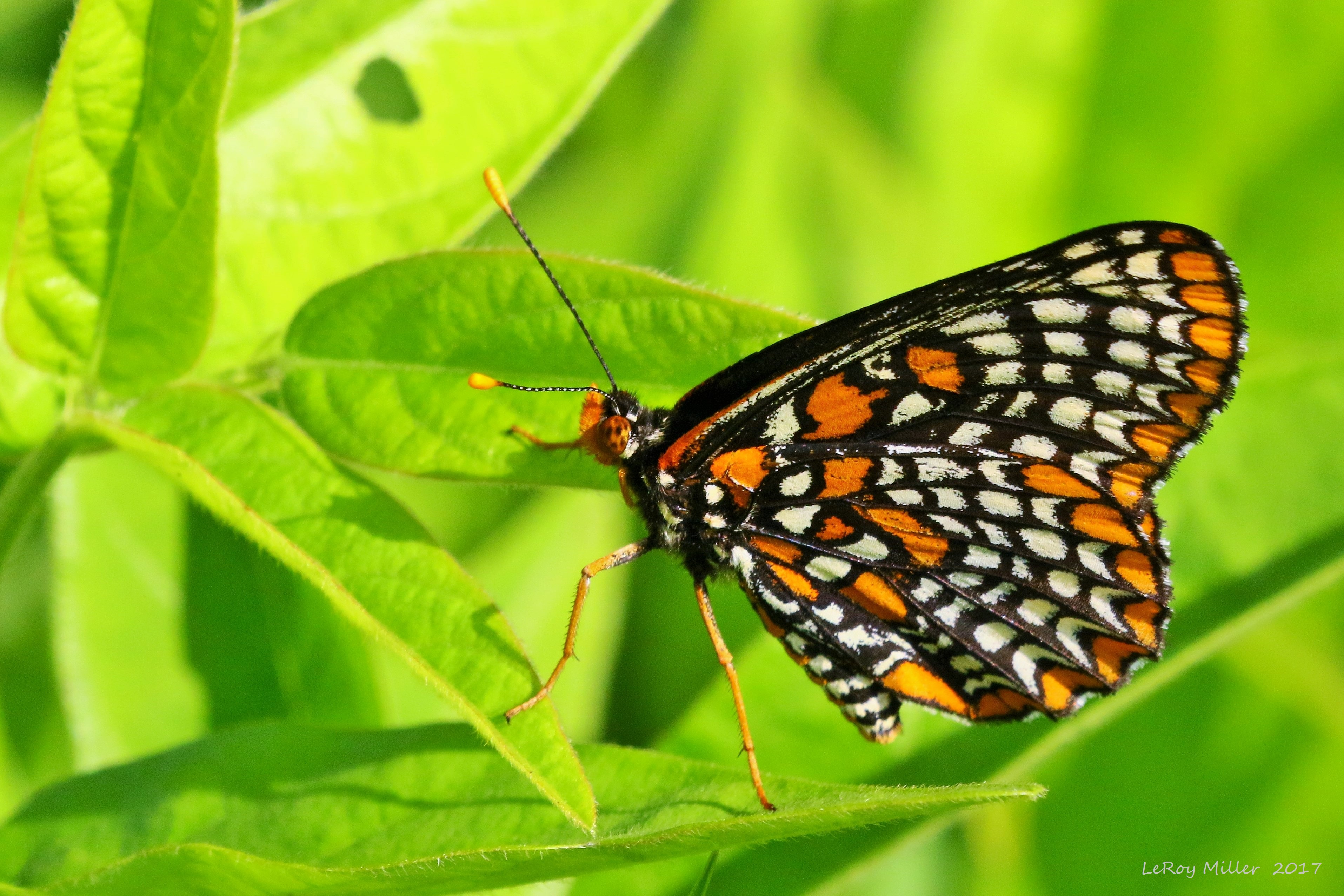
As a member of the Nymphalidae family (the “brush-footed” butterflies), the Baltimore Checkerspot features reduced, hair-like front legs.
- Wingspan: Approximately 1 ¾ to 2 ¾ inches (4.5–7 cm).
- Appearance: The wings are primarily black with a checkered pattern of creamy white spots and vibrant red-orange crescents along the outer margins.
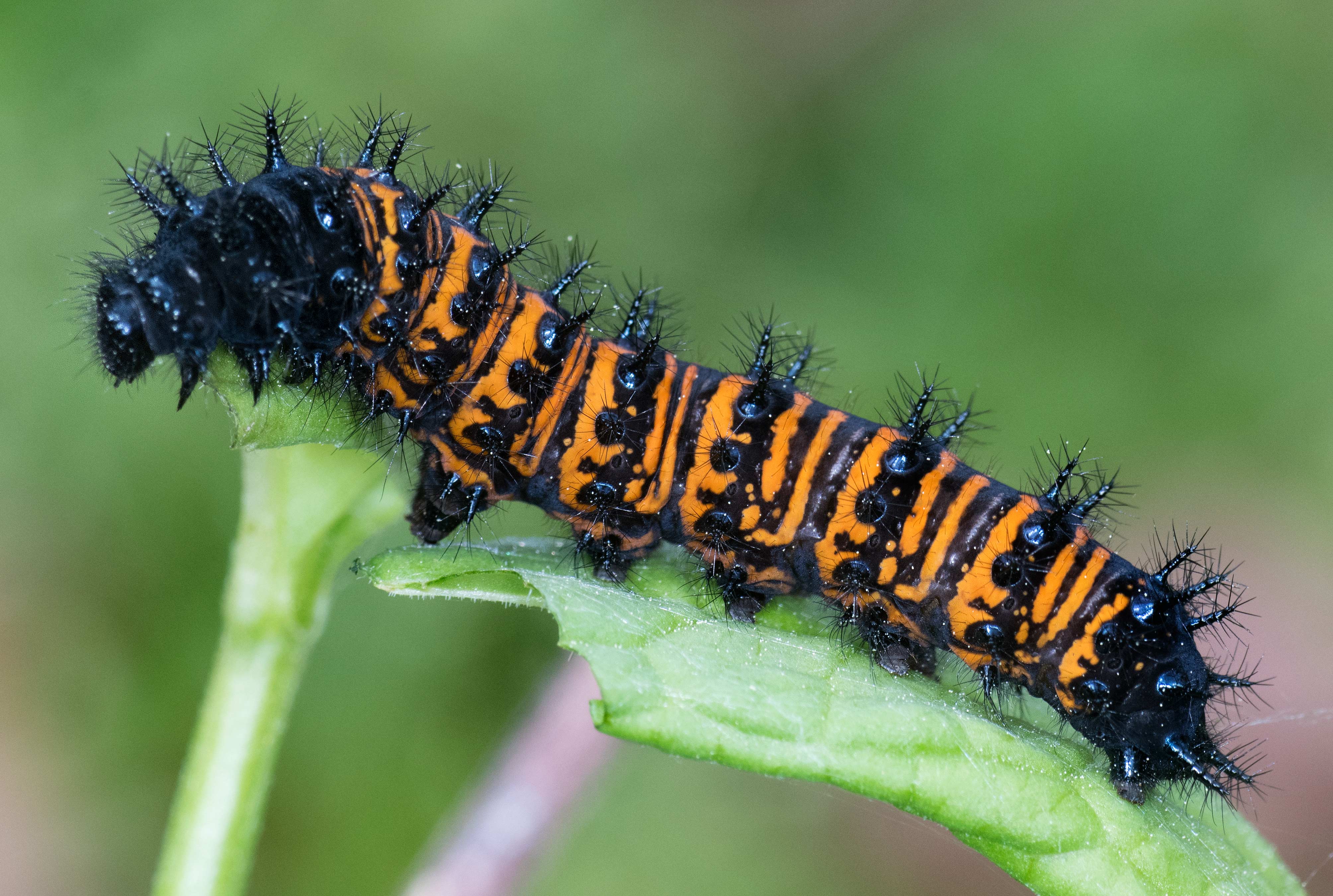
- Larvae: The caterpillars are equally distinct, featuring horizontal, alternating bands of black and orange, covered in small, black, spine-like projections (scoli).
Habitat and Range
The Baltimore Checkerspot is highly specialized, typically found in wet meadows, bogs, marshes, and stream-fed valleys.
- Distribution: It is found across the Eastern United States and southern Canada, ranging from Nova Scotia west to the Great Lakes and south into northern Georgia and Mississippi.
- Regional Status: While considered globally “apparently secure” (G4 status) by NatureServe, the species is highly localized. It is declining in many parts of its range—notably in Maryland, where it is listed as an endangered species—due to the drainage of wetlands and habitat fragmentation.
Life Cycle and Ecology
The Baltimore Checkerspot is univoltine, meaning it produces only one generation per year. Its life cycle is intricately synchronized with the phenology of its host plants.
The Host Plant Relationship
The butterfly’s primary larval host is the White Turtlehead (Chelone glabra). This plant contains iridoid glycosides—chemical compounds that are bitter and toxic to many predators. By feeding on these leaves, the larvae sequester these toxins, becoming unpalatable themselves.
Development Stages
Oviposition (Early to mid-summer)
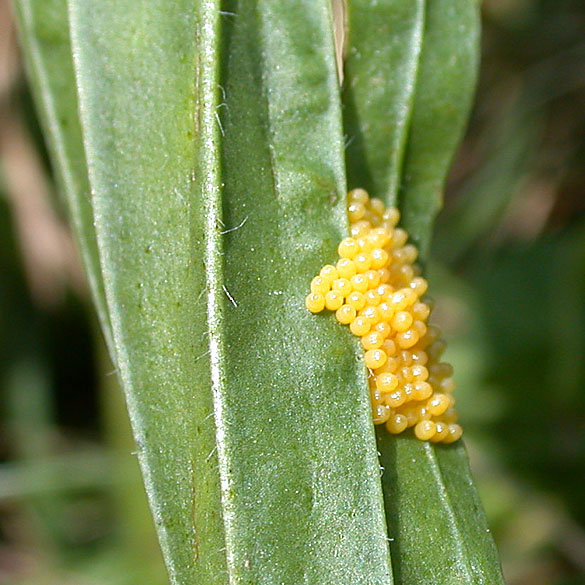
Females lay eggs in large clusters of 100–700 on the undersides of host plant leaves.
Gregarious Feeding (Late summer)
Newly hatched caterpillars feed communally, spinning a protective silk web that they enlarge as they consume the plant.
Hibernation (Autumn through Winter)
Unique among many butterflies, they overwinter as larvae. In the 4th instar, they move to the ground to hibernate within rolled, dead leaves.
Maturation & Emergence (Spring to Summer)
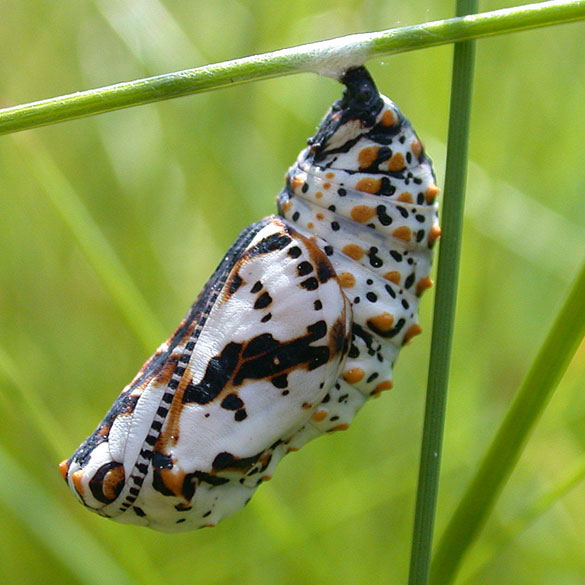
In spring, they emerge to feed on diverse plants (including viburnum, honeysuckle, and plantain) before pupating and emerging as adults.
Conservation Challenges
The Baltimore Checkerspot faces significant threats, primarily due to its strict habitat requirements.
- Climate Sensitivity: As a species that overwinters as a larva, it is vulnerable to extreme winter temperature fluctuations; unseasonably warm “heatwaves” in winter can deplete their energy reserves, leading to high mortality.
- Habitat Loss: The conversion of wet meadows into agricultural or residential land removes the necessary White Turtlehead patches.
- Predation/Parasitism: Larvae suffer from high rates of parasitism by specialized wasps, which can drastically reduce local population numbers in any given year.
Did You Know? Because of their reliance on specific wetland plants, the presence of the Baltimore Checkerspot is often considered an indicator species for the health of local wetland ecosystems.


Leave a comment