
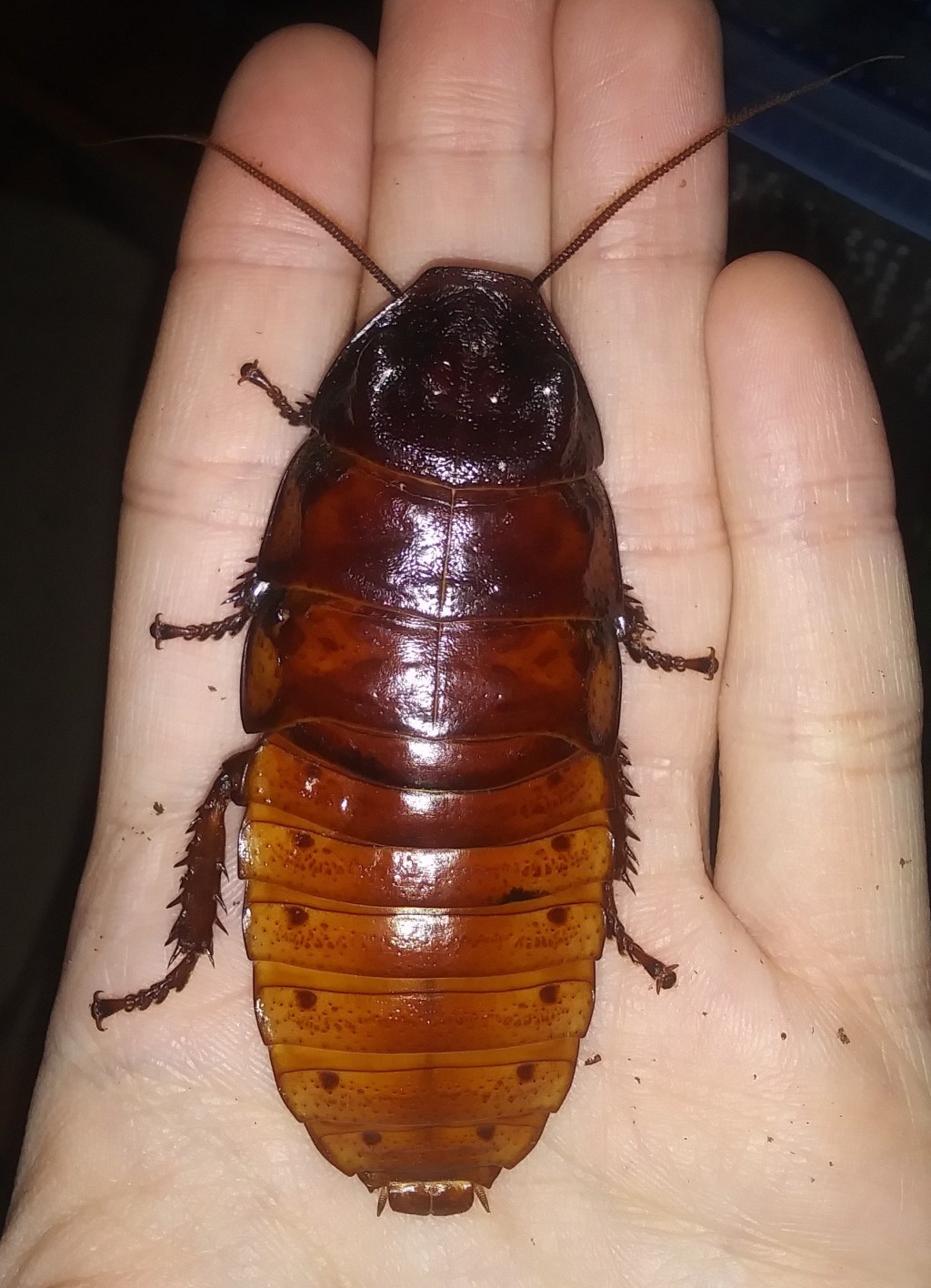
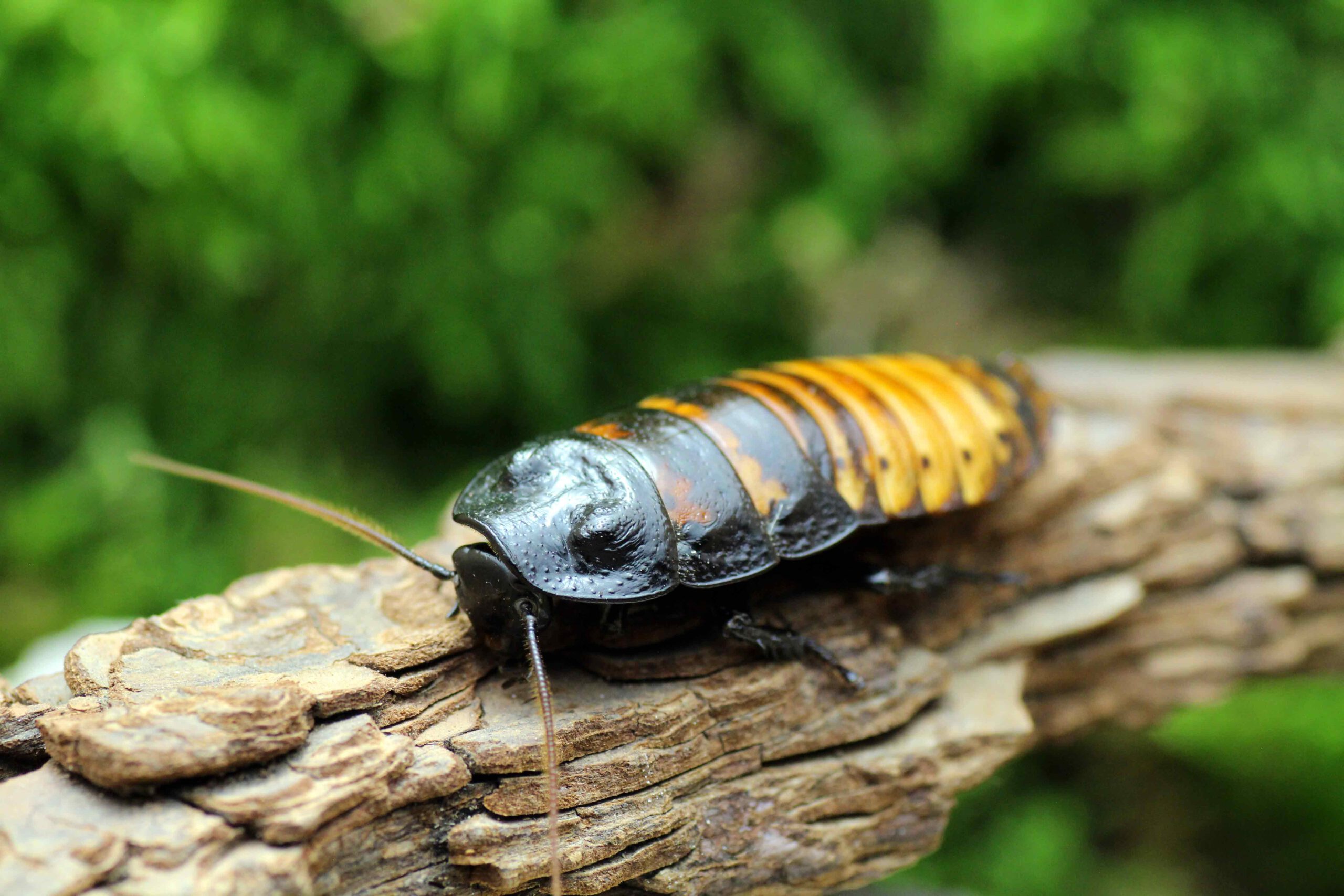
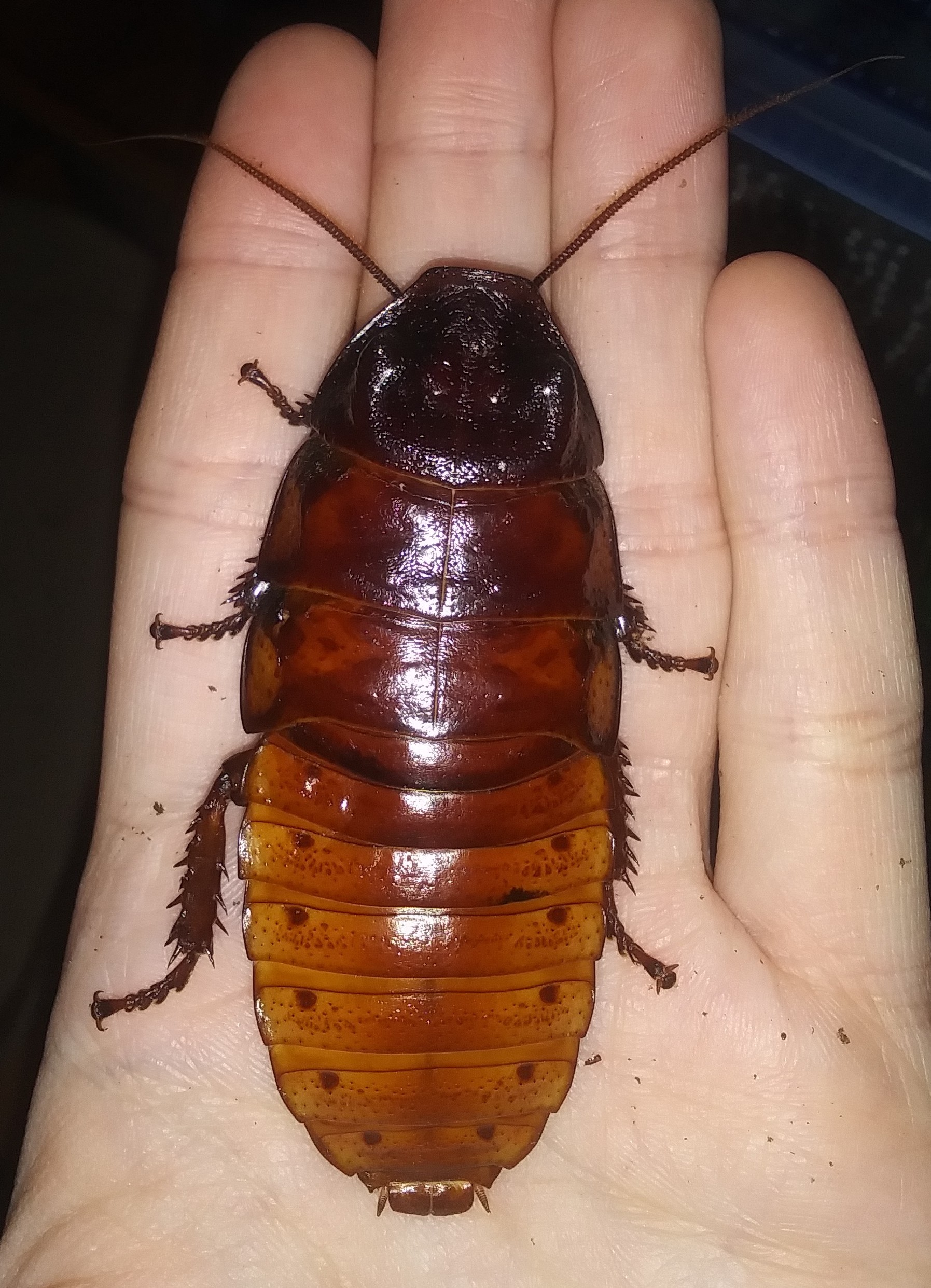
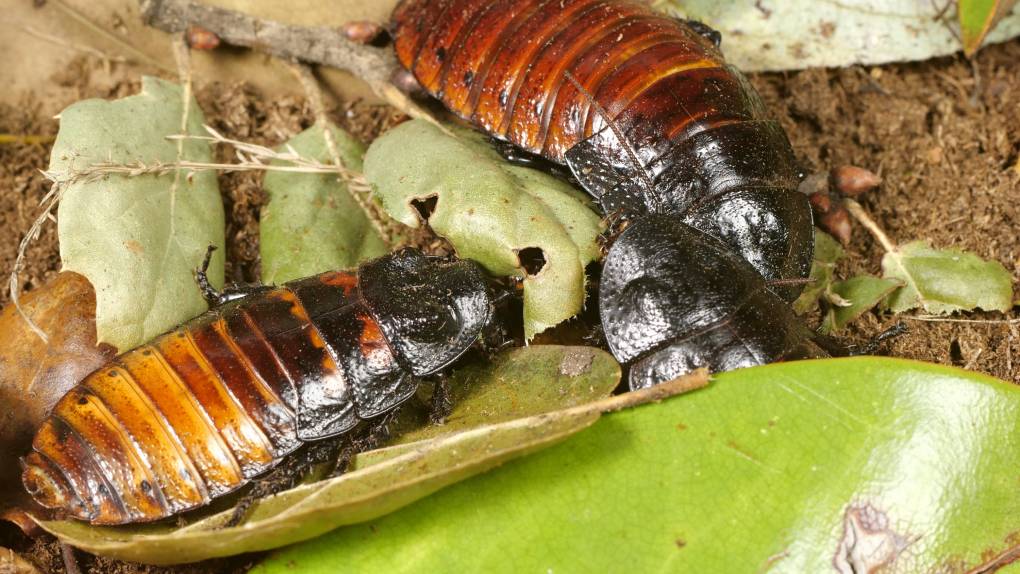
The Madagascar Hissing Cockroach (Gromphadorhina portentosa) is one of the largest and most distinctive cockroach species in the world. Native exclusively to the island of Madagascar, this wingless detritivore has earned global fame for its unusual vocalizations, robust heavy-armored body, and gentle temperament—making it a staple in scientific research, classroom education, and exotic pet keeping.
Scientific Classification & Quick Facts
| Attribute | Detail |
|---|---|
| Domain / Kingdom | Eukaryota / Animalia |
| Phylum / Class | Arthropoda / Insecta |
| Order / Family | Blattodea / Blaberidae |
| Adult Size | 2 to 3 inches (5–7.5 cm) |
| Lifespan | 2 to 5 years |
| Native Range | Tropical rainforests of Madagascar |
| Primary Diet | Fallen fruit, decaying vegetation, plant detritus |
Anatomy & Physical Characteristics
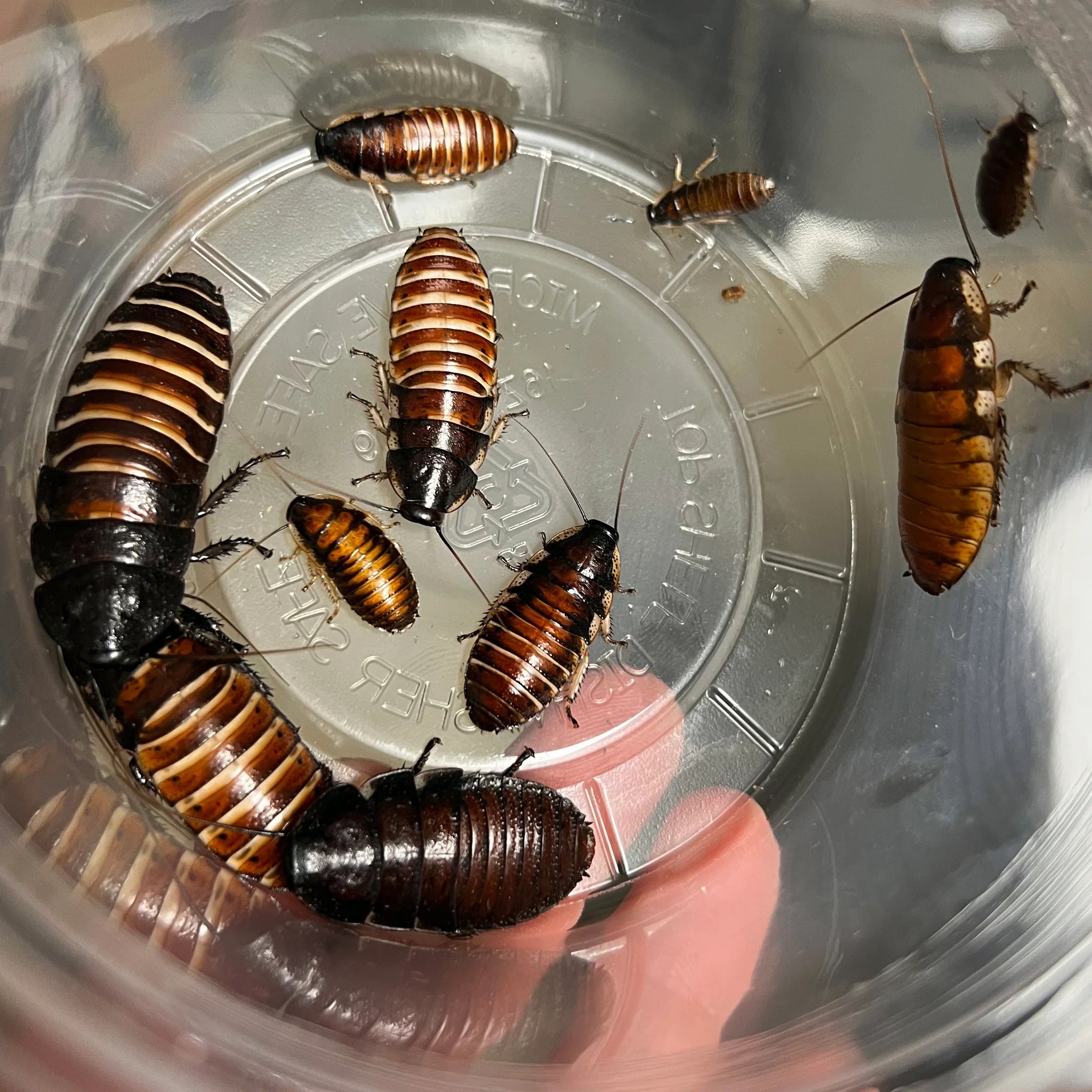
Unlike household pest species, G. portentosa is entirely wingless (apterous) in both sexes. They are adapted for life under forest floor leaf litter and rotten logs, featuring a smooth, heavily sclerotized exoskeleton with reddish-brown to dark brown and black coloration.
Sexual Dimorphism
Distinguishing males from females is straightforward once the insects reach adulthood:
- Male Pronotal Horns: Adult males feature two prominent, raised bumps or “horns” on their pronotum (the shield-like structure behind the head). Males use these horns in territorial jousting matches with rivals.
- Female Pronotum: Females have a smooth, flat pronotum lacking distinct horns.
- Abdominal Tip: The final segment of a female’s abdomen is broad and fused underneath, while the male’s final ventral segment is significantly narrower.
- Antennae: Male antennae are frequently hairy or notched near the base and often damaged or shortened from territorial fights.
The Mechanics of the “Hiss”
Most vocal insects—such as crickets, cicadas, and katydids—produce sound through stridulation (rubbing specialized body parts or legs together). Gromphadorhina portentosa is virtually unique among insects in producing sound pneumatically.
How it Works: The cockroach forcefully expels air through the fourth pair of modified respiratory openings (spiracles) along the sides of its abdomen.
The species utilizes three distinct types of hisses, each serving a different behavioral purpose:
- Distress Hiss: A loud, sharp noise triggered when grabbed, disturbed, or threatened by potential predators. Both males and females (as well as larger nymphs) produce this sound.
- Combative Hiss: A high-frequency hiss produced exclusively by males during territorial battles for dominance and mating rights.
- Courtship Hiss: A softer, rhythmic hiss produced by males to attract females during courtship displays. Research indicates females evaluate male fitness partly based on the acoustic characteristics of this hiss.

Ecological Role & Life Cycle
In their native habitat, Madagascar hissing cockroaches act as vital primary decomposers. By feeding on fallen leaves, decaying wood, and rotting fruit, they recycle nutrients back into the nutrient-poor soil of Madagascan rainforests.
Ovoviviparous Reproduction
G. portentosa exhibits ovoviviparity. The female produces a long, purse-like egg capsule called an ootheca. However, rather than laying the ootheca externally as many other cockroach species do, she retracts it into a specialized internal brood pouch.
She retains the eggs internally for roughly 60 days until they hatch inside her, after which she gives birth to 30 to 60 live nymphs. Newly hatched nymphs are pale white and soft, hardening into a dark, armored exoskeleton within hours. They mature into breeding adults after undergoing 6 to 7 molts over several months.
Commensal Relationships: Gromphadorholaelaps schaeferi
Healthy wild and captive colonies of G. portentosa frequently carry tiny, harmless commensal mites known as Gromphadorholaelaps schaeferi. These mites live directly on the cockroach’s body, primarily feeding on food debris and organic matter around the cockroach’s mouthparts and legs without causing harm to the host.
Keeping Madagascar Hissing Cockroaches (Gromphadorhina portentosa) in captivity is straightforward and low-maintenance, making them popular educational animals and exotic pets. Because they are docile, clean, and wingless, their daily care is simple, provided their environment meets basic heat and humidity requirements.
1. Enclosure & Housing
Madagascar hissing cockroaches are tropical creatures that require a secure, well-ventilated enclosure.
- Container Type: A 5- to 10-gallon glass aquarium or plastic reptile terrarium works well for a small colony (5–10 adults). Plastic storage tubs with fine mesh ventilation holes built into the lid are also widely used.
- Escape Prevention: This is critical. Hissers have climbing pads (arolia) on their feet that allow them to easily scale smooth vertical glass and plastic. Pro Tip: Apply a 2- to 3-inch band of petroleum jelly (Vaseline) around the top inside edge of the enclosure walls. They cannot cross this slippery barrier. Keep a tight-fitting, fine-mesh screen lid secured on top as a backup.
- Substrate: Provide 1 to 2 inches of substrate to retain humidity and allow light digging. Excellent options include:
- Coconut coir (coco fiber)
- Organic topsoil (fertilizer- and chemical-free)
- Cypress mulch or orchid bark
- Hides & Structure: Hissers are nocturnal and thigmotactic (they like feeling squeezed between surfaces). Provide plenty of hiding spots using stacked egg cartons, cork bark flats, or hollow logs. Vertical structures increase living area and give molting nymphs room to hang.

2. Temperature & Humidity
Coming from tropical rainforests, G. portentosa thrives in warm, humid environments.
Note: While adults can tolerate room temperature for short periods, consistent cold temperatures will lead to health issues and molting complications.
3. Diet & Feeding
Madagascar hissing cockroaches are omnivorous detritivores. They are not picky eaters, but benefit from a varied diet.
Core Diet
- Fresh Produce: Carrots, apples, sweet potatoes, squash, bananas, and leafy greens.
- Dry Staples: High-protein dry foods provide essential nutrients for shell growth and molting. Offer crushed dry dog/cat kibble, fish flakes, or commercial roach chow in a small dish.
Hydration
Never place an open, deep dish of standing water in the enclosure, as young nymphs can easily drown. Instead, supply moisture via:
- Fresh fruits and vegetables (replaced every 2 days to prevent mold).
- A small dish filled with water gel crystals or a wet sponge.

4. Molting & Life Cycle Maintenance
- Handling Molting Insects: As nymphs grow, they shed their hard exoskeleton. A newly molted roach appears soft and pure white. Do not handle white roaches, as their new shell is fragile and vulnerable to damage until it hardens over several hours.
- Population Control: A healthy colony with both sexes will reproduce rapidly. If you wish to prevent breeding, keep males and females in separate enclosures. (Males are easily identified by the two prominent “horns” on their pronotum behind the head).
5. Cleaning & Health
- Spot Cleaning: Remove uneaten fresh food after 48 hours to prevent mold, fruit flies, and unpleasant odors.
- Substrate Replacement: Deep clean the enclosure and replace the substrate every 3 to 6 months depending on colony density.
- Commensal Mites: If you notice tiny white or tan mites (Gromphadorholaelaps schaeferi) crawling on your cockroaches, do not panic. These mites are harmless commensals that clean food debris off the host’s exoskeleton.
 davethebugguy.org
Leave a comment