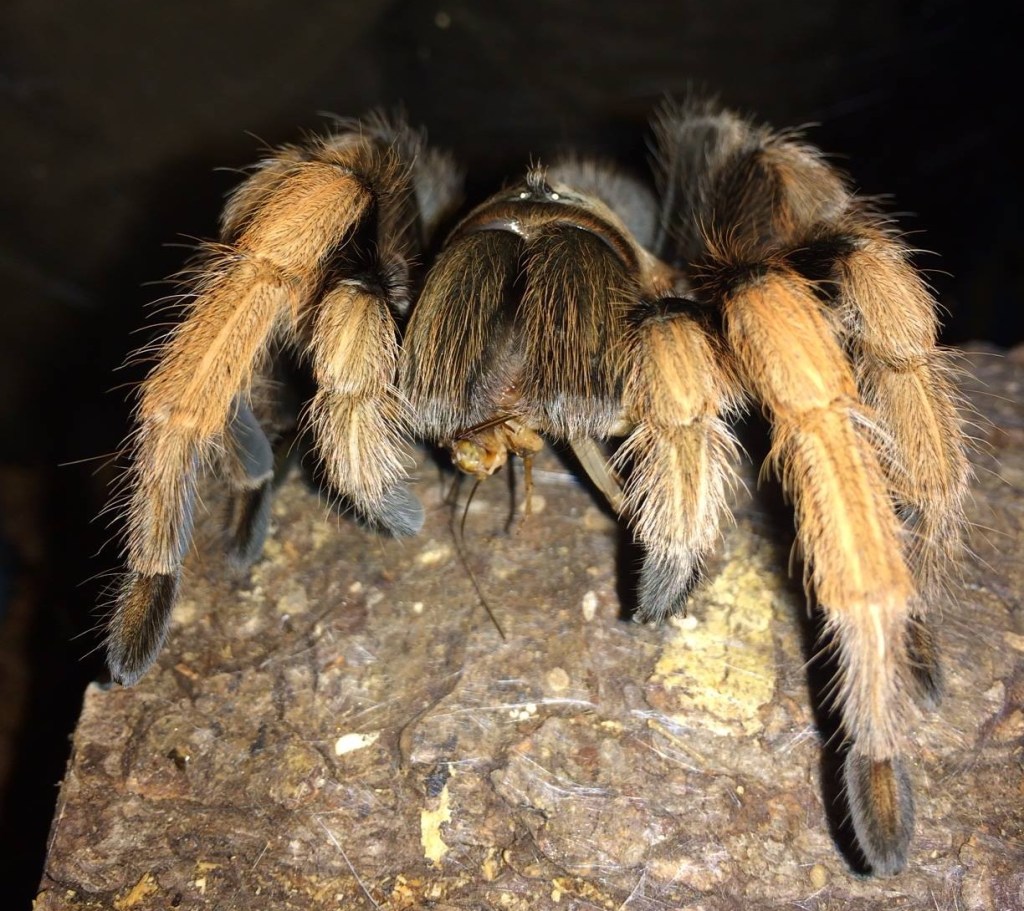
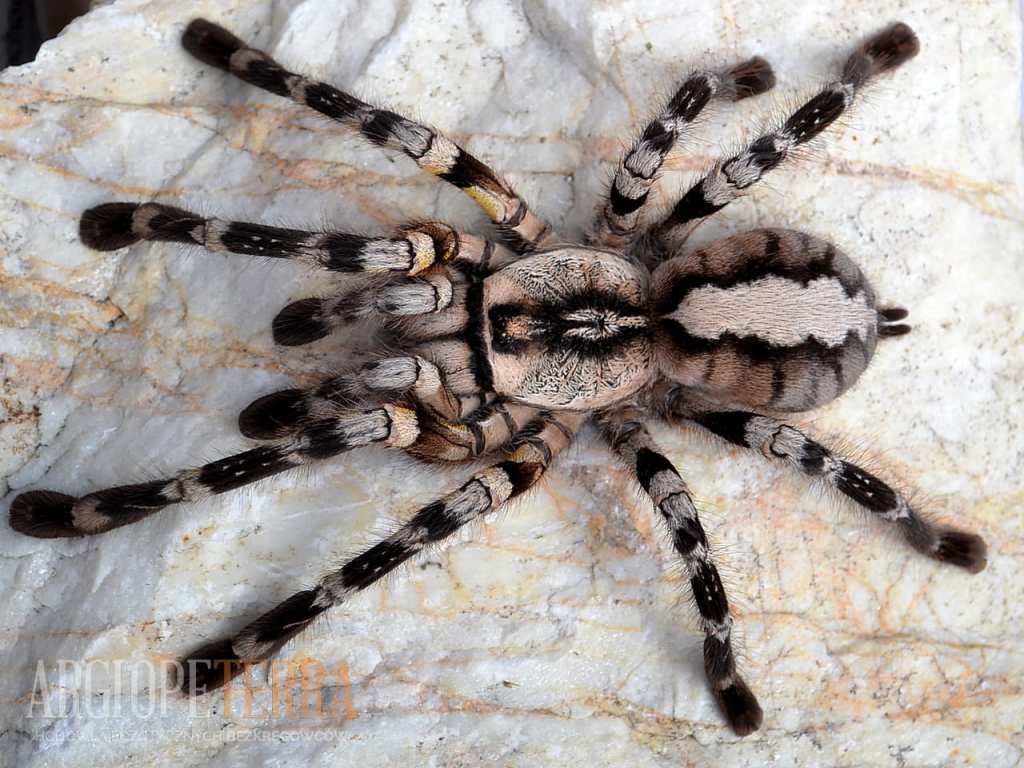
The genus Aphonopelma represents one of the most diverse, widespread, and recognizable groups of tarantulas in the world. Dominating the landscapes of the Americas—from the southern United States through Central America—these New World burrowers are the “teddy bears” of the tarantula hobby, beloved for their hardiness and generally docile temperaments.
Continue reading The Giants of the Americas: A Deep Dive into the Tarantula Genus AphonopelmaTag Archives: Theraphosidae
The Tarantula Enthusiast’s Bible: A Deep Dive into “Tarantulas in the Vivarium”
When Peter Klaas published Tarantulas in the Vivarium: Habits, Husbandry, and Breeding in 2001, the arachnoculture hobby was in a state of rapid transition. While keepers were moving away from “trial and error,” there was a desperate need for a consolidated, scientifically grounded resource.
Klaas, a respected German arachnologist and keeper, filled that void with a work that remains a foundational text for serious hobbyists and professional breeders alike.
Continue reading The Tarantula Enthusiast’s Bible: A Deep Dive into “Tarantulas in the Vivarium”Caught in a Web of Wisdom: Why “The Tarantula Keeper’s Guide” is Still the Gold Standard
For decades, the world of arachnoculture has looked to a single, definitive source for wisdom, scientific insight, and practical care: The Tarantula Keeper’s Guide by Stanley A. Schultz and Marguerite J. Schultz. Often referred to by enthusiasts as the “Tarantula Bible,” this comprehensive work did more than just list husbandry requirements; it revolutionized the way these misunderstood creatures are perceived by the public and cared for by keepers. By blending rigorous biological study with a deep, palpable affection for their eight-legged subjects, the Schultzes created a manual that remains as inspiring today as it was upon its first publication in 1998.
Continue reading Caught in a Web of Wisdom: Why “The Tarantula Keeper’s Guide” is Still the Gold StandardThe Costa Rican Zebra Tarantula: A Striped Beauty of the Dry Forests
From the dry, scrubby forests and grasslands of Central America emerges a beloved and iconic tarantula – Aphonopelma seemanni, universally known as the Costa Rican Zebra Tarantula. Renowned for its distinctive black and white striped legs, docile temperament, and extensive burrowing habits, this robust terrestrial species is a cornerstone of the tarantula hobby and a fascinating example of arid-adapted arachnids.
Continue reading The Costa Rican Zebra Tarantula: A Striped Beauty of the Dry ForestsThe Antilles Pinktoe Tarantula: A Jewel of the Caribbean Forests
From the lush, humid rainforests and vibrant coastal areas of the Caribbean island of Martinique, and introduced to Guadeloupe, emerges one of the most stunning and iconic arboreal tarantulas – Caribena versicolor, universally known as the Antilles Pinktoe Tarantula or Martinique Pinktoe. Revered for its breathtaking iridescent colors that change dramatically from spiderling to adult, its delicate arboreal webbing, and its generally docile nature, this species is a true showstopper in the world of arachnids.
Continue reading The Antilles Pinktoe Tarantula: A Jewel of the Caribbean ForestsThe Mexican Red Rump: A Striking Weaver of the Americas
From the hot, arid to semi-arid regions spanning from Mexico south through Central America to Belize, Guatemala, El Salvador, and even into parts of southern Florida (likely introduced), comes Tliltocatl vagans, universally known as the Mexican Red Rump Tarantula. Revered for its striking velvety black coloration accented by brilliant red abdominal hairs, and its generally docile yet defensive nature, this terrestrial species is a charismatic burrower and a staple in the tarantula hobby.
Continue reading The Mexican Red Rump: A Striking Weaver of the AmericasThe Brazilian Black Tarantula: A Velvet Beauty of the Pampas
From the expansive grasslands and open woodlands of southern Brazil and parts of Uruguay emerges one of the most sought-after and beloved tarantulas in the hobby – Grammostola pulchra, universally known as the Brazilian Black Tarantula, or sometimes the Brazilian Black. Revered for its striking, velvety black coloration, robust build, and exceptionally docile temperament, this terrestrial species is a true gem, making it an ideal ambassador for tarantulas and a favorite among enthusiasts.
Continue reading The Brazilian Black Tarantula: A Velvet Beauty of the PampasThe Rio Grande Gold Tarantula: A Jewel of the Texas Deserts
From the arid and semi-arid landscapes of the Rio Grande Valley in Texas, United States, comes Aphonopelma moderatum, popularly known as the Rio Grande Gold Tarantula. This striking terrestrial tarantula is highly regarded for its unique and beautiful coloration, combining golden hues with dark accents, making it one of the most visually distinctive members of the Aphonopelma genus found in the United States.
Continue reading The Rio Grande Gold Tarantula: A Jewel of the Texas DesertsThe White-Collared Tarantula: A Docile Grazer of the Pampas
From the expansive grasslands and open areas of the Pampas plains in Argentina and Uruguay hails Eupalaestrus weijenberghi, commonly known as the White-Collared Tarantula. Revered in the arachnid hobby for its remarkably docile temperament and unique coloration, this terrestrial tarantula offers a fascinating glimpse into the life of South American mygalomorphs, often encountered by its persistent males traversing the open landscape.
Continue reading The White-Collared Tarantula: A Docile Grazer of the PampasThe Brazilian Blue Dwarf Beauty: Unveiling Dolichothele diamantinensis
From the sun-baked, rocky savannas of southeastern Brazil emerges a miniature marvel of the tarantula world – Dolichothele diamantinensis, commonly known as the Brazilian Blue Dwarf Beauty. Described in 2009, this charming terrestrial tarantula captivates enthusiasts with its vibrant blue coloration, intricate webbing habits, and a deceptively feisty nature, proving that beauty and intensity can come in small packages.
Continue reading The Brazilian Blue Dwarf Beauty: Unveiling Dolichothele diamantinensis