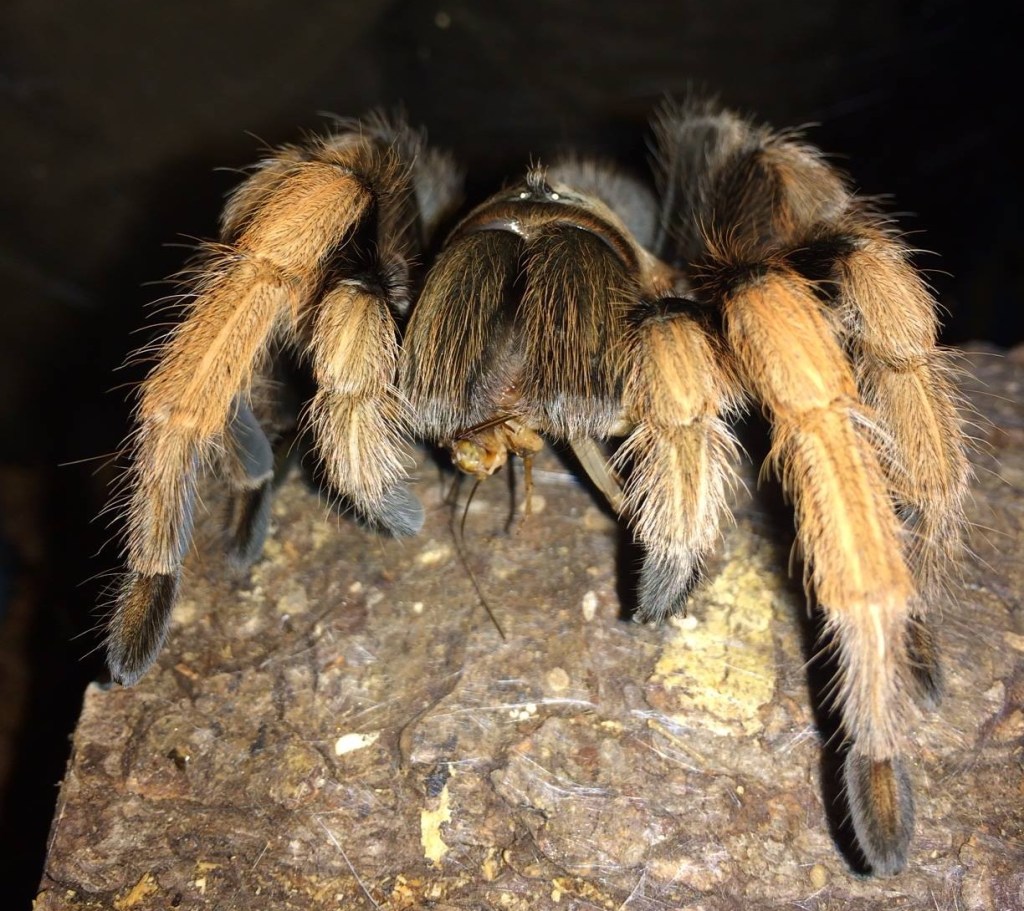
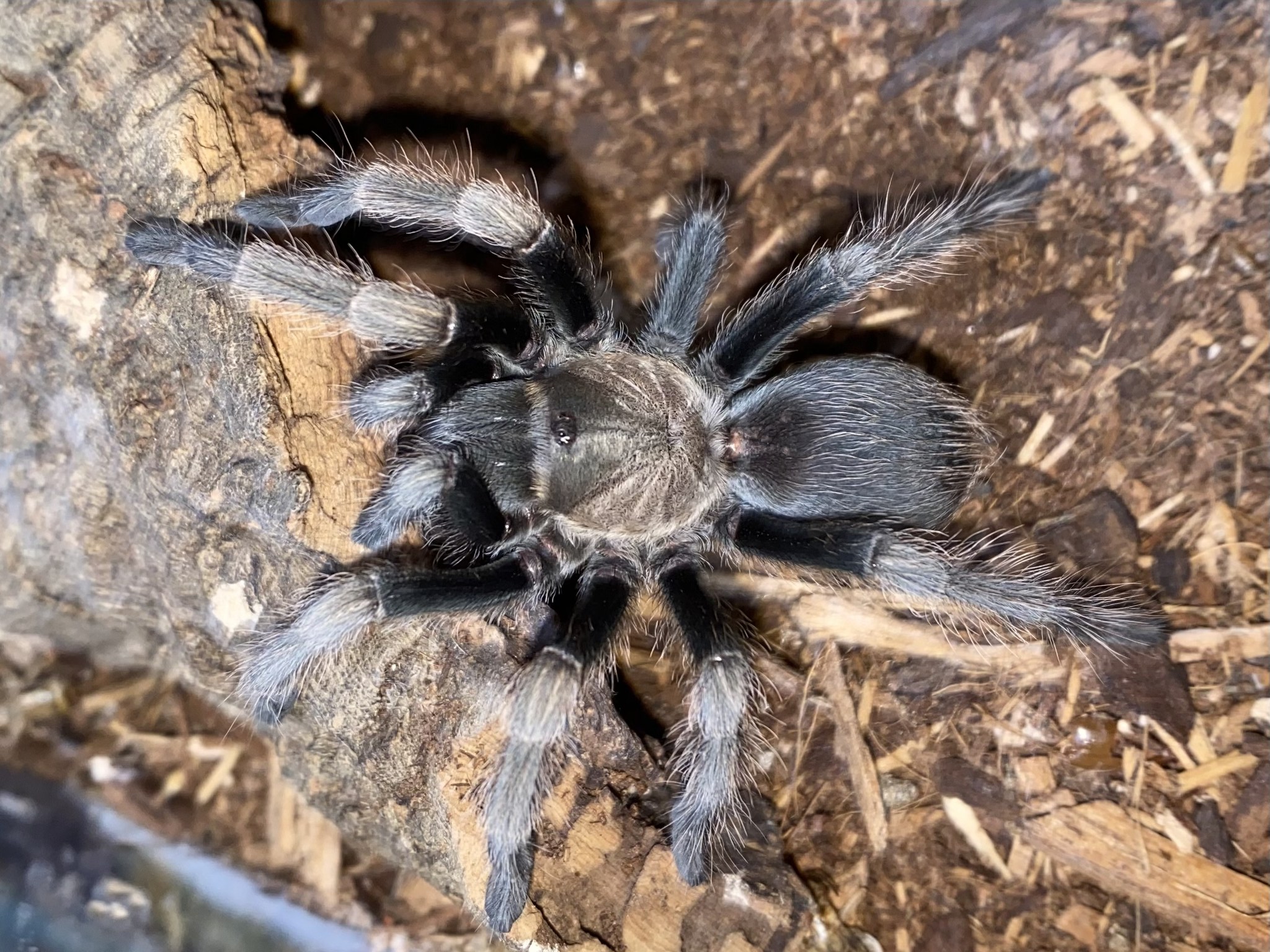
The genus Aphonopelma represents one of the most diverse, widespread, and recognizable groups of tarantulas in the world. Dominating the landscapes of the Americas—from the southern United States through Central America—these New World burrowers are the “teddy bears” of the tarantula hobby, beloved for their hardiness and generally docile temperaments.
Taxonomy and Distribution
First described by Pocock in 1901, Aphonopelma is a massive genus within the family Theraphosidae. While the exact number of species is often debated due to ongoing taxonomic revisions, there are approximately 60 to 90 recognized species.
One of the most significant events in recent teuthology was the 2016 taxonomic revision by Dr. Chris Hamilton and colleagues. This study utilized molecular and morphological data to consolidate many “phantom” species, while simultaneously discovering new ones, such as the tiny Aphonopelma johnnycashi, named after the “Man in Black.”
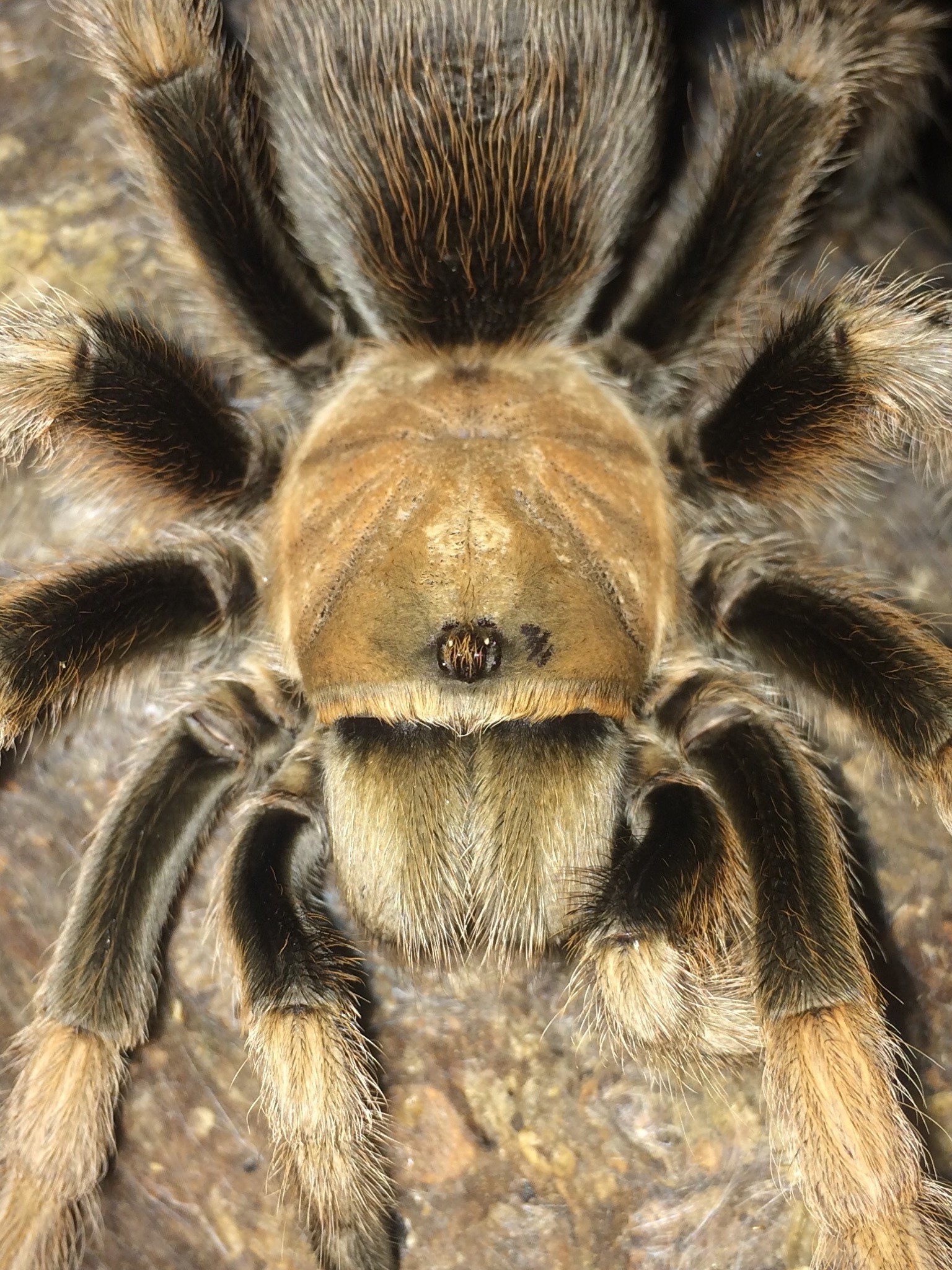
Geographic Range:
- United States: Found primarily in the West and Southwest (Texas, Arizona, California, New Mexico).
- Mexico: High levels of biodiversity, including many “colorful” species.
- Central America: Reaching down toward the northern borders of South America.
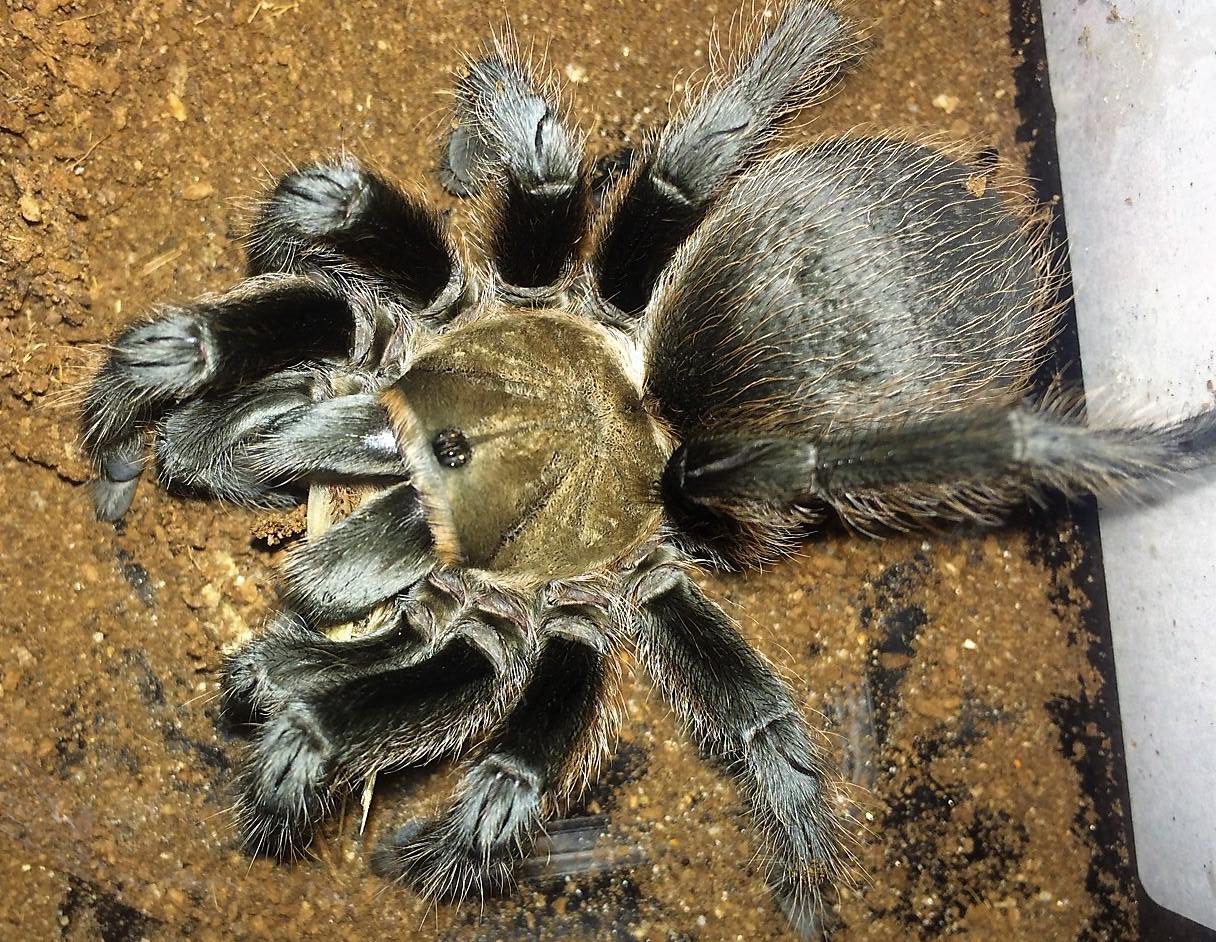
Physical Characteristics and Identification
Aphonopelma species are generally medium-to-large, heavy-bodied tarantulas. While many are famous for their “earth-tone” palettes of browns, tans, and blacks, several species exhibit striking colorations.
- Urticating Hairs: Like most New World species, they possess Type I and/or Type III urticating hairs on their abdomen, which they flick as a primary defense mechanism.
- Sexual Dimorphism: Mature males are typically much smaller-bodied with longer legs and darker coloration compared to the stockier, more vibrant females.
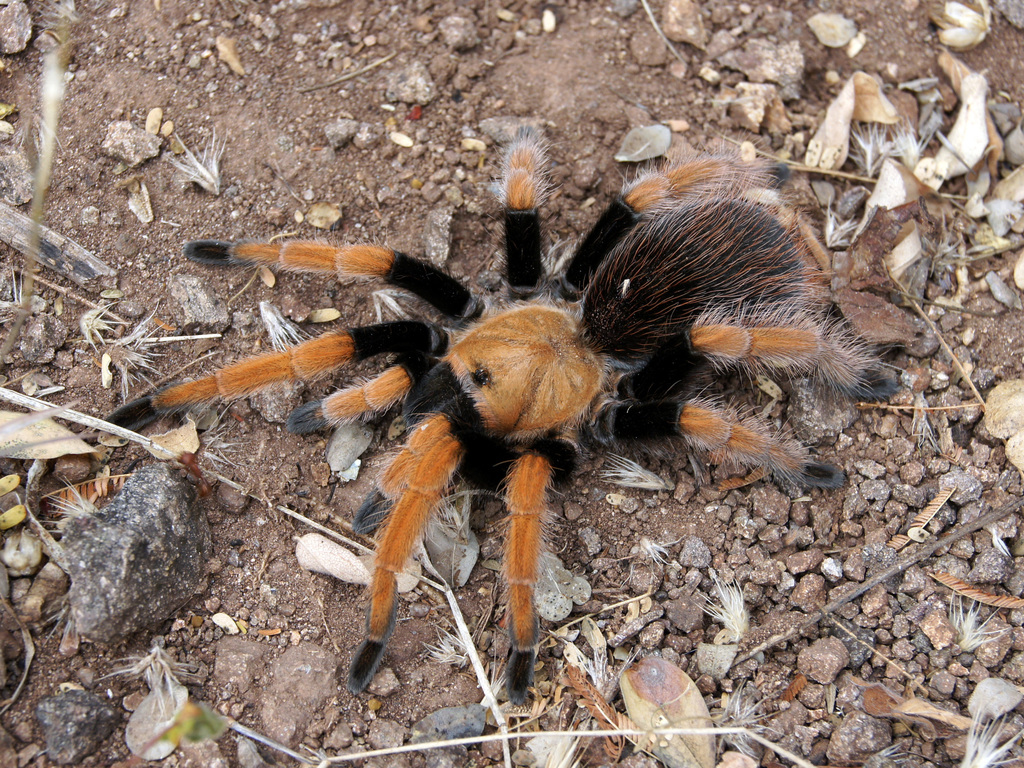
- The “Blood-Leg” and “Red-Rump” Influence: Species like A. bicoloratum (Mexican Blood-Leg) display vibrant oranges and reds, breaking the stereotype that all North American tarantulas are plain brown.
Behavior and Ecology
Most Aphonopelma are obligate burrowers. In the wild, they occupy deep silk-lined retreats that protect them from the scorching heat of the desert or the chill of high-altitude nights.
- Growth Rate: They are notoriously slow growers. A female A. chalcodes (Arizona Blonde) may take over a decade to reach maturity but can live for 20 to 30 years in captivity.
- Defense: They are generally considered “New World Docile.” Rather than biting, they are more likely to retreat into a burrow or, at worst, flick hair.
- The “Great Migration”: In late summer and fall, males of species like A. hentzi are often seen crossing roads in large numbers. This is not a migration of the colony, but a desperate search for mates before the winter frost.
Notable Species in the Genus
| Species | Common Name | Notable Feature |
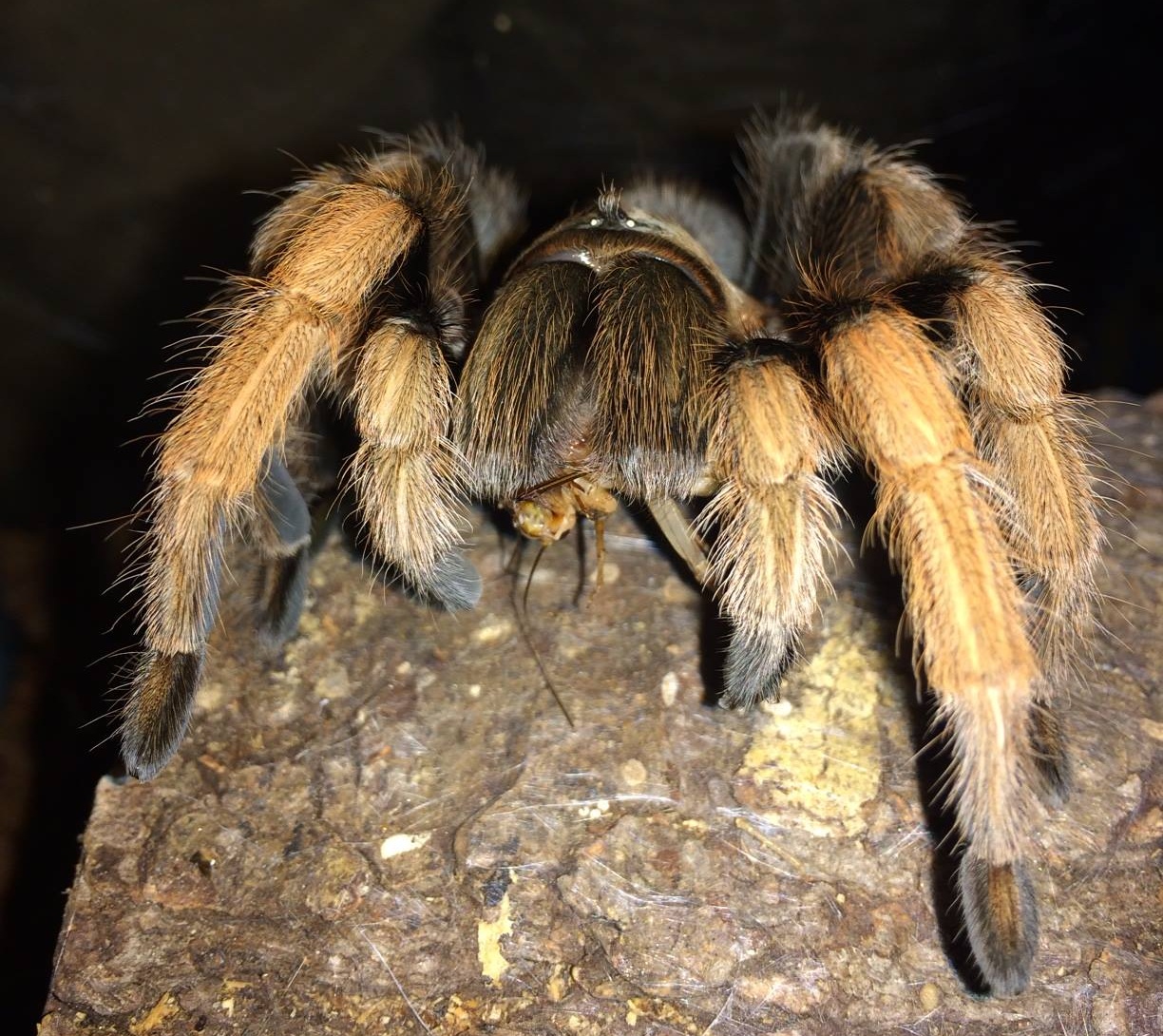
| A. chalcodes | Arizona Blonde | Beautiful tan/blonde cephalothorax; extremely hardy. |
| A. hentzi | Texas Brown | The most widespread species in the US; incredibly resilient. |
| A. bicoloratum | Mexican Blood-Leg | Striking orange legs contrasting with a black carapace. |
| A. moderatum | Rio Grande Gold | Features distinct banding on the legs; highly sought after by collectors. |
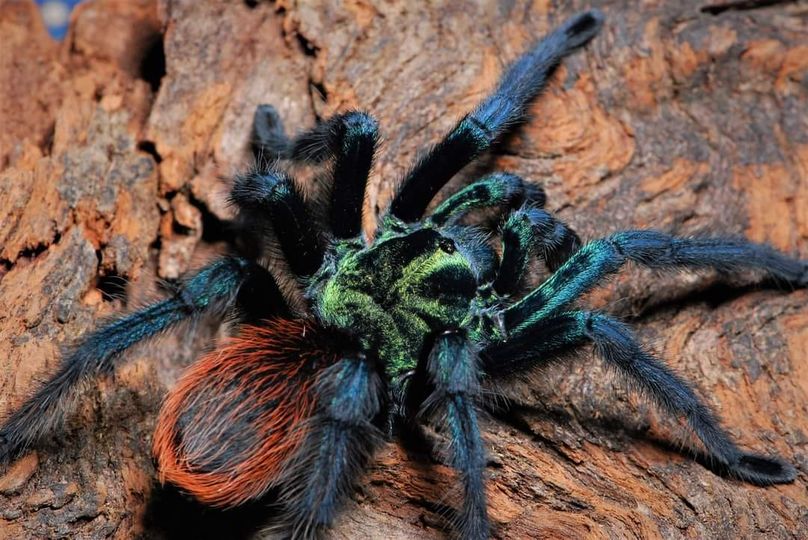
| A. mooreae | Mexican Jade Fuego | Rare and stunning, displaying brilliant blue/teal hues. |
Husbandry Highlights
For keepers, Aphonopelma species are often cited as the “perfect beginner tarantulas.” Their care requirements are straightforward, provided you respect their natural history.
- Substrate: Depth is key. Provide at least 4–6 inches of a coco-fiber/topsoil mix to allow for natural burrowing behavior.
- Hydration: A shallow water dish is essential. While desert species prefer dry substrate, they still need to drink.
- Temperature: Most thrive at standard room temperatures (68 – 75 degrees F). If you are comfortable, they are comfortable.
- Feeding: They are opportunistic hunters. Crickets, roaches, and mealworms are standard fare. Be prepared for “hunger strikes”—it is common for Aphonopelma to fast for months before a molt.
Conclusion
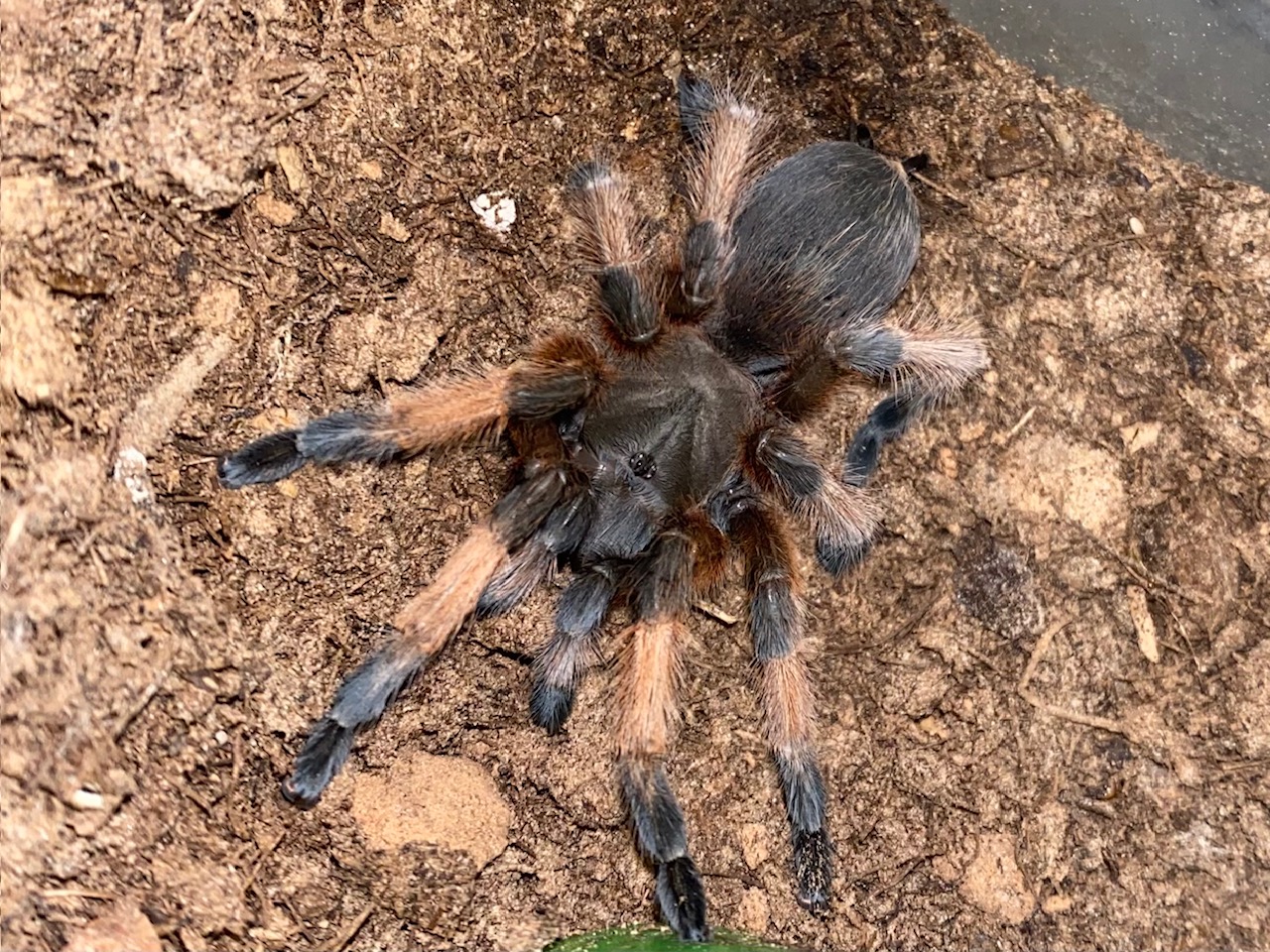
The genus Aphonopelma remains a cornerstone of both arachnology and the pet trade. Whether it is the iconic silhouette of a Texas Brown on a dusty road or the vibrant display of a Mexican Blood-Leg in a terrarium, these spiders command respect. They are a testament to evolutionary patience, surviving in harsh environments through longevity and specialized burrowing.


Leave a Reply