
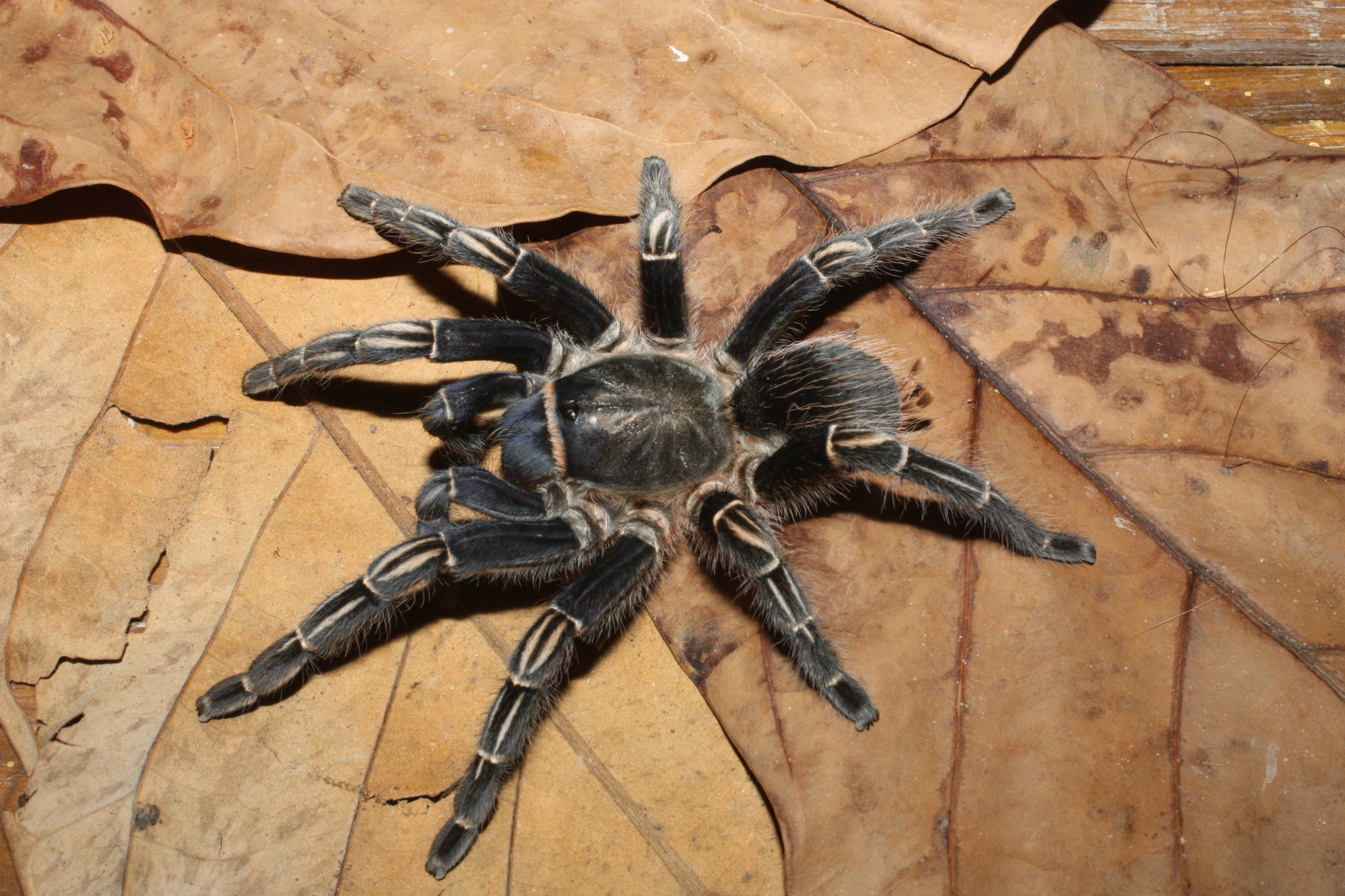
From the dry, scrubby forests and grasslands of Central America emerges a beloved and iconic tarantula – Aphonopelma seemanni, universally known as the Costa Rican Zebra Tarantula. Renowned for its distinctive black and white striped legs, docile temperament, and extensive burrowing habits, this robust terrestrial species is a cornerstone of the tarantula hobby and a fascinating example of arid-adapted arachnids.
A Bold Monochromatic Statement: Appearance and Distinctive Stripes:
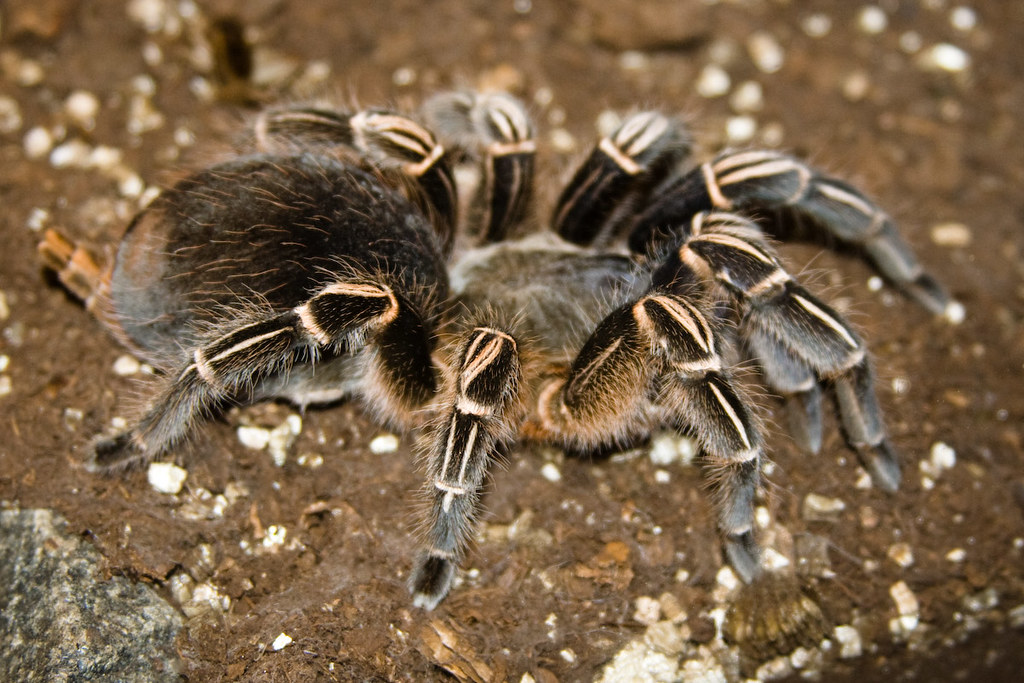
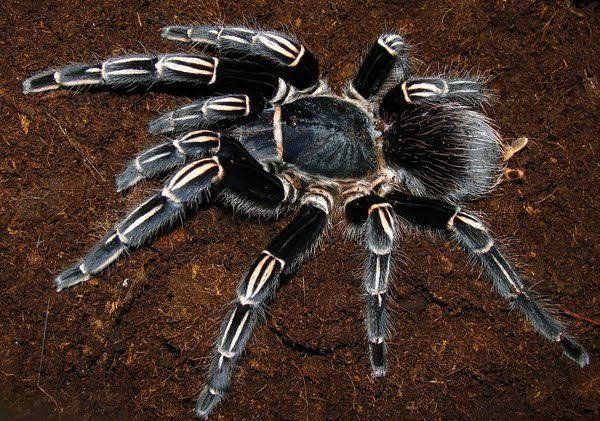
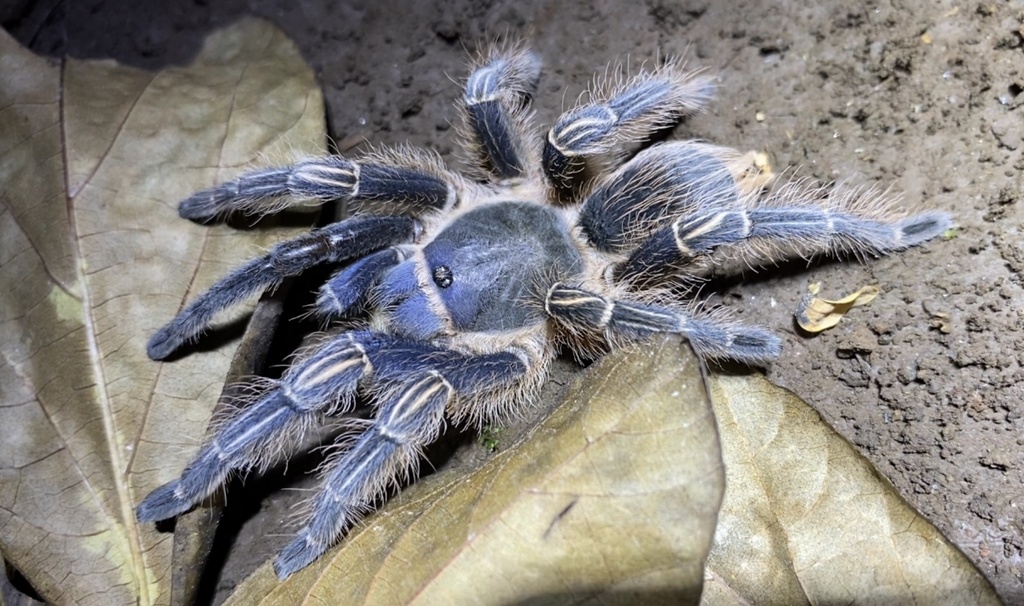
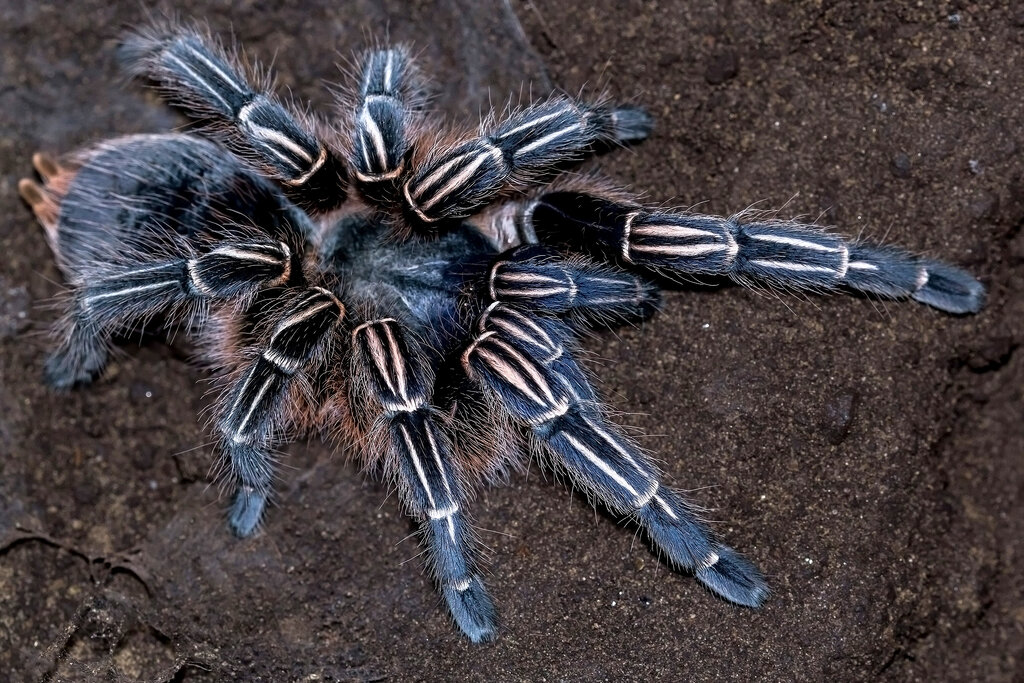
Aphonopelma seemanni is a medium to large-sized tarantula, with adult females typically reaching a leg span of 4.5 to 5.5 inches (11.4 to 14 cm). Its most striking and identifiable feature is the bold pattern of black (or dark brown) and cream-white (or light tan) stripes running longitudinally down its legs, particularly visible on the femurs and patellae. This “zebra” pattern gives the species its common name.
The carapace (the hard upper shell of the cephalothorax) is typically dark brown or black, sometimes with a metallic sheen. The opisthosoma (abdomen) is generally dark, covered with a mix of short black and longer, often reddish-brown, urticating hairs. While the classic “zebra” pattern is most prominent, some regional variations in coloration and stripe intensity can occur. Males are typically more slender and lankier than females, but they retain the characteristic striped leg pattern.
Distribution and Habitat: Across Central American Drylands:
Aphonopelma seemanni is widely distributed across Central America, particularly in Costa Rica (where it is most commonly associated), Nicaragua, Honduras, and parts of Guatemala. Its natural habitat consists of dry forests, scrublands, grasslands, and agricultural areas. These tarantulas are primarily terrestrial, constructing deep, intricate, silk-lined burrows in the ground. These burrows provide essential shelter from the harsh dry season, extreme temperatures, and predators, also serving as ambush points for prey. Its presence is indicative of drier, often seasonally arid, ecosystems within its range.
Lifestyle and Behavior: Docile Diggers with Defensive Hairs:
The Costa Rican Zebra Tarantula is highly regarded for its generally docile temperament, making it one of the most popular and recommended species for beginner tarantula keepers. They spend a significant amount of time within their burrows, especially during the day, emerging primarily at night to hunt.
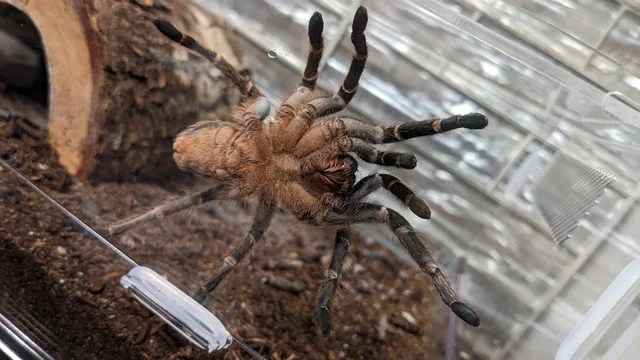
As a New World species, their primary defense mechanism when disturbed is to flick urticating hairs from their abdomen. These irritating bristles can cause a rash, itching, and discomfort if they contact skin or mucous membranes (eyes, nose, mouth), effectively deterring potential predators. While typically calm and slow-moving, they can exhibit a defensive posture (rearing up with front legs raised) if severely provoked, but bites are exceedingly rare and their venom is considered mild, causing only localized discomfort to healthy humans. Their burrowing instincts are strong, and they will readily dig complex tunnels if provided with ample substrate.
Life Cycle: Slow and Steady Growth to Long-Lived Adults:
The life cycle of Aphonopelma seemanni is characterized by relatively slow growth and impressive longevity for females, typical of many Aphonopelma species.
- Egg & Spiderlings: Females produce an egg sac, which they diligently guard within the safety of their deep burrow. After a period of incubation, numerous small spiderlings emerge.
- Juvenile Growth: Spiderlings and juveniles exhibit slow growth rates, taking several years to reach maturity. They undergo successive molts (shedding their exoskeleton) as they gradually increase in size and solidify their distinct striped patterns.
- Adult: Females are exceptionally long-lived, with lifespans often ranging from 20 to 30 years or even longer in captivity, making them a very long-term companion. Males, once they reach sexual maturity (typically 5-8 years), have a significantly shorter adult lifespan, usually only a few months to a couple of years, during which their sole purpose is to find a mate. Mature males will embark on persistent wandering expeditions in search of receptive females.
Ecological Role:
In their native Central American ecosystems, Aphonopelma seemanni plays a vital role as a terrestrial invertebrate predator. They help regulate populations of various ground-dwelling insects and other small arthropods, contributing to the natural balance of their arid and semi-arid environments. Their extensive burrowing activities also contribute to soil aeration and influence the microhabitat conditions beneath the surface.
Conservation Status and Threats: Generally Secure, but Habitat Vulnerable:
Aphonopelma seemanni is currently considered a common and widespread species throughout much of its range and is generally not facing significant conservation threats on global lists. Its adaptability to various drier habitats contributes to its resilience. However, like many species, localized populations can face pressures from:
- Habitat Loss and Fragmentation: Due to agricultural expansion, urbanization, and infrastructure development, particularly in drier regions.
- Pesticide Use: Widespread use of insecticides in agricultural areas can directly impact tarantula populations and their prey.
- Illegal Collection: While widely bred in captivity, demand can sometimes lead to unregulated wild collection, which could impact local populations if not managed sustainably.
Supporting captive breeding efforts helps to ensure the species’ availability in the hobby without impacting wild populations.
A Striped Sentinel of the Drylands: The Enduring Allure of Aphonopelma seemanni
The Costa Rican Zebra Tarantula, Aphonopelma seemanni, with its iconic striped legs, docile yet robust nature, and remarkable female longevity, stands as a captivating ambassador for the tarantula world. This fascinating arachnid, a common sight in its natural Central American home, offers a compelling glimpse into the silent, intricate lives that thrive beneath the surface of arid landscapes, reminding us of the enduring beauty and ecological importance of even the most subtle creatures in our natural world.



Leave a comment