Category Archives: Species Spotlight

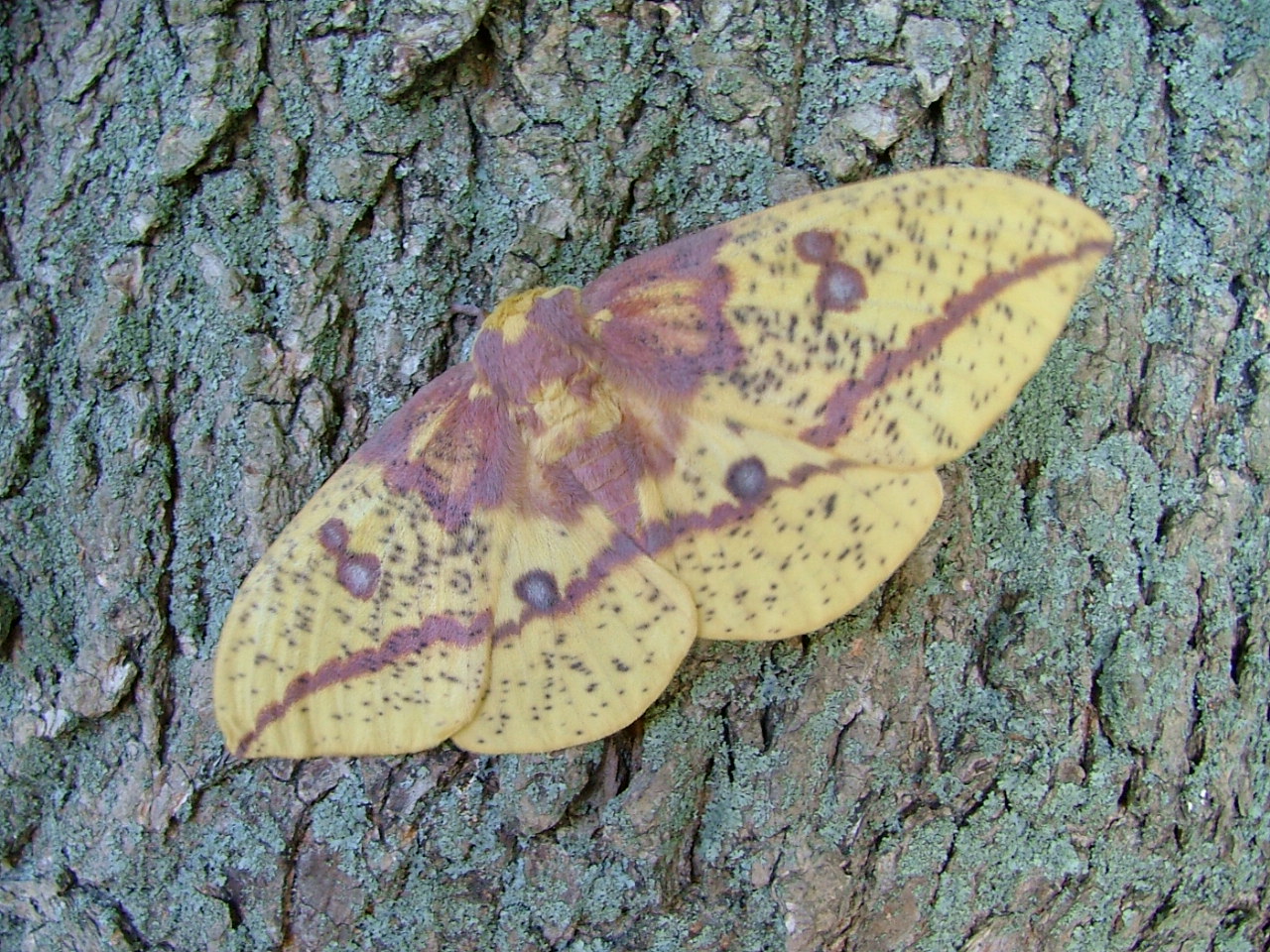
The Imperial Moth: A Majestic Presence of the Eastern Forests

Drifting through the warm summer nights of eastern North America, the imperial moth, scientifically known as Eacles imperialis, commands attention with its impressive size and regal coloration. This magnificent member of the Saturniidae family, one of our largest silk moths, showcases a stunning tapestry of yellow ochre adorned with patterns of pink, red, and sometimes purple, truly living up to its majestic name.

Continue reading The Imperial Moth: A Majestic Presence of the Eastern Forests
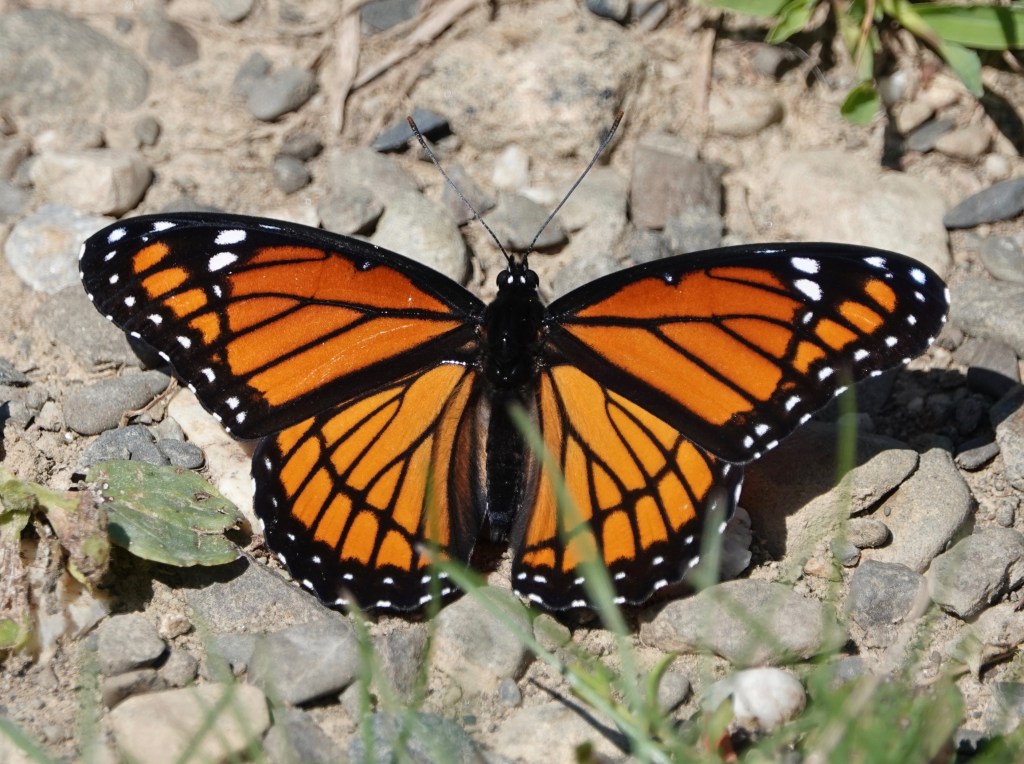
The Great Imposter: Unmasking the Viceroy Butterfly

Fluttering through open woodlands, fields, and along roadsides across much of North America is the viceroy butterfly, scientifically known as Limenitis archippus. While often mistaken for its toxic look-alike, the monarch, the viceroy possesses its own fascinating characteristics, including a remarkable evolutionary adaptation for survival: Batesian mimicry. This striking butterfly offers a compelling example of nature’s ingenuity in the face of predation.  

Continue reading The Great Imposter: Unmasking the Viceroy Butterfly

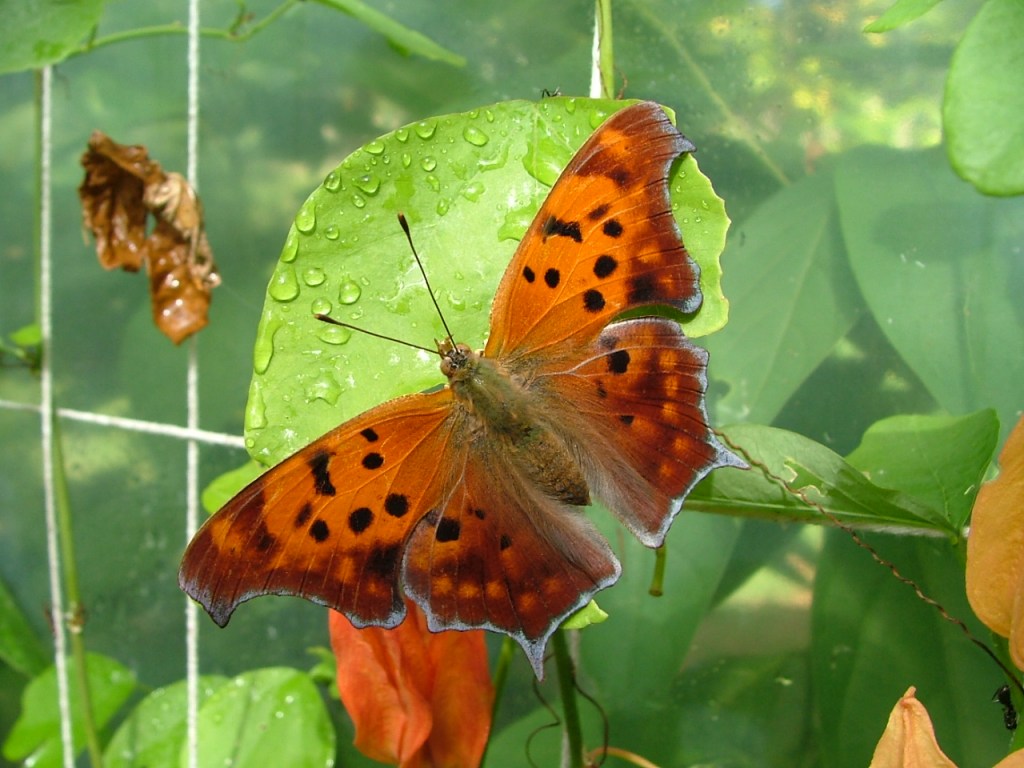
The Enigmatic Question Mark: Unraveling the Secrets of Polygonia interrogationis

Dancing through sun-dappled woodlands and urban gardens across eastern North America flits a butterfly of curious markings and intriguing habits – the question mark, scientifically known as Polygonia interrogationis. Its scalloped wing edges and the distinctive silver mark on its hindwing, resembling its namesake punctuation, make it a readily identifiable and endlessly fascinating member of the brush-footed butterfly family.  

Continue reading The Enigmatic Question Mark: Unraveling the Secrets of Polygonia interrogationis

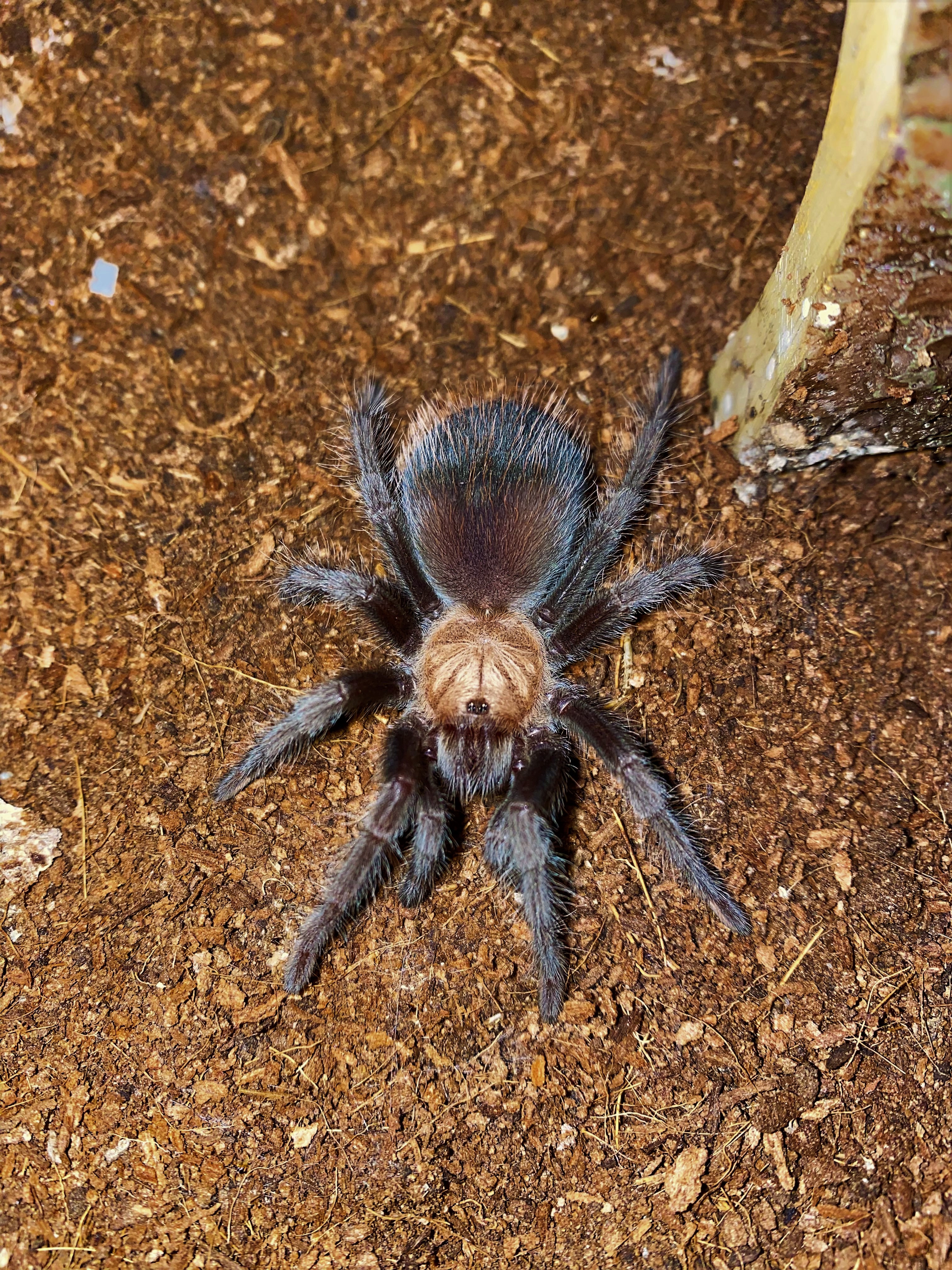
SPECIES SPOTLIGHT: Brachypelma albiceps, the Mexican Golden Red Rump

I may have mentioned it before; Brachypelma is my favorite genus of tarantulas. They have everything going for them. They are long-lived, have amazing colors and for the most part, don’t have an aggressive bone in their body. Brachypelma albiceps is also one of my favorites, as it seems to be the odd man out when it comes to coloration.

Juvenile just starting to show adult colors.
Continue reading SPECIES SPOTLIGHT: Brachypelma albiceps, the Mexican Golden Red Rump

SPECIES SPOTLIGHT: Chromatopelma cyaneopubescens, the Green-Bottle Blue

I love that when I discuss tarantulas with people who do not keep them, how amazed they are that some species are actually beautiful. In my experience, the majority of the people that I talk to think tarantulas are big, brown, hairy spiders. I am guessing that they think of Goliath bird-eaters as what all tarantulas look like. How wrong they can be.

Continue reading SPECIES SPOTLIGHT: Chromatopelma cyaneopubescens, the Green-Bottle Blue

SPECIES SPOTLIGHT: Acanthoscurria geniculata, the Giant White Knee

When it comes to collecting tarantulas, each person has their own preferences. For me, I prefer New World species over Old World (see my blog Old World Vs. New World Tarantulas). For this species spotlight I am here to discuss Acanthoscurria geniculata, the Giant White Knee, a bird-eating tarantulas from Brazil.

Continue reading SPECIES SPOTLIGHT: Acanthoscurria geniculata, the Giant White Knee

SPECIES SPOTLIGHT: Argema mittrei, the Madagascan Comet Moth

IMG_0042
The first time I ever saw this gorgeous species alive!

Though butterflies were my thing growing up, once I was exposed to the giant silk moths I fell in love. Living in Rhode Island, we have Hyalophora cecropia, Actias luna, Antheraea polyphemus, Callosamia promethea and Automeris io. Though these species are spectacular it wasn’t until I became exposed to the tropical species where the wow factor really started.

Continue reading SPECIES SPOTLIGHT: Argema mittrei, the Madagascan Comet Moth

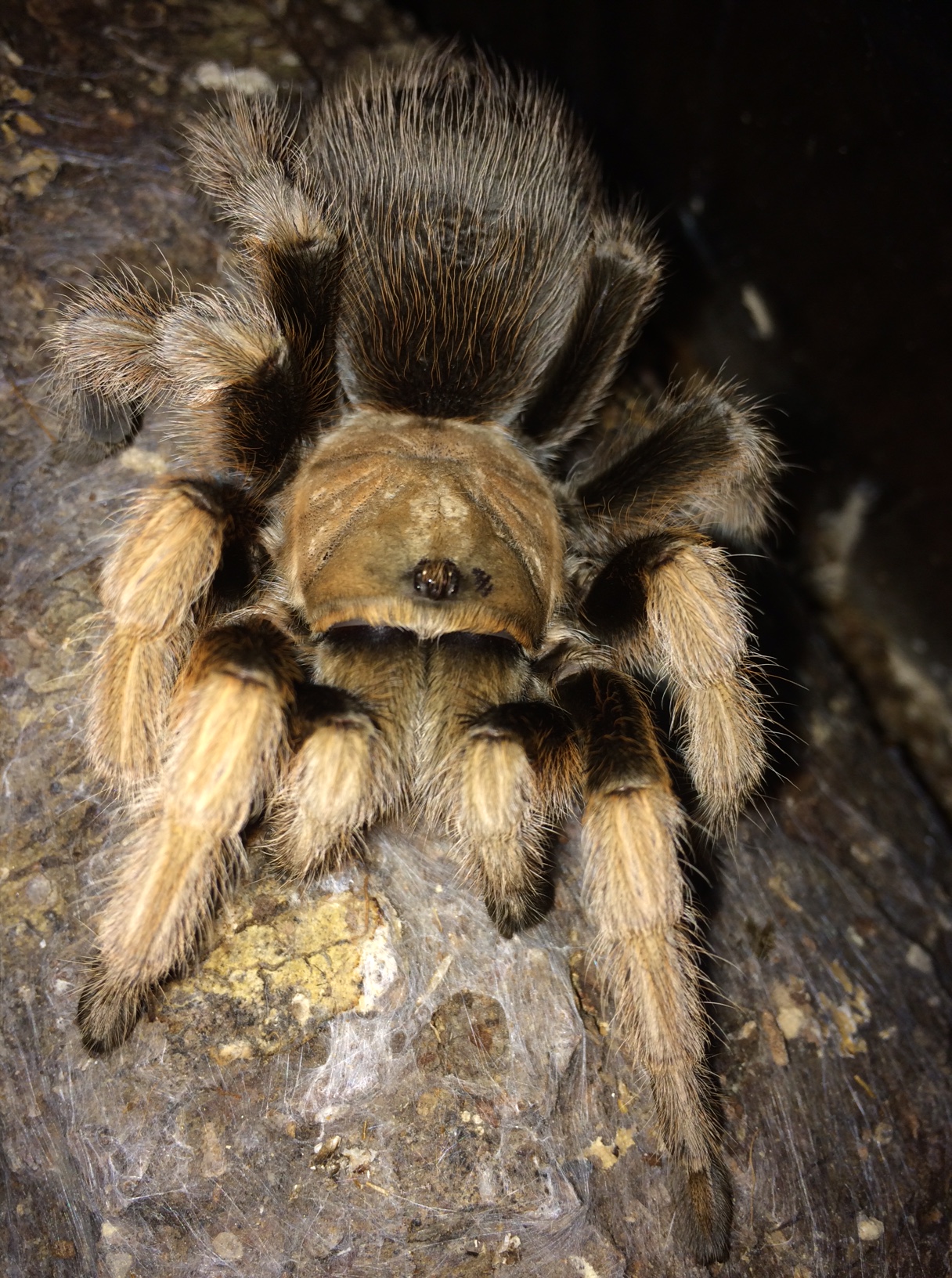
SPECIES SPOTLIGHT: Aphonopelma chalcodes, the Arizona Blonde

IMG_1715

In the past, when it comes to tarantulas, I have always said that the genus Brachypelma is my favorite. My second favorite is the genus Aphonopelma, which is made up of over 90 species, most of which are from the United States. They have a similar size to Brachypelmas but tend to be stockier in build and for the most part, have the same disposition and life expectancy. They are also very easy to care for.

Continue reading SPECIES SPOTLIGHT: Aphonopelma chalcodes, the Arizona Blonde