All posts by David Albaugh

BOOK REVIEW: “Butterflies and Moths: A Guide to the More Common American Species”

Some classics just never go out of style. Such is the case for the book “Butterflies and Moths: A Guide to the More Common American Species” by Robert T. Mitchell and Herbert S. Zim. Most field guides eventually go out of print and become unavailable over time as their information becomes outdated and new guides are produced. To my knowledge, this book has been in continuous print since it originally came out in 1964.

SCAN0001The original library hardcover version of this classic book!

Continue reading BOOK REVIEW: “Butterflies and Moths: A Guide to the More Common American Species”
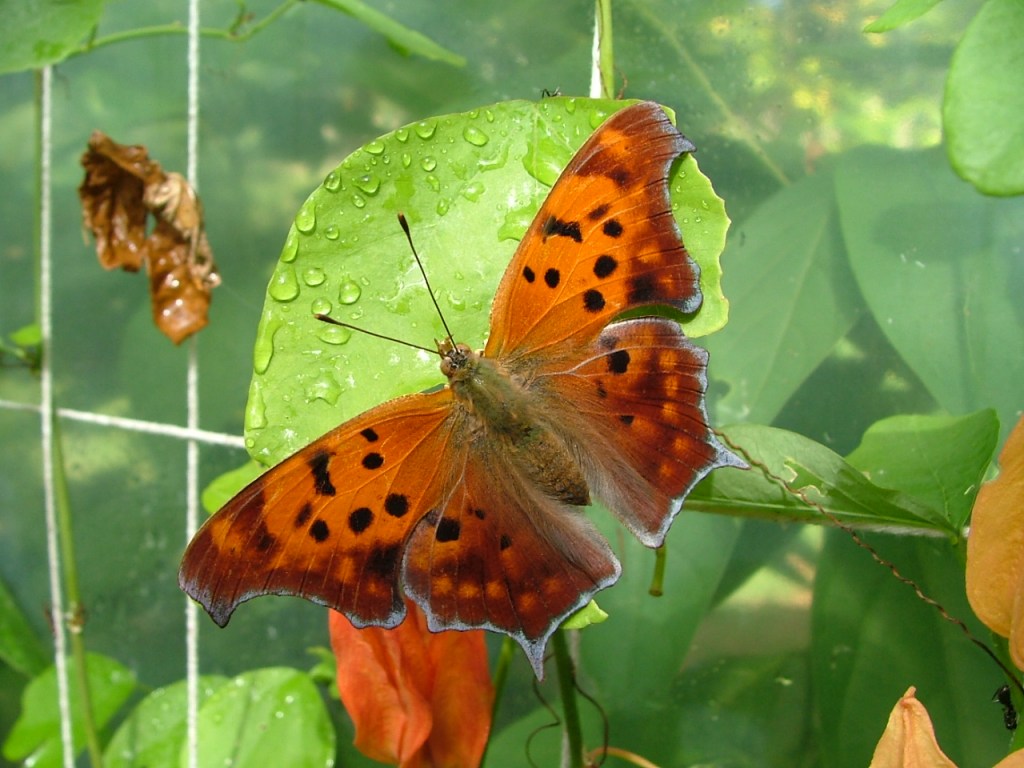
The Enigmatic Question Mark: Unraveling the Secrets of Polygonia interrogationis

Dancing through sun-dappled woodlands and urban gardens across eastern North America flits a butterfly of curious markings and intriguing habits – the question mark, scientifically known as Polygonia interrogationis. Its scalloped wing edges and the distinctive silver mark on its hindwing, resembling its namesake punctuation, make it a readily identifiable and endlessly fascinating member of the brush-footed butterfly family.  

Continue reading The Enigmatic Question Mark: Unraveling the Secrets of Polygonia interrogationis

The Rosy Maple Moth: A Vision in Pink and Yellow

Gracing the deciduous forests of eastern North America with its whimsical charm is the rosy maple moth, scientifically known as Dryocampa rubicunda. This small to medium-sized silk moth is instantly recognizable for its delightful coloration, a vibrant blend of rosy pink and sunny yellow that seems almost too charming to be real. Its fuzzy body and delicate wings make it a captivating and beloved member of the moth world.  

Continue reading The Rosy Maple Moth: A Vision in Pink and Yellow

LARVAL FOODPLANTS OF SATURNIID MOTHS OF THE EASTERN UNITED STATES

Raising Lepidoptera has been a hobby that I have enjoyed ever since I was a kid. Though raising butterflies has always been fun, it is raising the giant silkmoths, family Saturniidae, that has been my favorite aspect of rearing. Thankfully I live in an area that includes a great representation of these amazing moths, even though their wild populations do seem to be dwindling with each passing year. What I present to you is a list of the most commonly used caterpillar foodplants for these moths representing nine species. This list is in no way meant to be complete and only through experimentation can new plants be added to this ever-growing list.

Continue reading LARVAL FOODPLANTS OF SATURNIID MOTHS OF THE EASTERN UNITED STATES

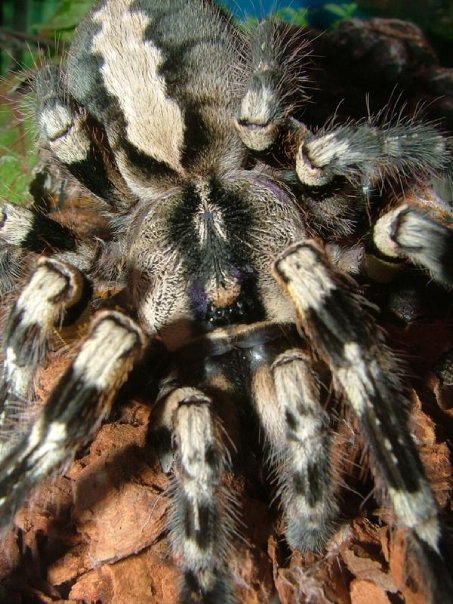
The Majestic Ornamental: Unveiling the Beauty and Mystery of Poecilotheria regalis

From the shadowy depths of the tropical deciduous forests of India emerges a spider of breathtaking beauty and captivating allure – the Indian ornamental tarantula, scientifically known as Poecilotheria regalis. Revered by arachnid enthusiasts for its intricate patterns, impressive size, and arboreal lifestyle, this species embodies both the elegance and the enigmatic nature of the spider world.  

Continue reading The Majestic Ornamental: Unveiling the Beauty and Mystery of Poecilotheria regalis

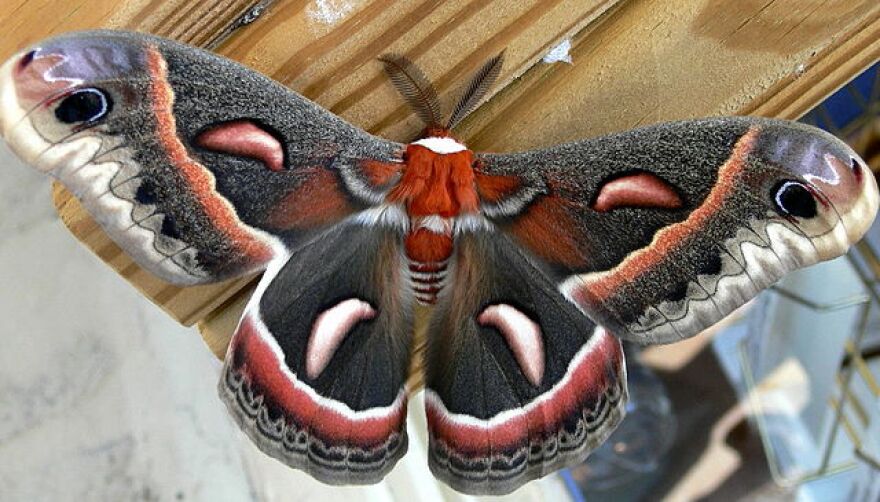
Hyalophora cecropia: A Giant Among Silk Moths

The Cecropia moth (Hyalophora cecropia) stands as one of the largest moths found in North America, easily recognized by its impressive size, striking coloration, and intricate wing patterns. Belonging to the Saturniidae family, the giant silk moths, it has captivated naturalists and enthusiasts for centuries with its beauty and life cycle.  

Continue reading Hyalophora cecropia: A Giant Among Silk Moths

Fluttering Fantastic: A Butterfly Book That Takes Flight

The “Kaufman Field Guide to Butterflies of North America” by Jim P. Brock and Kenn Kaufman is, in my opinion, a truly exceptional resource and a must-have for anyone with a casual interest in butterflies or a serious passion for lepidopterology. This guide stands out in a crowded field for several reasons, combining scientific rigor with a user-friendly approach that makes butterfly identification accessible and enjoyable for beginners and experts alike.

Continue reading Fluttering Fantastic: A Butterfly Book That Takes Flight

The Hercules Moth: A Moth of Mythic Proportions

Coscinocera hercules, commonly known as the Hercules moth, is a truly remarkable insect. It belongs to the family Saturniidae, a group recognized for containing some of the largest moths in the world. The Hercules moth certainly exemplifies this characteristic, standing out as a giant among its kind. This retrospective will explore various facets of this fascinating species in detail.

Continue reading The Hercules Moth: A Moth of Mythic Proportions

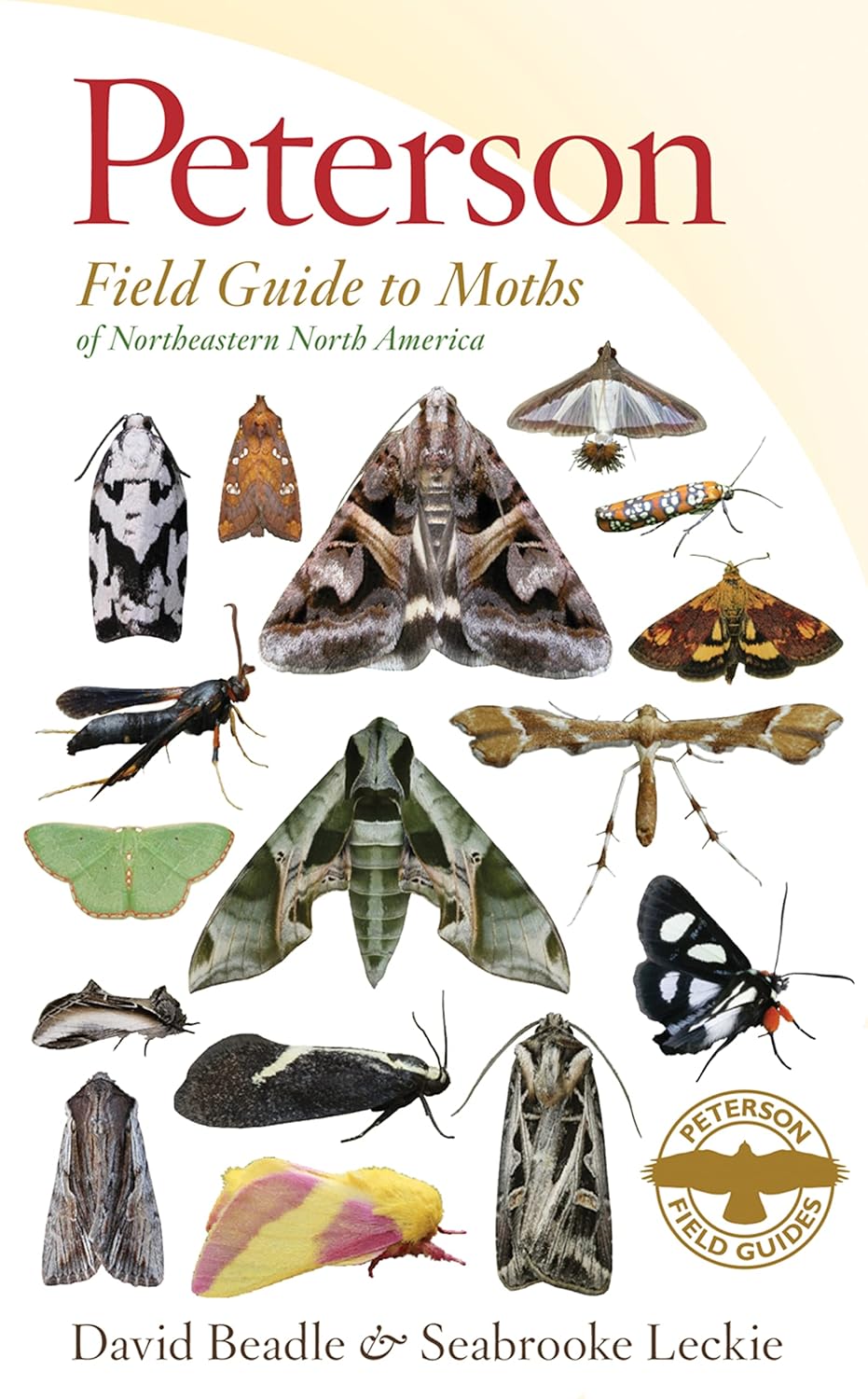
A Moth Enthusiast’s Must-Have: The Peterson Field Guide

The Peterson Field Guide to Moths of Northeastern North America by David Beadle and Seabrooke Leckie is a truly exceptional resource, and a must-have for anyone with an interest in the often-overlooked world of moths. This guide stands out not only for its comprehensive coverage but also for its user-friendly design and stunning visuals.

Continue reading A Moth Enthusiast’s Must-Have: The Peterson Field Guide

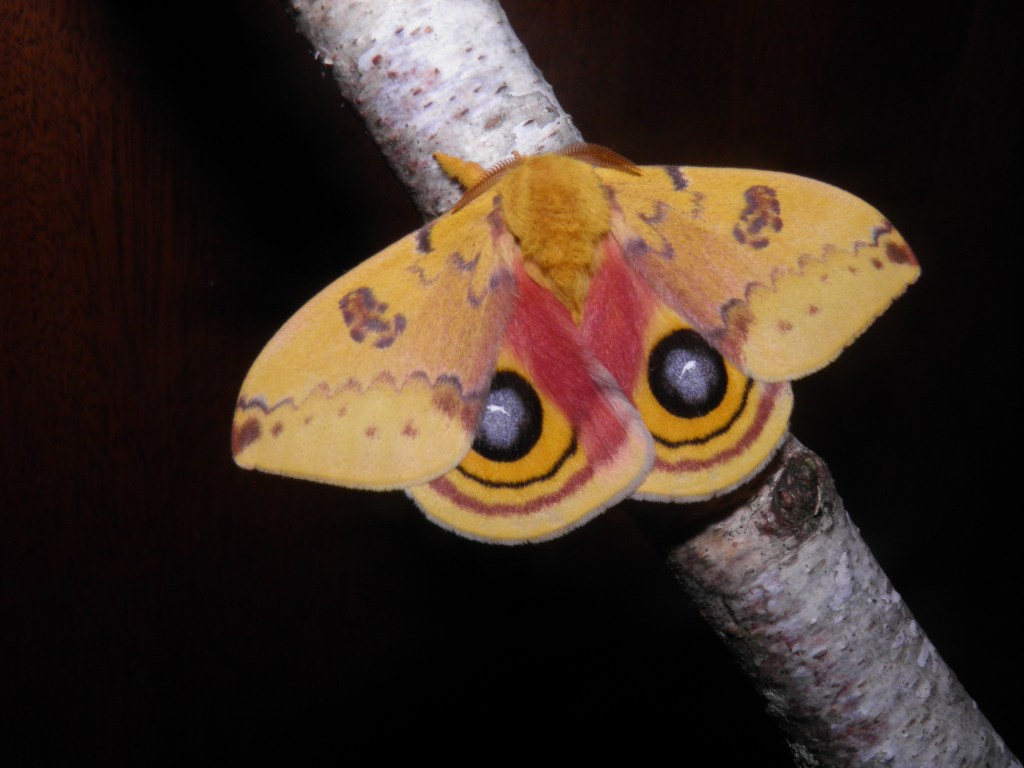
The Striking Beauty and Hidden Defenses of the Io Moth: Automeris io

Automeris io, commonly known as the Io moth, is a visually arresting member of the Saturniidae family, celebrated for the dramatic, owl-like eyespots on its hindwings. This widespread North American silk moth exhibits a fascinating life cycle and employs a unique defense mechanism in its larval stage.  

Continue reading The Striking Beauty and Hidden Defenses of the Io Moth: Automeris io