
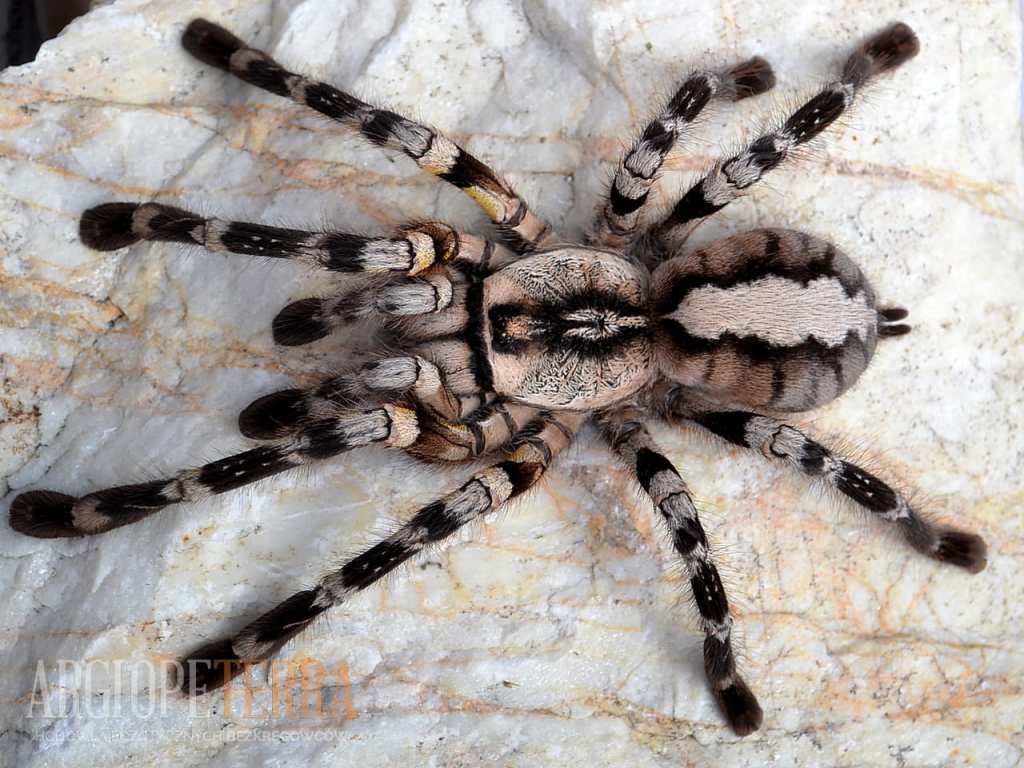
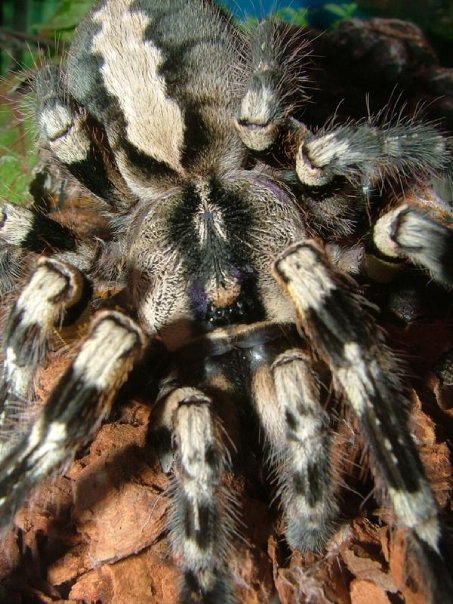
From the shadowy depths of the tropical deciduous forests of India emerges a spider of breathtaking beauty and captivating allure – the Indian ornamental tarantula, scientifically known as Poecilotheria regalis. Revered by arachnid enthusiasts for its intricate patterns, impressive size, and arboreal lifestyle, this species embodies both the elegance and the enigmatic nature of the spider world.
A Tapestry of Color and Form:
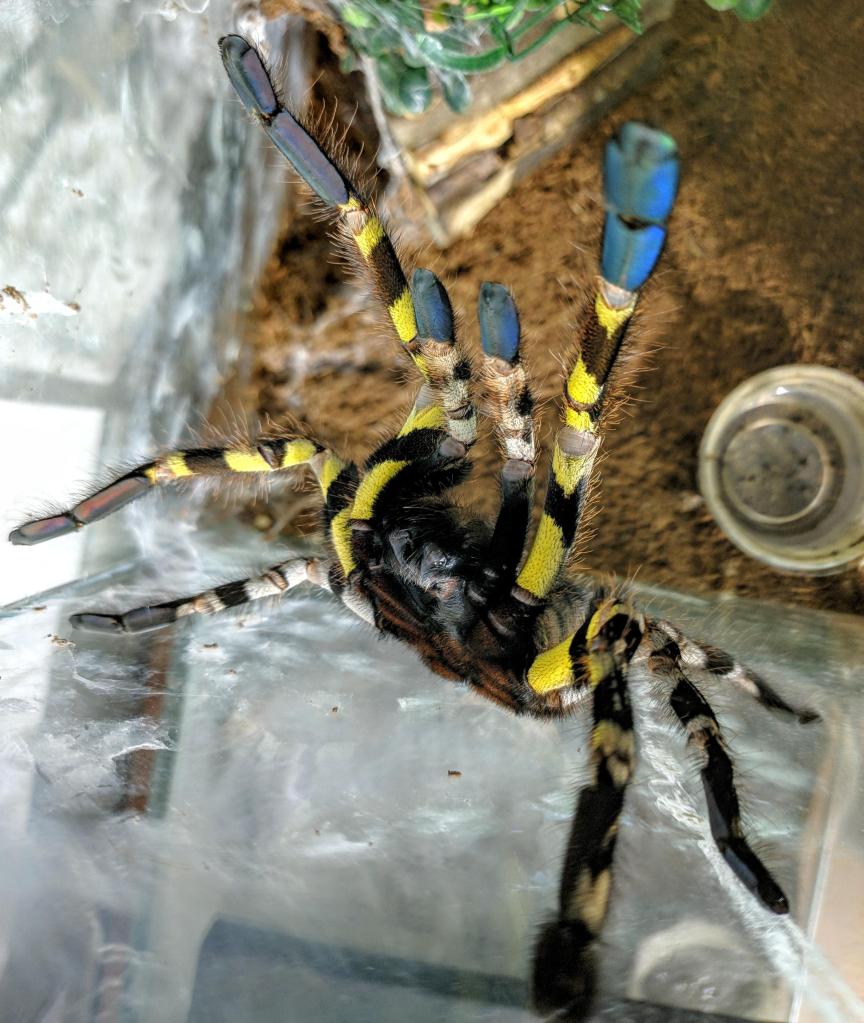
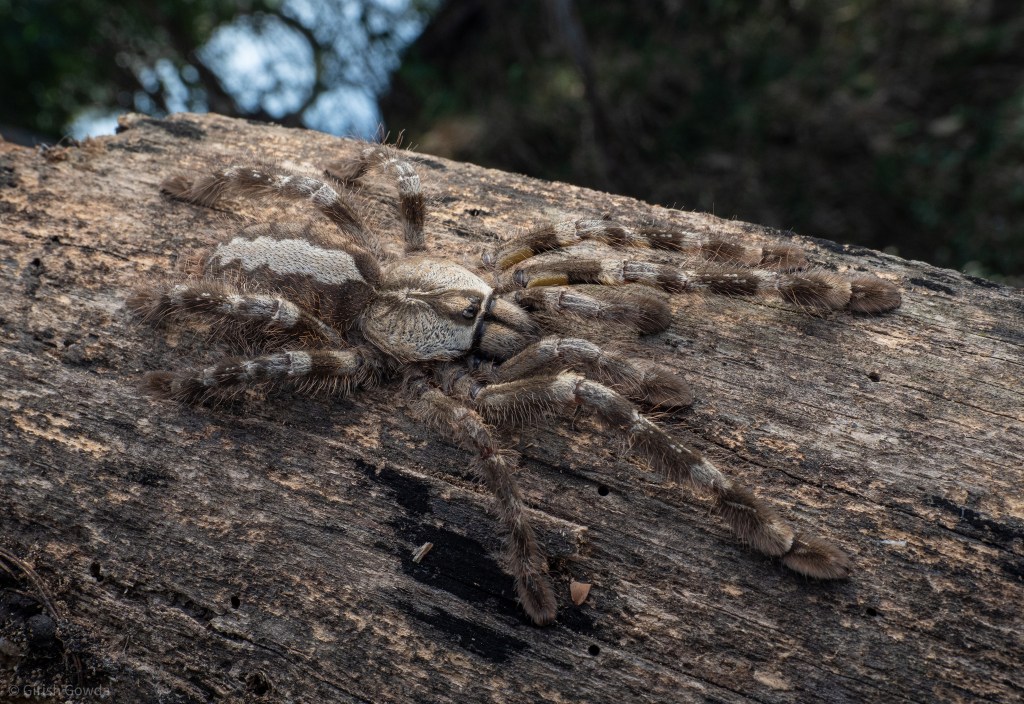
Poecilotheria regalis is a visually stunning tarantula, showcasing a remarkable display of contrasting colors and intricate markings. Its velvety black base coloration is dramatically accented by striking white or pale yellow bands that adorn its legs in a distinctive pattern. These bands, often described as “ornamental,” give the genus its common name and contribute significantly to the spider’s aesthetic appeal.
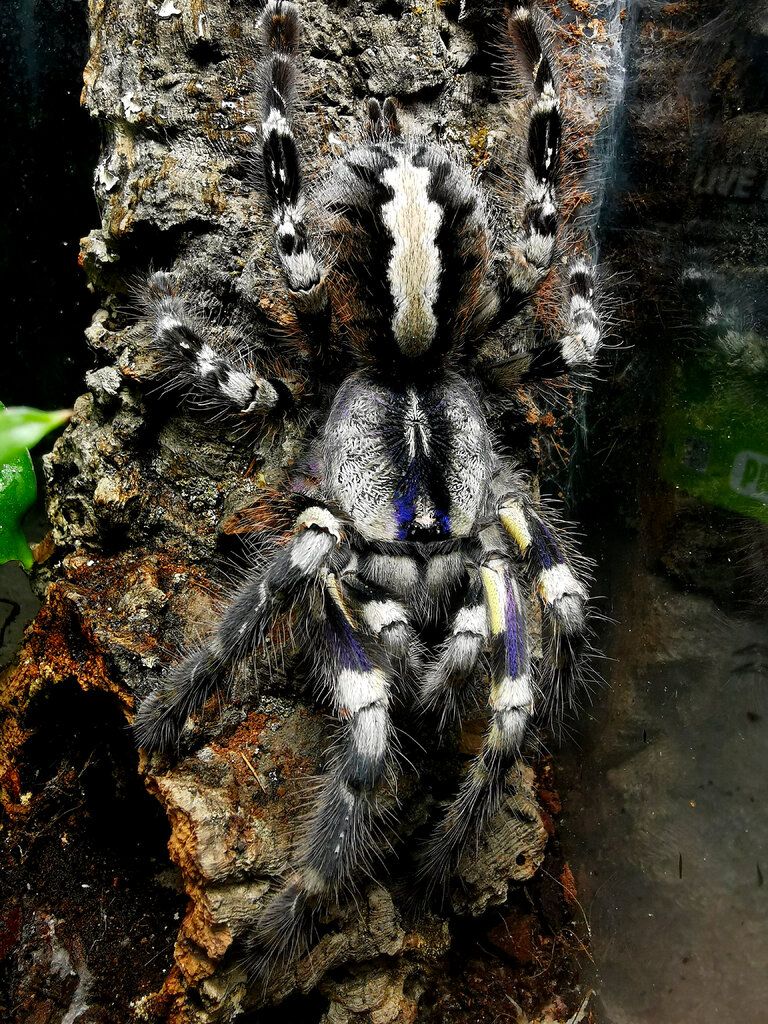
The carapace, the hard covering of the cephalothorax, typically exhibits a starburst pattern of lighter markings radiating from the fovea (a central groove). The abdomen, while generally darker, may also display subtle patterns and hairs. Females tend to be larger and more robust than males, with the latter often possessing longer legs and a more slender build in their mature form. With leg spans that can reach up to 8 inches (20 cm), Poecilotheria regalis commands attention with its impressive size.
Distribution and Habitat: A Denizen of the Trees:
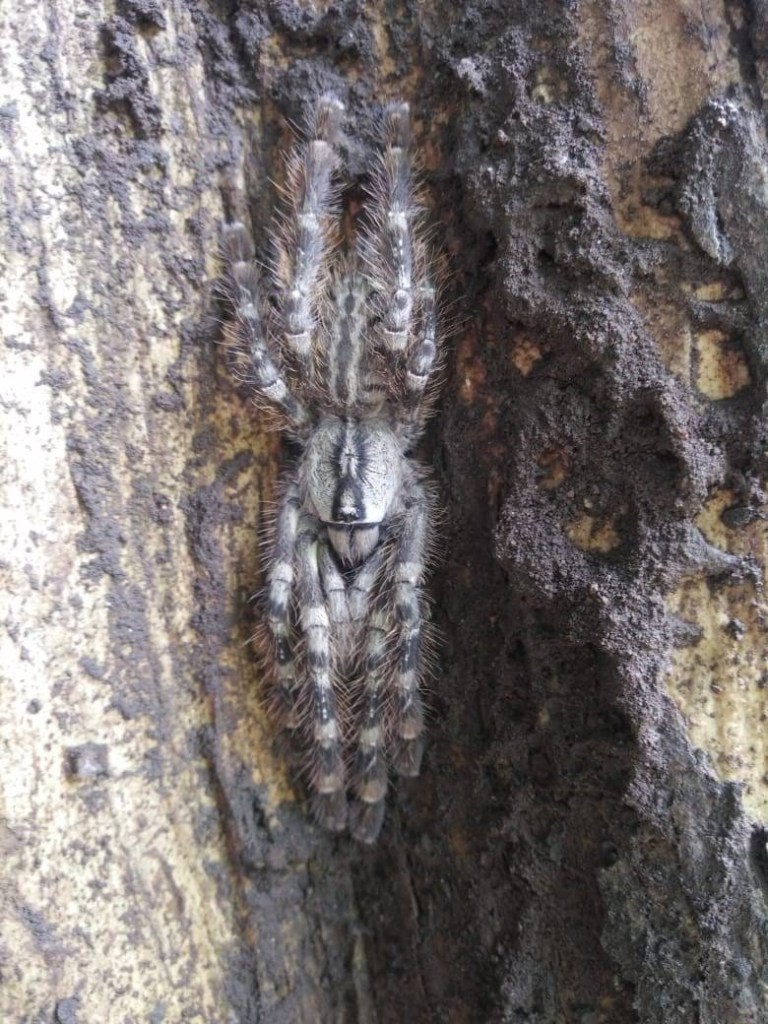
As its common name suggests, Poecilotheria regalis is native to India, specifically found in the southeastern regions, including parts of Andhra Pradesh, Telangana, and Tamil Nadu. This species is arboreal, meaning it is adapted for life in the trees. It typically inhabits tree hollows, crevices in bark, and amongst dense foliage, constructing intricate silken retreats for shelter and ambush predation. The warm, humid climate of its native habitat provides the ideal conditions for its survival.
Lifestyle and Behavior: Swiftness and Secrecy:
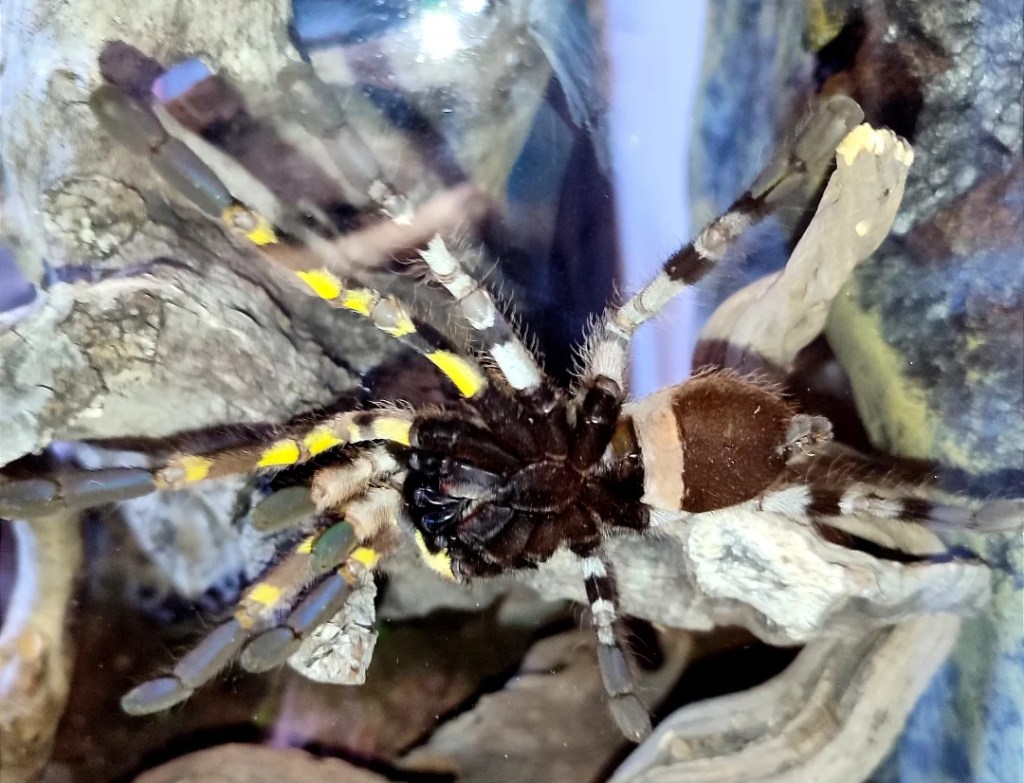
Poecilotheria regalis is known for its relatively fast movements and can be quite defensive if it feels threatened. While not inherently aggressive, it will readily retreat or, if cornered, may deliver a bite. Like all tarantulas, it possesses venom, which, while not considered medically significant to healthy adult humans, can cause localized pain, swelling, and muscle cramps. Respect and caution are paramount when observing or keeping this species.
As an ambush predator, Poecilotheria regalis relies on its speed and camouflage to capture prey. It typically waits within its silken retreat for unsuspecting insects, small vertebrates, and other invertebrates to come within striking distance. Its strong legs and potent venom ensure efficient prey capture.
Life Cycle: From Spiderling to Majestic Adult:
The life cycle of Poecilotheria regalis begins with the egg sac, which the female meticulously constructs and guards. This sac can contain hundreds of eggs. Once hatched, the tiny spiderlings disperse and begin their independent lives, undergoing several molts (shedding of their exoskeleton) as they grow larger.
Growth rates can vary depending on factors such as temperature, humidity, and food availability. Females of this species are known to have relatively long lifespans compared to many other invertebrates, potentially living for well over a decade in captivity under optimal conditions. Males, on the other hand, typically have shorter lifespans, especially after reaching sexual maturity.
Ecological Role:
In their natural habitat, Poecilotheria regalis plays a role in controlling insect populations and contributes to the overall balance of the forest ecosystem. As a predator, it helps to regulate the numbers of its prey species.
Conservation Status and Threats:
The conservation status of Poecilotheria regalis in the wild faces challenges due to habitat loss and fragmentation caused by deforestation and agricultural expansion. Collection for the pet trade can also pose a threat to wild populations if not managed sustainably. Understanding the ecological needs of this species and implementing conservation measures to protect its natural habitat are crucial for its long-term survival.
A Captivating Subject for Enthusiasts:
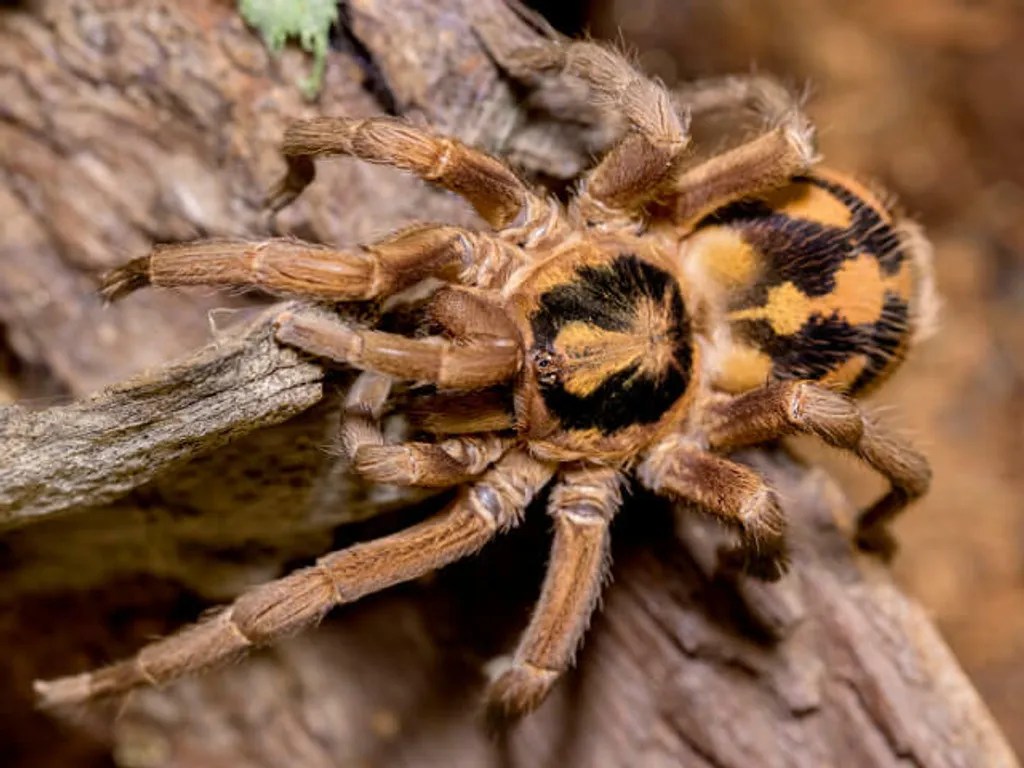
The beauty and intriguing behavior of Poecilotheria regalis have made it a highly sought-after species in the exotic pet trade. However, responsible ownership is essential. Providing appropriate housing that mimics their natural arboreal environment, maintaining proper temperature and humidity, and ensuring a suitable diet are crucial for the well-being of these magnificent creatures in captivity.
A Jewel of the Indian Forests:
Poecilotheria regalis stands as a testament to the incredible biodiversity found within the tropical forests of India. Its striking appearance, arboreal adaptations, and secretive nature make it a fascinating subject of study and admiration. As we continue to learn more about this majestic ornamental, it is imperative that we prioritize its conservation and ensure that future generations can marvel at the intricate beauty of this jewel of the forest canopy.



Leave a comment