All posts by David Albaugh

Beyond the Net: A Butterfly Guide

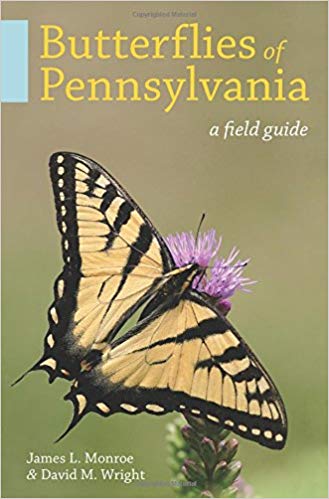
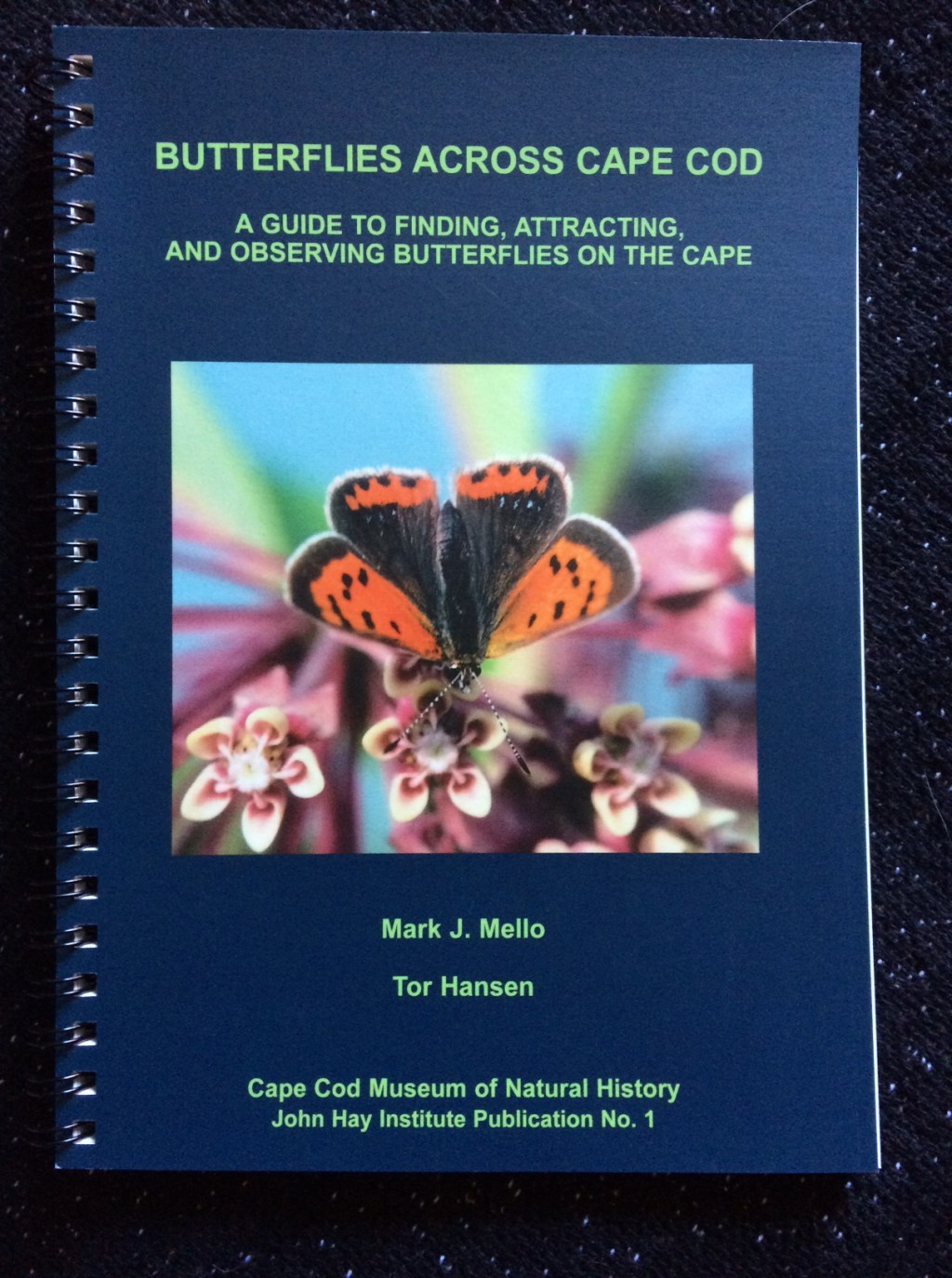
Jeffrey Glassberg’s “Butterflies through Binoculars: The East” is a highly acclaimed field guide that has become a staple for butterfly enthusiasts in eastern North America. Published in 1999, this book revolutionized butterfly identification, emphasizing the use of binoculars for observation and extensively using photographs of living butterflies. Here’s a detailed review:

Continue reading Beyond the Net: A Butterfly Guide

“The Tarantula Keeper’s Log Book”: The Perfect Gift for the Tarantula Enthusiast in Your Life!

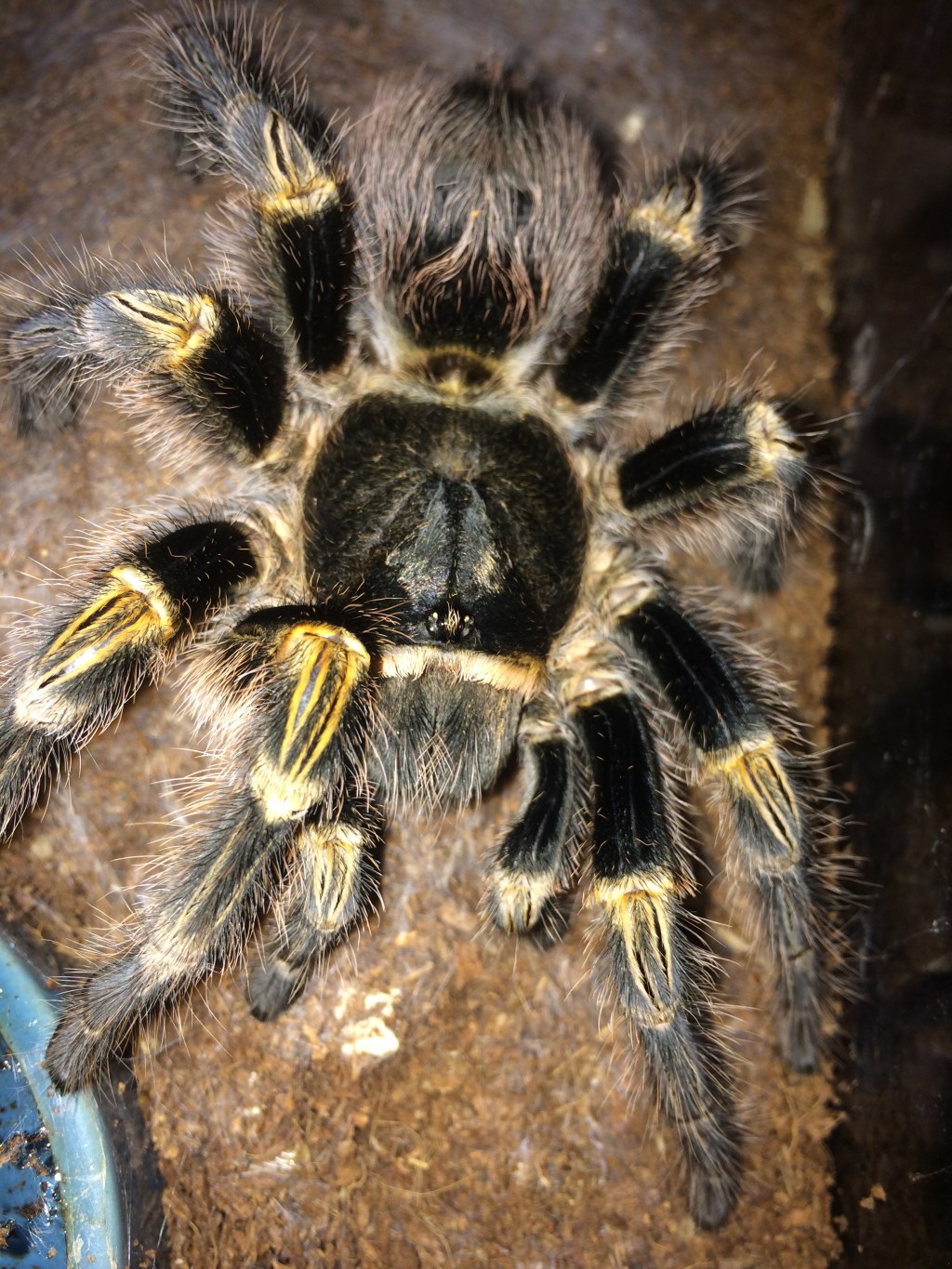
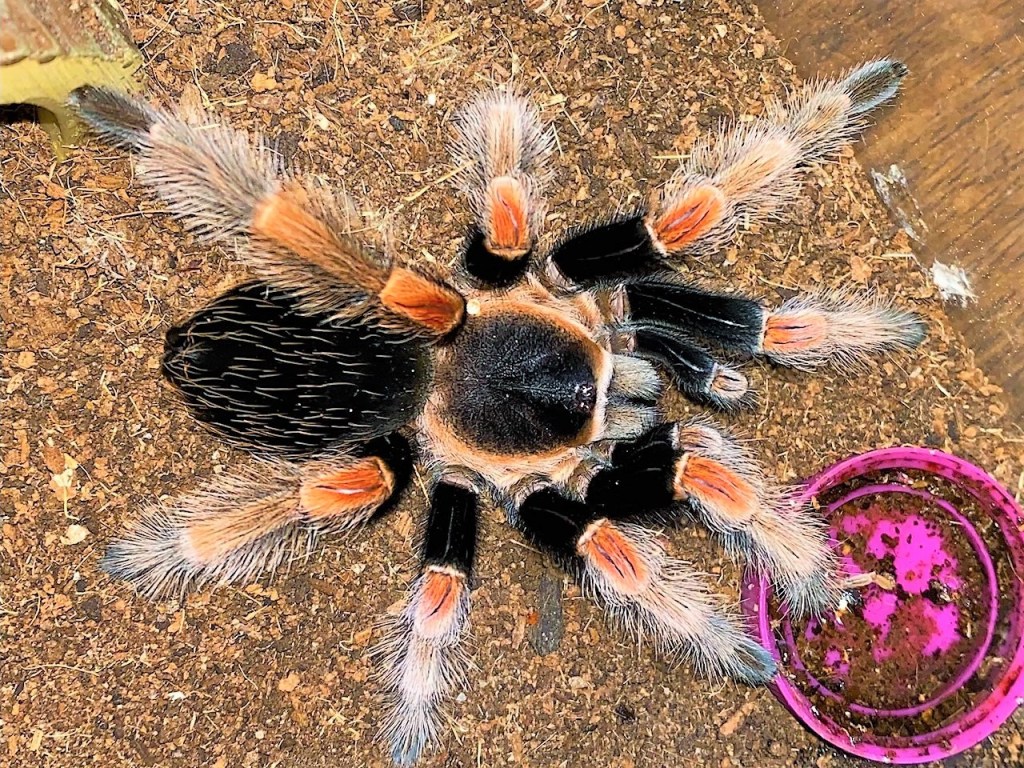
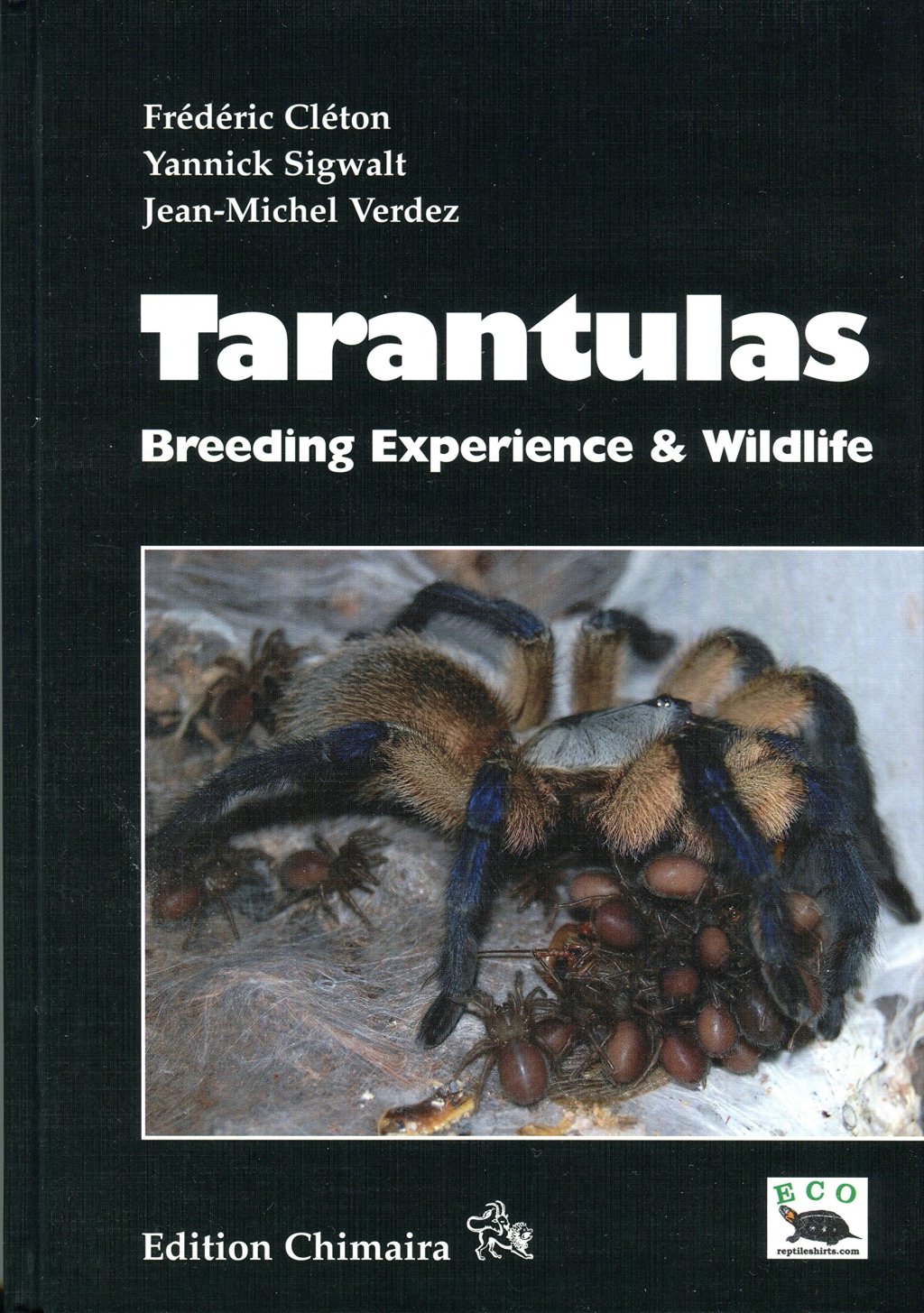
Do you have that one friend that likes tarantulas and you just don’t know what to get them for their birthday of Christmas? How about my “The Tarantula Keeper’s Log Book?” A brand-new book designed by a tarantula keeper for tarantula keepers! Featuring 200 pages, this book covers 87 species of the most-commonly kept types of tarantulas with plenty of room to keep track of your feeding regimen, molting records, rehousing dates and even breeding records. The book is spiral bound so keeping it open flat is a breeze as you work with your eight-legged kids. The book is in full color featuring a beautifully painted cover by artist Laura Airey Le. Each species also features a full color photo featuring images by top photographers such as Rick C. West and Danny de Bruyne. This is definitely a book that you will use again and again!

Continue reading “The Tarantula Keeper’s Log Book”: The Perfect Gift for the Tarantula Enthusiast in Your Life!

BOOK REVIEW: “Moths And How To Rear Them” by Paul Villiard

scan0002

Original 1969 hardcover edition of this must-have book!

Few nature books remain relevant forever. As new research is conducted using modern technology, information that was taught just a few years ago can quickly become obsolete. This is particularly true for books on insects, as new discoveries are made almost daily.

When it comes to raising, or rearing, butterflies and moths, a fun hobby that all children should experience at least once in their lifetime, new and better techniques are being learned and taught and if you are hoping to be successful, these techniques should be kept up with.

Continue reading BOOK REVIEW: “Moths And How To Rear Them” by Paul Villiard

BOOK REVIEW: “Butterflies and Moths: A Guide to the More Common American Species”

Some classics just never go out of style. Such is the case for the book “Butterflies and Moths: A Guide to the More Common American Species” by Robert T. Mitchell and Herbert S. Zim. Most field guides eventually go out of print and become unavailable over time as their information becomes outdated and new guides are produced. To my knowledge, this book has been in continuous print since it originally came out in 1964.

SCAN0001The original library hardcover version of this classic book!

Continue reading BOOK REVIEW: “Butterflies and Moths: A Guide to the More Common American Species”

The Enigmatic Question Mark: Unraveling the Secrets of Polygonia interrogationis

Dancing through sun-dappled woodlands and urban gardens across eastern North America flits a butterfly of curious markings and intriguing habits – the question mark, scientifically known as Polygonia interrogationis. Its scalloped wing edges and the distinctive silver mark on its hindwing, resembling its namesake punctuation, make it a readily identifiable and endlessly fascinating member of the brush-footed butterfly family.  

Continue reading The Enigmatic Question Mark: Unraveling the Secrets of Polygonia interrogationis

The Rosy Maple Moth: A Vision in Pink and Yellow

Gracing the deciduous forests of eastern North America with its whimsical charm is the rosy maple moth, scientifically known as Dryocampa rubicunda. This small to medium-sized silk moth is instantly recognizable for its delightful coloration, a vibrant blend of rosy pink and sunny yellow that seems almost too charming to be real. Its fuzzy body and delicate wings make it a captivating and beloved member of the moth world.  

Continue reading The Rosy Maple Moth: A Vision in Pink and Yellow

LARVAL FOODPLANTS OF SATURNIID MOTHS OF THE EASTERN UNITED STATES

Raising Lepidoptera has been a hobby that I have enjoyed ever since I was a kid. Though raising butterflies has always been fun, it is raising the giant silkmoths, family Saturniidae, that has been my favorite aspect of rearing. Thankfully I live in an area that includes a great representation of these amazing moths, even though their wild populations do seem to be dwindling with each passing year. What I present to you is a list of the most commonly used caterpillar foodplants for these moths representing nine species. This list is in no way meant to be complete and only through experimentation can new plants be added to this ever-growing list.

Continue reading LARVAL FOODPLANTS OF SATURNIID MOTHS OF THE EASTERN UNITED STATES

The Majestic Ornamental: Unveiling the Beauty and Mystery of Poecilotheria regalis

From the shadowy depths of the tropical deciduous forests of India emerges a spider of breathtaking beauty and captivating allure – the Indian ornamental tarantula, scientifically known as Poecilotheria regalis. Revered by arachnid enthusiasts for its intricate patterns, impressive size, and arboreal lifestyle, this species embodies both the elegance and the enigmatic nature of the spider world.  

Continue reading The Majestic Ornamental: Unveiling the Beauty and Mystery of Poecilotheria regalis

Hyalophora cecropia: A Giant Among Silk Moths

The Cecropia moth (Hyalophora cecropia) stands as one of the largest moths found in North America, easily recognized by its impressive size, striking coloration, and intricate wing patterns. Belonging to the Saturniidae family, the giant silk moths, it has captivated naturalists and enthusiasts for centuries with its beauty and life cycle.  

Continue reading Hyalophora cecropia: A Giant Among Silk Moths

Fluttering Fantastic: A Butterfly Book That Takes Flight

The “Kaufman Field Guide to Butterflies of North America” by Jim P. Brock and Kenn Kaufman is, in my opinion, a truly exceptional resource and a must-have for anyone with a casual interest in butterflies or a serious passion for lepidopterology. This guide stands out in a crowded field for several reasons, combining scientific rigor with a user-friendly approach that makes butterfly identification accessible and enjoyable for beginners and experts alike.

Continue reading Fluttering Fantastic: A Butterfly Book That Takes Flight