2024 Moth Studies in Richmond, Rhode Island (July 17, 2024)

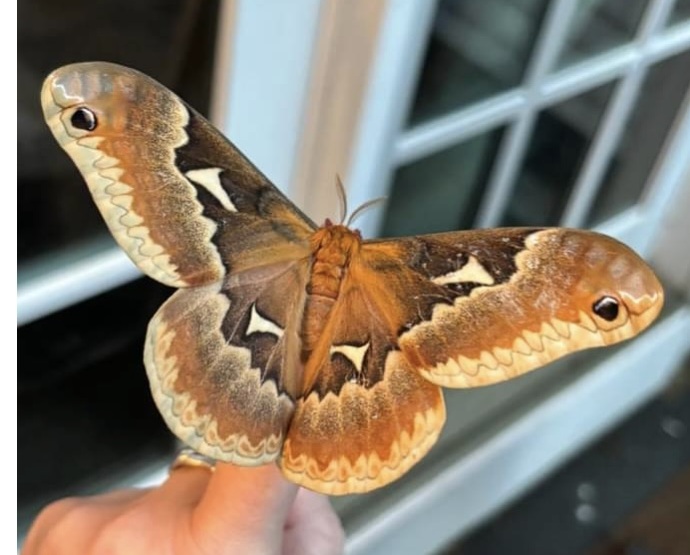
2024 continues to be an amazing year for the giant silk moths. I do not remember a time, when in July, that I was still drawing in males to scenting females. Usually at this time the moths are in their caterpillar form. As of this week I am still attracting huge numbers in both promethea and polyphemus moth males. Something else that is interesting this year is the extreme color variations in the polyphemus moths. They range anywhere from tan to orange!

Here is a great example of the male promethea moths coming in to find the female that I have on my screened in porch.

2024 Moth Studies in Richmond, Rhode Island (June 14, 2024)

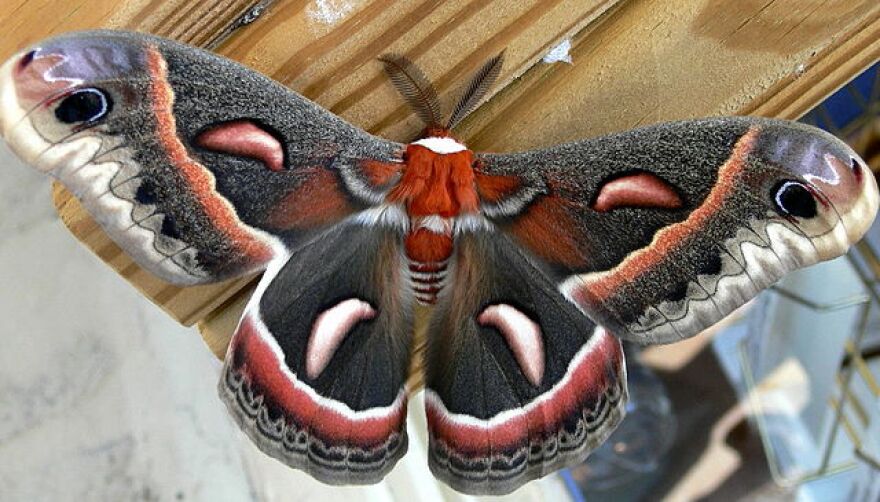
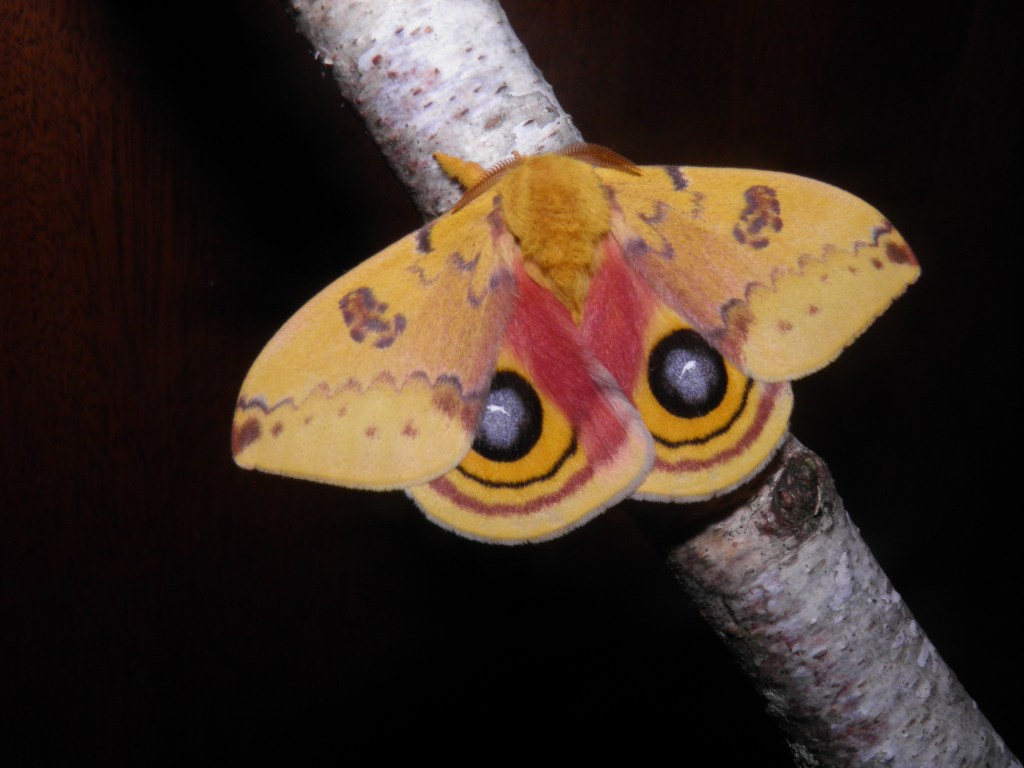
This has truly been a great year for Saturniidae moths in Richmond. It does seem that Luna moth populations are down but in the past week I have had Polyphemus, Cecropia, and Io moths come and visit. Between scenting and my moth lights, it’s been a nice surprise. Though last season was the first time I was able to attract Polyphemus moths to my yard, their populations this year seem to be strong. Though I regularly find Cecropia cocoons in this area, this spring was the first time that two males came in attracted to a female that hatched out from my collected cocoons. In addition, this is the first time I have attracted an Io moth to my lights.

Continue reading 2024 Moth Studies in Richmond, Rhode Island (June 14, 2024)

2024 Moth Studies in Richmond, Rhode Island (June 3, 2024)

It has been a slow start to the season as of this writing. It seemed that hatching moths have been delayed quite a bit than in past years. For example, in 2023 I had wild luna moths coming to my lights in mid-May. This year, the first one appeared late on June 2. This is also with the addition of my overwintering cocoons and scenting females.

Continue reading 2024 Moth Studies in Richmond, Rhode Island (June 3, 2024)

When It Comes to Giant Silk Moths, What Can You Find in Rhode Island?

When it comes to moths, there are none as spectacular as the giant silk moths, from the family Saturniidae. Despite Rhode Island being such a small state, we actually have five species common to this area. How many have you seen?

Continue reading When It Comes to Giant Silk Moths, What Can You Find in Rhode Island?

Unveiling the Enchantment: Discovering “The Little Book of Butterflies” and the Magic They Hold

Butterflies have been a significant part of my life for as long as I can remember. My fascination with them began when I was around seven and has stayed with me for fifty years. I spent hours in nature as a child, exploring and discovering new things. When I wasn’t collecting butterflies, I often read about them.

Continue reading Unveiling the Enchantment: Discovering “The Little Book of Butterflies” and the Magic They Hold

Princeton University Press’ “The Little Book of Beetles” by Arthur V. Evans

Coming this April from Princeton University Press four books in their new “Little Book” series. The first is THE LITTLE BOOK OF BEETLES by Arthur V. Evans and illustrated by Tugce Okay.

Packed with surprising facts, this delightful and gorgeously designed book will beguile any nature lover. Expertly written and beautifully illustrated throughout with color photographs and original color artwork, THE LITTLE BOOK OF BEETLES is an accessible and enjoyable mini reference about the world’s beetles, with examples drawn from across the globe. It fits an astonishing amount of information in a small package, covering a wide range of topics – from anatomy, diversity, and reproduction to habitat and conservation. It also includes curious facts and a section on beetles in myths, folklore, and modern culture from around the world. The result is an irresistible guide to the amazing lives of beetles.

Continue reading Princeton University Press’ “The Little Book of Beetles” by Arthur V. Evans

VELVET ANTS OF NORTH AMERICA by Kevin Williams, Aaron D. Pan, and Joseph S. Wilson

Velvet Ants of North America,” by Princeton University Press, is a beautiful photographic guide to the species of the wasp family Mutillidae found in the United States and Canada. Featuring hundreds of full-color photos, it covers nearly 460 species – representing more than nine percent of all velvet ant species, which number in the thousands worldwide – providing comprehensive and up-to-date coverage of this spectacular group of insects. This one-of-a-kind guide serves as an invaluable reference for naturalists, scientific researchers, museum specialists, and outdoor enthusiasts.

Continue reading VELVET ANTS OF NORTH AMERICA by Kevin Williams, Aaron D. Pan, and Joseph S. Wilson

Mysteries of Moths: Illuminating the Night’s Hidden Beauty

Moths, often regarded as the nocturnal counterparts to the more popular butterflies, have been an integral part of our planet’s history for an astounding 200 million years. Yet, their reputation is often overshadowed by misconceptions. Regrettably, when people think of moths, they frequently associate them with clothing damage, overlooking their inherent beauty.

Continue reading Mysteries of Moths: Illuminating the Night’s Hidden Beauty

Mysteries Unveiled: Embarking on Nocturnal Adventures with “Discovering Moths: Nighttime Jewels in Your Own Backyard” by Jim Himmelman

The natural world is a treasure trove of mysteries and beauty, often concealed within the folds of darkness. John Himmelman’s book, “Discovering Moths: Nighttime Jewels in Your Own Backyard, Eastern North American Species,” serves as a luminous guide to the enchanting universe of moths that grace our landscapes during the twilight hours. Published with a passion for education and the wonders of the night, this book invites readers to explore the intricate lives of these lesser-known creatures, highlighting their importance and magnificence.

Continue reading Mysteries Unveiled: Embarking on Nocturnal Adventures with “Discovering Moths: Nighttime Jewels in Your Own Backyard” by Jim Himmelman

Jaws of the Wetlands: Exploring the Fascinating World of the Venus Flytrap Plant

The Venus Flytrap plant, or Dionaea muscipula, is a unique and fascinating species that has captured the attention of people around the world. Known for its carnivorous diet and specialized traps, the Venus Flytrap is a popular topic of study for botanists and nature enthusiasts alike. It is native to the wetlands of North and South Carolina in the United States and thrives in acidic, nutrient-poor soils.

Continue reading Jaws of the Wetlands: Exploring the Fascinating World of the Venus Flytrap Plant