All posts by David Albaugh

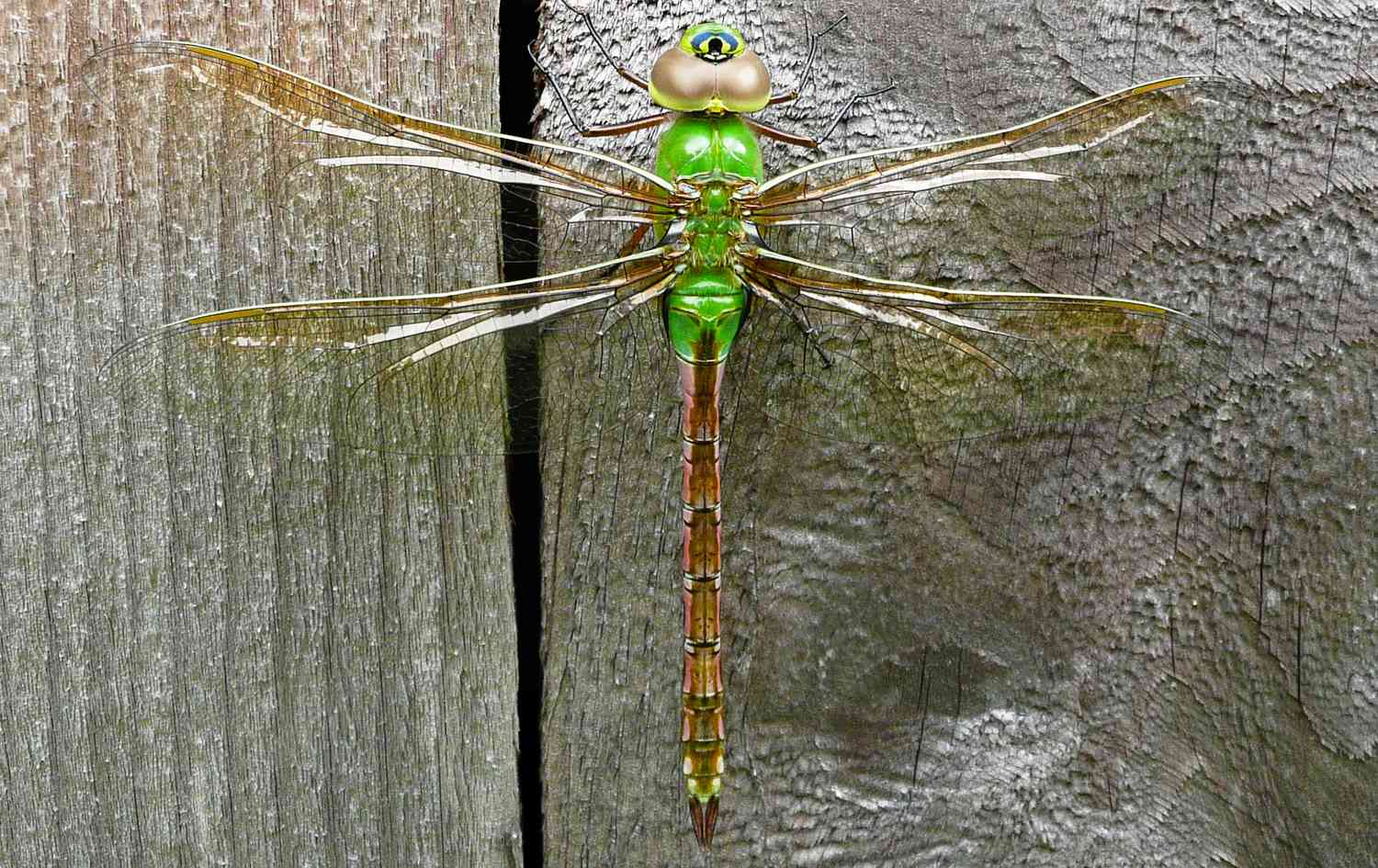
Anax junius: The Powerful Green Darner Dragonfly

Soaring on powerful, iridescent wings across continents, the common green darner, scientifically known as Anax junius, is one of the largest and most widely recognized dragonflies in North America. With its brilliant green and blue body, clear wings, and remarkable migratory abilities, this top aerial predator is a truly global phenomenon, captivating observers wherever it lands. Its name, “darner,” refers to its long, needle-like abdomen, reminiscent of a darning needle, while its scientific name, Anax, is Greek for “king” or “lord,” a fitting title for such a magnificent insect.

Continue reading Anax junius: The Powerful Green Darner Dragonfly
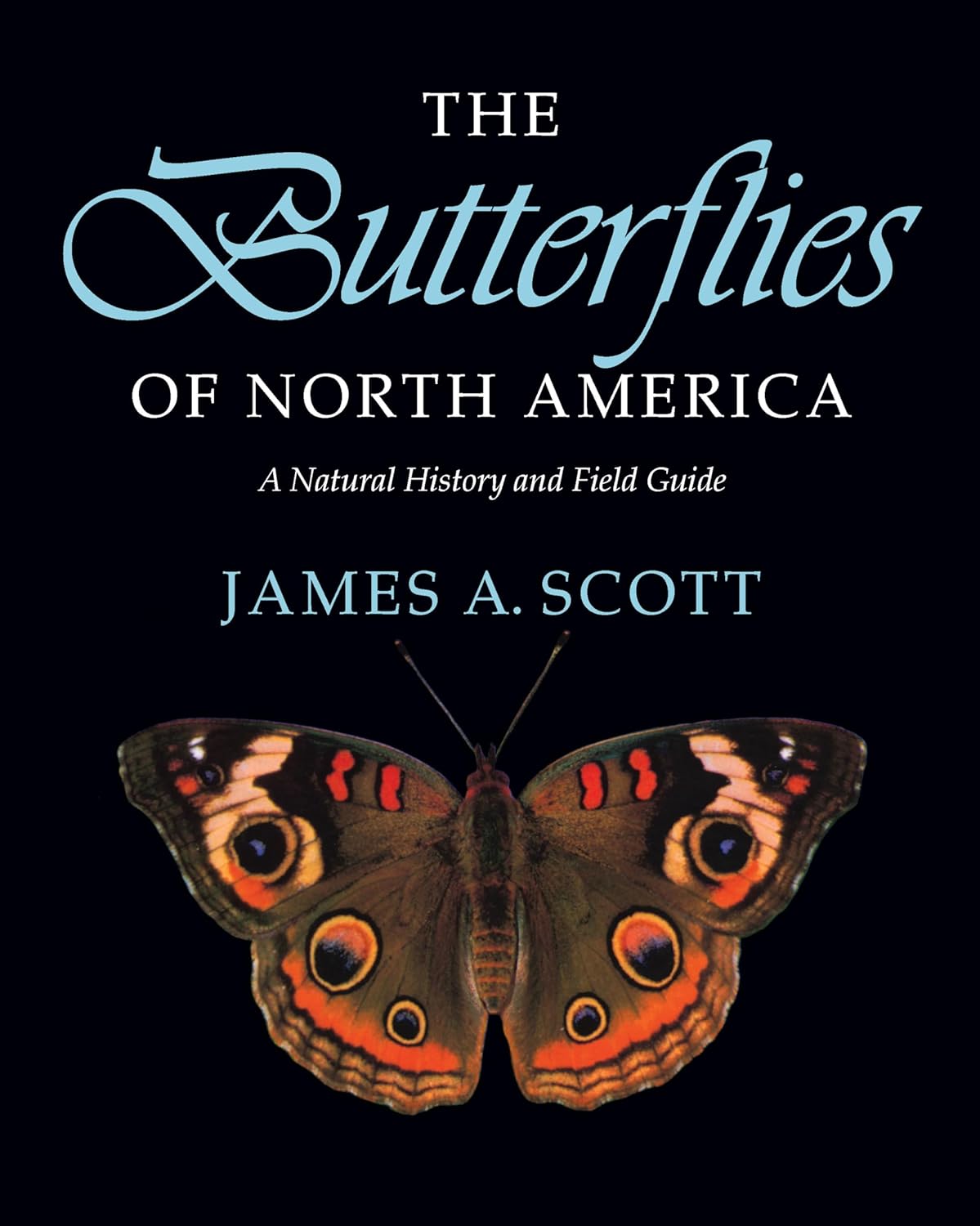
A Comprehensive Gem for Lepidopterists: A Review of “The Butterflies of North America” by James A. Scott

James A. Scott’s 1986 magnum opus, “The Butterflies of North America: A Natural History and Field Guide,” stands as an enduring testament to meticulous scholarship and passionate dedication to the world of butterflies. More than just a field guide, this monumental work is a veritable encyclopedia, offering an unparalleled blend of scientific rigor, accessible prose, and breathtaking detail that continues to captivate both seasoned lepidopterists and budding enthusiasts alike.

Continue reading A Comprehensive Gem for Lepidopterists: A Review of “The Butterflies of North America” by James A. Scott

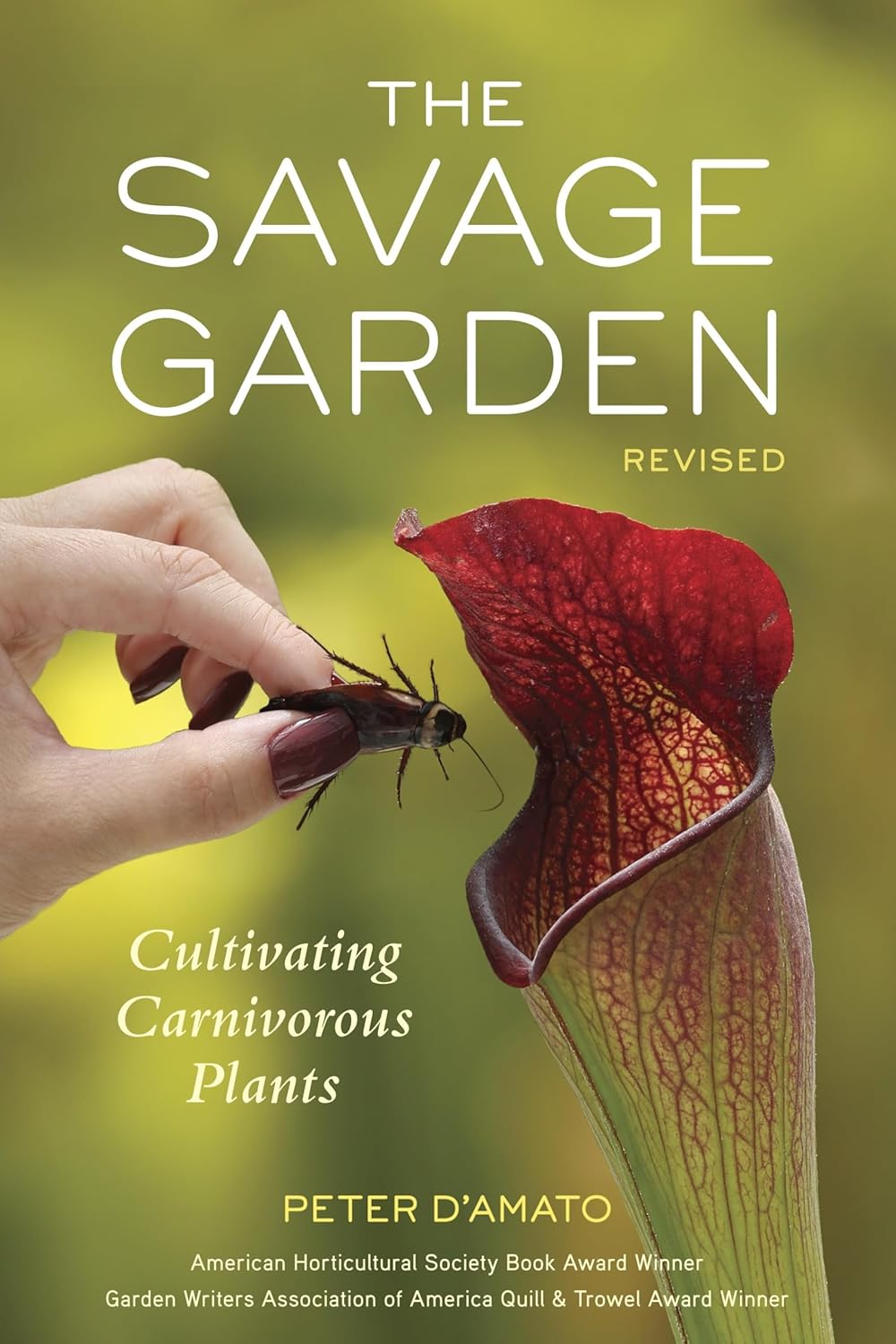
“The Savage Garden”: A Verdant Odyssey into the World of Carnivorous Plants

When it comes to botanical literature, few books capture the imagination quite like Peter D’Amato’s “The Savage Garden: Cultivating Carnivorous Plants.” Far more than a mere horticultural guide, D’Amato’s seminal work is a passionate and comprehensive ode to the mesmerizing, often misunderstood, world of carnivorous flora. For both the seasoned botanist and the curious newcomer, “The Savage Garden” stands as an indispensable and utterly delightful journey into the evolutionary marvels that are insect-eating plants.

Continue reading “The Savage Garden”: A Verdant Odyssey into the World of Carnivorous Plants

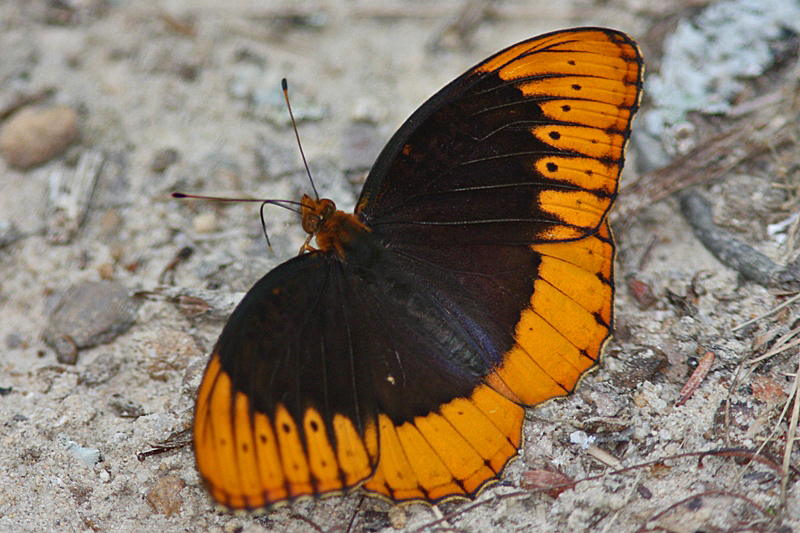
The Enigmatic Beauty of the Diana Fritillary: A Jewel of Eastern Woodlands

The Diana Fritillary, scientific name Speyeria diana, stands out as one of North America’s most striking and sought-after butterflies. Renowned for its dramatic sexual dimorphism, distinct habitat preferences, and fascinating life cycle, this “brush-footed butterfly” (Family Nymphalidae) is a true gem of the eastern and southern United States, captivating observers with its unique appearance and elusive nature.

Continue reading The Enigmatic Beauty of the Diana Fritillary: A Jewel of Eastern Woodlands

Hysterocrates gigas: The Gigantic “Cameroon Red Baboon Tarantula” of Africa

From the dense, humid forests of Cameroon, West Africa, emerges Hysterocrates gigas, popularly known as the Cameroon Red Baboon Tarantula. This impressive terrestrial tarantula is renowned for its sheer size, powerful build, and striking, often reddish-brown coloration, making it one of the most formidable and sought-after species among tarantula enthusiasts.

Continue reading Hysterocrates gigas: The Gigantic “Cameroon Red Baboon Tarantula” of Africa

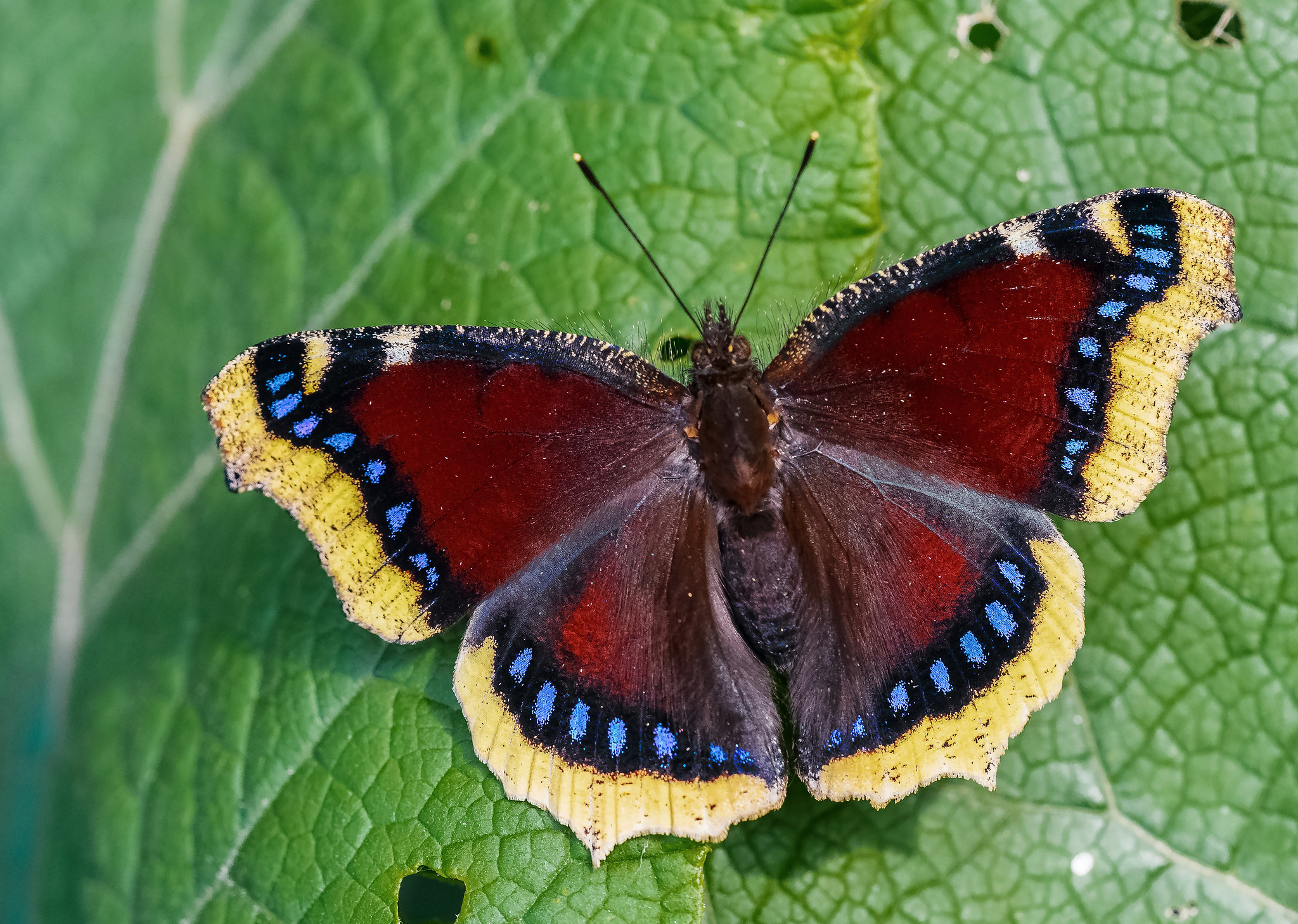
Winter’s Last Stand, Spring’s First Flight: The Mourning Cloak

Soaring on tireless wings across continents, the mourning cloak, scientifically known as Nymphalis antiopa, is one of the longest-lived butterflies and a harbinger of spring in many temperate regions. With its distinctive velvety dark wings edged in yellow, and its remarkable ability to overwinter as an adult, this resilient and adaptable species is a truly global phenomenon, captivating observers wherever it lands.

Continue reading Winter’s Last Stand, Spring’s First Flight: The Mourning Cloak

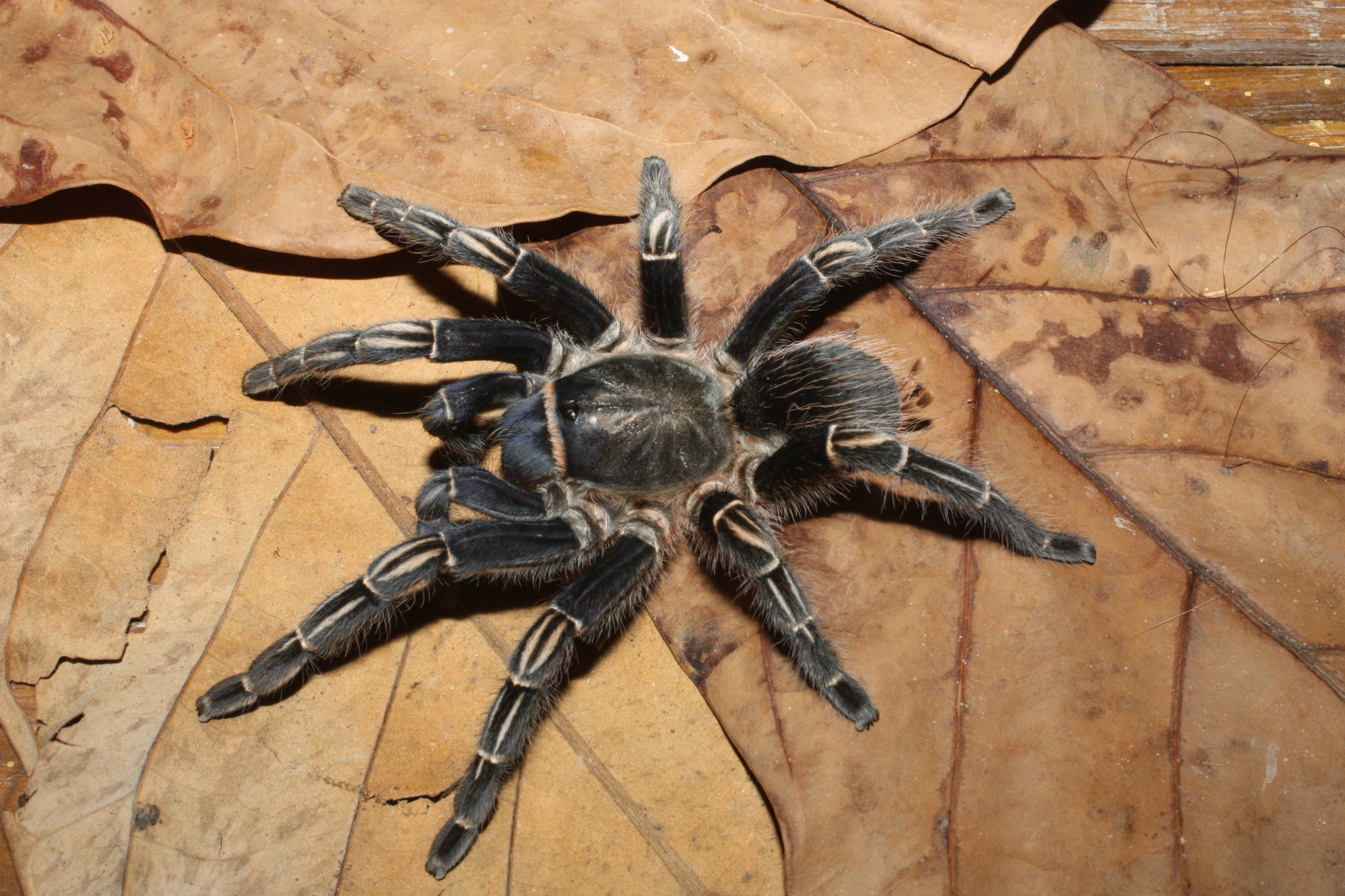
The Costa Rican Zebra Tarantula: A Striped Beauty of the Dry Forests

From the dry, scrubby forests and grasslands of Central America emerges a beloved and iconic tarantula – Aphonopelma seemanni, universally known as the Costa Rican Zebra Tarantula. Renowned for its distinctive black and white striped legs, docile temperament, and extensive burrowing habits, this robust terrestrial species is a cornerstone of the tarantula hobby and a fascinating example of arid-adapted arachnids.

Continue reading The Costa Rican Zebra Tarantula: A Striped Beauty of the Dry Forests

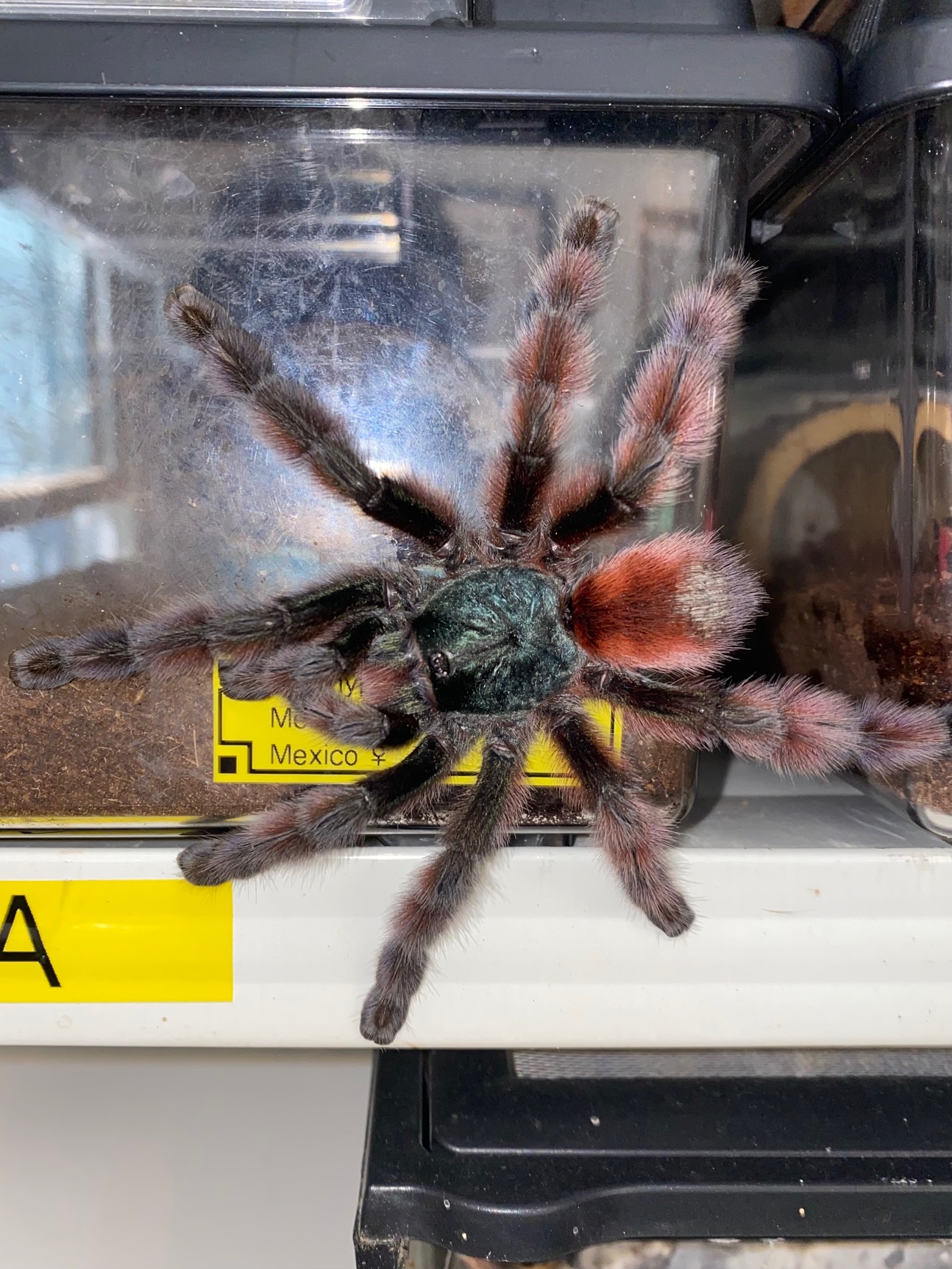
The Antilles Pinktoe Tarantula: A Jewel of the Caribbean Forests

From the lush, humid rainforests and vibrant coastal areas of the Caribbean island of Martinique, and introduced to Guadeloupe, emerges one of the most stunning and iconic arboreal tarantulas – Caribena versicolor, universally known as the Antilles Pinktoe Tarantula or Martinique Pinktoe. Revered for its breathtaking iridescent colors that change dramatically from spiderling to adult, its delicate arboreal webbing, and its generally docile nature, this species is a true showstopper in the world of arachnids.

Continue reading The Antilles Pinktoe Tarantula: A Jewel of the Caribbean Forests

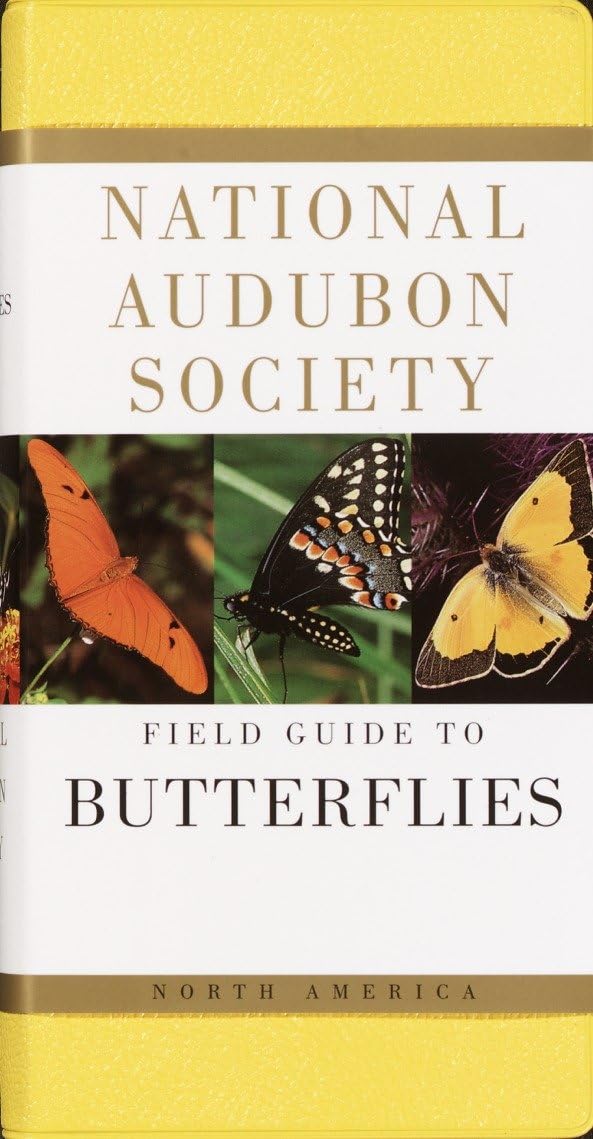
Catching the Magic: My Love Affair with the Audubon Butterfly Guide

The “National Audubon Society Field Guide to North American Butterflies” by Robert Michael Pyle stands as an indispensable companion for anyone eager to explore the vibrant and intricate world of butterflies across the continent. This guide is far more than just a collection of images; it’s a meticulously crafted resource that elevates the experience of butterfly watching from a casual glance to a deeply informed and immensely satisfying pursuit.

Continue reading Catching the Magic: My Love Affair with the Audubon Butterfly Guide

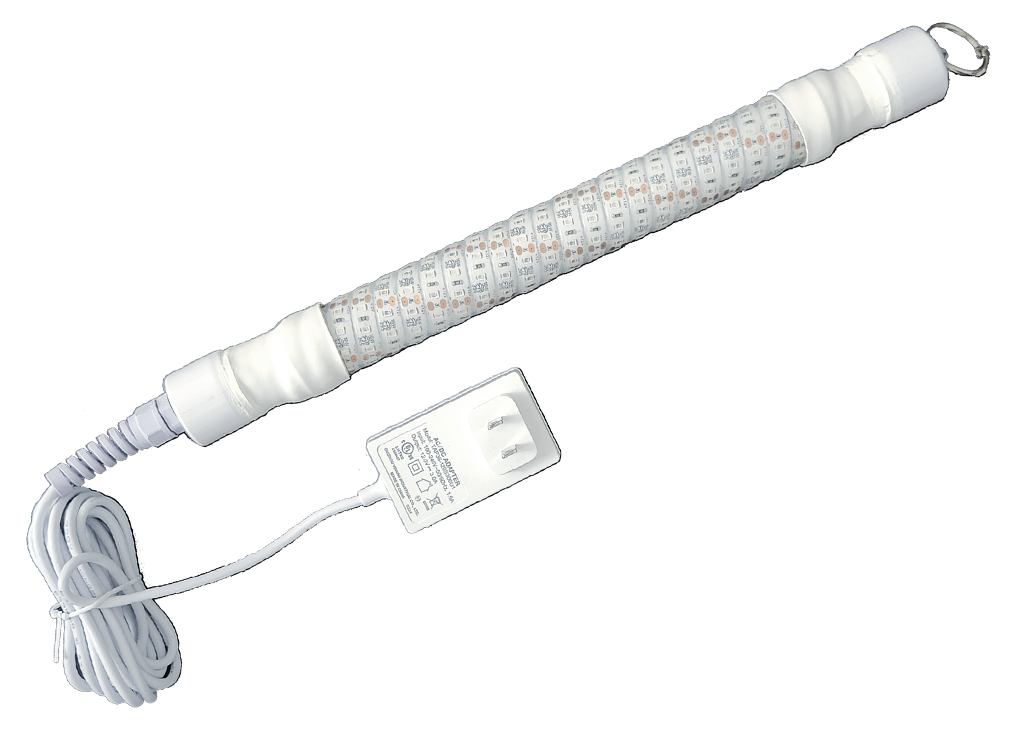
Illuminating the Night: The Rise of Entoquip Insect Lights

For entomologists, naturalists, and anyone fascinated by the nocturnal world, the right tools are essential for discovery. In recent years, a new name has emerged to lead the charge in insect observation and collection: Entoquip. Their innovative LED insect lights are redefining what’s possible, offering a powerful, portable, and incredibly effective solution for anyone looking to connect with the fascinating creatures of the night.

Continue reading Illuminating the Night: The Rise of Entoquip Insect Lights