
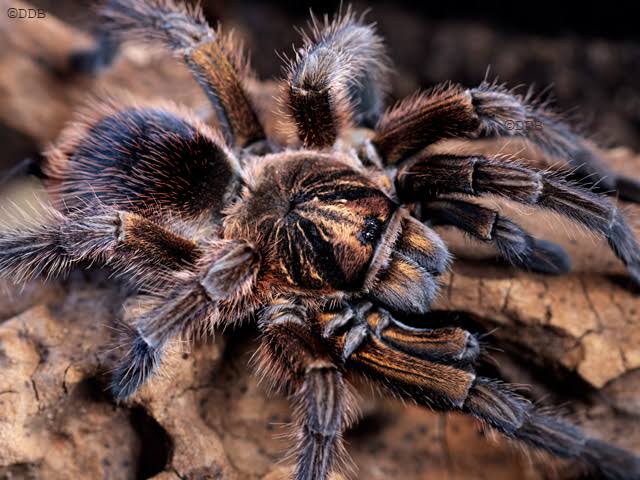
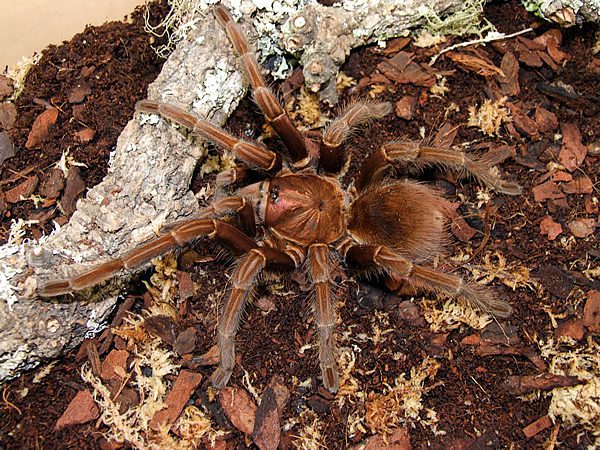
The Phormictopus cancerides, commonly known as the Hispaniolan Giant Tarantula or Dominican Purple, is a legendary species in the arachnoculture hobby. Native to the Caribbean, this New World tarantula defies the stereotype of the docile, slow-moving American species. It is a massive, incredibly fast, and fiercely defensive titan that commands respect from even the most seasoned keepers.
Taxonomy and Geographic Origin
First described in 1837, P. cancerides is indigenous to the Caribbean islands, primarily Hispaniola (the Dominican Republic and Haiti). They are also found on neighboring islands like Cuba and parts of Puerto Rico.
In their native habitat, they are highly adaptable apex invertebrates, found everywhere from dry, coastal scrublands to tropical forest floors. They are known locally as “cacata” in the Dominican Republic, where they are a well-known part of the local fauna.
Physical Characteristics and Sexual Dimorphism
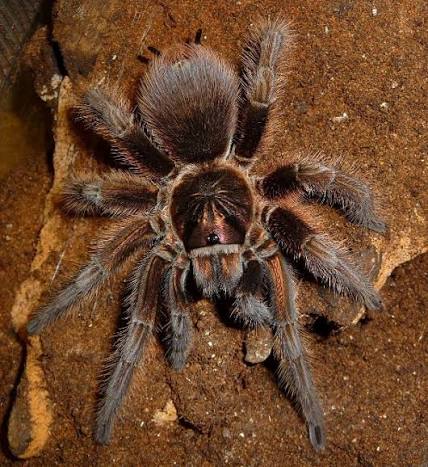
This is a heavy-bodied, imposing spider that ranks among the larger New World species available to hobbyists.
- Size: They boast an impressive adult diagonal leg span of 7 to 8+ inches, with thick, muscular legs and a massive cephalothorax.
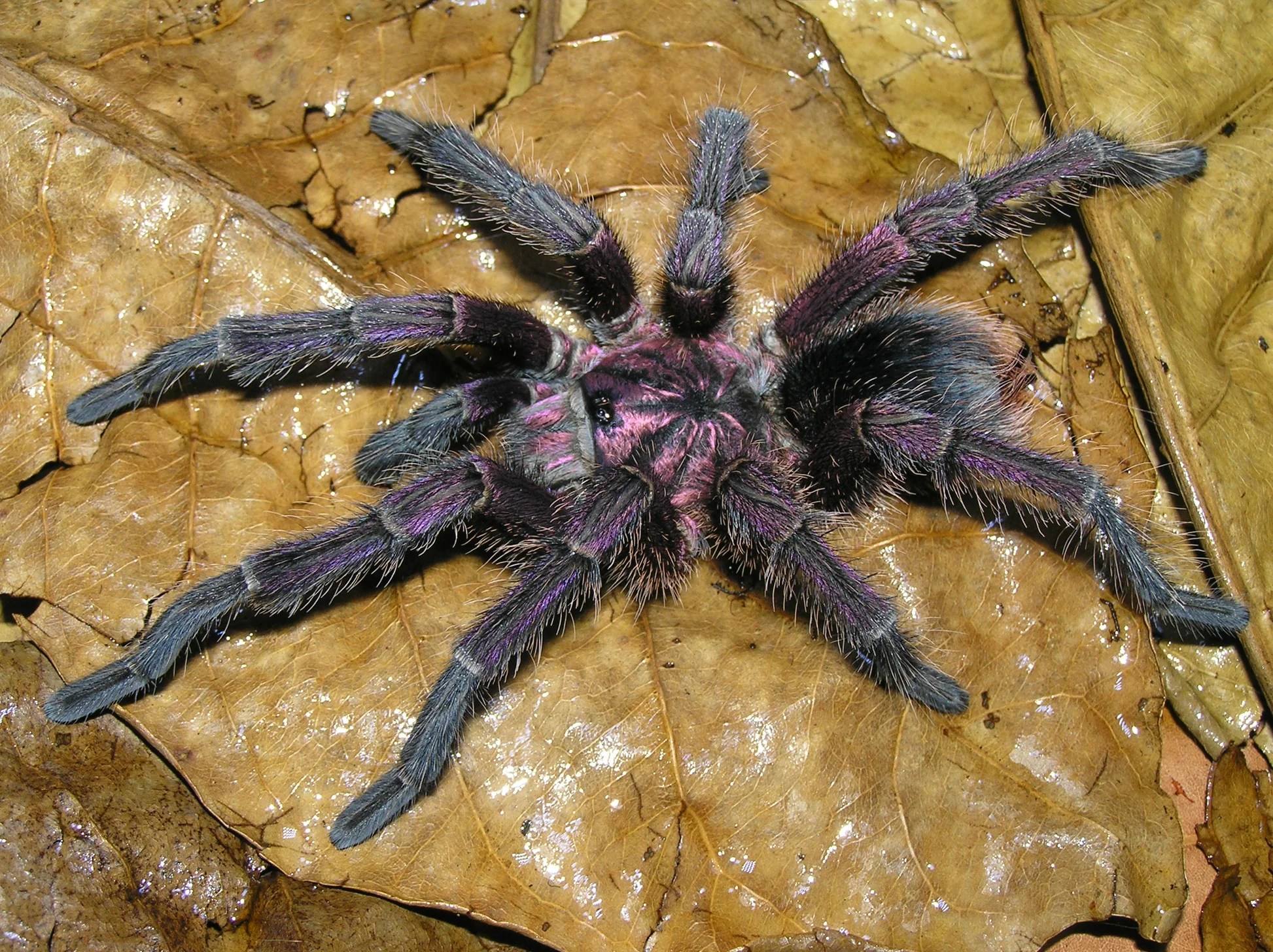
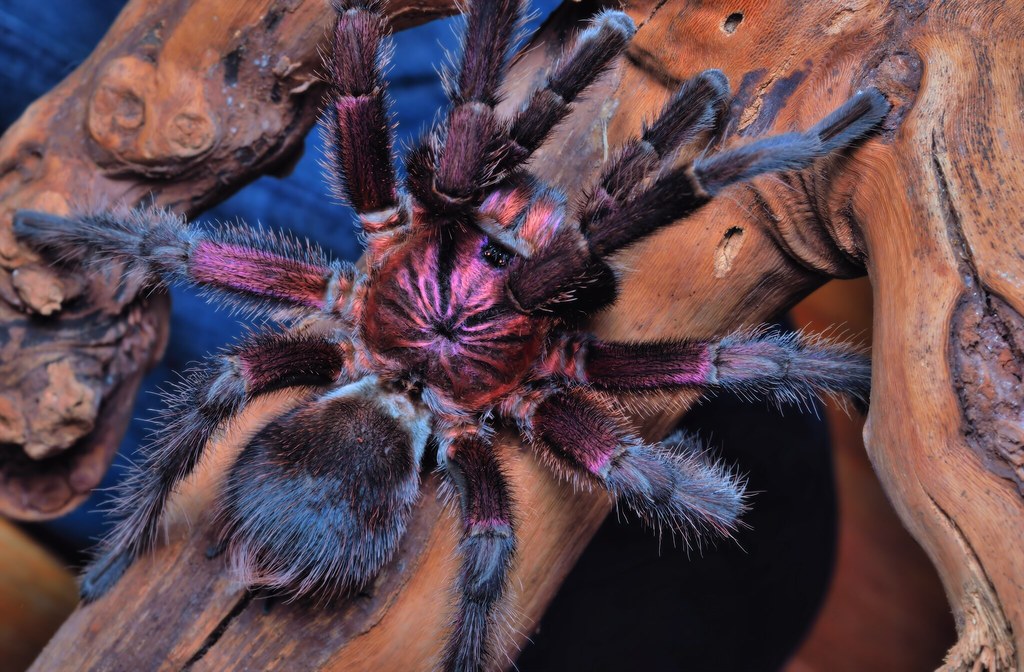
- Coloration: While they initially appear as a deep, velvety bronze or charcoal black to the naked eye, they possess a stunning purple and bronze iridescence under bright light—particularly right after a molt.
- Ontogenetic Color Change: Spiderlings (slings) and juveniles look radically different from adults. They are born a bright, metallic steel-blue or violet, a visual trait that makes the tiny slings highly sought after.
- Growth Rate: Unlike the slow-paced Brachypelma genus, P. cancerides has a fast growth rate, rapidly putting on size with a high molting frequency if well-fed.
Temperament: The New World “Old World”
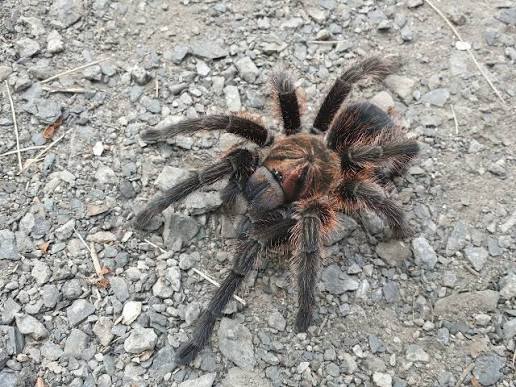
If you are looking for a tarantula to handle, Phormictopus cancerides is emphatically not the choice. They are notorious for an exceptionally defensive and aggressive temperament that rivals African or Asian Old World species.
- Threat Postures: They have a hair-trigger temper. Opening the enclosure for routine maintenance will frequently result in a full threat posture, where the spider rears back, exposes its massive fangs, and slaps the ground.
- Feeding Aggression: Their feeding response is legendary. They do not slowly stalk prey; they launch themselves across the enclosure with explosive speed. They will aggressively strike at water streams, tongs, or anything that disturbs their substrate.
- Urticating Hairs & Venom: While they do possess Type I urticating hairs, they often prefer to rely on their speed and defensive biting posture. Their venom is stronger than that of a typical Grammostola or Brachypelma, and a bite from an adult can cause significant mechanical damage due to fang size.
Captive Husbandry Requirements
Because of their size and speed, secure housing and precise maintenance tools are crucial when working with this species.
Enclosure Design
- Dimensions: Floor space is vital. Use a large terrestrial enclosure (minimum 10–15 gallons for an adult). Ensure the height is restricted; a fall for a heavy 8-inch spider can easily burst the abdomen.
- Security: A secure, locking lid is a requirement. Adults are incredibly strong and can easily push open loose acrylic or unlatched screen lids.
- Substrate: Provide 4–6 inches of a moisture-retaining substrate mix (eco-earth, topsoil, and vermiculite). They will occasionally dig opportunistic burrows but spend a vast amount of time sitting out in the open.
Environmental Variables
- Temperature: They thrive in warm conditions, ideally between 75°F and 82°F.
- Humidity: They prefer moderate-to-high humidity (70% to 80%). Unlike arid species, their substrate should be kept damp (but not muddy) on one side of the enclosure. Provide a large, heavy water dish that they cannot easily flip over.
Diet and Feeding Schedule
- Appetite: They are absolute garbage disposals. They will readily accept large Dubia roaches, crickets, superworms, and hornworms.
- Frequency: Growing juveniles can be fed once or twice a week. Adults do perfectly well with 2 or 3 large roaches every 10–14 days. Due to their fast metabolism, they rarely refuse food unless they are deep in a molt cycle.



Leave a comment