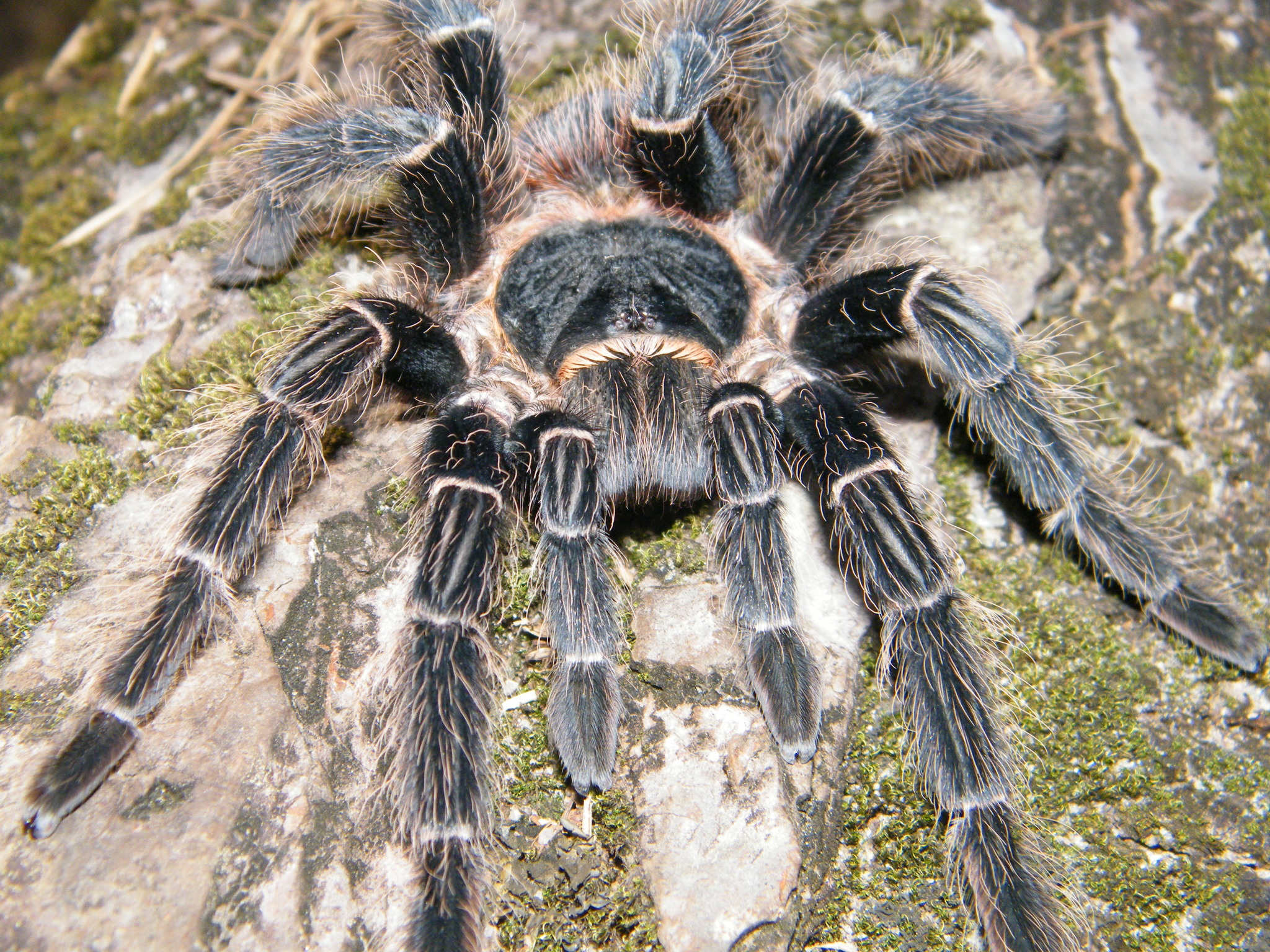
Often admired for its impressive size and surprisingly docile nature, Lasiodora parahybana, more commonly known as the Brazilian salmon pink bird-eater, is one of the world’s largest species of tarantula. Despite its intimidating common name, this terrestrial tarantula is a popular pet among enthusiasts for its hardiness, calm temperament, and awe-inspiring growth. Native to the humid forests of Brazil, this gentle giant brings a unique presence to the world of arachnids.
Continue reading Lasiodora parahybana: The Gentle Giant of the Tarantula WorldTag Archives: tarantulas
The Brazilian Black Tarantula: A Velvet Beauty of the Pampas
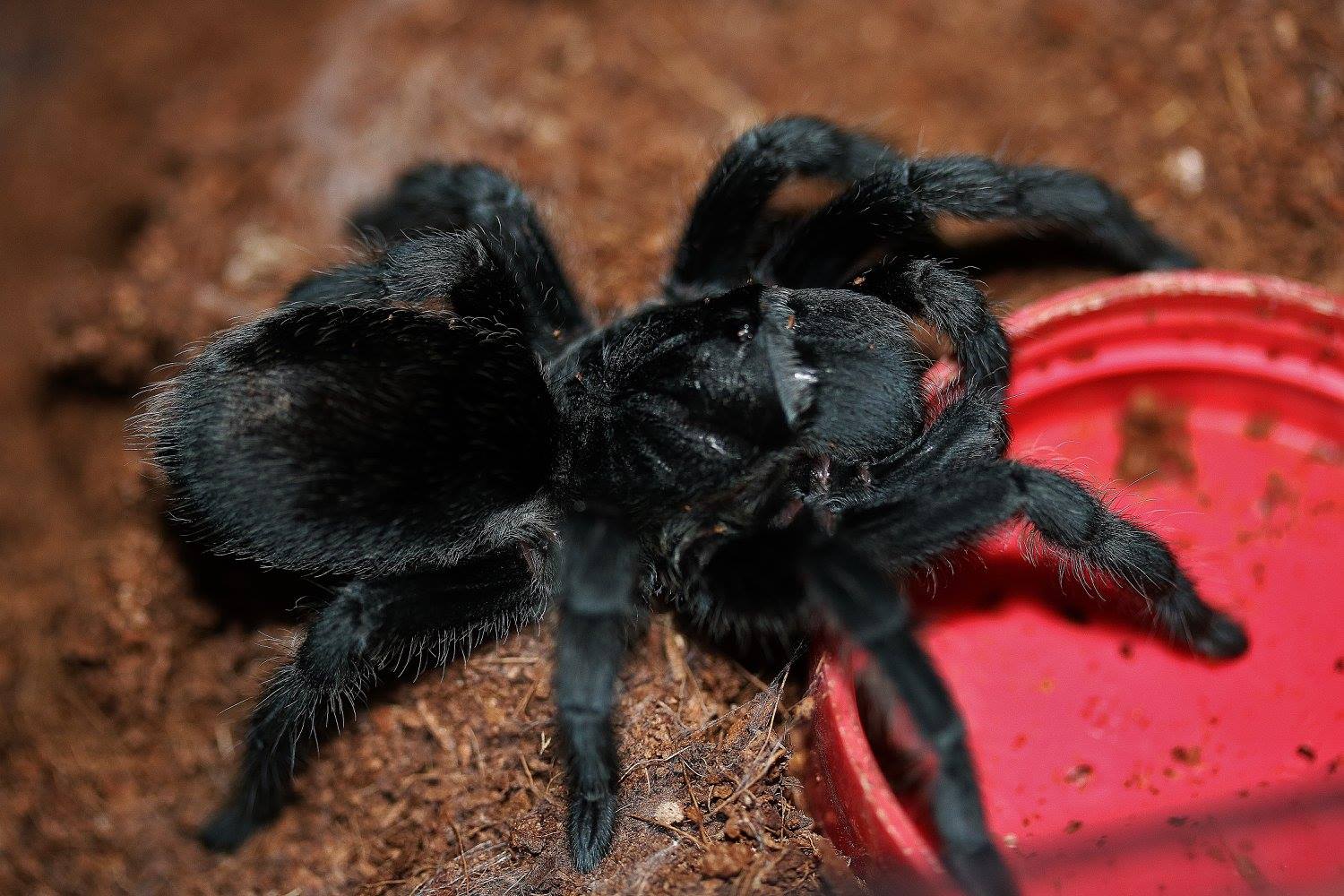
From the expansive grasslands and open woodlands of southern Brazil and parts of Uruguay emerges one of the most sought-after and beloved tarantulas in the hobby – Grammostola pulchra, universally known as the Brazilian Black Tarantula, or sometimes the Brazilian Black. Revered for its striking, velvety black coloration, robust build, and exceptionally docile temperament, this terrestrial species is a true gem, making it an ideal ambassador for tarantulas and a favorite among enthusiasts.
Continue reading The Brazilian Black Tarantula: A Velvet Beauty of the PampasBeyond the Red Knee: Discovering the True Flame of Mexico’s Tarantulas
The Mexican Flame Knee Tarantula, Brachypelma auratum, is a visually striking species of New World terrestrial tarantula known for its vibrant black coloration accented by fiery red-orange markings on its patellae (knees). Its history is intertwined with the broader understanding and classification of the Brachypelma genus, particularly its close resemblance to the well-known Mexican Red Knee tarantula, Brachypelma hamorii (formerly often referred to as Brachypelma smithi).
Continue reading Beyond the Red Knee: Discovering the True Flame of Mexico’s Tarantulas“The Tarantula Keeper’s Log Book”: The Perfect Gift for the Tarantula Enthusiast in Your Life!
Do you have that one friend that likes tarantulas and you just don’t know what to get them for their birthday of Christmas? How about my “The Tarantula Keeper’s Log Book?” A brand-new book designed by a tarantula keeper for tarantula keepers! Featuring 200 pages, this book covers 87 species of the most-commonly kept types of tarantulas with plenty of room to keep track of your feeding regimen, molting records, rehousing dates and even breeding records. The book is spiral bound so keeping it open flat is a breeze as you work with your eight-legged kids. The book is in full color featuring a beautifully painted cover by artist Laura Airey Le. Each species also features a full color photo featuring images by top photographers such as Rick C. West and Danny de Bruyne. This is definitely a book that you will use again and again!
Continue reading “The Tarantula Keeper’s Log Book”: The Perfect Gift for the Tarantula Enthusiast in Your Life!MONOCENTROPUS BALFOURI…AN EXPERIMENT IN COMMUNAL TARANTULAS
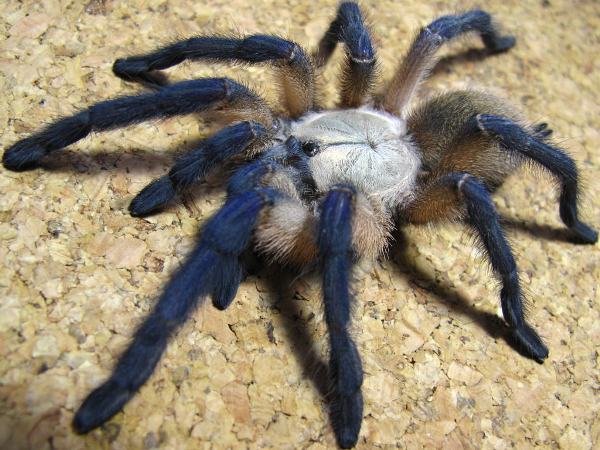
I am always on the lookout for new and exciting tarantula species that I can add to my ever-growing collection. In 2014, one species in particular stood out for me…Monocentropus balfouri, the Socotra Island Blue Leg Baboon Spider. For the most part I have never had an interest in baboon spiders but this one certainly struck my fancy. First off, it is stunningly beautiful with its tan and blue coloration. Next, from what I have read, they are generally pretty docile, a trait not often found in baboon spiders. Then, since they live in a dry climate, their humidity requirements are minimal. Finally, word has it that they can be kept successfully in groups, something that is rare in tarantulas.
Continue reading MONOCENTROPUS BALFOURI…AN EXPERIMENT IN COMMUNAL TARANTULASSO HOW DO TARANTULAS GROW?
Tarantulas, like all arachnids and insects, must shed their skin, or molt, to grow. This is because they have an exoskeleton. Since this exoskeleton is hard, the only way these invertebrates can grow is by breaking through their old skin, revealing the pliable new skin underneath. Once the shed is complete, the new and larger skin is then allowed to dry. What I present for you here is a pictorial guide to one of the world’s largest species of tarantulas, the Brazilian Salmon Pink Bird-eating Spider (Lasiodora parahybana), named for the beautiful pink hairs on this massive spider’s abdomen.
After making a bed of silk, the spider turns onto its back to start the molting process.
KEEPING INVERTEBRATES AS PETS
Keeping invertebrates as pets is not for everyone. Most people, when thinking of tarantulas, scorpions or other invertebrates, react in disgust or fear. This is mostly due to the fact that these animals are greatly misunderstood. Thanks to horror movies and stupid shows like FEAR FACTOR alot of these invertebrates have been given a bad reputation as being dangerous, even deadly. Though many invertebrates that are kept as pets are venemous (no, they don’t remove the venom before the animal is sold) keep in mind that their venom is not designed to kill people. It is designed to help them subdue their prey. There are species of scorpions that have venom so strong that it can kill a person but that is not what it is there for. Most of these animals would rather run away and hide from a person than actually try to bite them. They are actually very timid, and at times nervous. Keep in mind also that people are not supposed to die from bee stings or ant bites, but they do. It is not because of the bee or ant, but because of the person’s allergic reaction to the sting or bite. The same can be held true for all invertebrates that can bite or sting. The first rule to follow when having pets like this is to show them respect.
Dave The Bug Guy
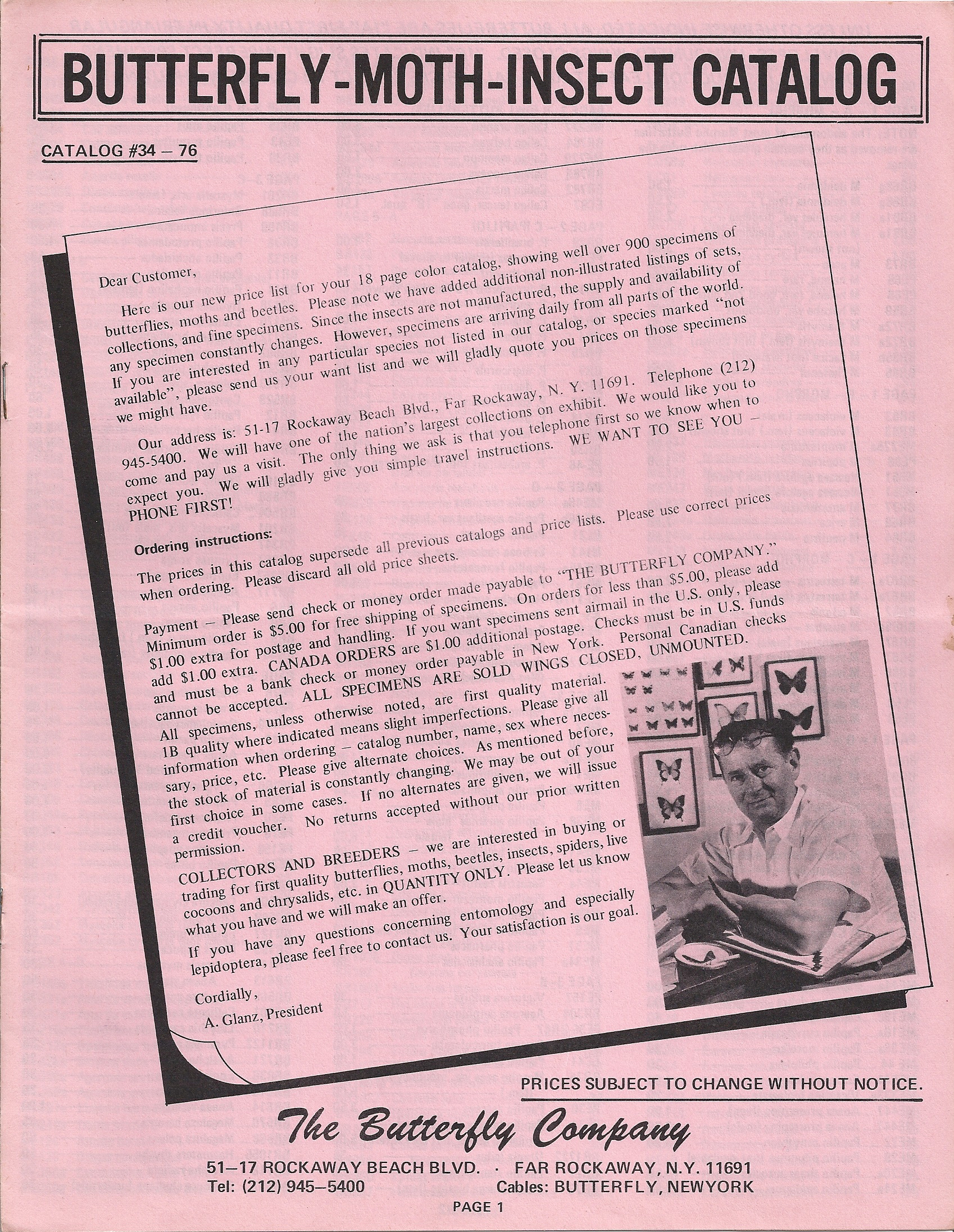
Welcome to my website. My name is David Albaugh and I have had a lifelong interest in entomology. This started at the age of seven thanks to a kit for collecting butterflies and moths. This kit was put out by the now defunct Butterfly Company, the world’s leading supplier of dried insects at the time from Far Rockaway, NY. It was this very company, and it’s owner Irene Glanz, that fueled my desire to know everything I could about the world of insects.