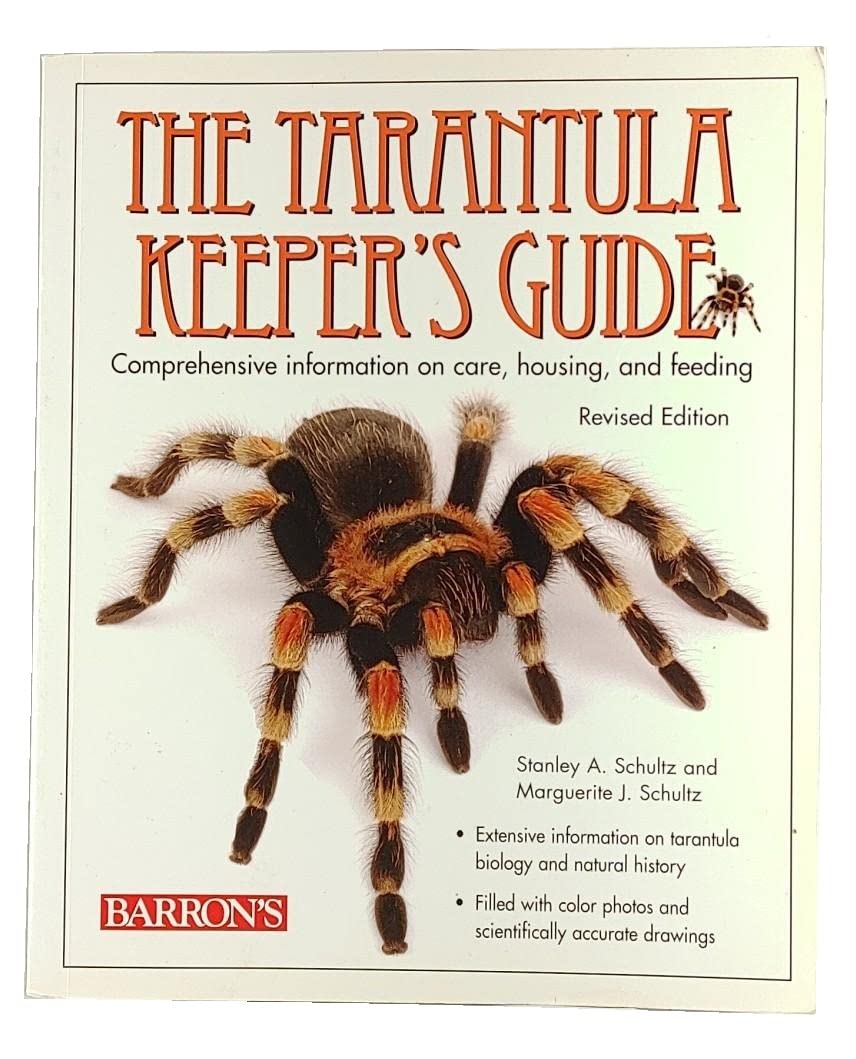
For decades, the world of arachnoculture has looked to a single, definitive source for wisdom, scientific insight, and practical care: The Tarantula Keeper’s Guide by Stanley A. Schultz and Marguerite J. Schultz. Often referred to by enthusiasts as the “Tarantula Bible,” this comprehensive work did more than just list husbandry requirements; it revolutionized the way these misunderstood creatures are perceived by the public and cared for by keepers. By blending rigorous biological study with a deep, palpable affection for their eight-legged subjects, the Schultzes created a manual that remains as inspiring today as it was upon its first publication in 1998.
Continue reading Caught in a Web of Wisdom: Why “The Tarantula Keeper’s Guide” is Still the Gold StandardTag Archives: Stanley A. Schultz
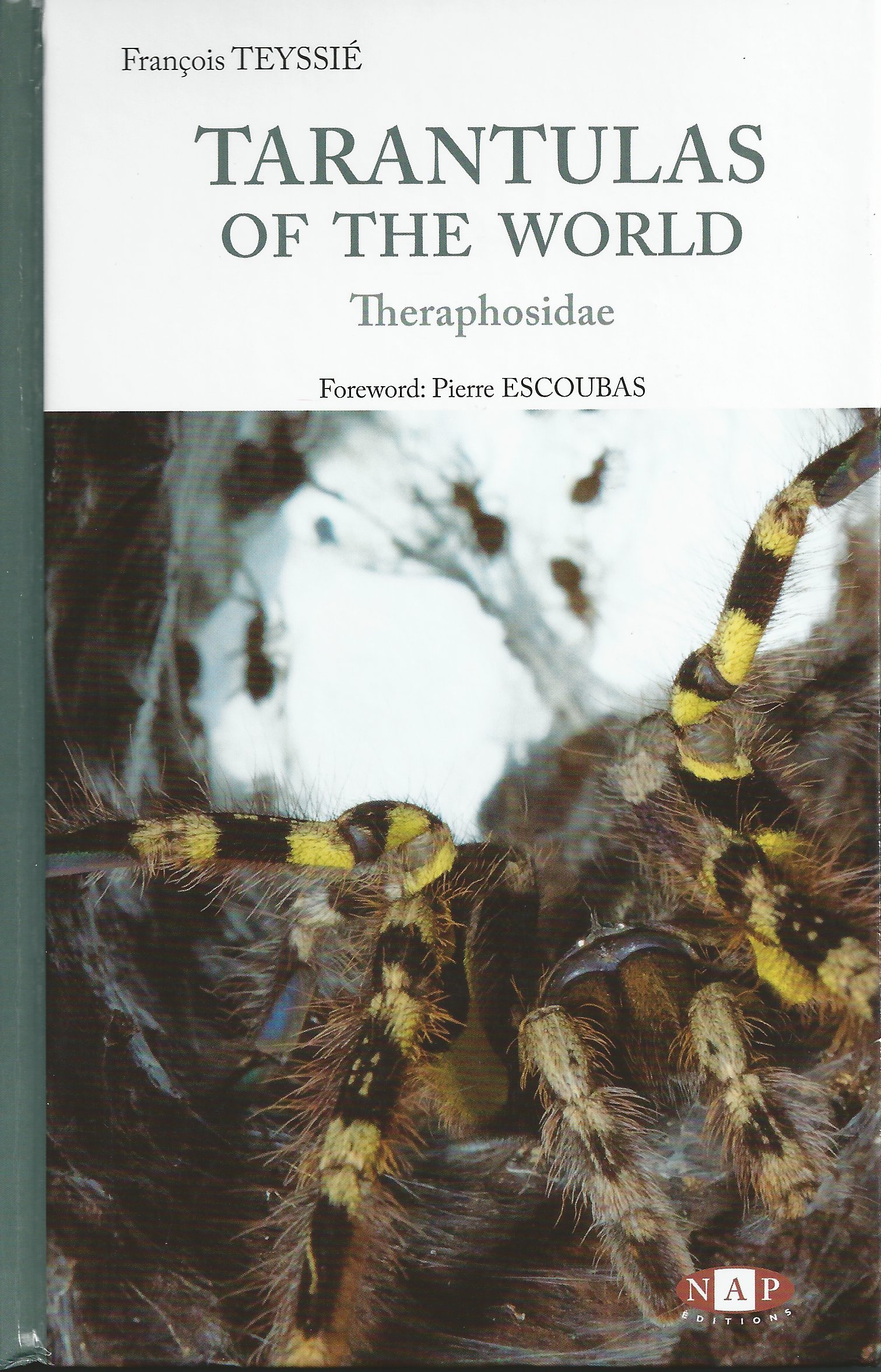
BOOK REVIEW: “Tarantulas of the World” by Francois Teyssie
“Tarantulas of the World” is another book put out by NAP Editions in France, like “Scorpions of the World” by Roland Stockmann and Eric Ythier, reviewed HERE. It is, in my opinion, the most comprehensive and up-to-date book on the subject and is a must have in every tarantula enthusiast’s library. In many ways it even puts “The Tarantula Keeper’s Guide” to shame.
Continue reading BOOK REVIEW: “Tarantulas of the World” by Francois Teyssie
KEEPING INVERTEBRATES AS PETS
Keeping invertebrates as pets is not for everyone. Most people, when thinking of tarantulas, scorpions or other invertebrates, react in disgust or fear. This is mostly due to the fact that these animals are greatly misunderstood. Thanks to horror movies and stupid shows like FEAR FACTOR alot of these invertebrates have been given a bad reputation as being dangerous, even deadly. Though many invertebrates that are kept as pets are venemous (no, they don’t remove the venom before the animal is sold) keep in mind that their venom is not designed to kill people. It is designed to help them subdue their prey. There are species of scorpions that have venom so strong that it can kill a person but that is not what it is there for. Most of these animals would rather run away and hide from a person than actually try to bite them. They are actually very timid, and at times nervous. Keep in mind also that people are not supposed to die from bee stings or ant bites, but they do. It is not because of the bee or ant, but because of the person’s allergic reaction to the sting or bite. The same can be held true for all invertebrates that can bite or sting. The first rule to follow when having pets like this is to show them respect.