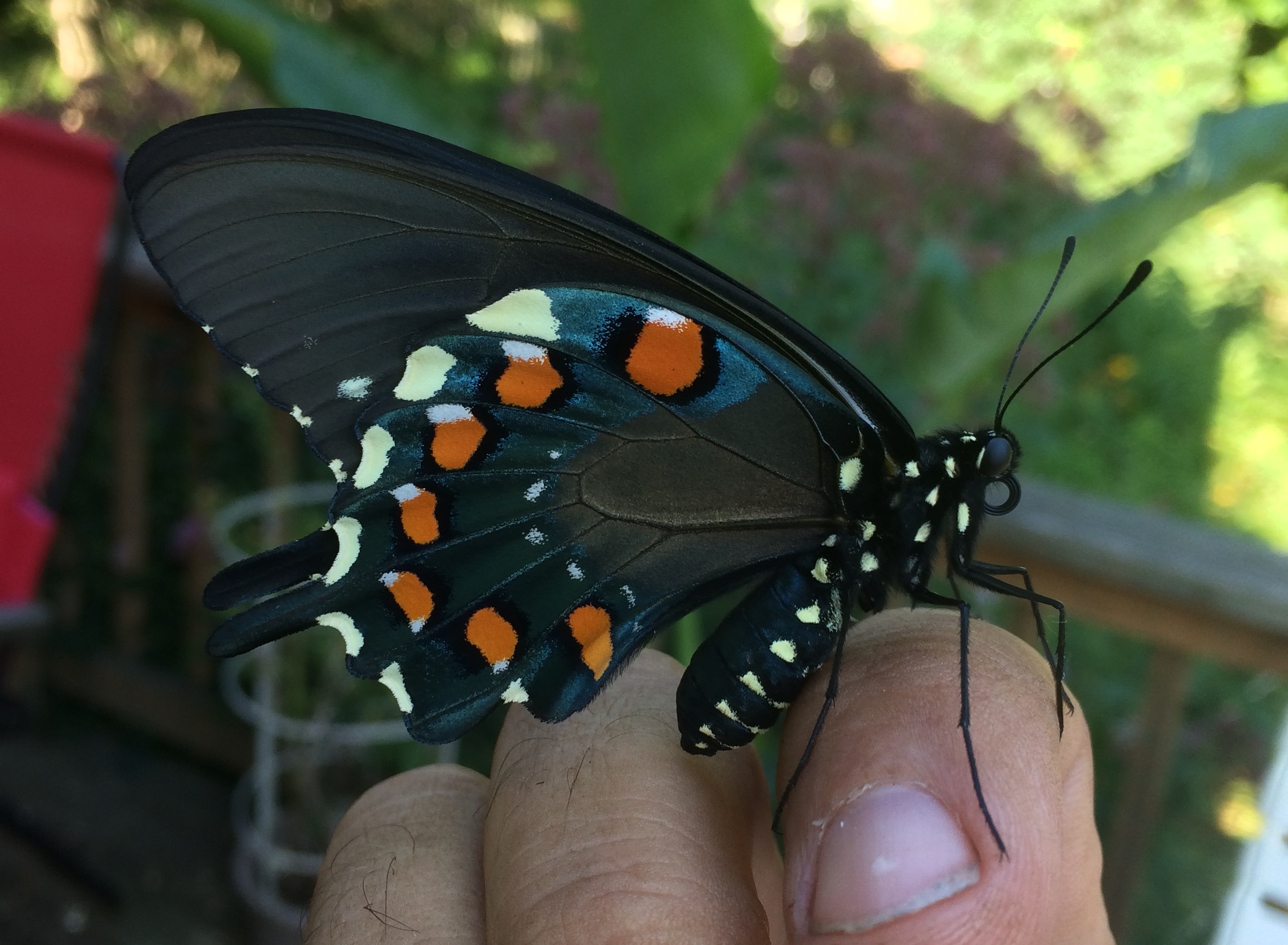
Gracing open woodlands, meadows, and gardens across much of North America, the pipevine swallowtail, scientifically known as Battus philenor, is a butterfly of captivating beauty and crucial ecological significance. With its velvety black wings adorned with iridescent blue-green highlights and its distinctive, undulating flight, this elegant insect serves as a living advertisement of its toxicity, playing a key role in mimicry complexes that protect other species.
Continue reading The Pipevine Swallowtail: A Shimmering Warning in Black and BlueTag Archives: Papilionidae
The Giant Among Swallowtails: Unveiling Papilio cresphontes
Soaring with a powerful, almost regal flight through sunny woodlands, citrus groves, and gardens of the Americas, the giant swallowtail, scientifically known as Papilio cresphontes, is a truly magnificent butterfly. As the largest butterfly native to the United States and Canada, its impressive size, striking brown and yellow patterns, and its unique larval defense strategy make it an instantly recognizable and fascinating member of the butterfly world.
Continue reading The Giant Among Swallowtails: Unveiling Papilio cresphontesLARVAL FOODPLANTS OF SWALLOWTAIL BUTTERFLIES OF THE EASTERN UNITED STATES
Welcome to part two of my caterpillar food plant series (the first of which was on Saturniidae moth food plants seen HERE). For this entry I am focusing on the five species of Swallowtail butterflies (family Papilionidae) from New England. This list does not include strays; only species that can be found in this area normally. The Papilionidae, numbering over 700 species worldwide, are among our largest and most spectacular of butterflies!
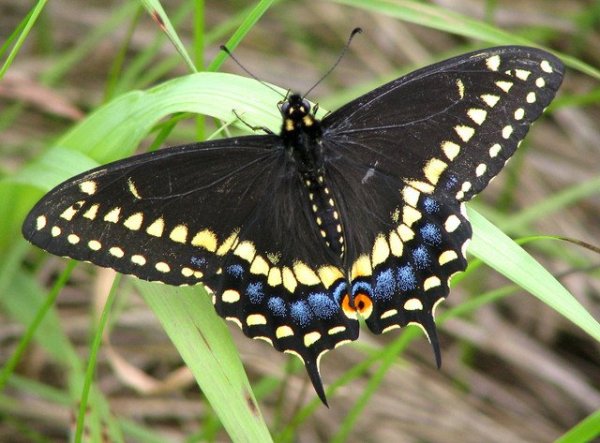
EASTERN BLACK SWALLOWTAIL – Papilio polyxenes asterius
Carrot (Daucus), dill (Anetheum), fennel (Foeniculum), parsley (Petroselinum), Queen Anne’s lace (Daucus), rue (Ruta).
Continue reading LARVAL FOODPLANTS OF SWALLOWTAIL BUTTERFLIES OF THE EASTERN UNITED STATES