Tag Archives: Citheronia regalis

The Majestic Regal Moth: A Kaleidoscope of Color in the Forest Canopy

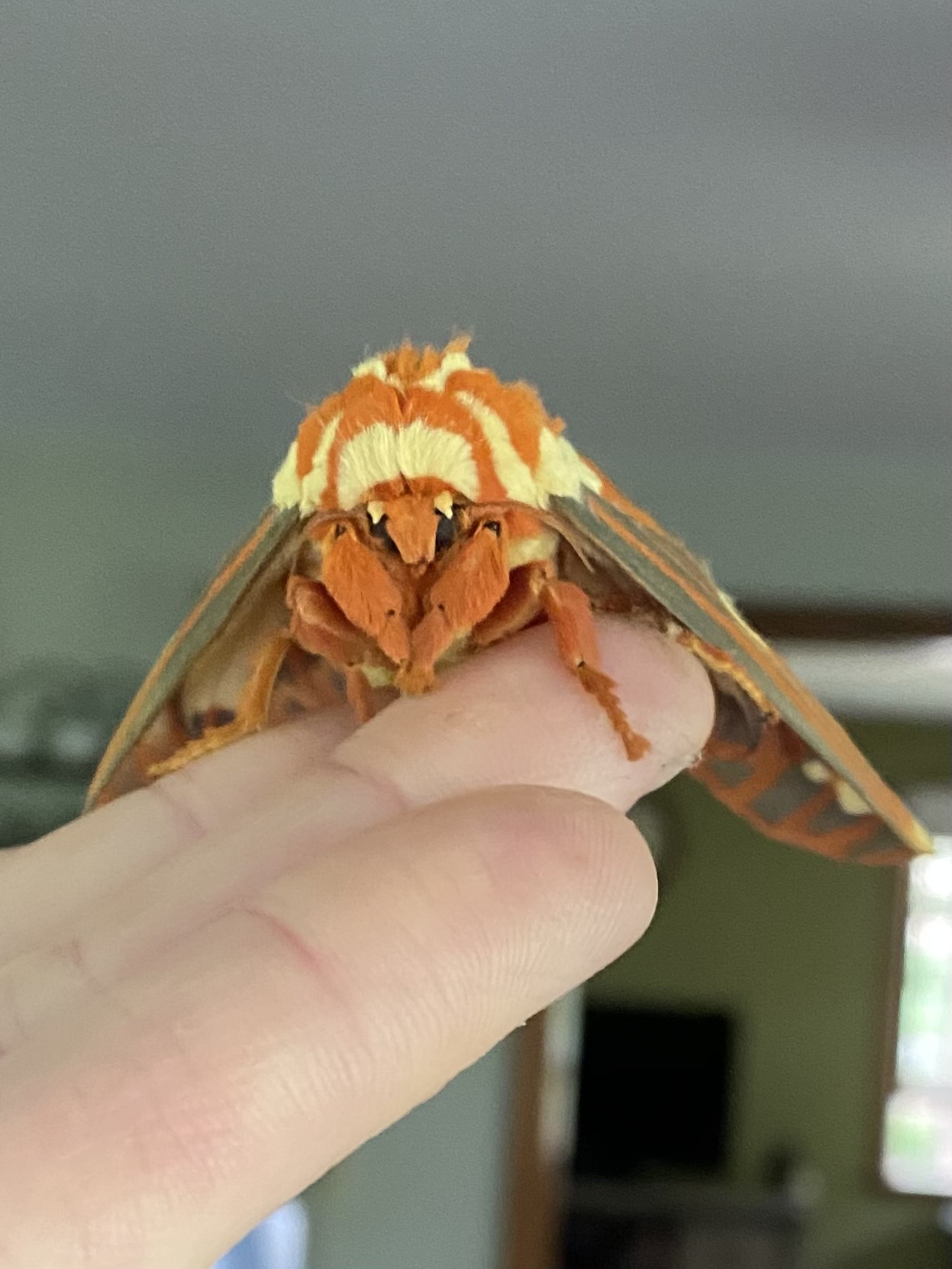
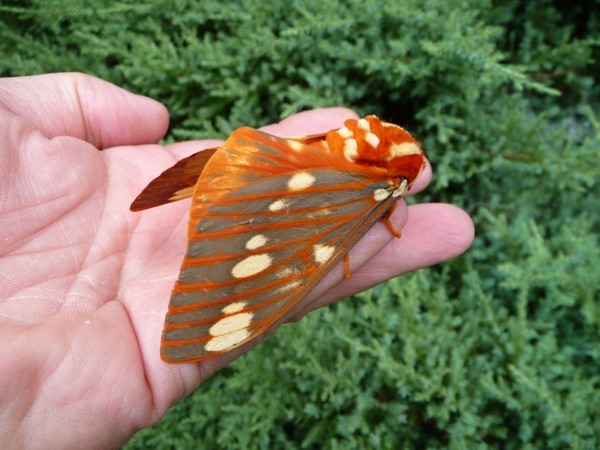
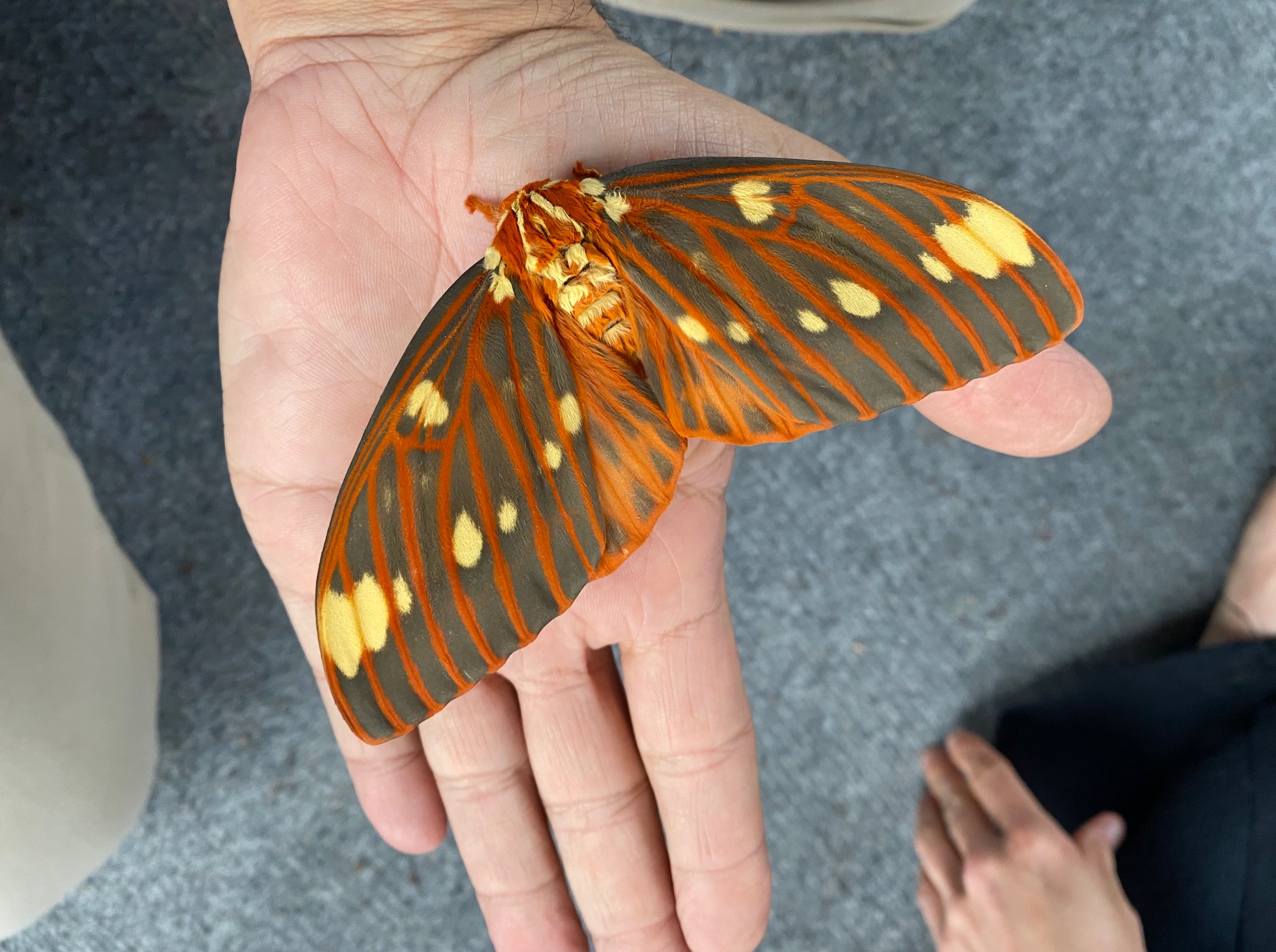
Emerging from the depths of eastern North American forests is one of the continent’s most spectacularly adorned insects – the regal moth, scientifically known as Citheronia regalis. With its impressive size, robust body, and a vibrant tapestry of orange, yellow, and black, this magnificent giant silk moth is a true monarch of the night. Its equally striking larva, the “hickory horned devil,” adds to its mystique, making it a fascinating subject from egg to adult.

Continue reading The Majestic Regal Moth: A Kaleidoscope of Color in the Forest Canopy
LARVAL FOODPLANTS OF SATURNIID MOTHS OF THE EASTERN UNITED STATES

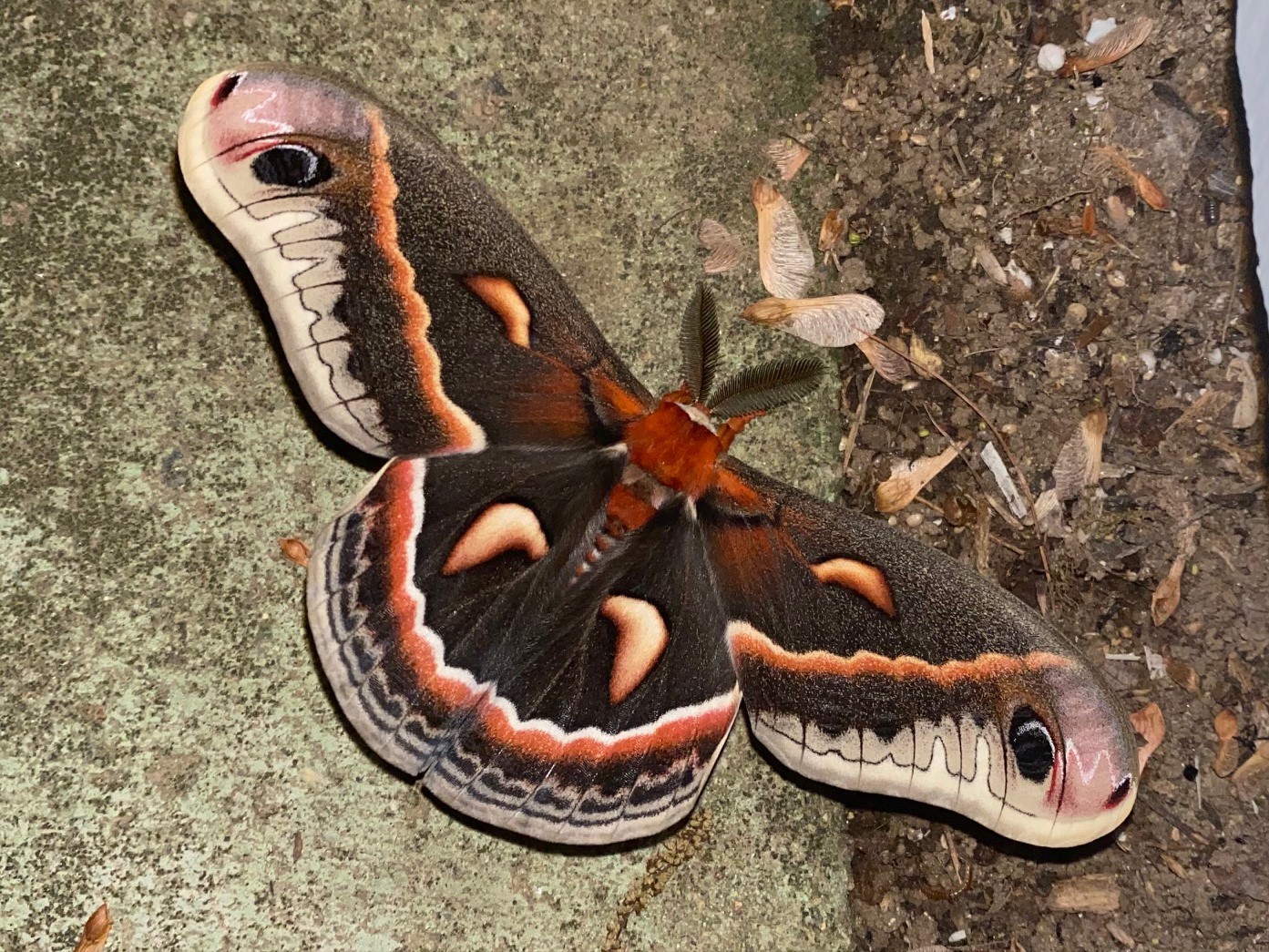
Raising Lepidoptera has been a hobby that I have enjoyed ever since I was a kid. Though raising butterflies has always been fun, it is raising the giant silkmoths, family Saturniidae, that has been my favorite aspect of rearing. Thankfully I live in an area that includes a great representation of these amazing moths, even though their wild populations do seem to be dwindling with each passing year. What I present to you is a list of the most commonly used caterpillar foodplants for these moths representing nine species. This list is in no way meant to be complete and only through experimentation can new plants be added to this ever-growing list.

Continue reading LARVAL FOODPLANTS OF SATURNIID MOTHS OF THE EASTERN UNITED STATES

CASE STUDY: Saturniidae Moth Populations in Richmond, Rhode Island Part 3

This is going to be a quick entry in this case study. As of this writing on June 27, 2021, all but a few cocoons have hatched. I have a small assortment still of cecropia, polyphemus and luna. Initially I felt that this case study was a failure about after giving it some thought, I realized that I know a lot more now than I did at the start, which should help tremendously going into 2022.

Continue reading CASE STUDY: Saturniidae Moth Populations in Richmond, Rhode Island Part 3

CASE STUDY: Saturniidae Moth Populations in Richmond, Rhode Island Part 2

Cocoons and pupae I was able to obtain prior to this study were Actias luna, Hyalophora cecropia, Antheraea polyphemus, Samia cynthia and Citheronia regalis. On the last two species, I did not have high hopes of drawing in males attracted to hatched gravid females, but thought that perhaps, living so close to Connecticut, that I may be pleasantly surprised.

Citheronia regalis.
Continue reading CASE STUDY: Saturniidae Moth Populations in Richmond, Rhode Island Part 2

CASE STUDY: Saturniidae Moth Populations in Richmond, Rhode Island Part 1

When it comes to insects, butterflies and moths have always been my favorite type. Nothing beats a warm summer day sitting outside, watching butterflies visit your flowers. As much as I enjoy this though, it is the giant silk moths that fly at night that I am passionate about the most.

Newly hatched Callosamia promethea female.
Continue reading CASE STUDY: Saturniidae Moth Populations in Richmond, Rhode Island Part 1

LEPIDOPTERA LIFE CYCLES: Citheronia regalis, the Regal Moth

The Regal Moth (Citheronia regalis), though beautiful in its own right, is perhaps better known for its caterpillar, known as the Hickory Horned Devil. These caterpillars get huge, reaching a length of six inches by the time they are ready to pupate. It’s range is the eastern portion of the United States, east of the Great Plains. Unfortunately it has been some time since this spectacular species has been reported in Rhode Island and Massachusetts.

RegalMoth

Continue reading LEPIDOPTERA LIFE CYCLES: Citheronia regalis, the Regal Moth

LEPIDOPTERA LIFE CYCLES: Citheronia splendens

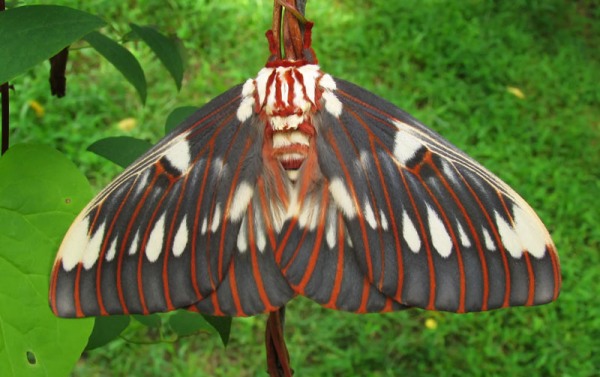
Citheronia splendens, also known as the splendid royal moth, is a Mexican species that is closely related to the Regal moth (Citheronia regalis) and was discovered living in parts of Arizona in the early 1970’s. There is not much known about this species but it is definitely fun to rear and the resulting moth is spectacular.

Citheronia splendens with logo

Continue reading LEPIDOPTERA LIFE CYCLES: Citheronia splendens