BUGGY BOOK REVIEW: “Caterpillars of Eastern North America” by David L. Wagner

9780691121444

There have always been field guides to butterflies and moths, my favorite types of insects. My biggest complaint with them though is that they are never complete; they are always missing some important aspect for each species. For the most part, these guides concentrate on the adult butterfly or moth, rarely showing the other three stages of development (egg, larva and pupa). I am guessing that the main reason for this is cost and eventual size of the book. To show all four stages of each species, and then perhaps images of both the male and female, along with text, would create a book that is cost prohibitive.

Continue reading BUGGY BOOK REVIEW: “Caterpillars of Eastern North America” by David L. Wagner

Beyond the Red Knee: Discovering the True Flame of Mexico’s Tarantulas

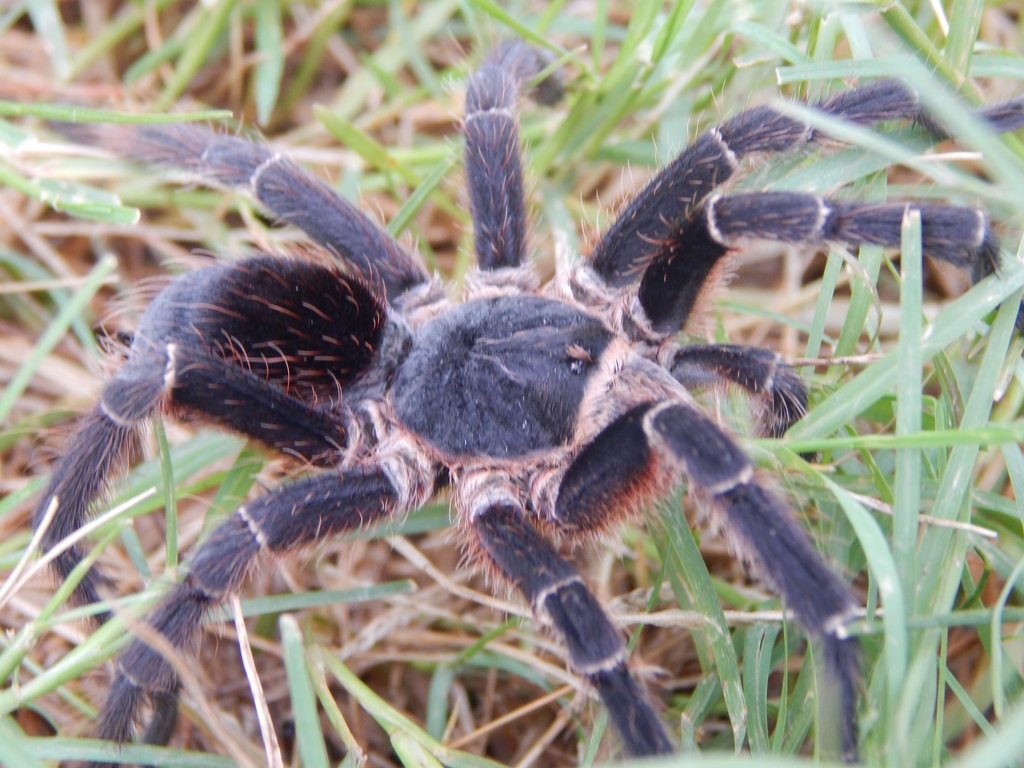
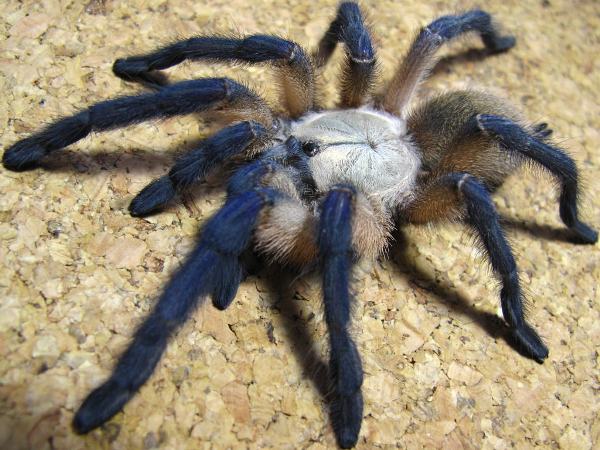
The Mexican Flame Knee Tarantula, Brachypelma auratum, is a visually striking species of New World terrestrial tarantula known for its vibrant black coloration accented by fiery red-orange markings on its patellae (knees). Its history is intertwined with the broader understanding and classification of the Brachypelma genus, particularly its close resemblance to the well-known Mexican Red Knee tarantula, Brachypelma hamorii (formerly often referred to as Brachypelma smithi).

Continue reading Beyond the Red Knee: Discovering the True Flame of Mexico’s Tarantulas

The Resilient Red Admiral: A Bold Migrant of the Northern Hemisphere

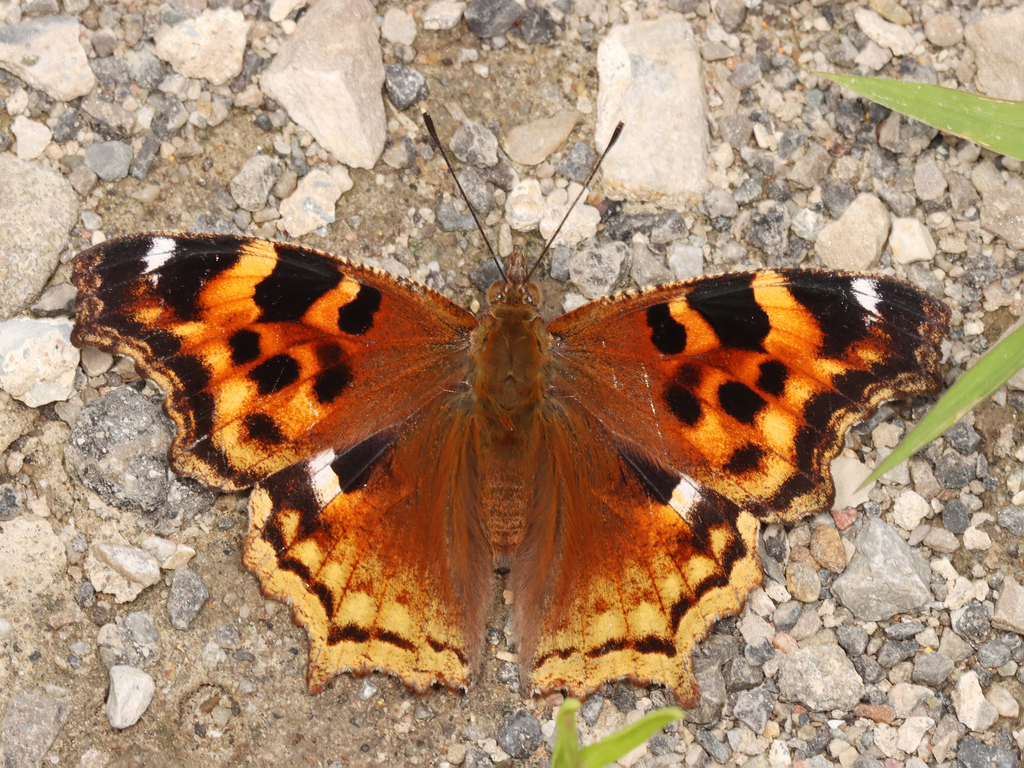
Soaring with determined flight across continents, the red admiral, scientifically known as Vanessa atalanta, is one of the most widely recognized and globally distributed butterflies. With its striking black wings slashed by vivid orange-red bands, this bold and beautiful butterfly is a familiar sight in gardens, fields, and woodlands across the Northern Hemisphere, captivating observers with its distinctive patterns and impressive migratory journeys.

Continue reading The Resilient Red Admiral: A Bold Migrant of the Northern Hemisphere

LARVAL FOODPLANTS OF SWALLOWTAIL BUTTERFLIES OF THE EASTERN UNITED STATES

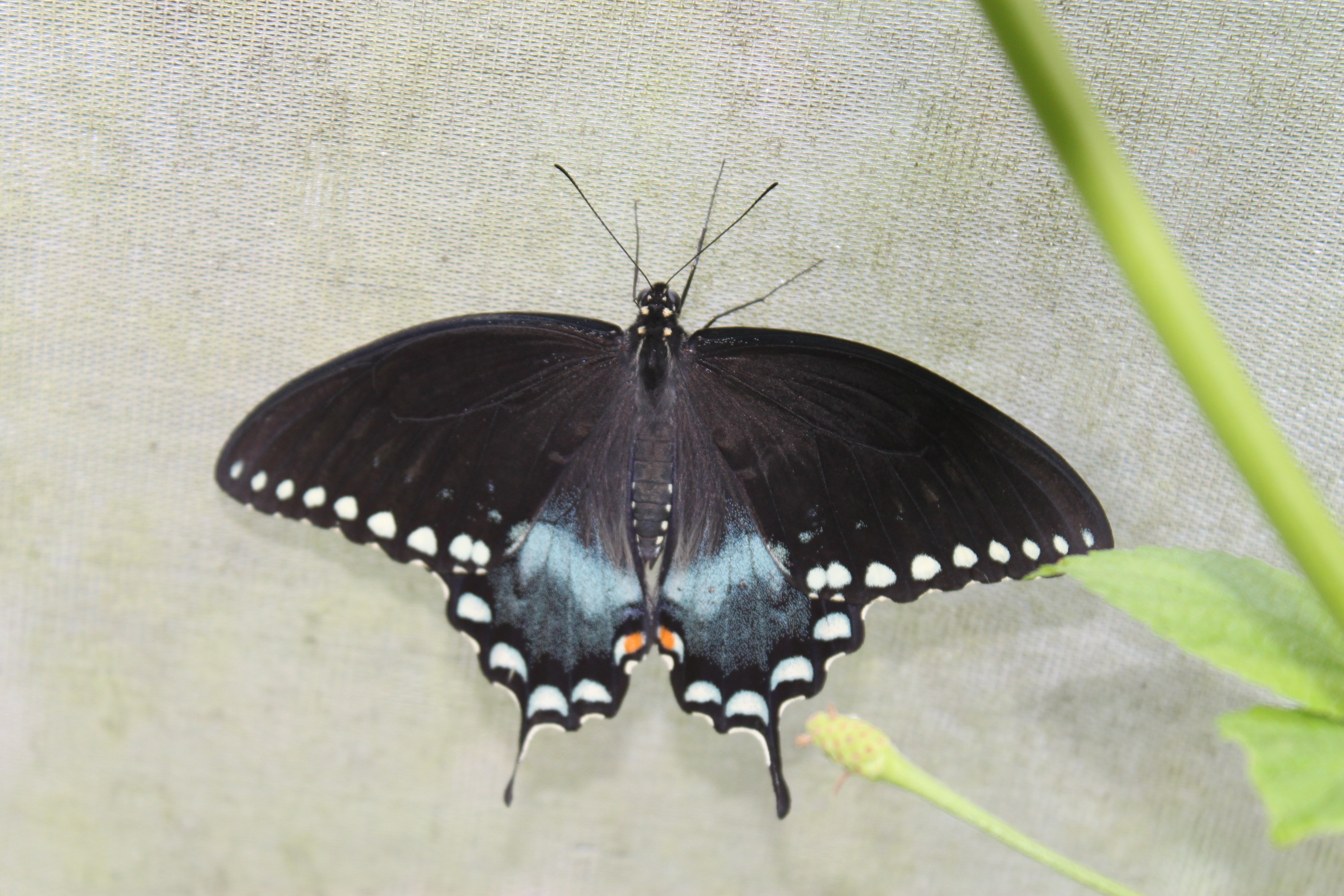
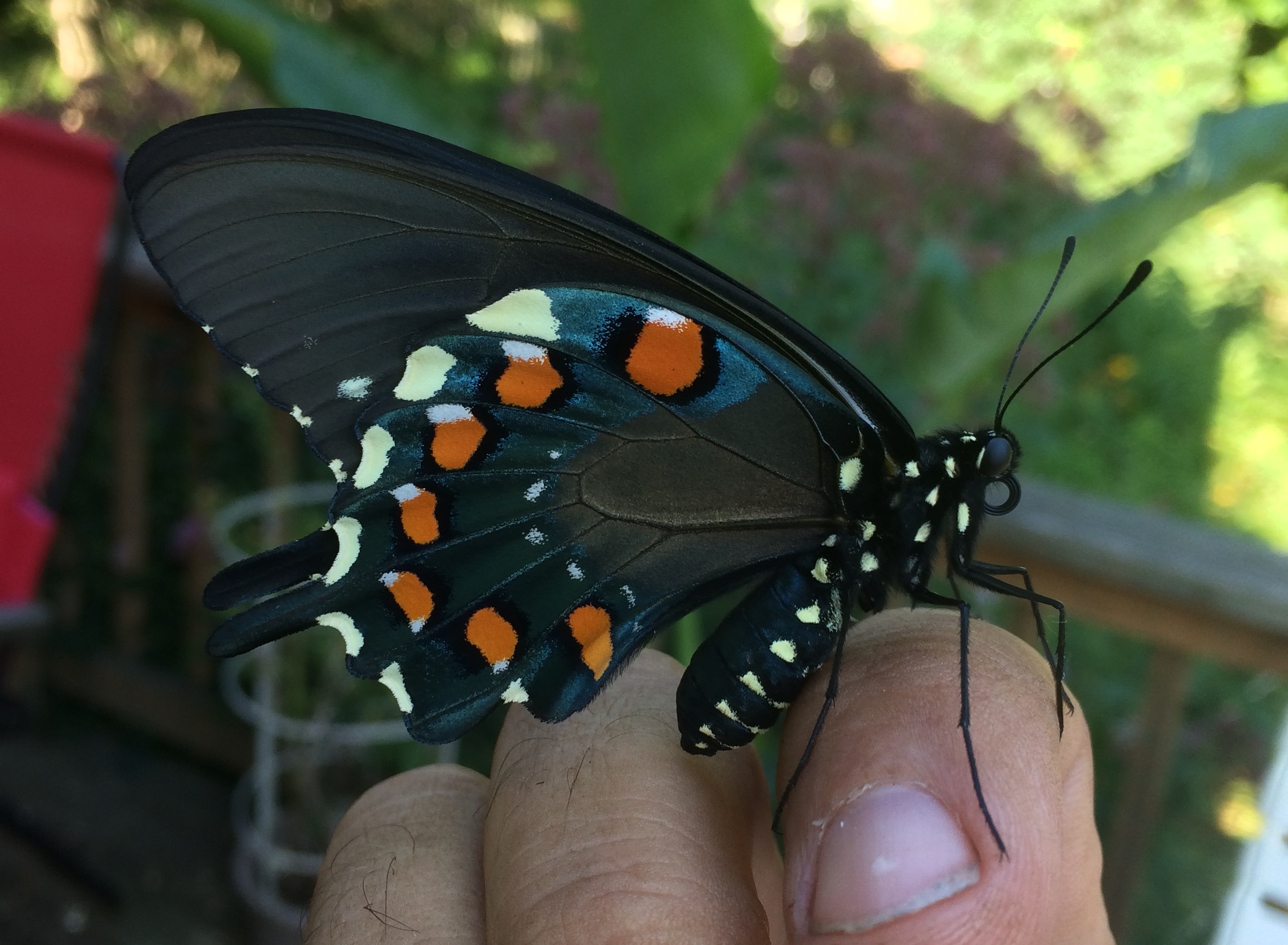
Welcome to part two of my caterpillar food plant series (the first of which was on Saturniidae moth food plants seen HERE).  For this entry I am focusing on the five species of Swallowtail butterflies (family Papilionidae) from New England. This list does not include strays; only species that can be found in this area normally. The Papilionidae, numbering over 700 species worldwide, are among our largest and most spectacular of butterflies!

EASTERN BLACK SWALLOWTAIL – Papilio polyxenes asterius

black-swallowtail-butterfly-731991

Carrot (Daucus), dill (Anetheum), fennel (Foeniculum), parsley (Petroselinum), Queen Anne’s lace (Daucus), rue (Ruta).

Continue reading LARVAL FOODPLANTS OF SWALLOWTAIL BUTTERFLIES OF THE EASTERN UNITED STATES

The Majestic Regal Moth: A Kaleidoscope of Color in the Forest Canopy

Emerging from the depths of eastern North American forests is one of the continent’s most spectacularly adorned insects – the regal moth, scientifically known as Citheronia regalis. With its impressive size, robust body, and a vibrant tapestry of orange, yellow, and black, this magnificent giant silk moth is a true monarch of the night. Its equally striking larva, the “hickory horned devil,” adds to its mystique, making it a fascinating subject from egg to adult.

Continue reading The Majestic Regal Moth: A Kaleidoscope of Color in the Forest Canopy

An Amazing Guide to North America’s Wild Silk Moths: A Detailed Review

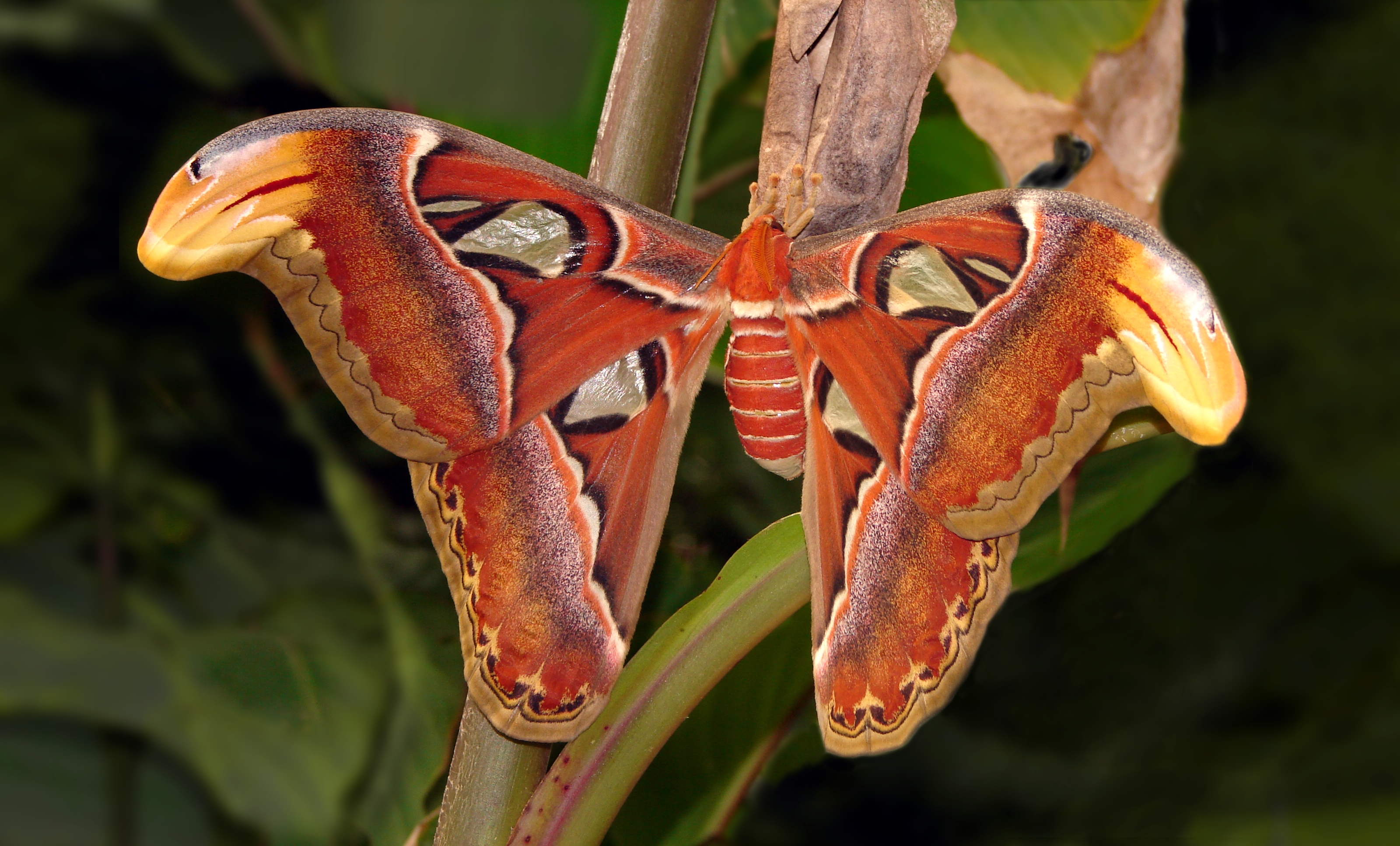
The Wild Silk Moths of North America: A Natural History of the Saturniidae of the United States and Canada by Paul M. Tuskes, James P. Tuttle, and Michael M. Collins, published by Cornell University Press, is a seminal work that delves into the captivating world of the Saturniidae family, commonly known as wild silk moths. This comprehensive book has become an indispensable resource for entomologists, researchers, students, and amateur collectors alike.

Continue reading An Amazing Guide to North America’s Wild Silk Moths: A Detailed Review

The Cryptic Buck Moth: A Striking Beauty with a Stinging Defense

Darting through open woodlands, barrens, and sandy plains of eastern North America in the fall is the buck moth, scientifically known as Hemileuca maia. This striking day-flying moth, adorned with bold black and white patterns and vibrant red or orange markings, possesses a defense mechanism that demands respect: urticating (stinging) spines on its larvae. Its unique life cycle and aposematic coloration make it a fascinating subject of the autumnal landscape.

Continue reading The Cryptic Buck Moth: A Striking Beauty with a Stinging Defense

The Imperial Moth: A Majestic Presence of the Eastern Forests

Drifting through the warm summer nights of eastern North America, the imperial moth, scientifically known as Eacles imperialis, commands attention with its impressive size and regal coloration. This magnificent member of the Saturniidae family, one of our largest silk moths, showcases a stunning tapestry of yellow ochre adorned with patterns of pink, red, and sometimes purple, truly living up to its majestic name.

Continue reading The Imperial Moth: A Majestic Presence of the Eastern Forests

Bugging Out Over the Kaufman Insect Guide

The Kaufman Field Guide to Insects of North America is a truly excellent resource for anyone interested in learning about the incredible diversity of insects. Despite the sheer number of insect species in North America, this guide manages to cover a remarkable range, including all the major groups and many of the species you’re most likely to encounter. It doesn’t just focus on the “charismatic” insects like butterflies and beetles, but also gives attention to the less conspicuous yet equally fascinating groups such as flies, wasps, and true bugs.

Continue reading Bugging Out Over the Kaufman Insect Guide

The Enchanting Polyphemus Moth: A Giant Silkmoth with Windowed Wings

Floating through the twilight of deciduous woodlands across North America is the breathtaking Polyphemus moth, scientifically known as Antheraea polyphemus. This magnificent giant silkmoth, named after the cyclops Polyphemus from Greek mythology due to the striking eyespot on each of its hindwings, captivates observers with its large size, delicate coloration, and the ethereal transparency of its wing windows.

Continue reading The Enchanting Polyphemus Moth: A Giant Silkmoth with Windowed Wings