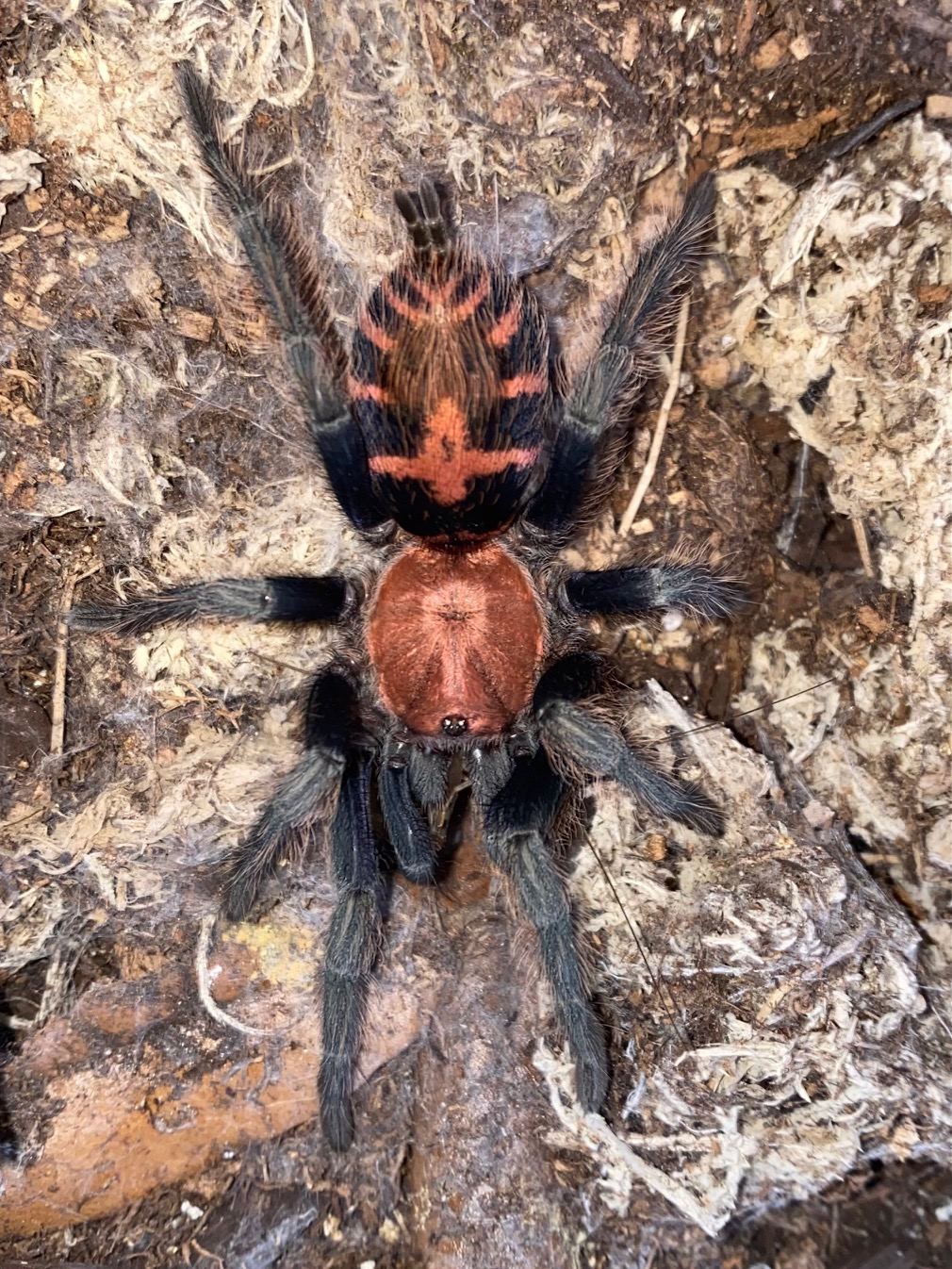
🧸 The Fluffy Favorite: Tliltocatl albopilosus (Curly Hair Tarantula)

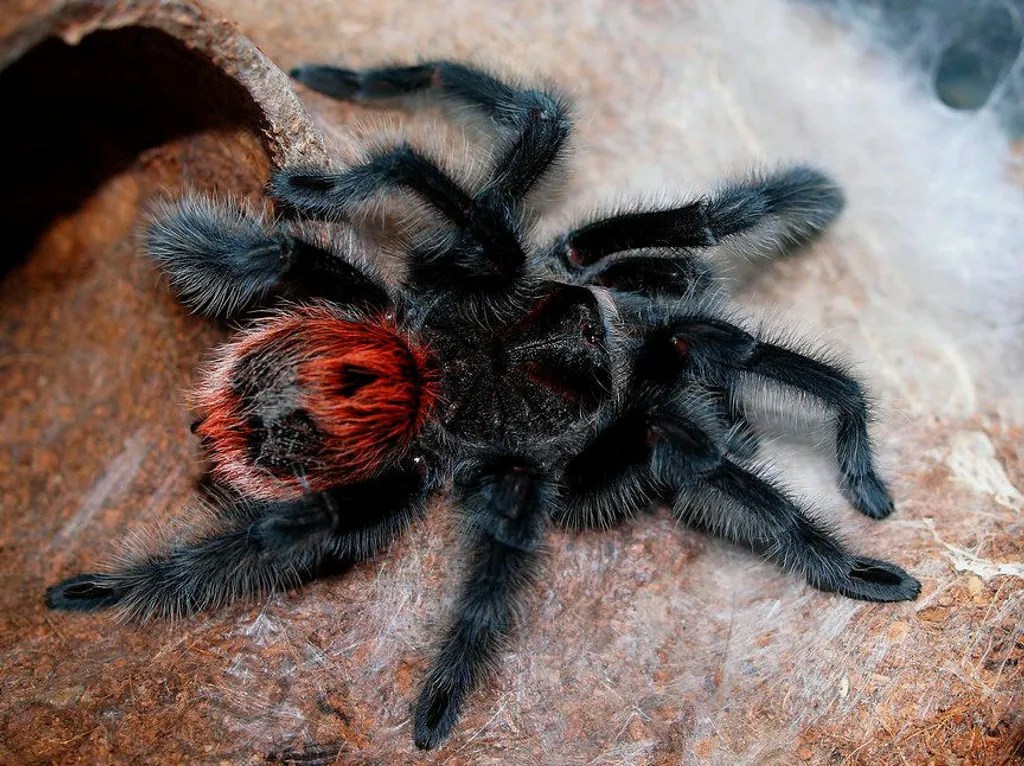
The Tliltocatl albopilosus, universally known as the Curly Hair Tarantula or sometimes the Woolly Tarantula, is arguably the most popular beginner tarantula species in the hobby. Celebrated for its docile nature, hardiness, and unique, charmingly shaggy appearance, this New World species makes an excellent ambassador for the world of exotic pets.

Continue reading 🧸 The Fluffy Favorite: Tliltocatl albopilosus (Curly Hair Tarantula)

🕷️ The Socotra Island Blue Baboon: Monocentropus balfouri

The Monocentropus balfouri, also known as the Socotra Island Blue Baboon, is a highly coveted and visually striking tarantula species. Endemic to the Socotra Archipelago, this Old World spider is famous among hobbyists not only for its beautiful coloration but also for its unique, communal-living behavior, which is rare in the tarantula world.

Continue reading 🕷️ The Socotra Island Blue Baboon: Monocentropus balfouri

RI’s Ultimate Live Bug & Arachnid Experience (2026 Bookings Open!)

🤯 Prepare for an Unforgettable Insect Encounter in Rhode Island!

Get ready to thrill your audience! Starting in 2026, I am unleashing a spectacular, hands-on, and educational invertebrate experience, available for booking at schools, libraries, and birthday parties across Rhode Island!

Continue reading RI’s Ultimate Live Bug & Arachnid Experience (2026 Bookings Open!)

The Thrill of the Hunt: Finding Moth Cocoons in the Wild

For anyone who raises butterflies and moths, having your caterpillars form pupae is a huge undertaking. You spend weeks feeding these hungry mouths, and though you may be doing so in protected environments, the risk of failure remains. Stink bugs, yellow jackets, skunks, and raccoons are always hungry for your babies, and at times, no matter how hard you try, they still seem to find what you are working so hard to protect. There is an excitement that is unequaled when your caterpillars finally form their chrysalis or cocoon. With all of these odds against you in captivity, what chance do they have in the wild?

Continue reading The Thrill of the Hunt: Finding Moth Cocoons in the Wild

Argiope aurantia: The Striking “Black and Yellow Garden Spider” of North America

From the temperate gardens, meadows, and open woodlands across North America comes Argiope aurantia, popularly known as the Black and Yellow Garden Spider, Writing Spider, or Corn Spider. This visually stunning orb-weaver is celebrated for its dramatic, bright coloration, impressive size, and the creation of one of the most distinctive and intricate spider webs in the animal kingdom, complete with a prominent zigzag pattern.

Continue reading Argiope aurantia: The Striking “Black and Yellow Garden Spider” of North America

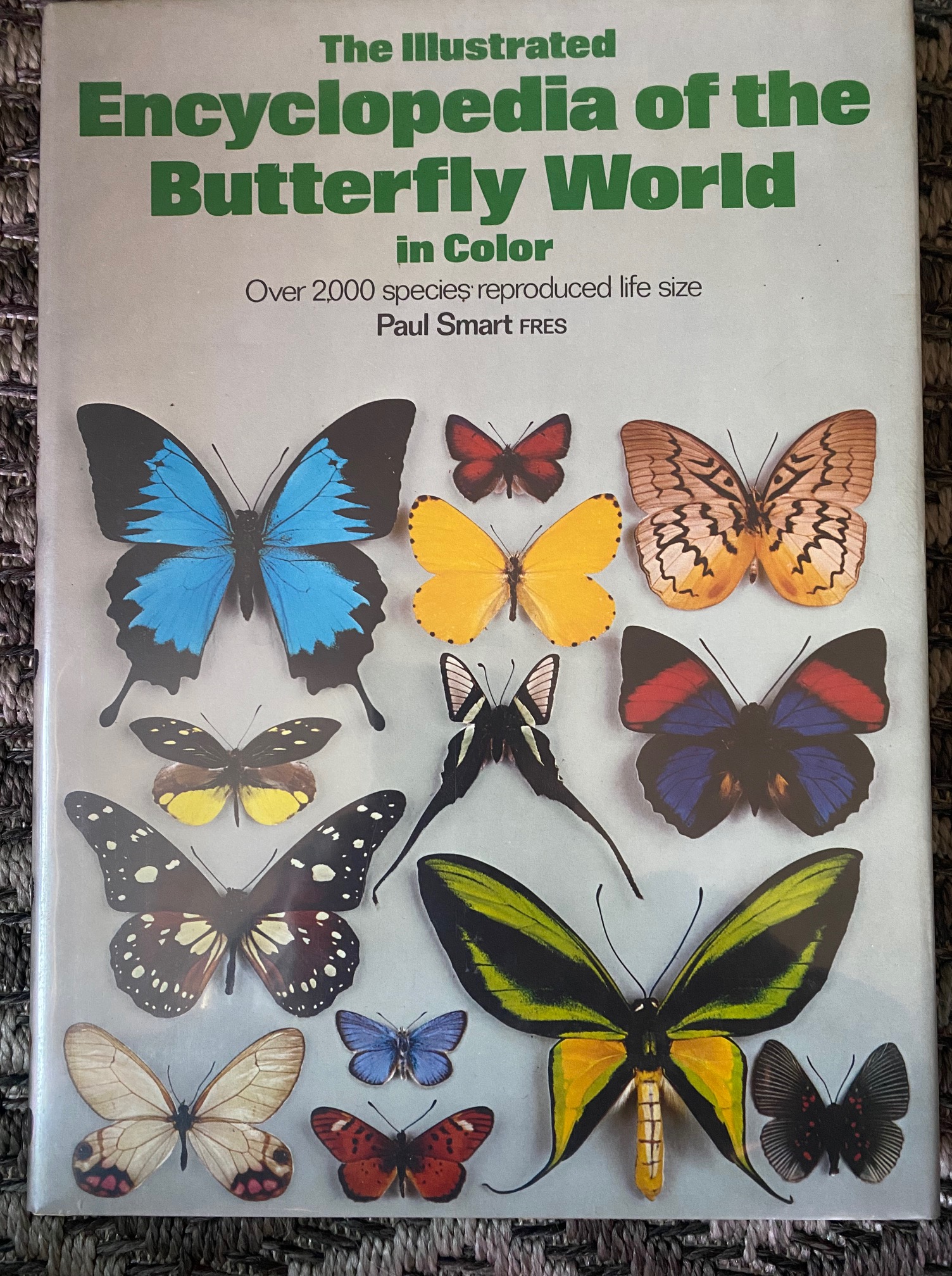
The Moth Book: A Timeless Classic of Natural History

The Moth Book by W.J. Holland, first published in 1903, remains a remarkable and foundational work in the study of North American moths. While many scientific texts from that era have become obsolete, Holland’s masterpiece endures as a testament to his passion for the subject and his skill as both a scientist and a writer. It’s a book that masterfully combines scientific rigor with an accessible, engaging style, making it a true classic for both professional entomologists and amateur naturalists alike.

Continue reading The Moth Book: A Timeless Classic of Natural History

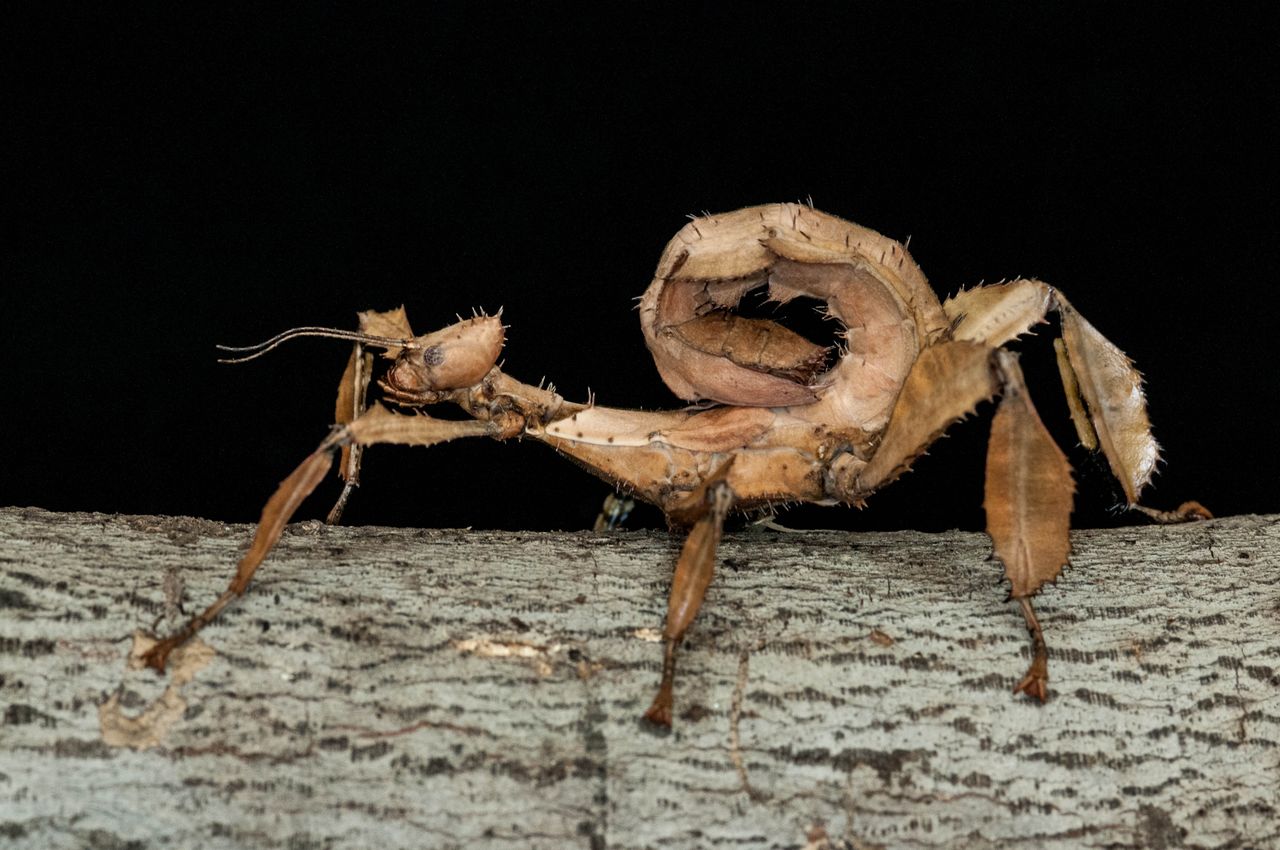
Heteropteryx dilatata: The Massive “Jungle Nymph” of Southeast Asia

From the dense, humid rainforests of the Malay Peninsula and surrounding islands of Southeast Asia comes Heteropteryx dilatata, popularly known as the Jungle Nymph, Malayan Jungle Nymph, or Giant Malaysian Stick Insect. This monumental stick insect is revered for its incredible size, striking appearance, and remarkable camouflage, making it one of the largest and most sought-after species in the entomology hobby.

Continue reading Heteropteryx dilatata: The Massive “Jungle Nymph” of Southeast Asia

Pamphobeteus nigricolor: The Magnificent “Giant Blue Bloom Tarantula”

From the lush, cloud-kissed mountains and humid rainforests of South America, primarily in Peru and Ecuador, comes Pamphobeteus nigricolor, popularly known as the Giant Blue Bloom Tarantula. This impressive terrestrial tarantula is highly sought after by collectors for its monumental size, robust build, and the stunning sexual dimorphism where males display a breathtaking iridescent purple and blue coloration.


Continue reading Pamphobeteus nigricolor: The Magnificent “Giant Blue Bloom Tarantula”

Dragonflies & Damselflies: A Natural History – A Winged Window into a Hidden World

In the world of natural history books, some inform, while others transport. Dennis Paulson’s “Dragonflies & Damselflies: A Natural History” firmly belongs in the latter category. This isn’t merely a field guide; it’s a profound and beautifully rendered tribute to some of the planet’s most ancient and captivating insects. Paulson, a renowned authority on the subject, has crafted a work that is as rich in scientific detail as it is in a palpable sense of wonder.

Continue reading Dragonflies & Damselflies: A Natural History – A Winged Window into a Hidden World

Lasiodora parahybana: The Gentle Giant of the Tarantula World

Often admired for its impressive size and surprisingly docile nature, Lasiodora parahybana, more commonly known as the Brazilian salmon pink bird-eater, is one of the world’s largest species of tarantula. Despite its intimidating common name, this terrestrial tarantula is a popular pet among enthusiasts for its hardiness, calm temperament, and awe-inspiring growth. Native to the humid forests of Brazil, this gentle giant brings a unique presence to the world of arachnids.

Continue reading Lasiodora parahybana: The Gentle Giant of the Tarantula World