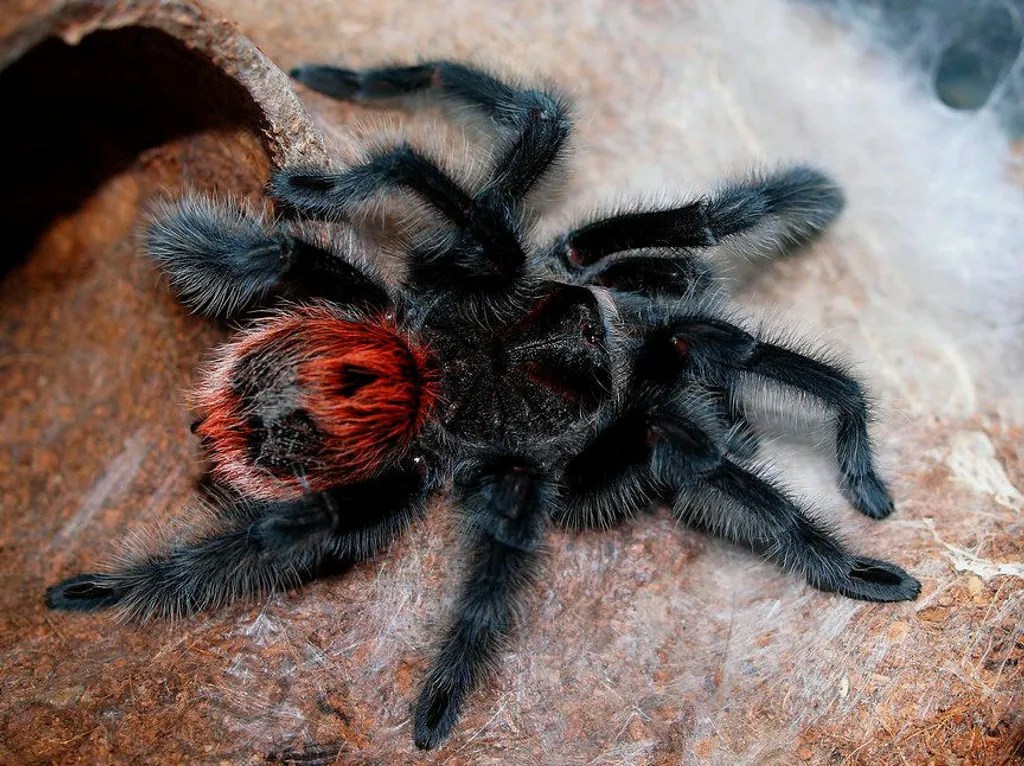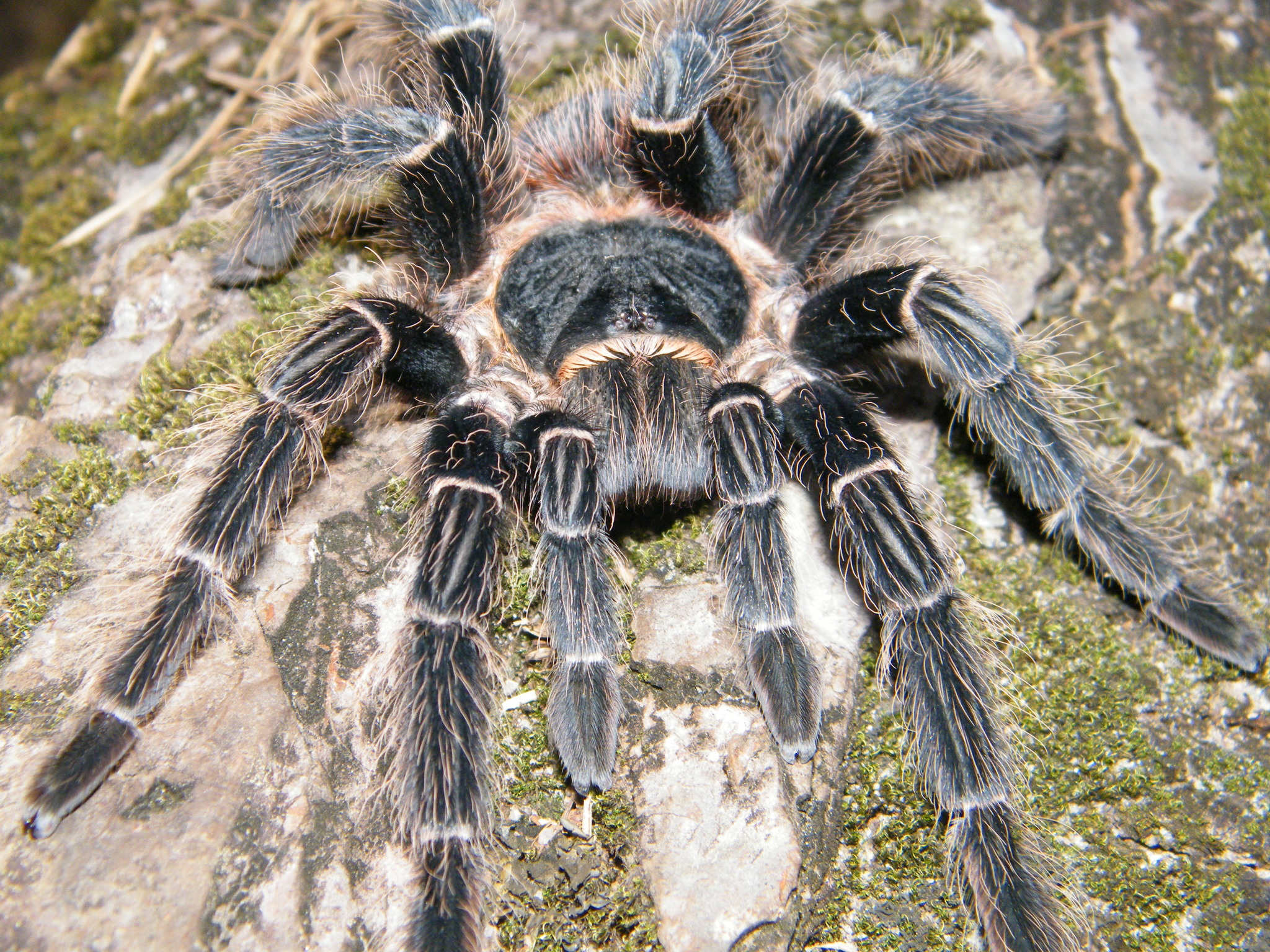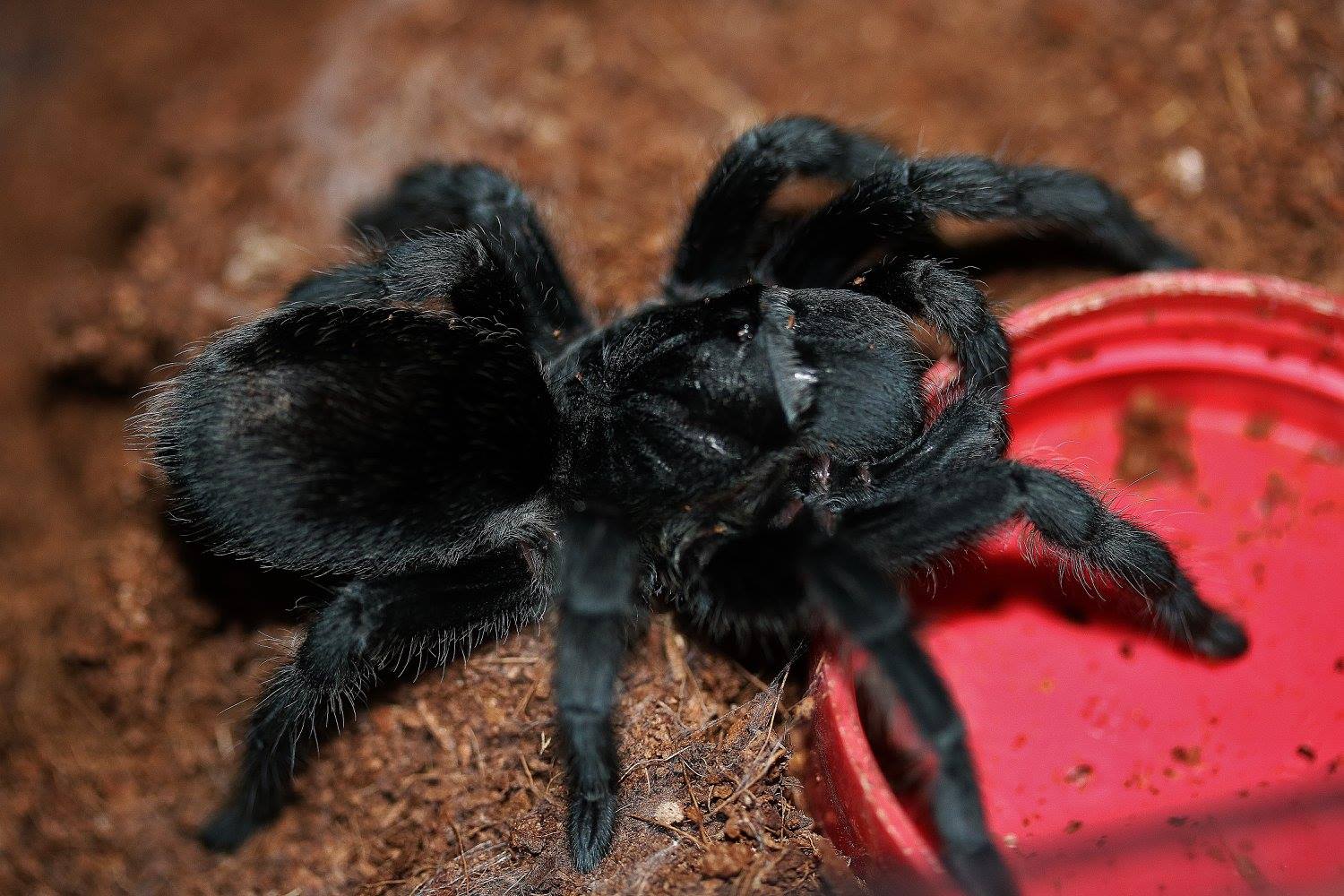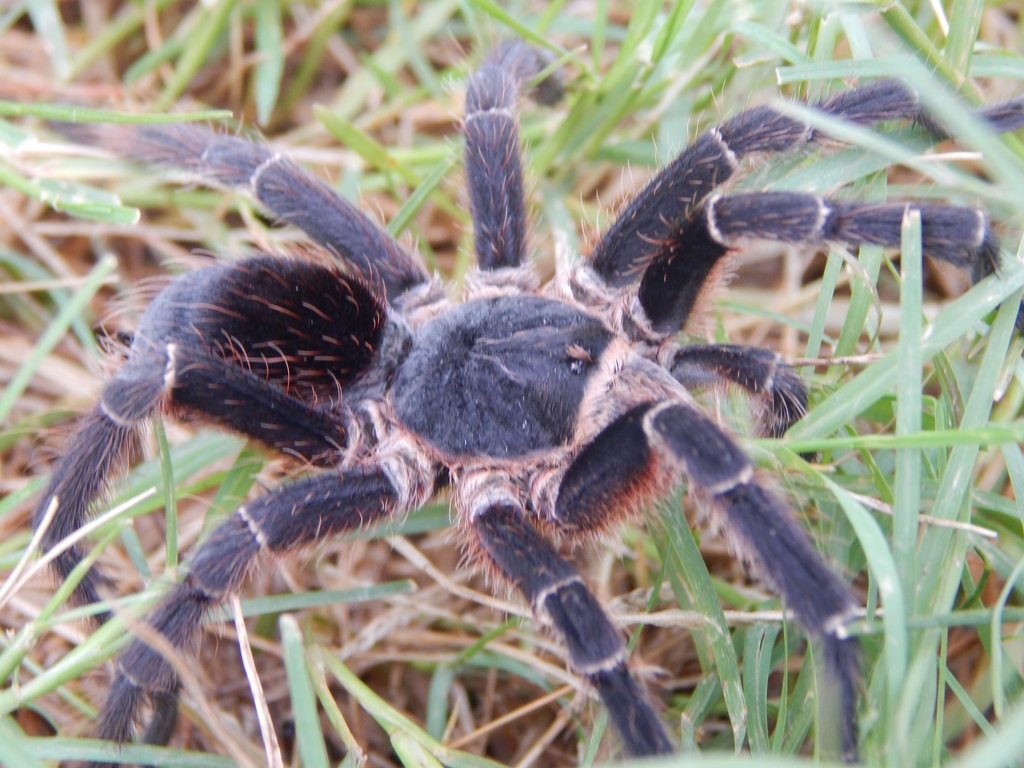
Often admired for its impressive size and surprisingly docile nature, Lasiodora parahybana, more commonly known as the Brazilian salmon pink bird-eater, is one of the world’s largest species of tarantula. Despite its intimidating common name, this terrestrial tarantula is a popular pet among enthusiasts for its hardiness, calm temperament, and awe-inspiring growth. Native to the humid forests of Brazil, this gentle giant brings a unique presence to the world of arachnids.
Continue reading Lasiodora parahybana: The Gentle Giant of the Tarantula WorldCategory Archives: Tarantulas
The Brazilian Black Tarantula: A Velvet Beauty of the Pampas
From the expansive grasslands and open woodlands of southern Brazil and parts of Uruguay emerges one of the most sought-after and beloved tarantulas in the hobby – Grammostola pulchra, universally known as the Brazilian Black Tarantula, or sometimes the Brazilian Black. Revered for its striking, velvety black coloration, robust build, and exceptionally docile temperament, this terrestrial species is a true gem, making it an ideal ambassador for tarantulas and a favorite among enthusiasts.
Continue reading The Brazilian Black Tarantula: A Velvet Beauty of the PampasThe White-Collared Tarantula: A Docile Grazer of the Pampas
From the expansive grasslands and open areas of the Pampas plains in Argentina and Uruguay hails Eupalaestrus weijenberghi, commonly known as the White-Collared Tarantula. Revered in the arachnid hobby for its remarkably docile temperament and unique coloration, this terrestrial tarantula offers a fascinating glimpse into the life of South American mygalomorphs, often encountered by its persistent males traversing the open landscape.
Continue reading The White-Collared Tarantula: A Docile Grazer of the PampasThe Brazilian Blue Dwarf Beauty: Unveiling Dolichothele diamantinensis
From the sun-baked, rocky savannas of southeastern Brazil emerges a miniature marvel of the tarantula world – Dolichothele diamantinensis, commonly known as the Brazilian Blue Dwarf Beauty. Described in 2009, this charming terrestrial tarantula captivates enthusiasts with its vibrant blue coloration, intricate webbing habits, and a deceptively feisty nature, proving that beauty and intensity can come in small packages.
Continue reading The Brazilian Blue Dwarf Beauty: Unveiling Dolichothele diamantinensisThe Striking Socotra Island Blue Baboon: Unveiling Monocentropus balfouri
From the enigmatic and ancient island of Socotra, nestled in the Arabian Sea, hails a tarantula of exceptional beauty and fascinating social dynamics – Monocentropus balfouri, commonly known as the Socotra Island Blue Baboon or Socotra Blue Baboon. Revered in the arachnid hobby for its stunning coloration and communal living tendencies, this species offers a unique glimpse into the complex world of tarantulas.
Continue reading The Striking Socotra Island Blue Baboon: Unveiling Monocentropus balfouriBeyond the Red Knee: Discovering the True Flame of Mexico’s Tarantulas
The Mexican Flame Knee Tarantula, Brachypelma auratum, is a visually striking species of New World terrestrial tarantula known for its vibrant black coloration accented by fiery red-orange markings on its patellae (knees). Its history is intertwined with the broader understanding and classification of the Brachypelma genus, particularly its close resemblance to the well-known Mexican Red Knee tarantula, Brachypelma hamorii (formerly often referred to as Brachypelma smithi).
Continue reading Beyond the Red Knee: Discovering the True Flame of Mexico’s Tarantulas“The Tarantula Keeper’s Log Book”: The Perfect Gift for the Tarantula Enthusiast in Your Life!
Do you have that one friend that likes tarantulas and you just don’t know what to get them for their birthday of Christmas? How about my “The Tarantula Keeper’s Log Book?” A brand-new book designed by a tarantula keeper for tarantula keepers! Featuring 200 pages, this book covers 87 species of the most-commonly kept types of tarantulas with plenty of room to keep track of your feeding regimen, molting records, rehousing dates and even breeding records. The book is spiral bound so keeping it open flat is a breeze as you work with your eight-legged kids. The book is in full color featuring a beautifully painted cover by artist Laura Airey Le. Each species also features a full color photo featuring images by top photographers such as Rick C. West and Danny de Bruyne. This is definitely a book that you will use again and again!
Continue reading “The Tarantula Keeper’s Log Book”: The Perfect Gift for the Tarantula Enthusiast in Your Life!The Majestic Ornamental: Unveiling the Beauty and Mystery of Poecilotheria regalis
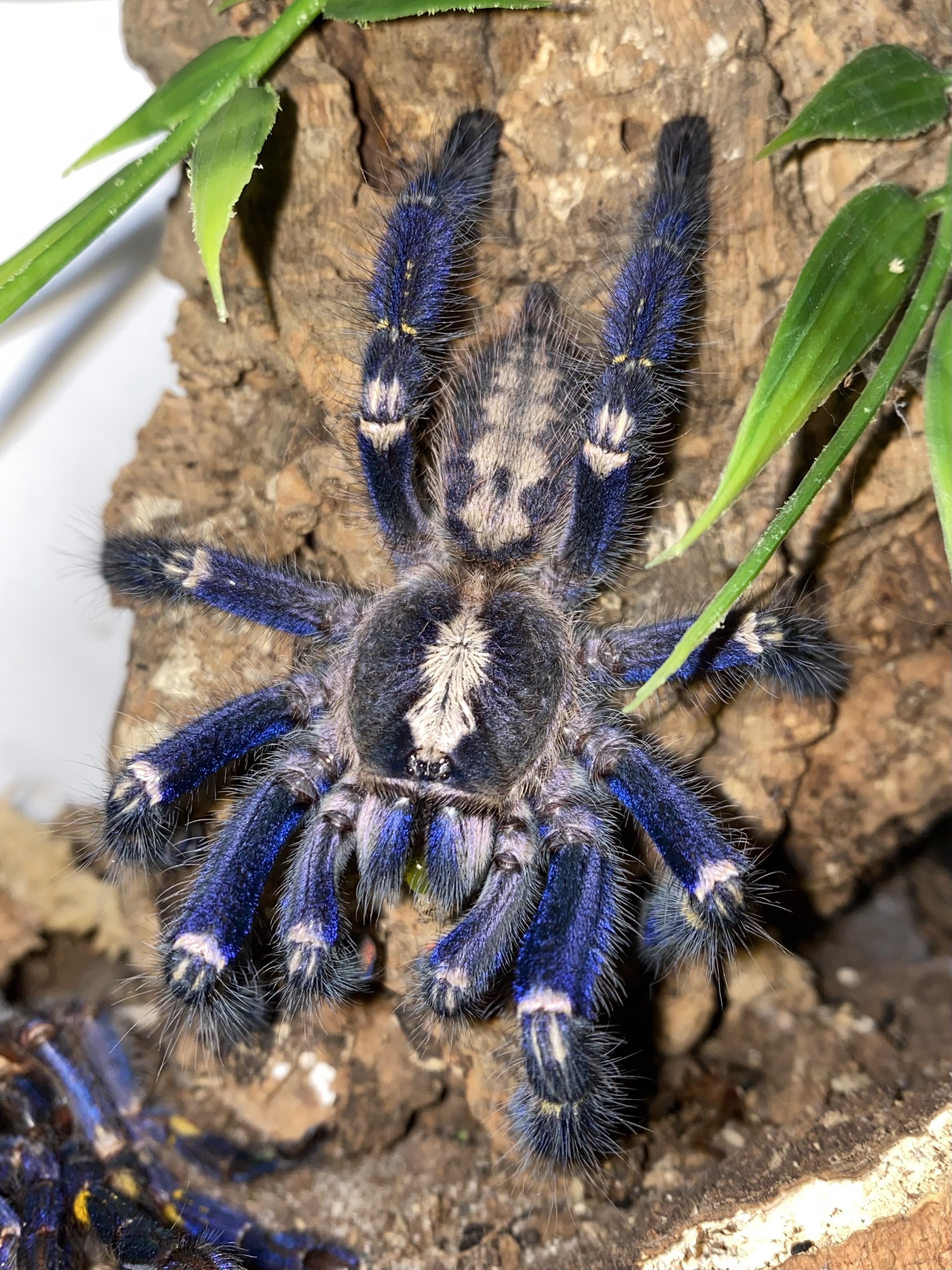
From the shadowy depths of the tropical deciduous forests of India emerges a spider of breathtaking beauty and captivating allure – the Indian ornamental tarantula, scientifically known as Poecilotheria regalis. Revered by arachnid enthusiasts for its intricate patterns, impressive size, and arboreal lifestyle, this species embodies both the elegance and the enigmatic nature of the spider world.
Continue reading The Majestic Ornamental: Unveiling the Beauty and Mystery of Poecilotheria regalisMONOCENTROPUS BALFOURI…AN EXPERIMENT IN COMMUNAL TARANTULAS
I am always on the lookout for new and exciting tarantula species that I can add to my ever-growing collection. In 2014, one species in particular stood out for me…Monocentropus balfouri, the Socotra Island Blue Leg Baboon Spider. For the most part I have never had an interest in baboon spiders but this one certainly struck my fancy. First off, it is stunningly beautiful with its tan and blue coloration. Next, from what I have read, they are generally pretty docile, a trait not often found in baboon spiders. Then, since they live in a dry climate, their humidity requirements are minimal. Finally, word has it that they can be kept successfully in groups, something that is rare in tarantulas.
Continue reading MONOCENTROPUS BALFOURI…AN EXPERIMENT IN COMMUNAL TARANTULASSPECIES SPOTLIGHT: Brachypelma albiceps, the Mexican Golden Red Rump
I may have mentioned it before; Brachypelma is my favorite genus of tarantulas. They have everything going for them. They are long-lived, have amazing colors and for the most part, don’t have an aggressive bone in their body. Brachypelma albiceps is also one of my favorites, as it seems to be the odd man out when it comes to coloration.
Continue reading SPECIES SPOTLIGHT: Brachypelma albiceps, the Mexican Golden Red Rump