This is going to be a quick entry in this case study. As of this writing on June 27, 2021, all but a few cocoons have hatched. I have a small assortment still of cecropia, polyphemus and luna. Initially I felt that this case study was a failure about after giving it some thought, I realized that I know a lot more now than I did at the start, which should help tremendously going into 2022.
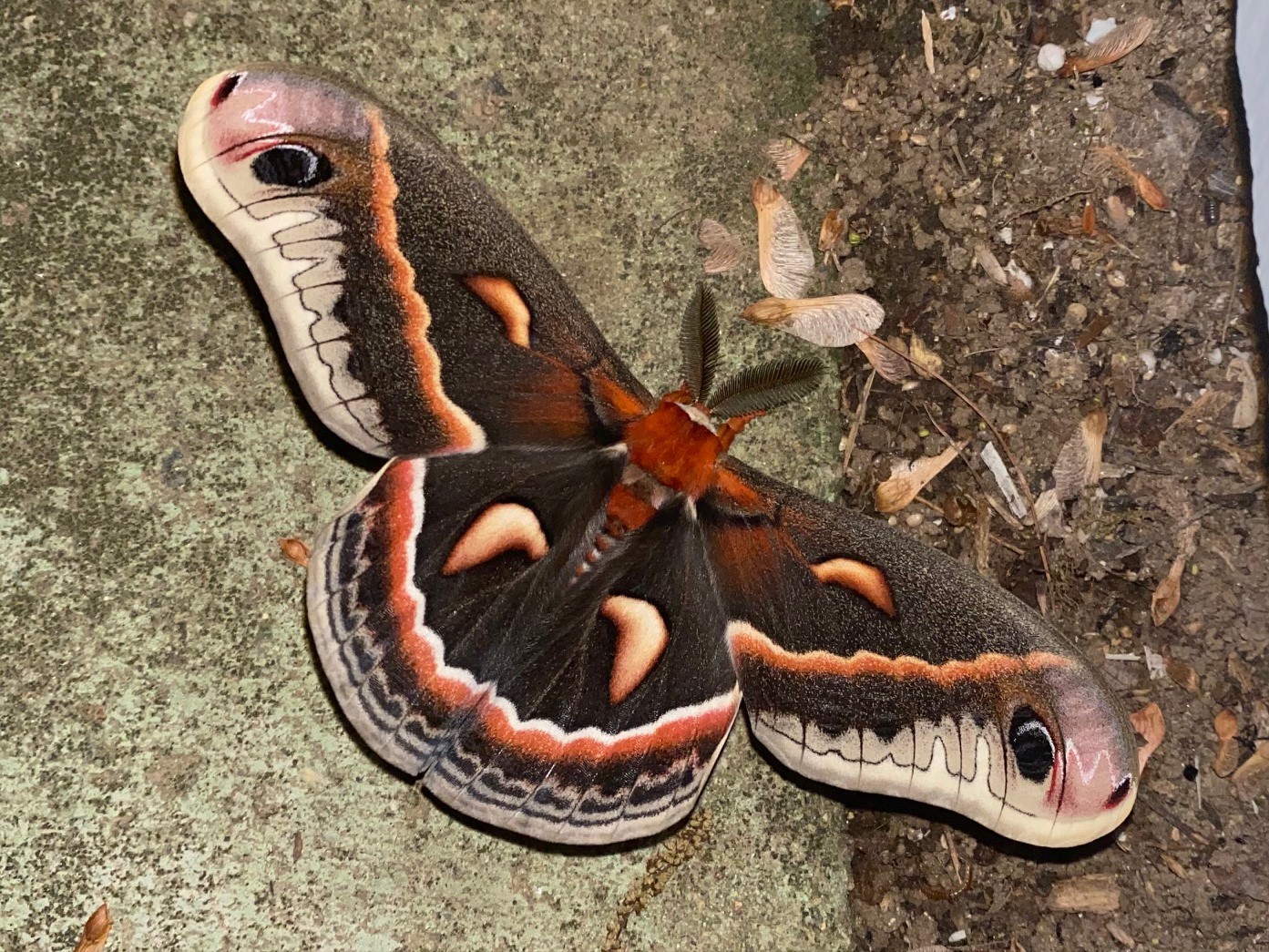
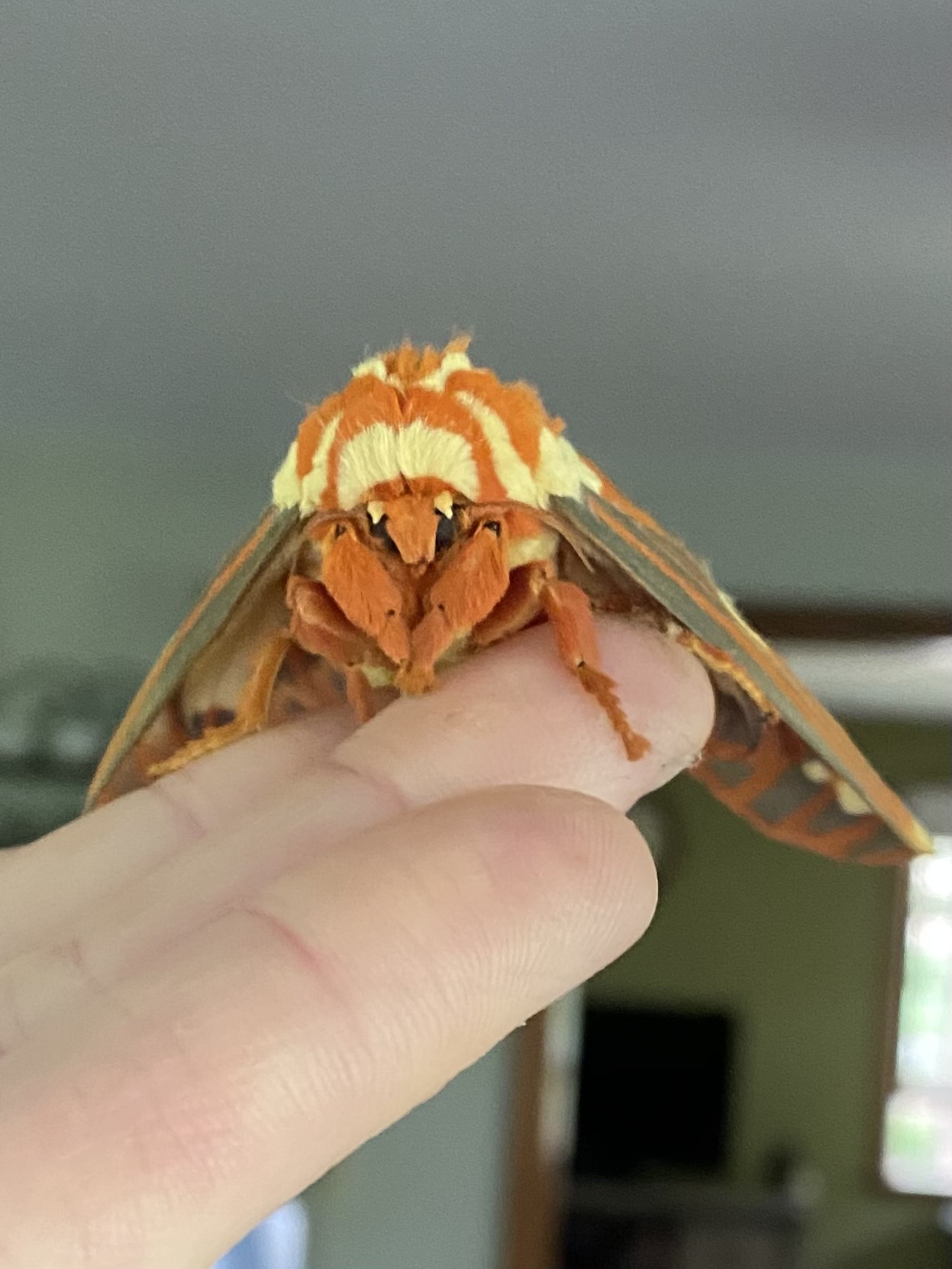
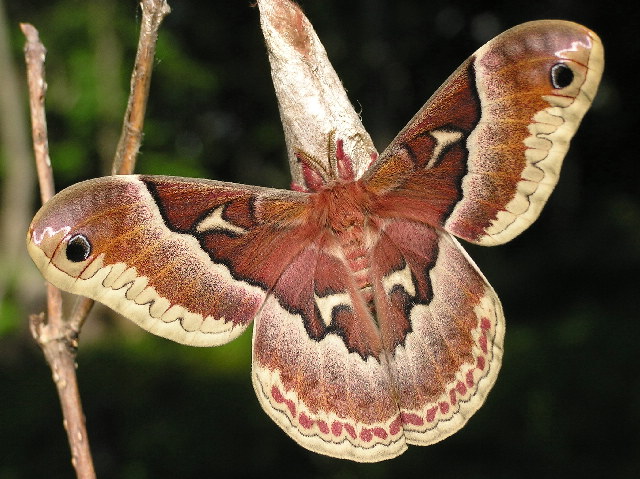
Cocoons and pupae I was able to obtain prior to this study were Actias luna, Hyalophora cecropia, Antheraea polyphemus, Samia cynthia and Citheronia regalis. On the last two species, I did not have high hopes of drawing in males attracted to hatched gravid females, but thought that perhaps, living so close to Connecticut, that I may be pleasantly surprised.
When it comes to insects, butterflies and moths have always been my favorite type. Nothing beats a warm summer day sitting outside, watching butterflies visit your flowers. As much as I enjoy this though, it is the giant silk moths that fly at night that I am passionate about the most.
If you are a regular reader here then the name Orin McMonigle should not be new to you. I have read many of his books and even reviewed one of them HERE. Orin reminds me of myself on so many levels as I too have spent my life keeping live creepy crawlies and what he is doing is providing sound information for those like-minded people.
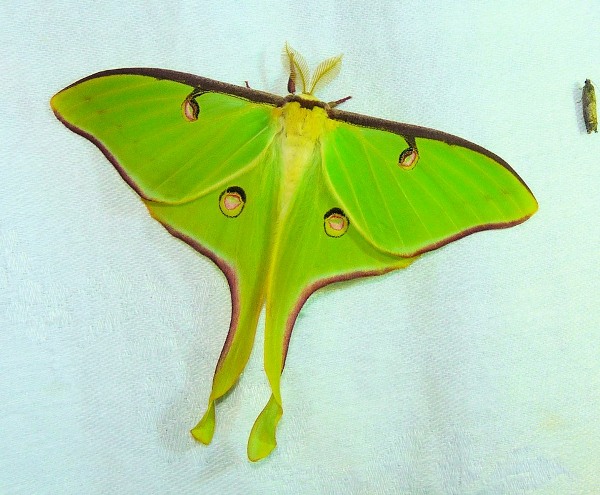
The Luna Moth (Actias luna) is one of the most spectacular of the giant Saturniid moths from the United States. With its green colors and long delicate tails, it is breathtaking to see live and in person, especially for the first time! According to the amazing book “The Wild Silk Moths of North America: A Natural History of the Saturniidae of the United States and Canada” by Paul M. Tuskes, James P. Tuttle and Michael M. Collins, this species can be found throughout most of the eastern part of North America. There are two seasonal forms, with those hatching in the spring being a more intense green in color whereas those hatching in the summer tend to be more yellowish. The spring forms also have a more vibrant purple outer wing margin. I have found them very easy to rear on both walnut and sweetgum, with the only real issues being overcrowding which tends to attract yellow jackets and birds, who love to eat the caterpillars, especially when using net bags on the branches of trees.


 davethebugguy.org