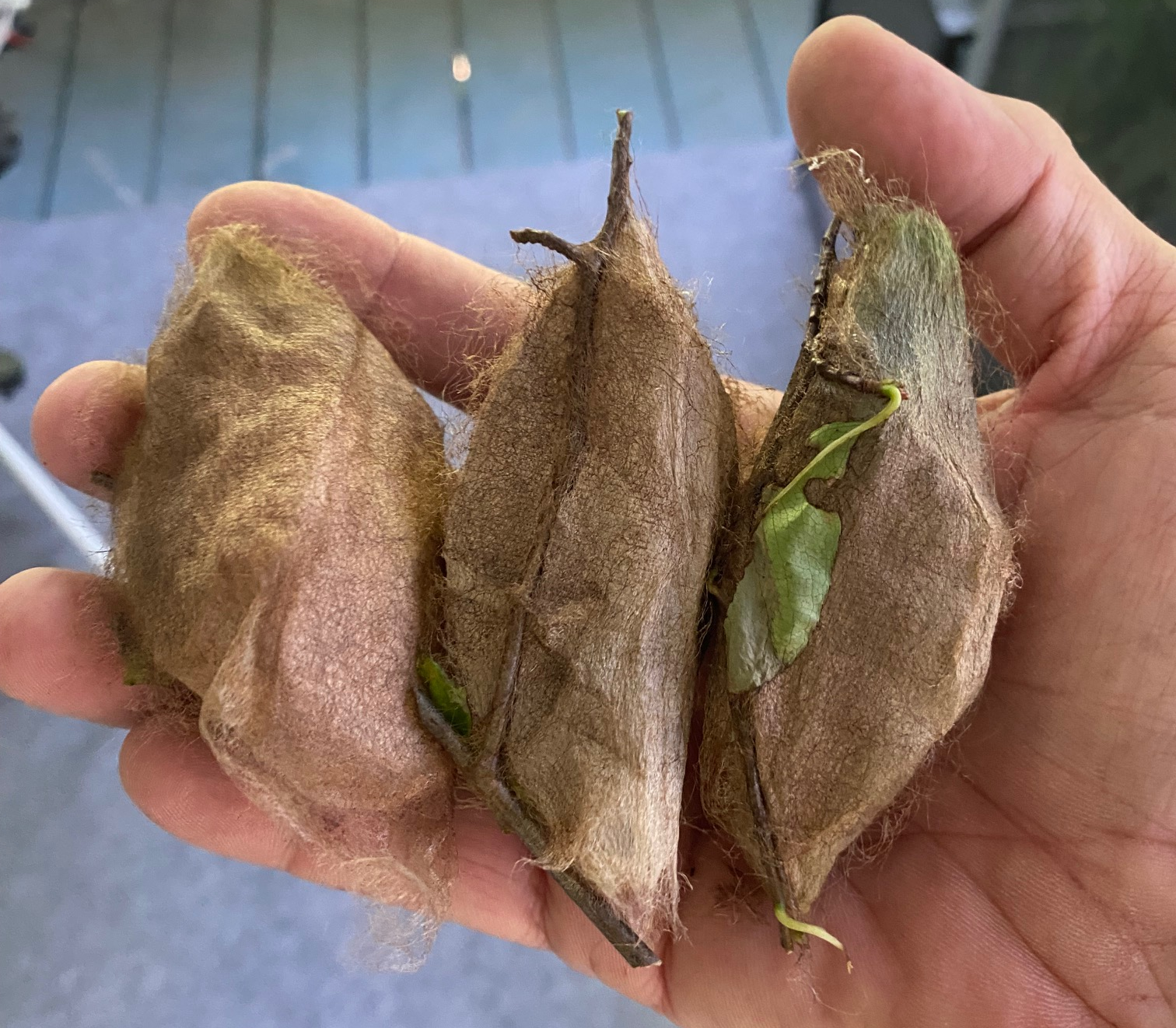
For anyone who raises butterflies and moths, having your caterpillars form pupae is a huge undertaking. You spend weeks feeding these hungry mouths, and though you may be doing so in protected environments, the risk of failure remains. Stink bugs, yellow jackets, skunks, and raccoons are always hungry for your babies, and at times, no matter how hard you try, they still seem to find what you are working so hard to protect. There is an excitement that is unequaled when your caterpillars finally form their chrysalis or cocoon. With all of these odds against you in captivity, what chance do they have in the wild?
Continue reading The Thrill of the Hunt: Finding Moth Cocoons in the WildCategory Archives: Saturniidae
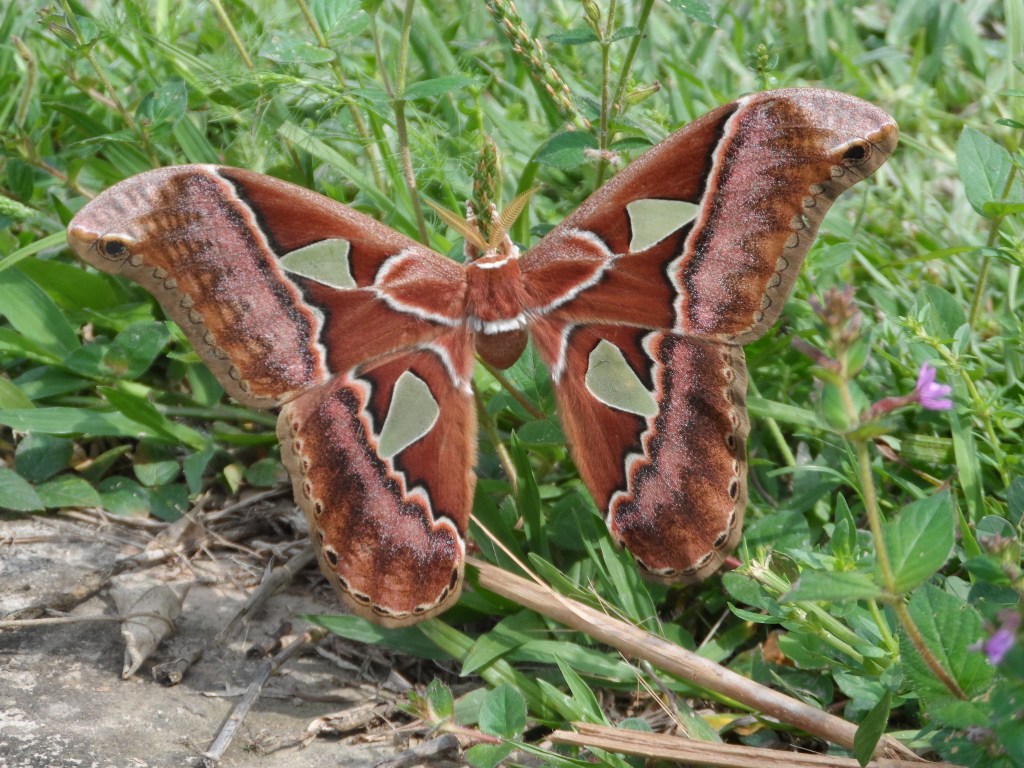
The South American Mirror Moth: Unveiling Rothschildia speculifer

Soaring with a deliberate, fluttering flight through the tropical and subtropical forests of South America, Rothschildia speculifer (often recognized as a subspecies of Rothschildia aurota) is a magnificent giant silkmoth. As a prominent member of the Rothschildia genus, it is distinguished by its impressive size and the striking, clear, window-like patches on its wings, which lend it a unique, almost translucent beauty.
Continue reading The South American Mirror Moth: Unveiling Rothschildia speculiferThe Mythical Atlas Moth: A Giant of the Asian Tropics
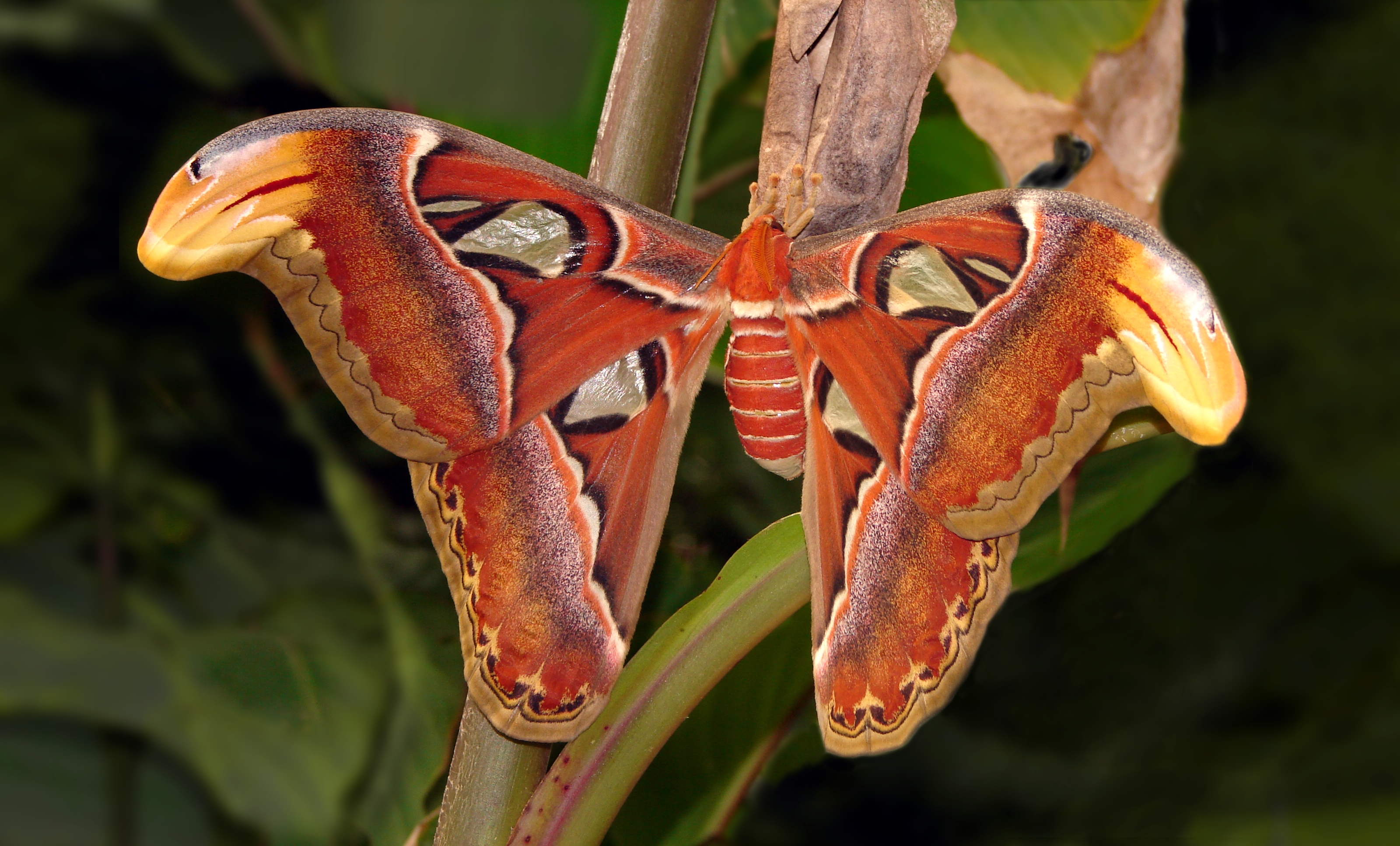
From the lush, humid rainforests and subtropical woodlands of Southeast Asia emerges a creature of almost mythical proportions – Attacus atlas, universally known as the Atlas Moth. As one of the largest moths in the world, its sheer size, intricate wing patterns resembling maps, and unique life cycle centered around a brief, non-feeding adult stage, make it an awe-inspiring wonder of the insect kingdom.
Continue reading The Mythical Atlas Moth: A Giant of the Asian TropicsThe Majestic Regal Moth: A Kaleidoscope of Color in the Forest Canopy
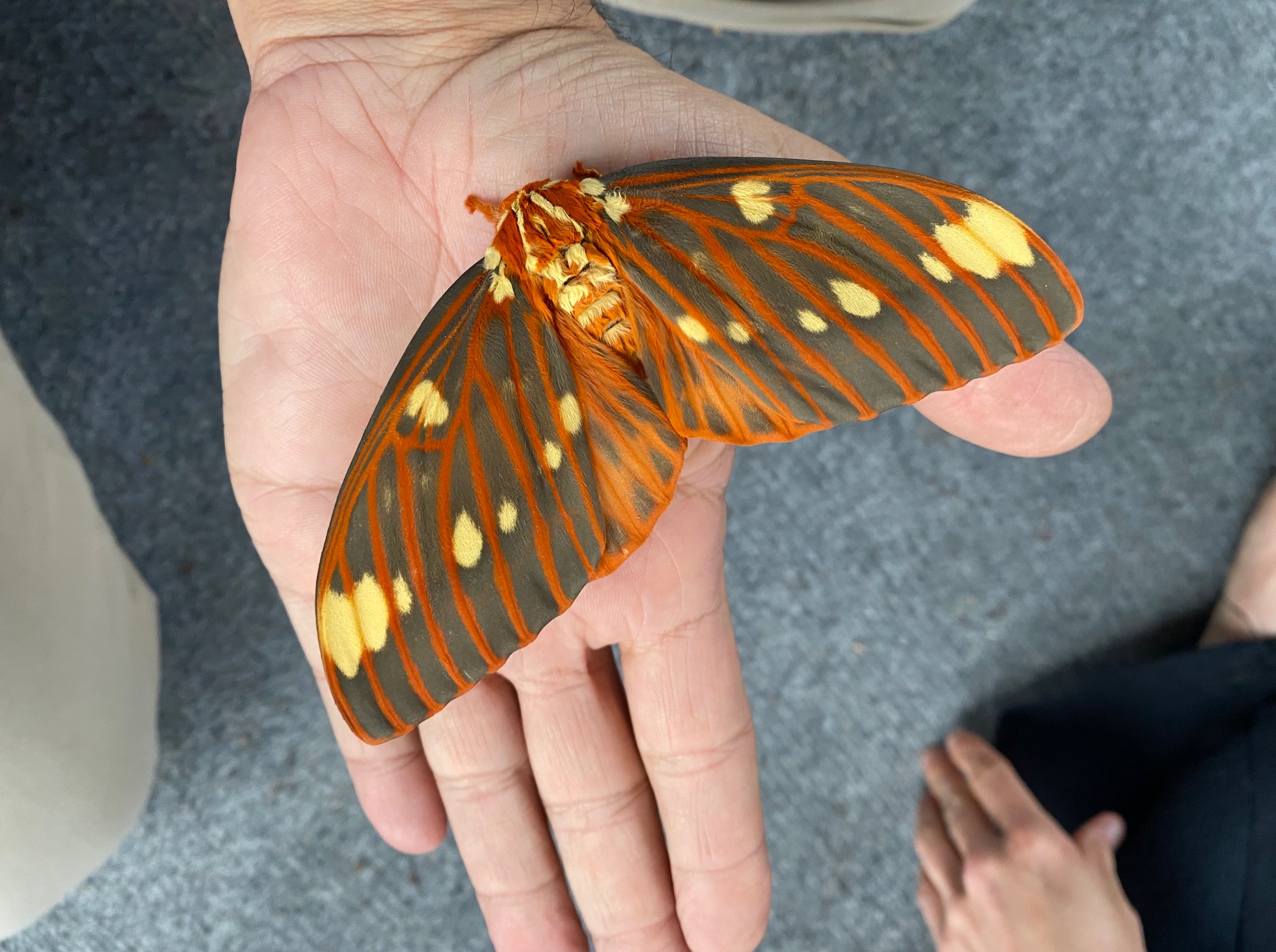
Emerging from the depths of eastern North American forests is one of the continent’s most spectacularly adorned insects – the regal moth, scientifically known as Citheronia regalis. With its impressive size, robust body, and a vibrant tapestry of orange, yellow, and black, this magnificent giant silk moth is a true monarch of the night. Its equally striking larva, the “hickory horned devil,” adds to its mystique, making it a fascinating subject from egg to adult.
Continue reading The Majestic Regal Moth: A Kaleidoscope of Color in the Forest CanopyThe Cryptic Buck Moth: A Striking Beauty with a Stinging Defense
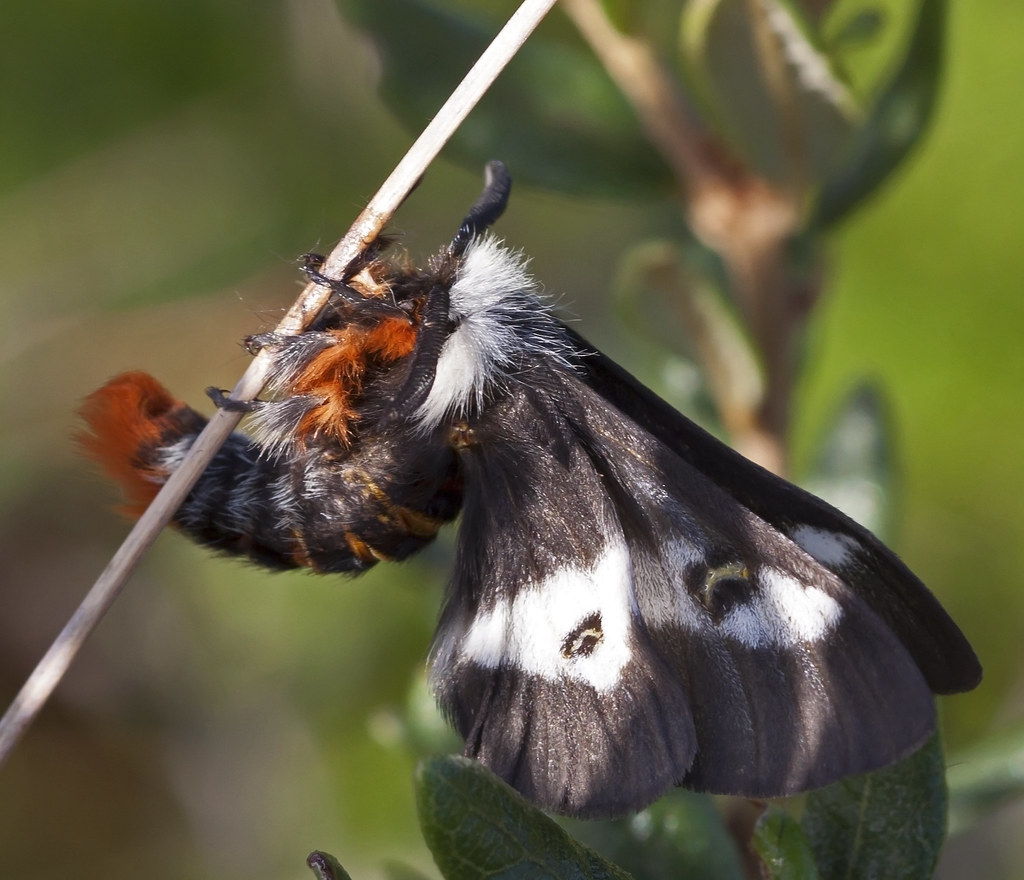
Darting through open woodlands, barrens, and sandy plains of eastern North America in the fall is the buck moth, scientifically known as Hemileuca maia. This striking day-flying moth, adorned with bold black and white patterns and vibrant red or orange markings, possesses a defense mechanism that demands respect: urticating (stinging) spines on its larvae. Its unique life cycle and aposematic coloration make it a fascinating subject of the autumnal landscape.
Continue reading The Cryptic Buck Moth: A Striking Beauty with a Stinging DefenseThe Imperial Moth: A Majestic Presence of the Eastern Forests
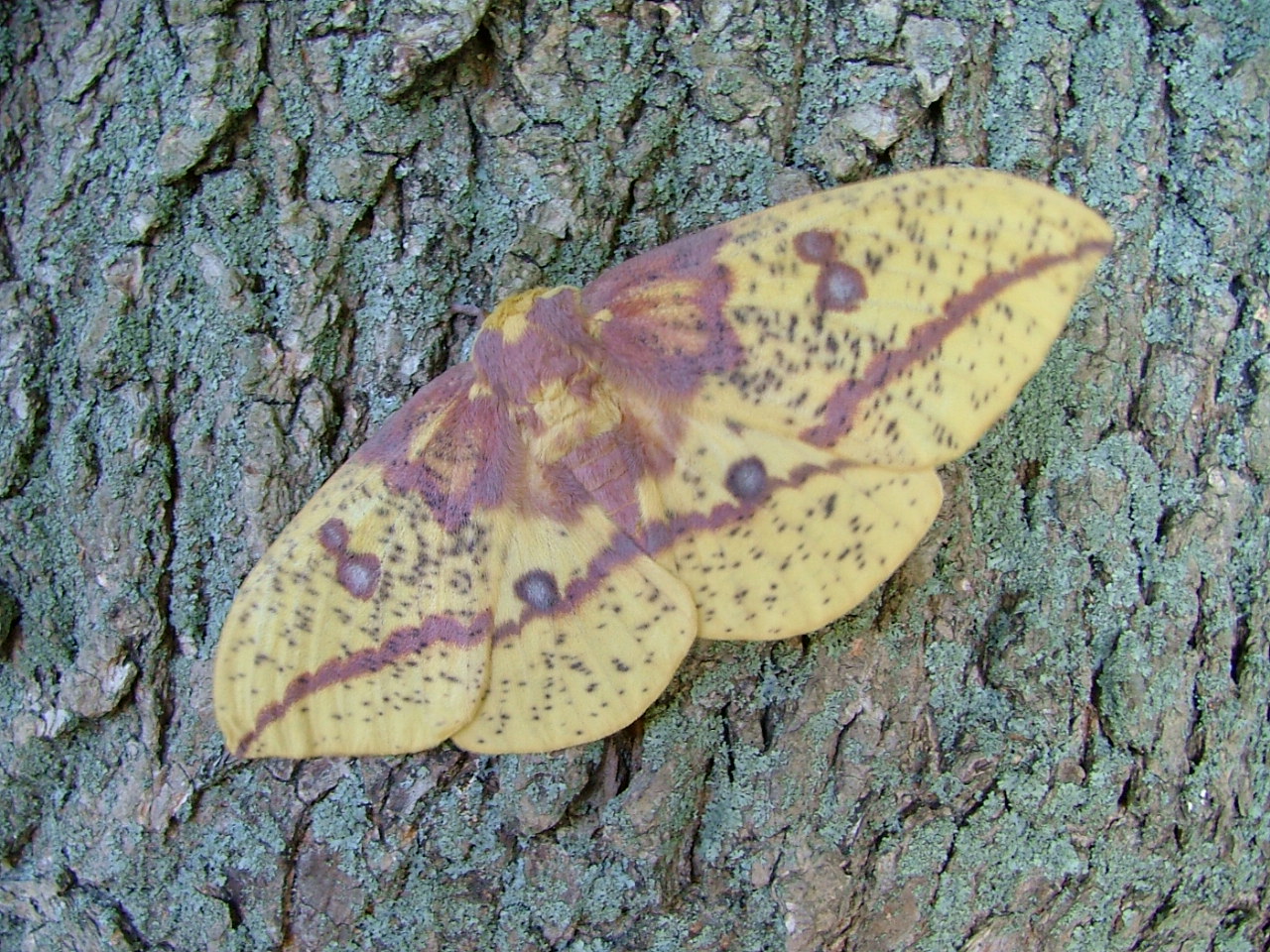
Drifting through the warm summer nights of eastern North America, the imperial moth, scientifically known as Eacles imperialis, commands attention with its impressive size and regal coloration. This magnificent member of the Saturniidae family, one of our largest silk moths, showcases a stunning tapestry of yellow ochre adorned with patterns of pink, red, and sometimes purple, truly living up to its majestic name.
Continue reading The Imperial Moth: A Majestic Presence of the Eastern ForestsThe Enchanting Polyphemus Moth: A Giant Silkmoth with Windowed Wings
Floating through the twilight of deciduous woodlands across North America is the breathtaking Polyphemus moth, scientifically known as Antheraea polyphemus. This magnificent giant silkmoth, named after the cyclops Polyphemus from Greek mythology due to the striking eyespot on each of its hindwings, captivates observers with its large size, delicate coloration, and the ethereal transparency of its wing windows.
Continue reading The Enchanting Polyphemus Moth: A Giant Silkmoth with Windowed WingsThe Majestic Ailanthus Silkmoth: A Global Traveler with a Taste for the Urban Jungle
Distinguished by its impressive size, striking wing patterns, and remarkable adaptability, the Ailanthus silkmoth, scientifically known as Philosamia cynthia, is a truly captivating member of the Saturniidae family. Originally native to Asia, this magnificent moth has successfully established itself in urban and suburban environments across the globe, its life cycle intricately linked to the often-overlooked Ailanthus tree, also known as the “tree of heaven.”
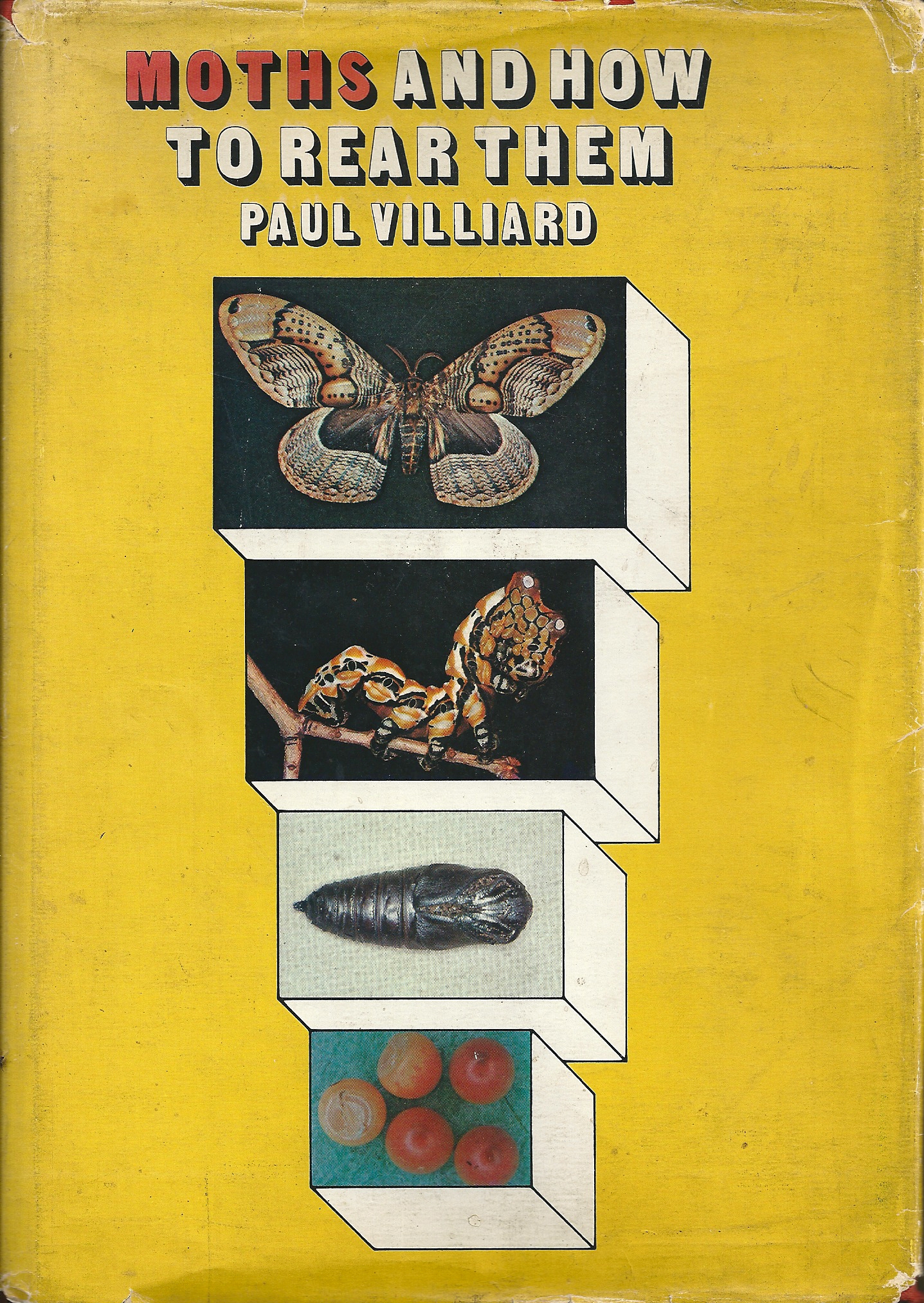
Continue reading The Majestic Ailanthus Silkmoth: A Global Traveler with a Taste for the Urban JungleBOOK REVIEW: “Moths And How To Rear Them” by Paul Villiard
Original 1969 hardcover edition of this must-have book!
Few nature books remain relevant forever. As new research is conducted using modern technology, information that was taught just a few years ago can quickly become obsolete. This is particularly true for books on insects, as new discoveries are made almost daily.
When it comes to raising, or rearing, butterflies and moths, a fun hobby that all children should experience at least once in their lifetime, new and better techniques are being learned and taught and if you are hoping to be successful, these techniques should be kept up with.
Continue reading BOOK REVIEW: “Moths And How To Rear Them” by Paul VilliardBOOK REVIEW: “Butterflies and Moths: A Guide to the More Common American Species”
Some classics just never go out of style. Such is the case for the book “Butterflies and Moths: A Guide to the More Common American Species” by Robert T. Mitchell and Herbert S. Zim. Most field guides eventually go out of print and become unavailable over time as their information becomes outdated and new guides are produced. To my knowledge, this book has been in continuous print since it originally came out in 1964.
The original library hardcover version of this classic book!
Continue reading BOOK REVIEW: “Butterflies and Moths: A Guide to the More Common American Species”