The Wild Silk Moths of North America: A Natural History of the Saturniidae of the United States and Canada by Paul M. Tuskes, James P. Tuttle, and Michael M. Collins, published by Cornell University Press, is a seminal work that delves into the captivating world of the Saturniidae family, commonly known as wild silk moths. This comprehensive book has become an indispensable resource for entomologists, researchers, students, and amateur collectors alike.
Continue reading An Amazing Guide to North America’s Wild Silk Moths: A Detailed ReviewAll posts by David Albaugh
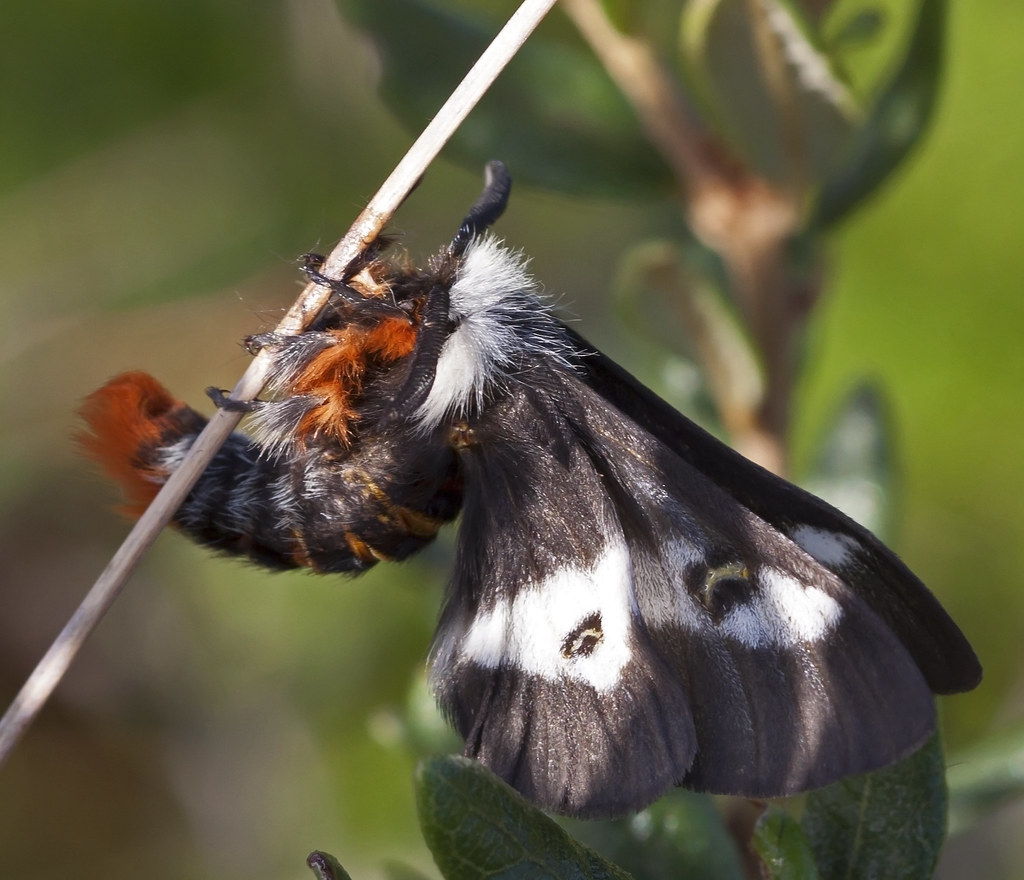
The Cryptic Buck Moth: A Striking Beauty with a Stinging Defense
Darting through open woodlands, barrens, and sandy plains of eastern North America in the fall is the buck moth, scientifically known as Hemileuca maia. This striking day-flying moth, adorned with bold black and white patterns and vibrant red or orange markings, possesses a defense mechanism that demands respect: urticating (stinging) spines on its larvae. Its unique life cycle and aposematic coloration make it a fascinating subject of the autumnal landscape.
Continue reading The Cryptic Buck Moth: A Striking Beauty with a Stinging DefenseThe Imperial Moth: A Majestic Presence of the Eastern Forests
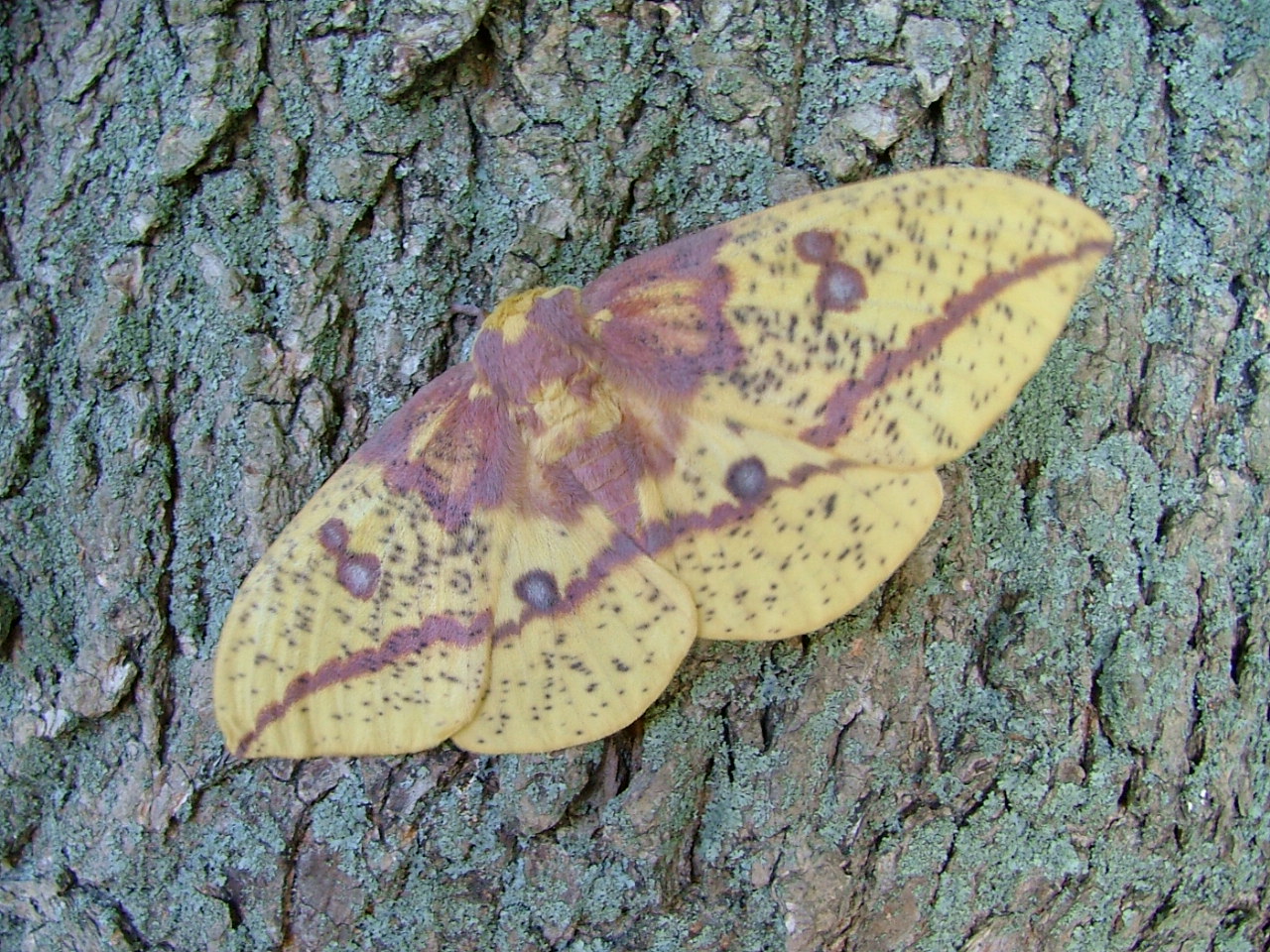
Drifting through the warm summer nights of eastern North America, the imperial moth, scientifically known as Eacles imperialis, commands attention with its impressive size and regal coloration. This magnificent member of the Saturniidae family, one of our largest silk moths, showcases a stunning tapestry of yellow ochre adorned with patterns of pink, red, and sometimes purple, truly living up to its majestic name.
Continue reading The Imperial Moth: A Majestic Presence of the Eastern ForestsBugging Out Over the Kaufman Insect Guide
The Kaufman Field Guide to Insects of North America is a truly excellent resource for anyone interested in learning about the incredible diversity of insects. Despite the sheer number of insect species in North America, this guide manages to cover a remarkable range, including all the major groups and many of the species you’re most likely to encounter. It doesn’t just focus on the “charismatic” insects like butterflies and beetles, but also gives attention to the less conspicuous yet equally fascinating groups such as flies, wasps, and true bugs.
Continue reading Bugging Out Over the Kaufman Insect GuideThe Enchanting Polyphemus Moth: A Giant Silkmoth with Windowed Wings
Floating through the twilight of deciduous woodlands across North America is the breathtaking Polyphemus moth, scientifically known as Antheraea polyphemus. This magnificent giant silkmoth, named after the cyclops Polyphemus from Greek mythology due to the striking eyespot on each of its hindwings, captivates observers with its large size, delicate coloration, and the ethereal transparency of its wing windows.
Continue reading The Enchanting Polyphemus Moth: A Giant Silkmoth with Windowed WingsThe Majestic Ailanthus Silkmoth: A Global Traveler with a Taste for the Urban Jungle
Distinguished by its impressive size, striking wing patterns, and remarkable adaptability, the Ailanthus silkmoth, scientifically known as Philosamia cynthia, is a truly captivating member of the Saturniidae family. Originally native to Asia, this magnificent moth has successfully established itself in urban and suburban environments across the globe, its life cycle intricately linked to the often-overlooked Ailanthus tree, also known as the “tree of heaven.”
Continue reading The Majestic Ailanthus Silkmoth: A Global Traveler with a Taste for the Urban JungleThe Great Imposter: Unmasking the Viceroy Butterfly

Fluttering through open woodlands, fields, and along roadsides across much of North America is the viceroy butterfly, scientifically known as Limenitis archippus. While often mistaken for its toxic look-alike, the monarch, the viceroy possesses its own fascinating characteristics, including a remarkable evolutionary adaptation for survival: Batesian mimicry. This striking butterfly offers a compelling example of nature’s ingenuity in the face of predation.
Continue reading The Great Imposter: Unmasking the Viceroy ButterflyBeyond the Net: A Butterfly Guide

Jeffrey Glassberg’s “Butterflies through Binoculars: The East” is a highly acclaimed field guide that has become a staple for butterfly enthusiasts in eastern North America. Published in 1999, this book revolutionized butterfly identification, emphasizing the use of binoculars for observation and extensively using photographs of living butterflies. Here’s a detailed review:
Continue reading Beyond the Net: A Butterfly Guide“The Tarantula Keeper’s Log Book”: The Perfect Gift for the Tarantula Enthusiast in Your Life!
Do you have that one friend that likes tarantulas and you just don’t know what to get them for their birthday of Christmas? How about my “The Tarantula Keeper’s Log Book?” A brand-new book designed by a tarantula keeper for tarantula keepers! Featuring 200 pages, this book covers 87 species of the most-commonly kept types of tarantulas with plenty of room to keep track of your feeding regimen, molting records, rehousing dates and even breeding records. The book is spiral bound so keeping it open flat is a breeze as you work with your eight-legged kids. The book is in full color featuring a beautifully painted cover by artist Laura Airey Le. Each species also features a full color photo featuring images by top photographers such as Rick C. West and Danny de Bruyne. This is definitely a book that you will use again and again!
Continue reading “The Tarantula Keeper’s Log Book”: The Perfect Gift for the Tarantula Enthusiast in Your Life!BOOK REVIEW: “Moths And How To Rear Them” by Paul Villiard
Original 1969 hardcover edition of this must-have book!
Few nature books remain relevant forever. As new research is conducted using modern technology, information that was taught just a few years ago can quickly become obsolete. This is particularly true for books on insects, as new discoveries are made almost daily.
When it comes to raising, or rearing, butterflies and moths, a fun hobby that all children should experience at least once in their lifetime, new and better techniques are being learned and taught and if you are hoping to be successful, these techniques should be kept up with.
Continue reading BOOK REVIEW: “Moths And How To Rear Them” by Paul Villiard