All posts by David Albaugh

The Giant African Millipede: A Gentle Giant of the Forest Floor

Crawling with deliberate grace through the humid undergrowth of African forests is Archispirostreptus gigas, commonly known as the giant African millipede. As one of the largest millipede species in the world, this impressive invertebrate captivates with its immense size, segmented body, and a surprisingly gentle demeanor, making it a popular and fascinating subject in the world of entomology and exotic pets.

Continue reading The Giant African Millipede: A Gentle Giant of the Forest Floor

The Striking Socotra Island Blue Baboon: Unveiling Monocentropus balfouri

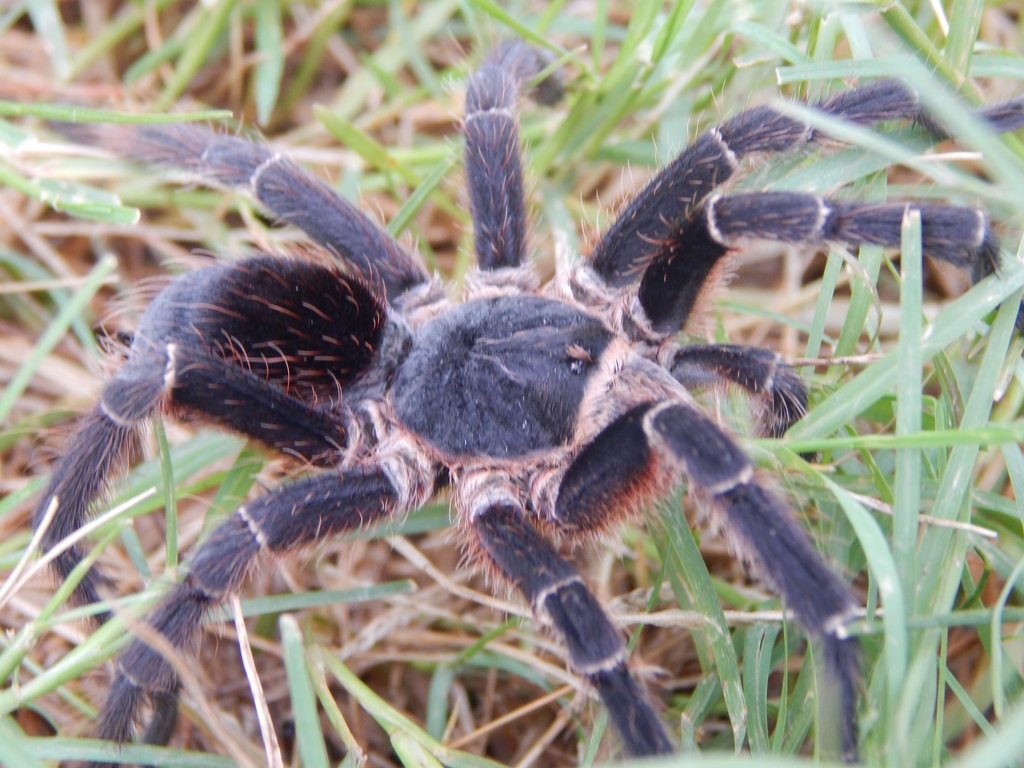
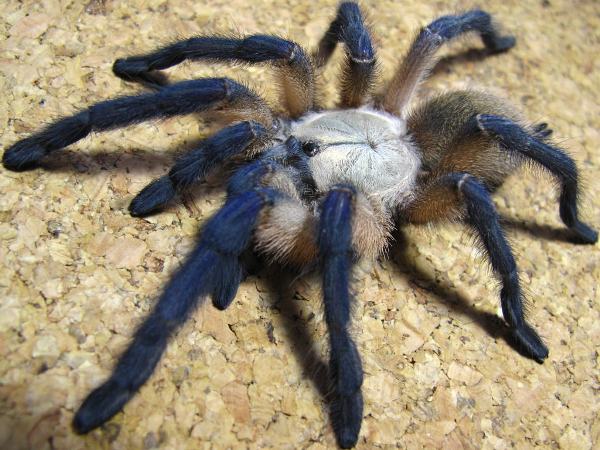
From the enigmatic and ancient island of Socotra, nestled in the Arabian Sea, hails a tarantula of exceptional beauty and fascinating social dynamics – Monocentropus balfouri, commonly known as the Socotra Island Blue Baboon or Socotra Blue Baboon. Revered in the arachnid hobby for its stunning coloration and communal living tendencies, this species offers a unique glimpse into the complex world of tarantulas.

Continue reading The Striking Socotra Island Blue Baboon: Unveiling Monocentropus balfouri

The Pipevine Swallowtail: A Shimmering Warning in Black and Blue

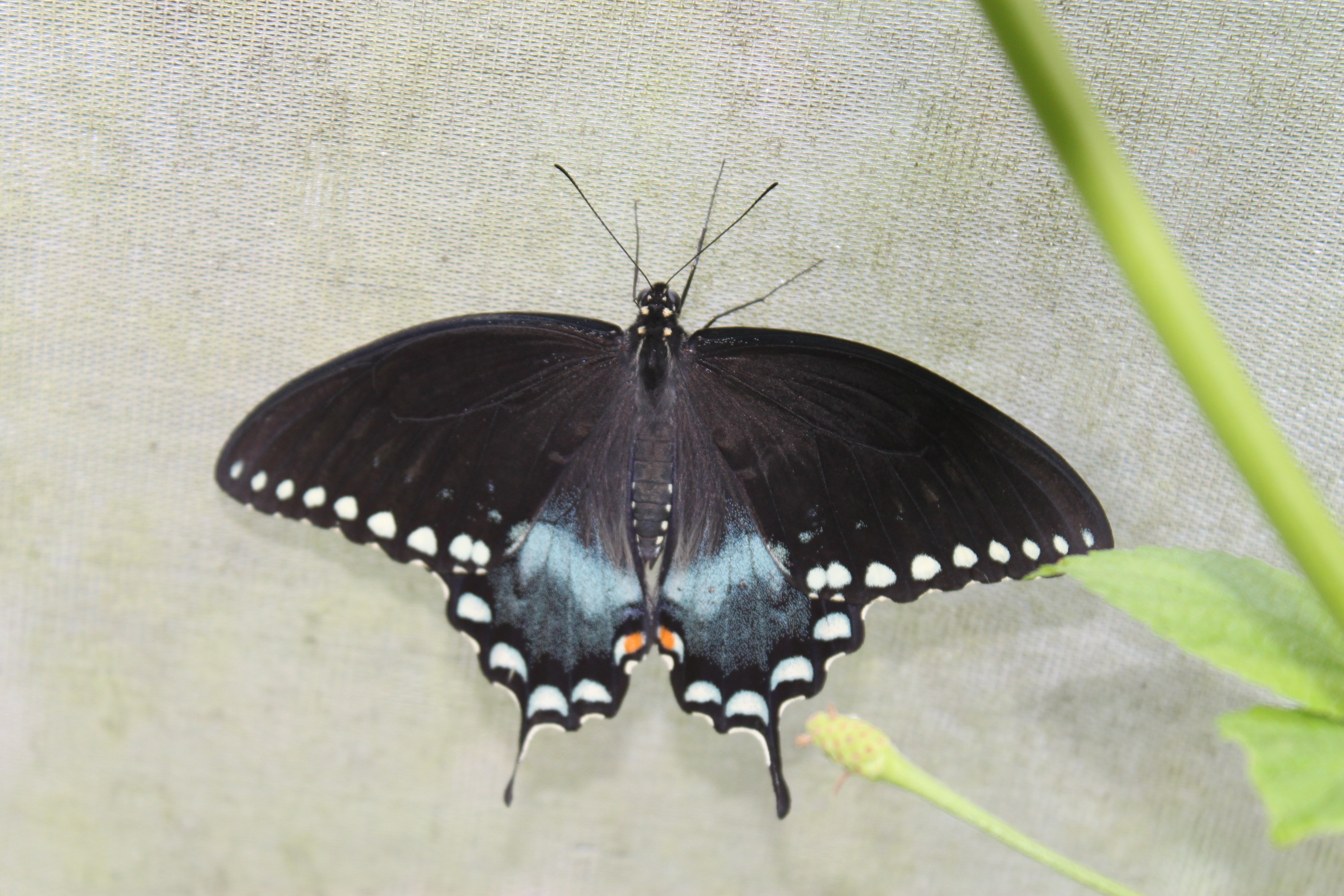
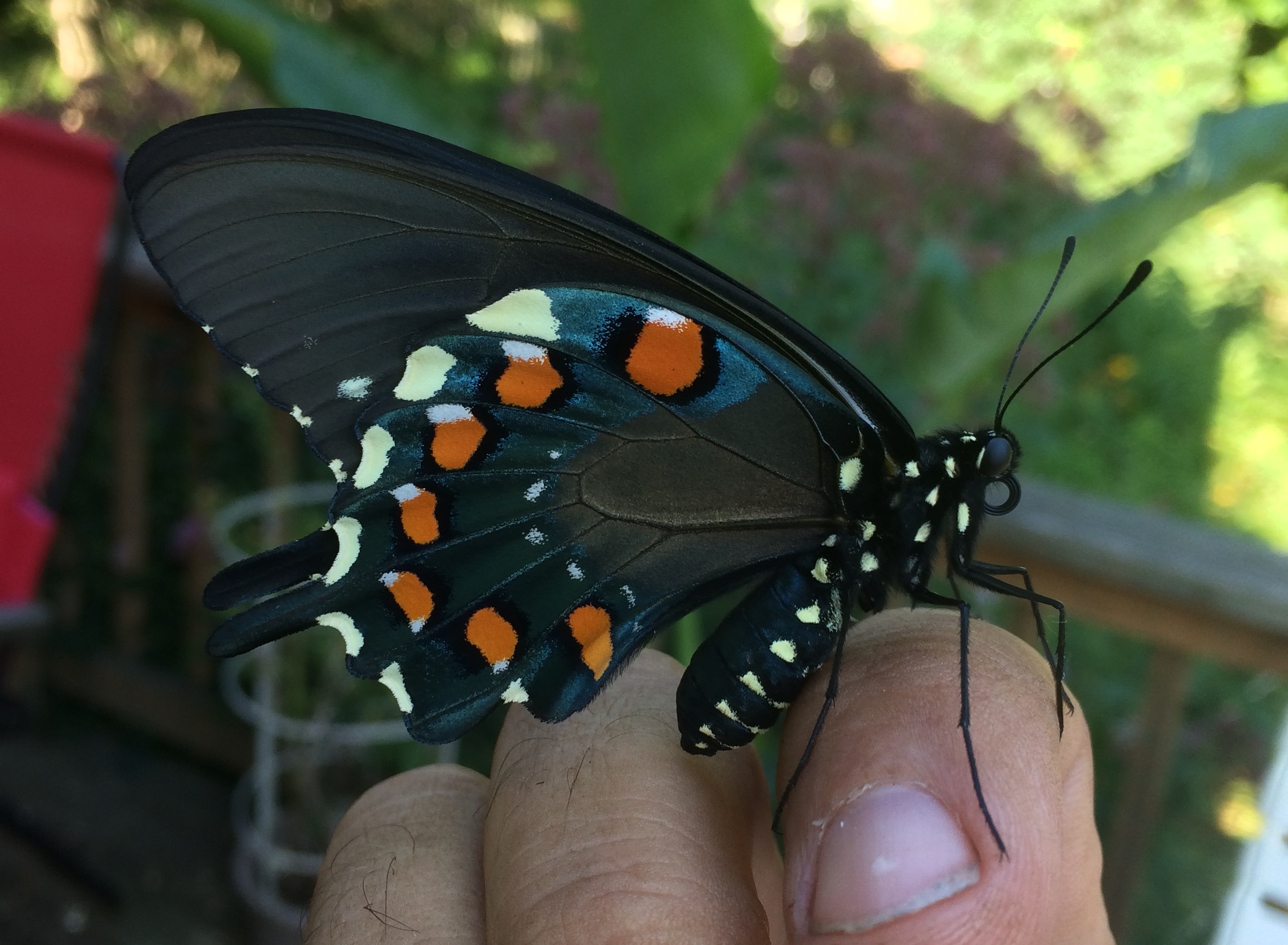
Gracing open woodlands, meadows, and gardens across much of North America, the pipevine swallowtail, scientifically known as Battus philenor, is a butterfly of captivating beauty and crucial ecological significance. With its velvety black wings adorned with iridescent blue-green highlights and its distinctive, undulating flight, this elegant insect serves as a living advertisement of its toxicity, playing a key role in mimicry complexes that protect other species.

Continue reading The Pipevine Swallowtail: A Shimmering Warning in Black and Blue

The Regal Lineage: Tracing the History of Birdwing Butterflies (Ornithoptera)

Among the most magnificent and sought-after insects on Earth, the birdwing butterflies of the genus Ornithoptera stand as living jewels. Renowned for their immense size, often iridescent coloration, and graceful flight, these butterflies have captivated naturalists, collectors, and conservationists for centuries. Their history is not just a tale of scientific discovery but also one intertwined with human exploration, evolving understanding, and increasingly, urgent conservation efforts.

Continue reading The Regal Lineage: Tracing the History of Birdwing Butterflies (Ornithoptera)

The Giant Among Swallowtails: Unveiling Papilio cresphontes

Soaring with a powerful, almost regal flight through sunny woodlands, citrus groves, and gardens of the Americas, the giant swallowtail, scientifically known as Papilio cresphontes, is a truly magnificent butterfly. As the largest butterfly native to the United States and Canada, its impressive size, striking brown and yellow patterns, and its unique larval defense strategy make it an instantly recognizable and fascinating member of the butterfly world.

Continue reading The Giant Among Swallowtails: Unveiling Papilio cresphontes

BUGGY BOOK REVIEW: “Caterpillars of Eastern North America” by David L. Wagner

9780691121444

There have always been field guides to butterflies and moths, my favorite types of insects. My biggest complaint with them though is that they are never complete; they are always missing some important aspect for each species. For the most part, these guides concentrate on the adult butterfly or moth, rarely showing the other three stages of development (egg, larva and pupa). I am guessing that the main reason for this is cost and eventual size of the book. To show all four stages of each species, and then perhaps images of both the male and female, along with text, would create a book that is cost prohibitive.

Continue reading BUGGY BOOK REVIEW: “Caterpillars of Eastern North America” by David L. Wagner

Beyond the Red Knee: Discovering the True Flame of Mexico’s Tarantulas

The Mexican Flame Knee Tarantula, Brachypelma auratum, is a visually striking species of New World terrestrial tarantula known for its vibrant black coloration accented by fiery red-orange markings on its patellae (knees). Its history is intertwined with the broader understanding and classification of the Brachypelma genus, particularly its close resemblance to the well-known Mexican Red Knee tarantula, Brachypelma hamorii (formerly often referred to as Brachypelma smithi).

Continue reading Beyond the Red Knee: Discovering the True Flame of Mexico’s Tarantulas

The Resilient Red Admiral: A Bold Migrant of the Northern Hemisphere

Soaring with determined flight across continents, the red admiral, scientifically known as Vanessa atalanta, is one of the most widely recognized and globally distributed butterflies. With its striking black wings slashed by vivid orange-red bands, this bold and beautiful butterfly is a familiar sight in gardens, fields, and woodlands across the Northern Hemisphere, captivating observers with its distinctive patterns and impressive migratory journeys.

Continue reading The Resilient Red Admiral: A Bold Migrant of the Northern Hemisphere

LARVAL FOODPLANTS OF SWALLOWTAIL BUTTERFLIES OF THE EASTERN UNITED STATES

Welcome to part two of my caterpillar food plant series (the first of which was on Saturniidae moth food plants seen HERE).  For this entry I am focusing on the five species of Swallowtail butterflies (family Papilionidae) from New England. This list does not include strays; only species that can be found in this area normally. The Papilionidae, numbering over 700 species worldwide, are among our largest and most spectacular of butterflies!

EASTERN BLACK SWALLOWTAIL – Papilio polyxenes asterius

black-swallowtail-butterfly-731991

Carrot (Daucus), dill (Anetheum), fennel (Foeniculum), parsley (Petroselinum), Queen Anne’s lace (Daucus), rue (Ruta).

Continue reading LARVAL FOODPLANTS OF SWALLOWTAIL BUTTERFLIES OF THE EASTERN UNITED STATES

The Majestic Regal Moth: A Kaleidoscope of Color in the Forest Canopy

Emerging from the depths of eastern North American forests is one of the continent’s most spectacularly adorned insects – the regal moth, scientifically known as Citheronia regalis. With its impressive size, robust body, and a vibrant tapestry of orange, yellow, and black, this magnificent giant silk moth is a true monarch of the night. Its equally striking larva, the “hickory horned devil,” adds to its mystique, making it a fascinating subject from egg to adult.

Continue reading The Majestic Regal Moth: A Kaleidoscope of Color in the Forest Canopy