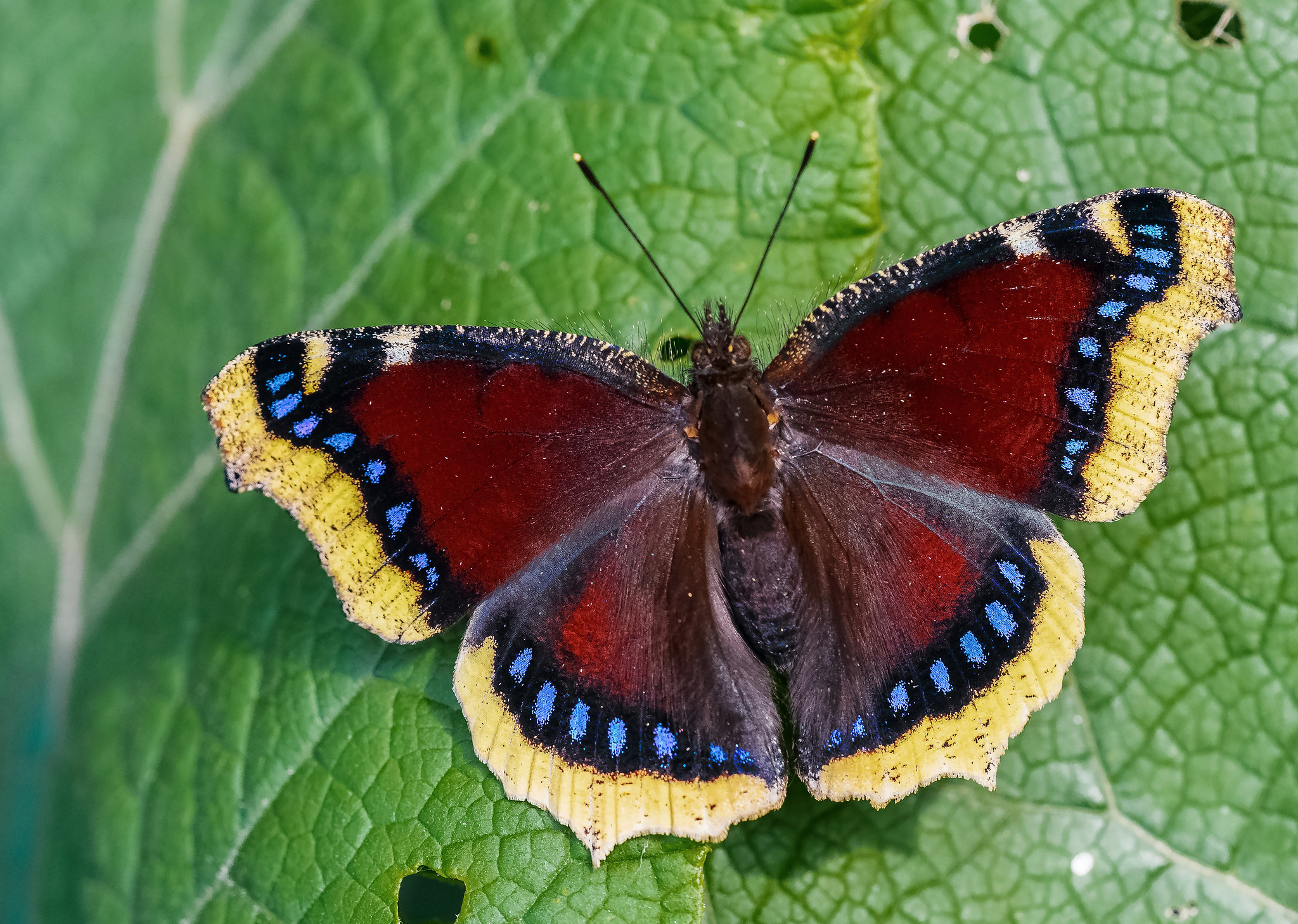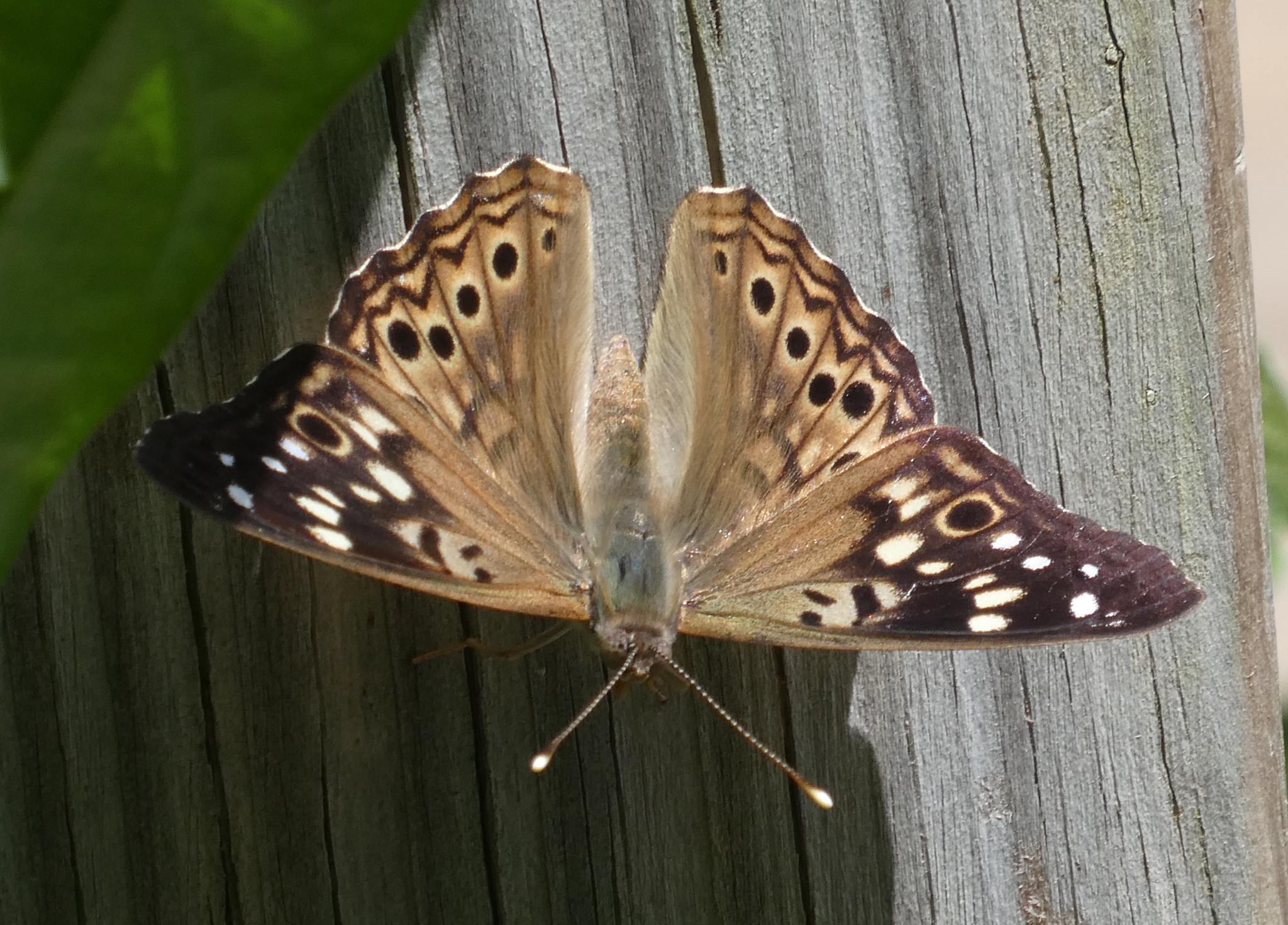
Flitting with a graceful, gliding flight amidst the canopies and understories of hackberry trees across eastern and central North America is Asterocampa celtis, commonly known as the Hackberry Emperor. This relatively drab yet intriguing butterfly is less attracted to colorful flowers and more to tree sap, rotting fruit, and even carrion, making it a unique and often approachable resident of woodlands, river bottoms, and suburban areas where its host trees thrive.
Continue reading The Hackberry Emperor: A Shade-Loving Social Butterfly of North American WoodlandsAll posts by David Albaugh
The Reddish-Brown Stag Beetle: A Forest Floor Architect
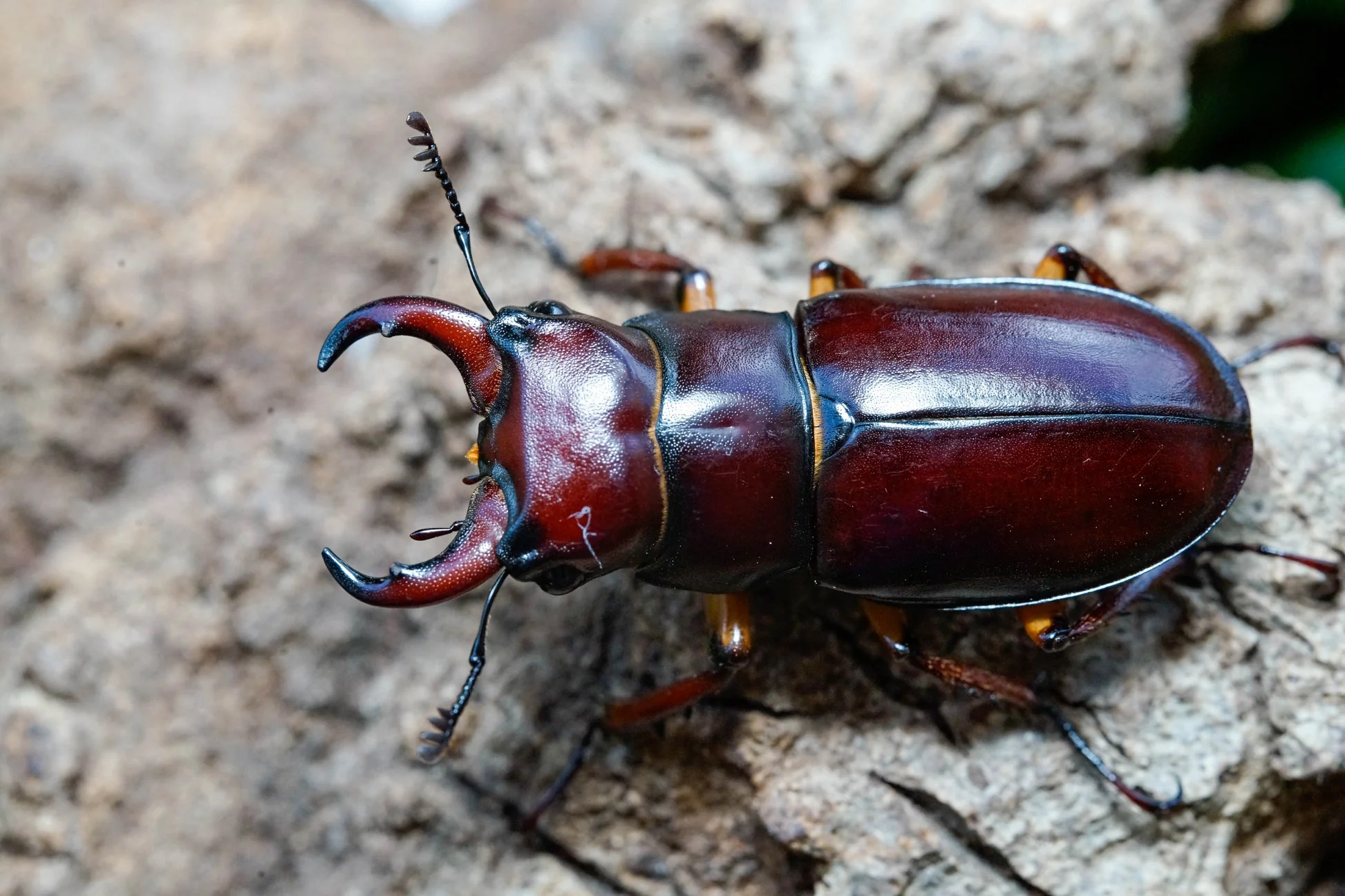
From the deciduous forests and woodlands of eastern North America emerges Lucanus capreolus, commonly known as the Reddish-Brown Stag Beetle or Eastern Stag Beetle. Recognized by its distinctive antler-like mandibles in males and its association with decaying wood, this fascinating insect plays a vital role in nutrient cycling, contributing to the health and vitality of forest ecosystems.
Continue reading The Reddish-Brown Stag Beetle: A Forest Floor ArchitectThe Mexican Red Rump: A Striking Weaver of the Americas
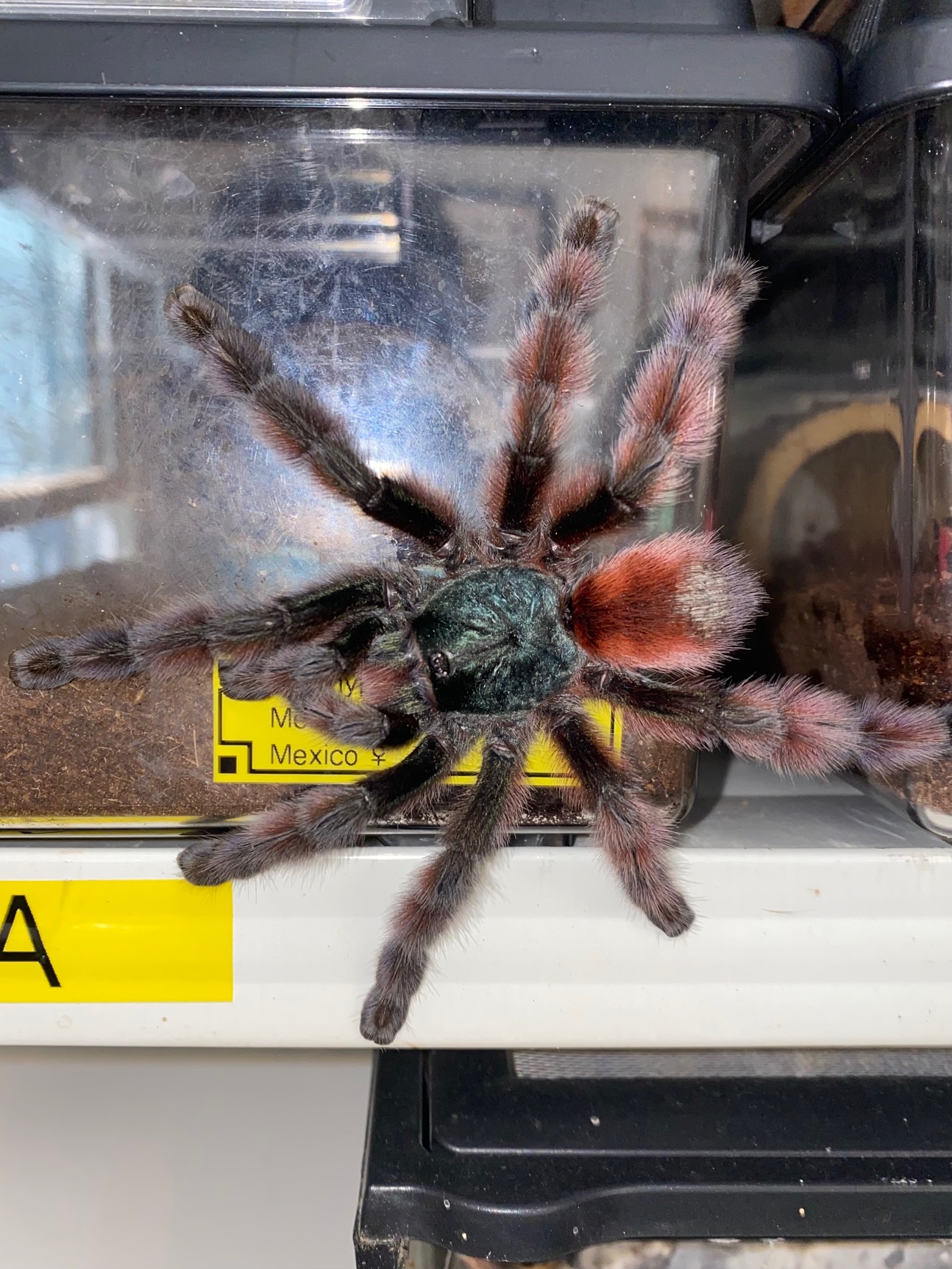
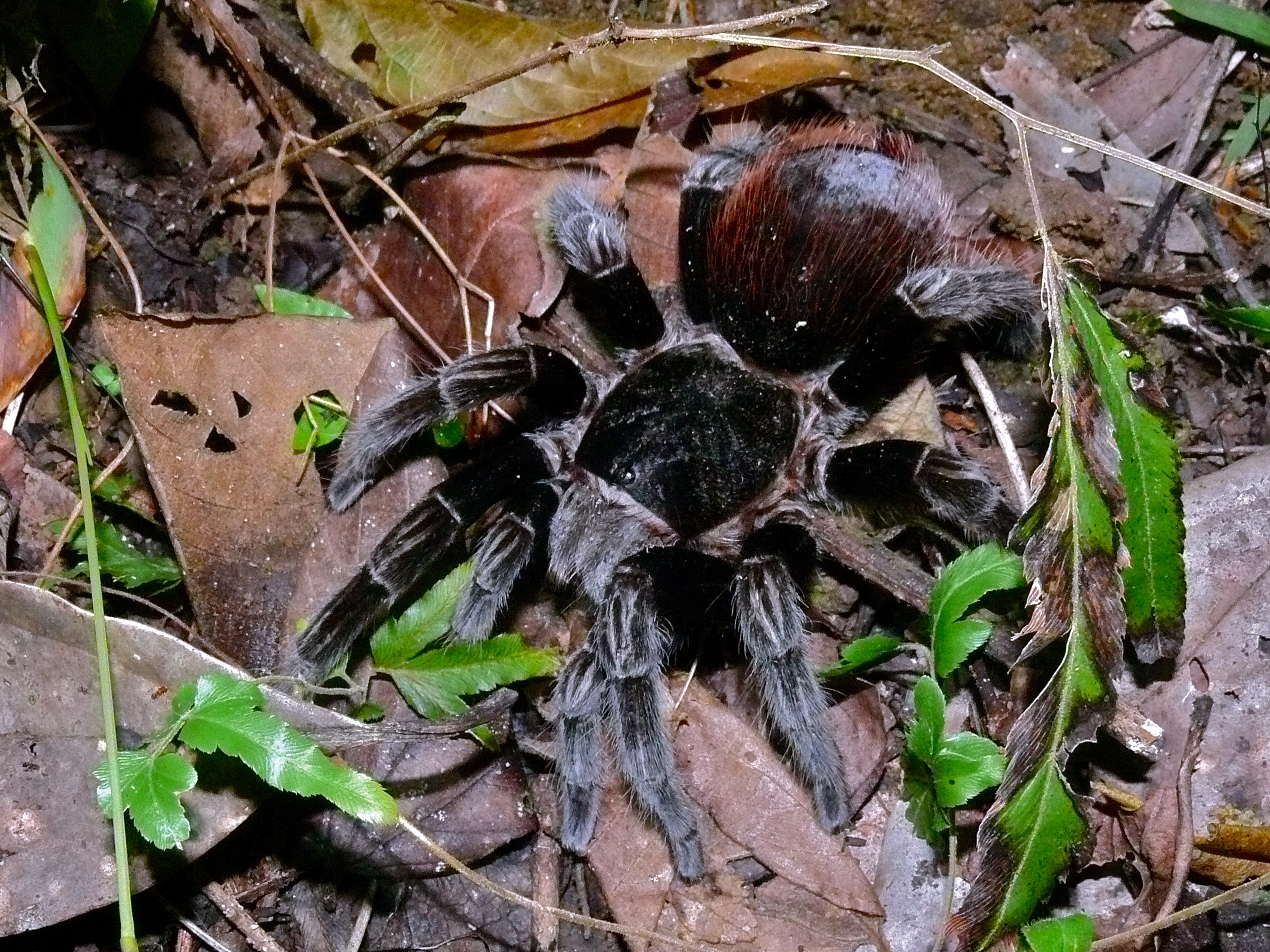
From the hot, arid to semi-arid regions spanning from Mexico south through Central America to Belize, Guatemala, El Salvador, and even into parts of southern Florida (likely introduced), comes Tliltocatl vagans, universally known as the Mexican Red Rump Tarantula. Revered for its striking velvety black coloration accented by brilliant red abdominal hairs, and its generally docile yet defensive nature, this terrestrial species is a charismatic burrower and a staple in the tarantula hobby.
Continue reading The Mexican Red Rump: A Striking Weaver of the AmericasA Jewel of the Rockies: Discover the Enchanting World of the May Natural History Museum
Nestled amidst the breathtaking landscapes just south of Colorado Springs, the May Natural History Museum stands as a truly unique and utterly captivating destination. Affectionately known as the “Bug Museum” by generations of delighted visitors, this remarkable institution is far more than just a collection of insects; it’s a testament to passion, preservation, and the awe-inspiring diversity of the natural world.
Continue reading A Jewel of the Rockies: Discover the Enchanting World of the May Natural History MuseumThe Brazilian Black Tarantula: A Velvet Beauty of the Pampas
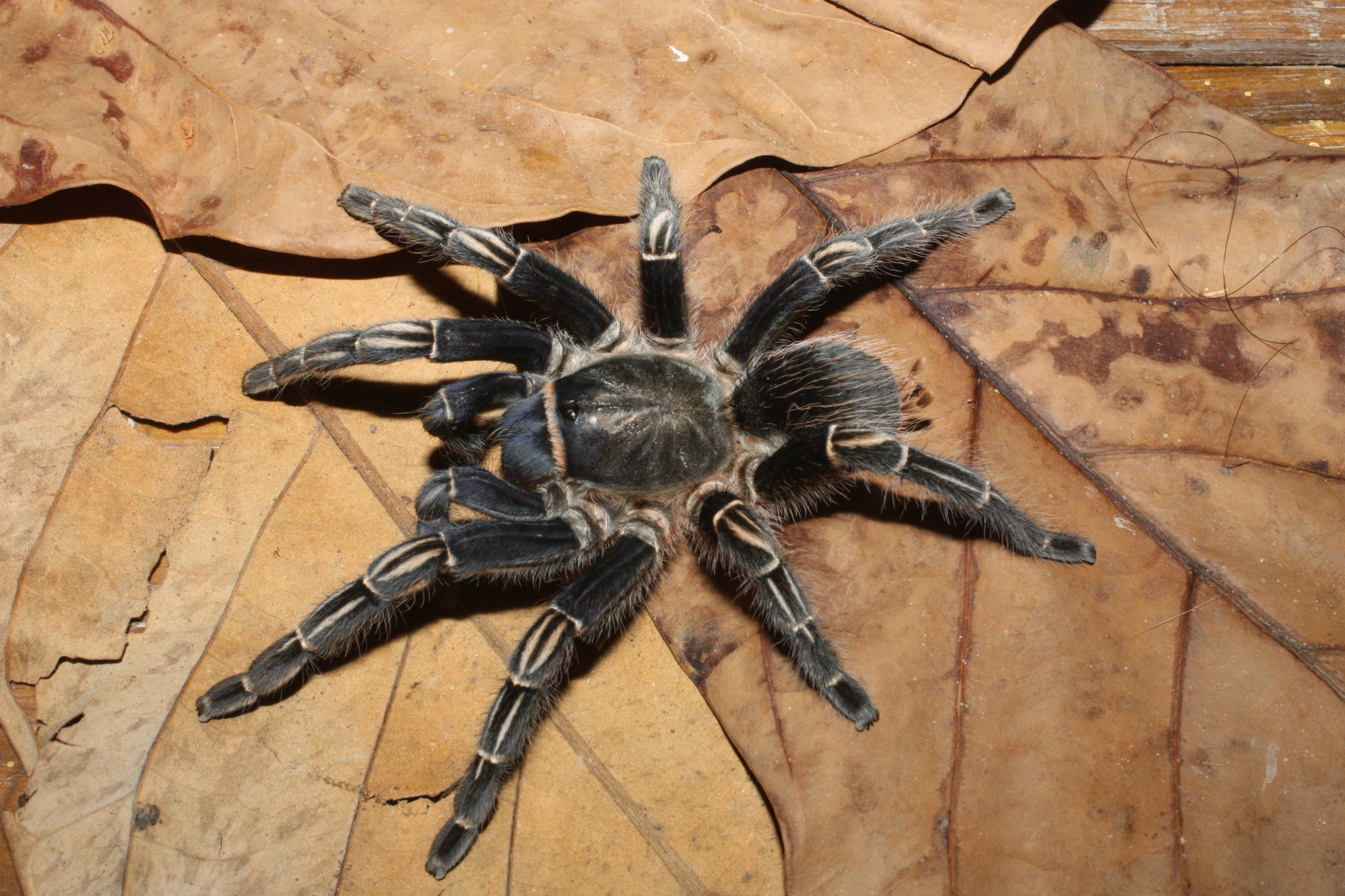
From the expansive grasslands and open woodlands of southern Brazil and parts of Uruguay emerges one of the most sought-after and beloved tarantulas in the hobby – Grammostola pulchra, universally known as the Brazilian Black Tarantula, or sometimes the Brazilian Black. Revered for its striking, velvety black coloration, robust build, and exceptionally docile temperament, this terrestrial species is a true gem, making it an ideal ambassador for tarantulas and a favorite among enthusiasts.
Continue reading The Brazilian Black Tarantula: A Velvet Beauty of the PampasThe Eastern Dobsonfly: A Fearsome Jawed Predator of Aquatic Realms
From the clear, oxygen-rich waters of streams and rivers across eastern North America emerges a truly formidable insect – Corydalus cornutus, commonly known as the Eastern Dobsonfly. While the adult is a short-lived, somewhat clumsy giant of the night, its larval form, the “hellgrammite,” is a fearsome aquatic predator whose intimidating appearance and powerful mandibles make it a legendary inhabitant of freshwater ecosystems and a prized bait among anglers.
Continue reading The Eastern Dobsonfly: A Fearsome Jawed Predator of Aquatic RealmsBlossoming Enthusiasm: A Deep Dive into “Wildflowers of New England”!
“Wildflowers of New England” by Ted Elliman and the Native Plant Trust is an absolutely indispensable resource for anyone with an interest in the botanical wonders of this diverse region. Whether you’re a seasoned botanist, a casual hiker, a budding naturalist, or simply someone who appreciates the beauty of the natural world, this book will quickly become your trusted companion.
Continue reading Blossoming Enthusiasm: A Deep Dive into “Wildflowers of New England”!The Rio Grande Gold Tarantula: A Jewel of the Texas Deserts
From the arid and semi-arid landscapes of the Rio Grande Valley in Texas, United States, comes Aphonopelma moderatum, popularly known as the Rio Grande Gold Tarantula. This striking terrestrial tarantula is highly regarded for its unique and beautiful coloration, combining golden hues with dark accents, making it one of the most visually distinctive members of the Aphonopelma genus found in the United States.
Continue reading The Rio Grande Gold Tarantula: A Jewel of the Texas DesertsThe Global Wanderer: Unveiling Vanessa cardui, the Painted Lady
Soaring on tireless wings across continents and oceans, the painted lady, scientifically known as Vanessa cardui, is arguably the most widely distributed butterfly in the world. With its distinctive orange, black, and white patterns, and its remarkable ability to undertake epic migratory journeys, this resilient and adaptable species is a truly global phenomenon, captivating observers wherever it lands.
Continue reading The Global Wanderer: Unveiling Vanessa cardui, the Painted LadyThe Great Spangled Fritillary: A Dazzling Jewel of North American Meadows
Gliding with powerful, buoyant flight through sun-drenched meadows, open woodlands, and vibrant flower gardens across much of North America is Speyeria cybele, commonly known as the Great Spangled Fritillary. This large and striking butterfly, adorned with a kaleidoscope of orange and black, and notably brilliant silver spots on its underside, is a cherished sight, embodying the beauty and vitality of its grassland and forest-edge habitats.
Continue reading The Great Spangled Fritillary: A Dazzling Jewel of North American Meadows