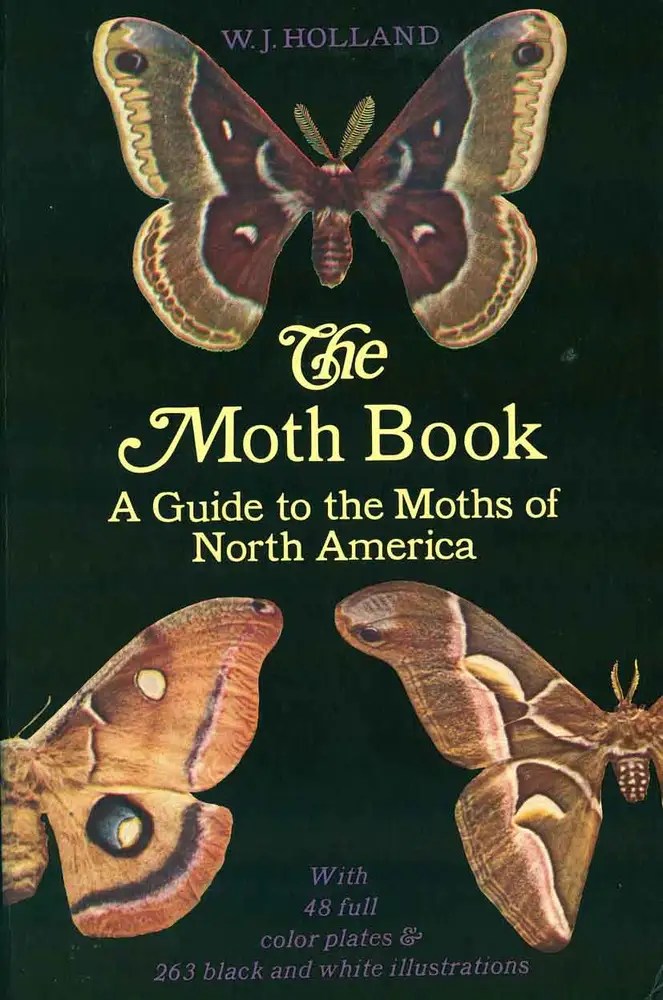
The Moth Book by W.J. Holland, first published in 1903, remains a remarkable and foundational work in the study of North American moths. While many scientific texts from that era have become obsolete, Holland’s masterpiece endures as a testament to his passion for the subject and his skill as both a scientist and a writer. It’s a book that masterfully combines scientific rigor with an accessible, engaging style, making it a true classic for both professional entomologists and amateur naturalists alike.
Continue reading The Moth Book: A Timeless Classic of Natural HistoryAll posts by David Albaugh
Heteropteryx dilatata: The Massive “Jungle Nymph” of Southeast Asia
From the dense, humid rainforests of the Malay Peninsula and surrounding islands of Southeast Asia comes Heteropteryx dilatata, popularly known as the Jungle Nymph, Malayan Jungle Nymph, or Giant Malaysian Stick Insect. This monumental stick insect is revered for its incredible size, striking appearance, and remarkable camouflage, making it one of the largest and most sought-after species in the entomology hobby.
Continue reading Heteropteryx dilatata: The Massive “Jungle Nymph” of Southeast AsiaPamphobeteus nigricolor: The Magnificent “Giant Blue Bloom Tarantula”
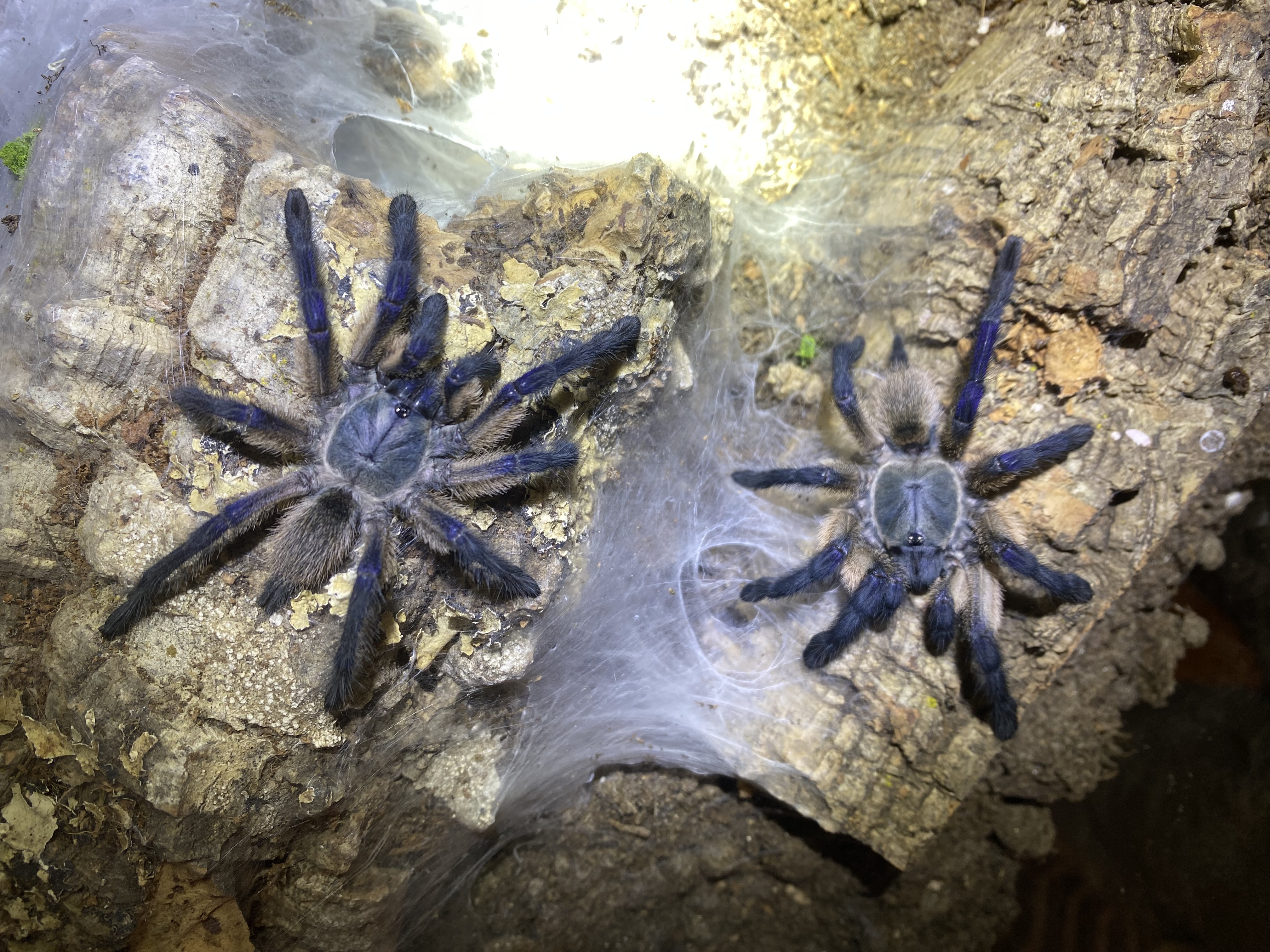
From the lush, cloud-kissed mountains and humid rainforests of South America, primarily in Peru and Ecuador, comes Pamphobeteus nigricolor, popularly known as the Giant Blue Bloom Tarantula. This impressive terrestrial tarantula is highly sought after by collectors for its monumental size, robust build, and the stunning sexual dimorphism where males display a breathtaking iridescent purple and blue coloration.
Continue reading Pamphobeteus nigricolor: The Magnificent “Giant Blue Bloom Tarantula”
Dragonflies & Damselflies: A Natural History – A Winged Window into a Hidden World
In the world of natural history books, some inform, while others transport. Dennis Paulson’s “Dragonflies & Damselflies: A Natural History” firmly belongs in the latter category. This isn’t merely a field guide; it’s a profound and beautifully rendered tribute to some of the planet’s most ancient and captivating insects. Paulson, a renowned authority on the subject, has crafted a work that is as rich in scientific detail as it is in a palpable sense of wonder.
Continue reading Dragonflies & Damselflies: A Natural History – A Winged Window into a Hidden WorldLasiodora parahybana: The Gentle Giant of the Tarantula World
Often admired for its impressive size and surprisingly docile nature, Lasiodora parahybana, more commonly known as the Brazilian salmon pink bird-eater, is one of the world’s largest species of tarantula. Despite its intimidating common name, this terrestrial tarantula is a popular pet among enthusiasts for its hardiness, calm temperament, and awe-inspiring growth. Native to the humid forests of Brazil, this gentle giant brings a unique presence to the world of arachnids.
Continue reading Lasiodora parahybana: The Gentle Giant of the Tarantula WorldA Timeless Look at Tiny Wonders: The Enduring Charm of The How and Why Wonder Book of Insects
A wonderful exploration of the insect world, the 1960 book “The How and Why Wonder Book of Insects” by Ronald N. Rood remains a standout example of educational children’s literature. Part of a larger series designed to ignite curiosity in young minds, Rood’s work is a testament to the power of making science accessible, engaging, and utterly fascinating. The book succeeds by avoiding dry, academic language in favor of a vibrant, conversational tone that invites readers to see insects not as creepy-crawlies, but as tiny, sophisticated marvels of nature.
Continue reading A Timeless Look at Tiny Wonders: The Enduring Charm of The How and Why Wonder Book of InsectsA Timeless Classic: Why “Butterflies: East of the Great Plains” Still Soars
An essential field guide for butterfly enthusiasts, “Butterflies: East of the Great Plains” by Paul A. Opler and George O. Krizek is a landmark publication that has stood the test of time since its first release in 1984. This book is a true masterpiece of scientific and artistic collaboration, offering a detailed and accessible look at the diverse butterfly species found in the eastern half of North America. Its enduring popularity is a testament to its quality and the authors’ deep expertise and passion for their subject.
Continue reading A Timeless Classic: Why “Butterflies: East of the Great Plains” Still SoarsDragonflies and Damselflies of the World: A Guide to Their Diversity – A Breathtaking Journey into the Odonata Kingdom
In the vast and intricate world of entomology, few groups of insects captivate the imagination quite like the Odonata—the dragonflies and damselflies. These ancient, winged wonders, with their iridescent colors, acrobatic flight, and predatory prowess, have fascinated humans for centuries. Yet, a truly comprehensive and globally-minded guide to their incredible diversity has been a long-awaited treasure for enthusiasts, researchers, and nature lovers alike. With the publication of “Dragonflies and Damselflies of the World: A Guide to Their Diversity” by Klaas-Douwe B. Dijkstra, that treasure has finally arrived.
Continue reading Dragonflies and Damselflies of the World: A Guide to Their Diversity – A Breathtaking Journey into the Odonata KingdomLethocerus americanus: The Voracious Giant Water Bug
Often feared and respected for its powerful bite, the giant water bug, scientifically known as Lethocerus americanus, is a formidable insect predator of North American wetlands. With its large, flat, brownish body, a fearsome grasping foreleg, and its ability to inflict a painful bite, this aquatic hunter is a master of ambush and a crucial part of its ecosystem. Known by many common names, including “toe-biter” and “electric-light bug,” its presence is a testament to the raw power of nature found just below the water’s surface.
Continue reading Lethocerus americanus: The Voracious Giant Water BugA Portal to a Hidden World: Exploring “Dragonflies and Damselflies of the East”
In the vast and wondrous tapestry of the natural world, some creatures captivate our imagination with their delicate beauty and acrobatic prowess. Dragonflies and damselflies, with their iridescent wings and brilliant colors, are among the most enchanting. For anyone with a budding interest in these ancient insects, or for the seasoned naturalist seeking a definitive guide, Dennis Paulson’s “Dragonflies and Damselflies of the East” is an indispensable and truly magnificent resource. Published by the esteemed Princeton University Press, this book is more than just a field guide; it is a celebration of the Odonata order, a testament to meticulous scholarship, and a gateway to a world of endless discovery.
Continue reading A Portal to a Hidden World: Exploring “Dragonflies and Damselflies of the East”