All posts by David Albaugh

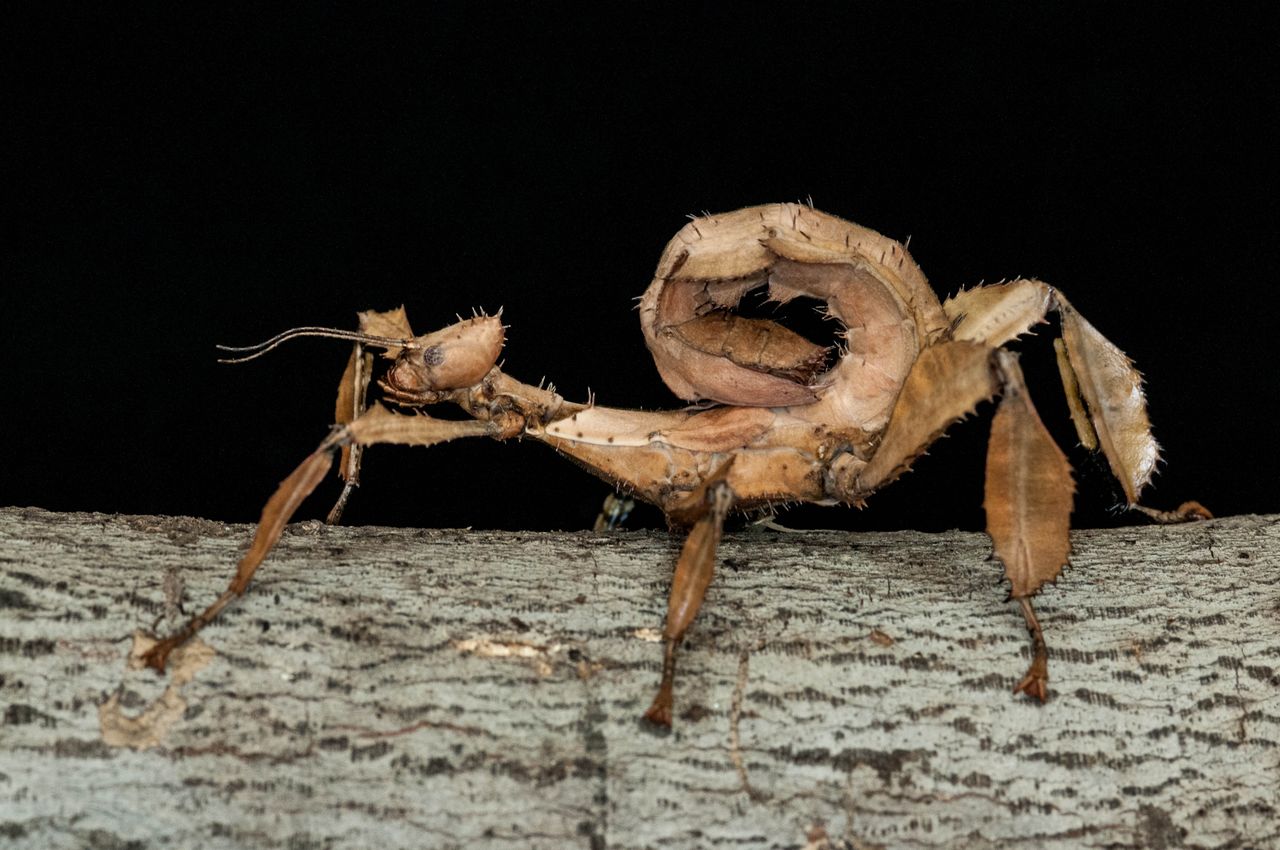
The Spiny Leaf Insect: A Masterclass in Natural Mimicry

The Extatosoma tiaratum, widely known as the Spiny Leaf Insect or Macleay’s Spectre, represents one of the most sophisticated examples of evolutionary camouflage in the animal kingdom. Originating from the diverse ecosystems of eastern Australia, ranging from tropical rainforests to temperate woodlands, this stick insect has developed a morphology that renders it nearly indistinguishable from a dried, shriveled leaf. Beyond its aesthetic appeal, it has become a favorite among entomologists and exotic pet enthusiasts due to its docile temperament and the fascinating biological processes it displays throughout its life cycle.

Continue reading The Spiny Leaf Insect: A Masterclass in Natural Mimicry

The Skeleton Tarantula: A Deep Dive into Ephebopus murinus

The Skeleton Tarantula (Ephebopus murinus) is one of the most visually striking and biologically unique arachnids in the hobby. Named for the brilliant, cream-colored markings on its knees that resemble a skeletal structure, this species is a favorite among experienced keepers.

However, beneath its “bony” exterior lies a complex predator with behaviors that defy standard tarantula classifications.

Continue reading The Skeleton Tarantula: A Deep Dive into Ephebopus murinus

The Binocular Revolution: Why Pyle’s Butterfly Handbook is Still the Gold Standard

In the world of natural history, few books have had as profound an impact on how we engage with the small wonders of our environment as The Audubon Society Handbook for Butterfly Watchers by Robert Michael Pyle. First published in 1984, this seminal work did more than just list species; it essentially pioneered a new hobby. Before Pyle’s handbook, the study of butterflies—lepidopterology—was largely the domain of collectors with nets and glass-topped cases. Pyle, a visionary lepidopterist and the founder of the Xerces Society for Invertebrate Conservation, invited the public to trade their nets for binoculars, transforming a consumptive pursuit into a contemplative and scientific one.

Continue reading The Binocular Revolution: Why Pyle’s Butterfly Handbook is Still the Gold Standard

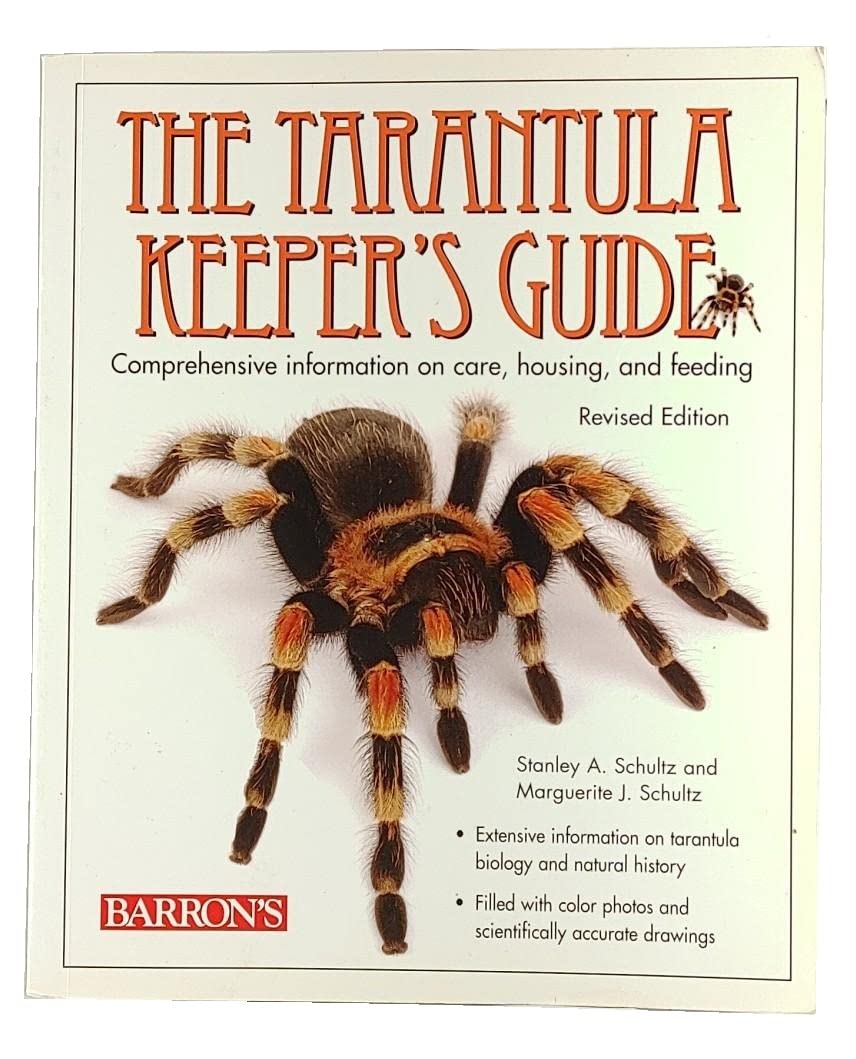
Caught in a Web of Wisdom: Why “The Tarantula Keeper’s Guide” is Still the Gold Standard

For decades, the world of arachnoculture has looked to a single, definitive source for wisdom, scientific insight, and practical care: The Tarantula Keeper’s Guide by Stanley A. Schultz and Marguerite J. Schultz. Often referred to by enthusiasts as the “Tarantula Bible,” this comprehensive work did more than just list husbandry requirements; it revolutionized the way these misunderstood creatures are perceived by the public and cared for by keepers. By blending rigorous biological study with a deep, palpable affection for their eight-legged subjects, the Schultzes created a manual that remains as inspiring today as it was upon its first publication in 1998.

Continue reading Caught in a Web of Wisdom: Why “The Tarantula Keeper’s Guide” is Still the Gold Standard

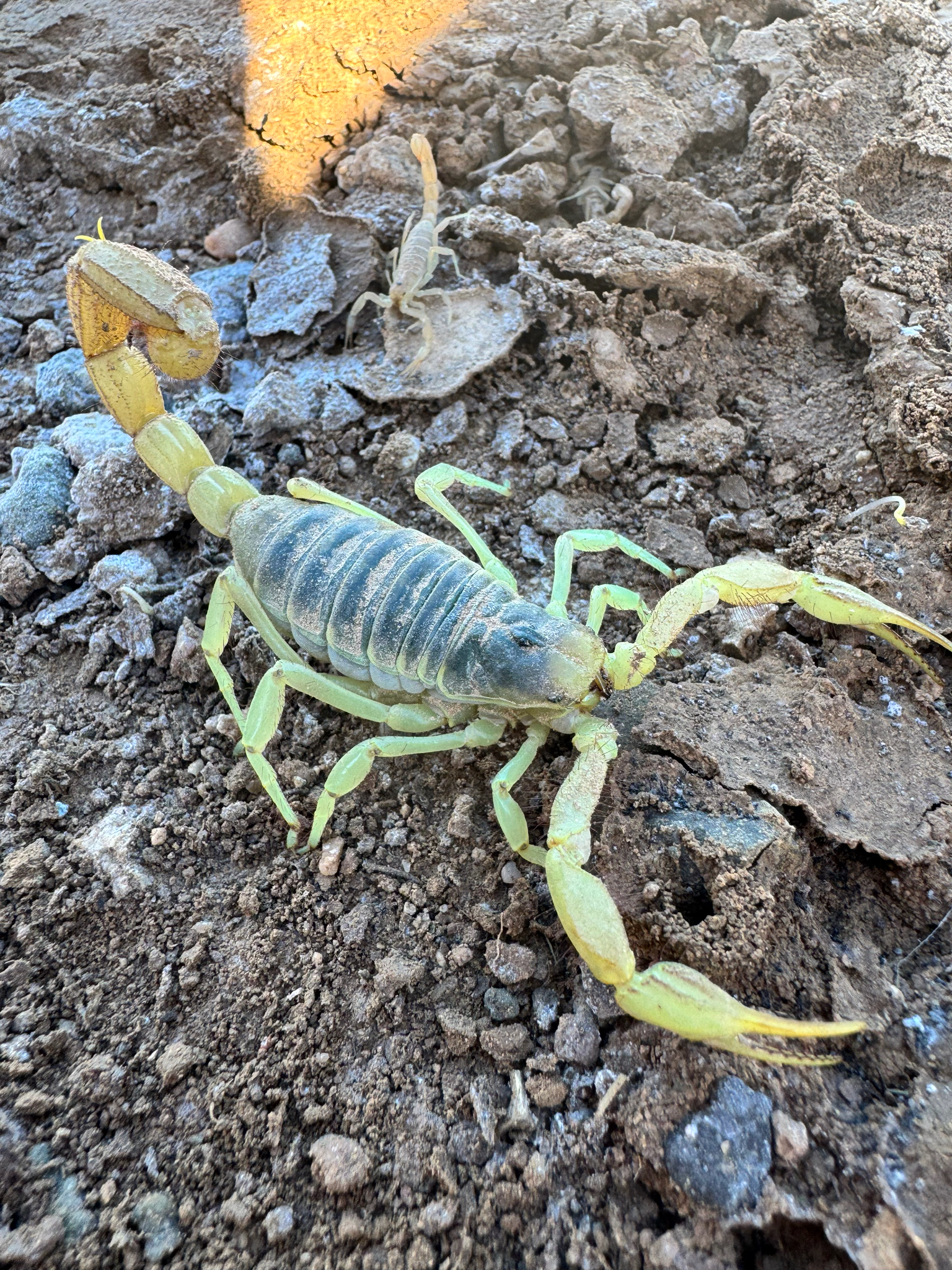
🦂 The Desert Goliath: Hadrurus arizonensis (Giant Desert Hairy Scorpion)

Hadrurus arizonensis, more commonly recognized as the Giant Desert Hairy Scorpion, stands as a legendary figure of the North American wilderness. As the largest scorpion species native to the United States, it has captured the fascination of both biologists and exotic pet enthusiasts alike. Unlike many of its smaller, more reclusive relatives, this species is a bold predator that has perfectly adapted to the unforgiving heat and aridity of the desert landscape.

Continue reading 🦂 The Desert Goliath: Hadrurus arizonensis (Giant Desert Hairy Scorpion)

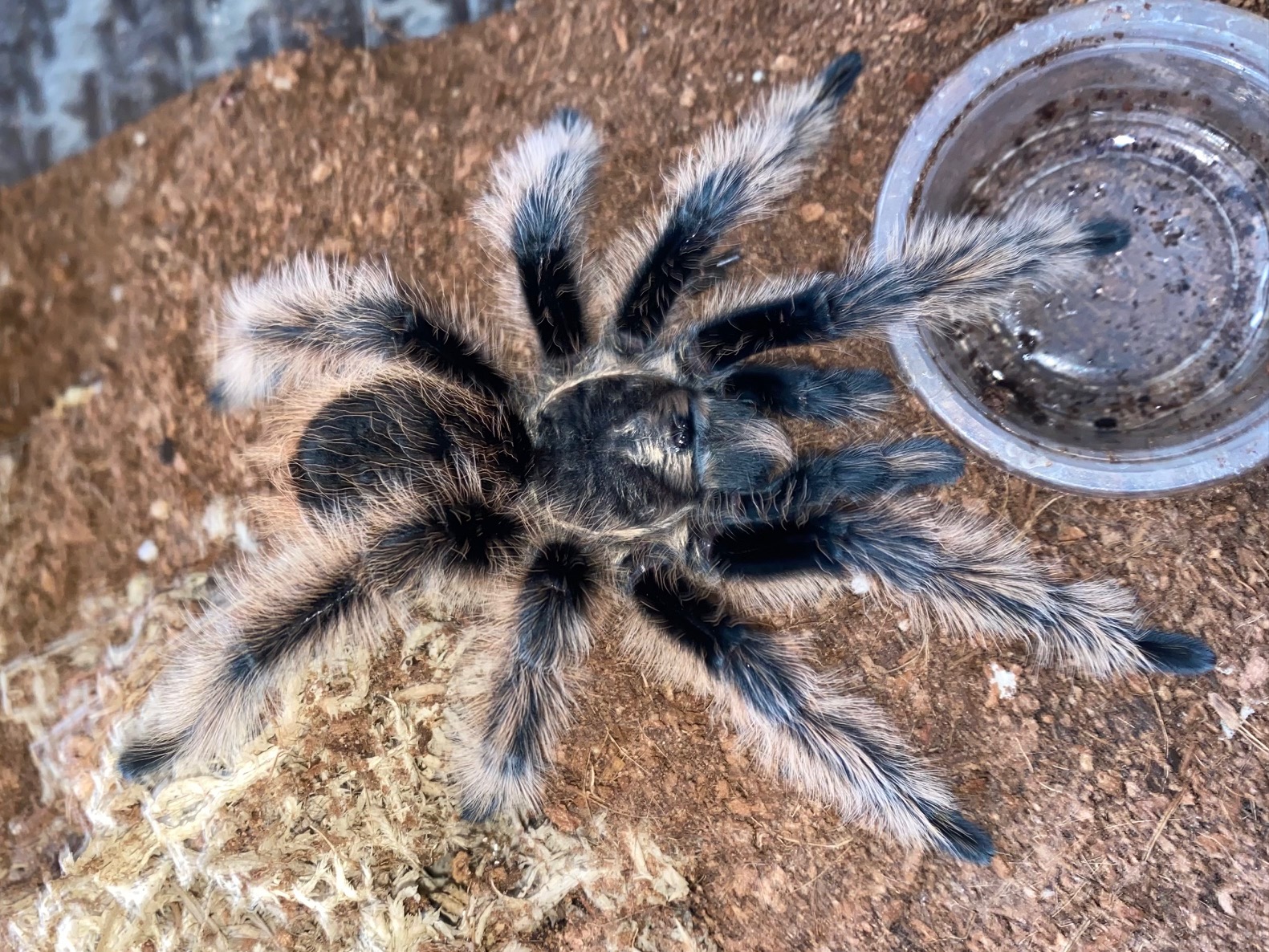
🧸 The Fluffy Favorite: Tliltocatl albopilosus (Curly Hair Tarantula)

The Tliltocatl albopilosus, universally known as the Curly Hair Tarantula or sometimes the Woolly Tarantula, is arguably the most popular beginner tarantula species in the hobby. Celebrated for its docile nature, hardiness, and unique, charmingly shaggy appearance, this New World species makes an excellent ambassador for the world of exotic pets.

Continue reading 🧸 The Fluffy Favorite: Tliltocatl albopilosus (Curly Hair Tarantula)

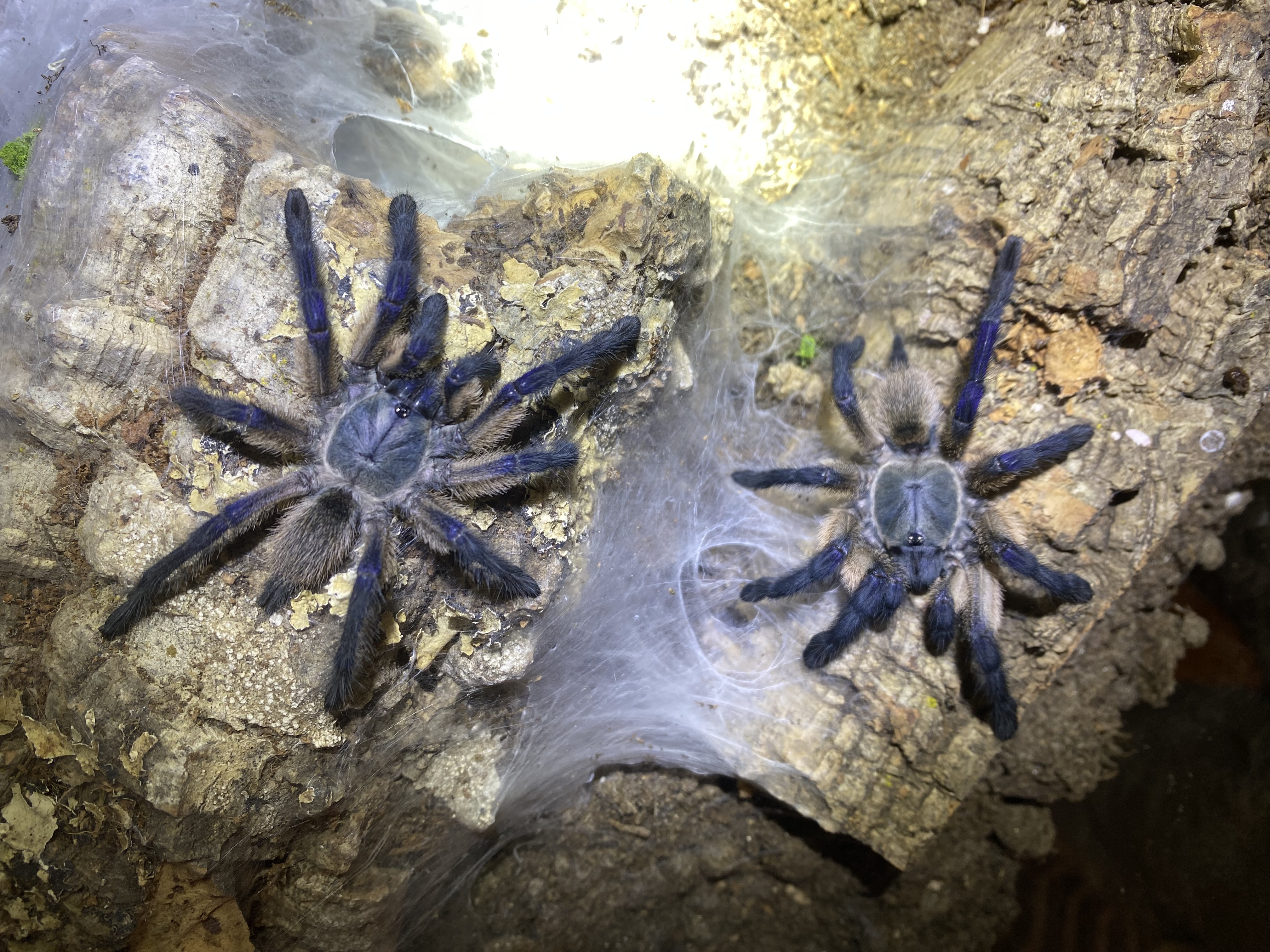
🕷️ The Socotra Island Blue Baboon: Monocentropus balfouri

The Monocentropus balfouri, also known as the Socotra Island Blue Baboon, is a highly coveted and visually striking tarantula species. Endemic to the Socotra Archipelago, this Old World spider is famous among hobbyists not only for its beautiful coloration but also for its unique, communal-living behavior, which is rare in the tarantula world.

Continue reading 🕷️ The Socotra Island Blue Baboon: Monocentropus balfouri

RI’s Ultimate Live Bug & Arachnid Experience (2026 Bookings Open!)

🤯 Prepare for an Unforgettable Insect Encounter in Rhode Island!

Get ready to thrill your audience! Starting in 2026, I am unleashing a spectacular, hands-on, and educational invertebrate experience, available for booking at schools, libraries, and birthday parties across Rhode Island!

Continue reading RI’s Ultimate Live Bug & Arachnid Experience (2026 Bookings Open!)

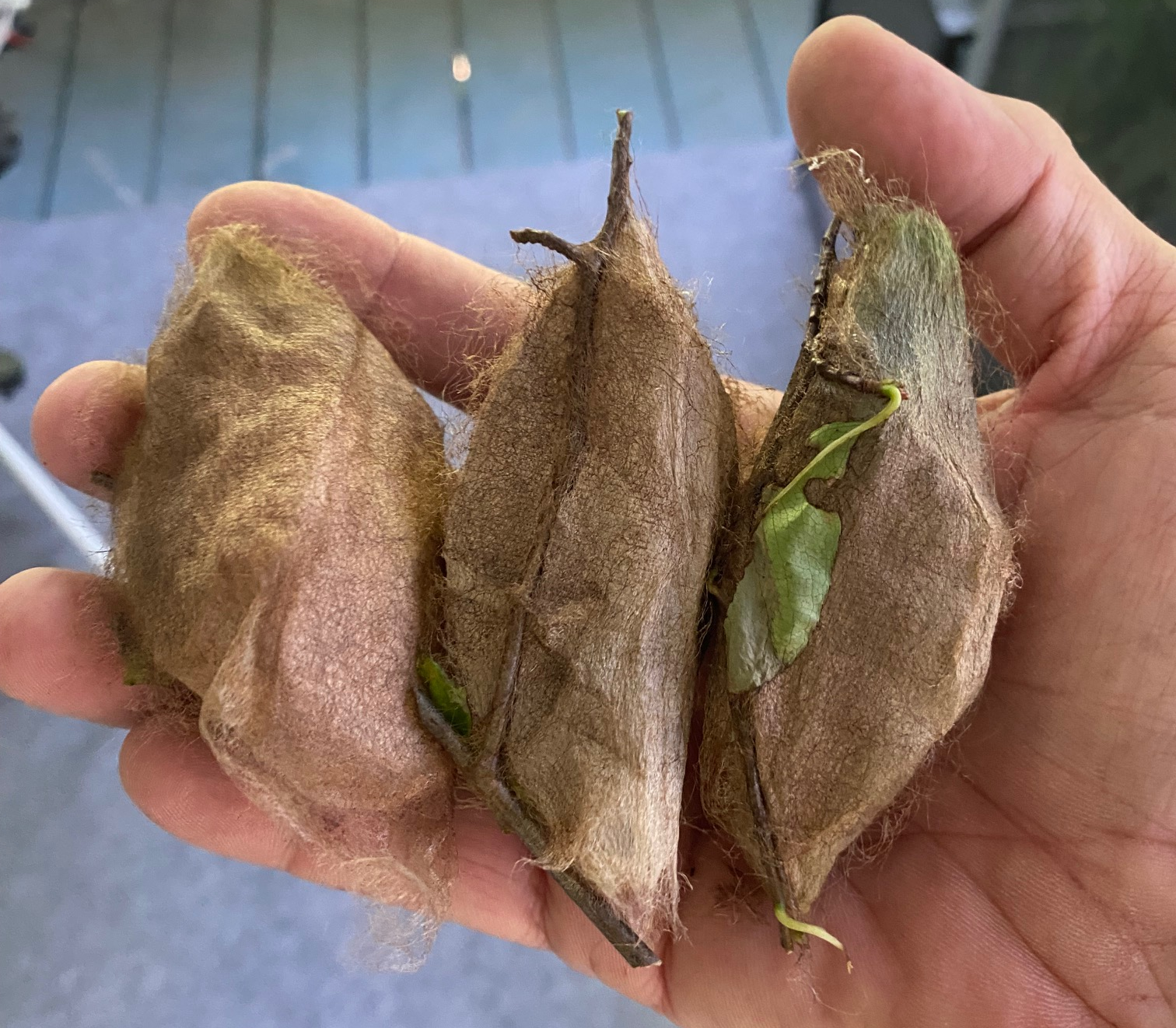
The Thrill of the Hunt: Finding Moth Cocoons in the Wild

For anyone who raises butterflies and moths, having your caterpillars form pupae is a huge undertaking. You spend weeks feeding these hungry mouths, and though you may be doing so in protected environments, the risk of failure remains. Stink bugs, yellow jackets, skunks, and raccoons are always hungry for your babies, and at times, no matter how hard you try, they still seem to find what you are working so hard to protect. There is an excitement that is unequaled when your caterpillars finally form their chrysalis or cocoon. With all of these odds against you in captivity, what chance do they have in the wild?

Continue reading The Thrill of the Hunt: Finding Moth Cocoons in the Wild

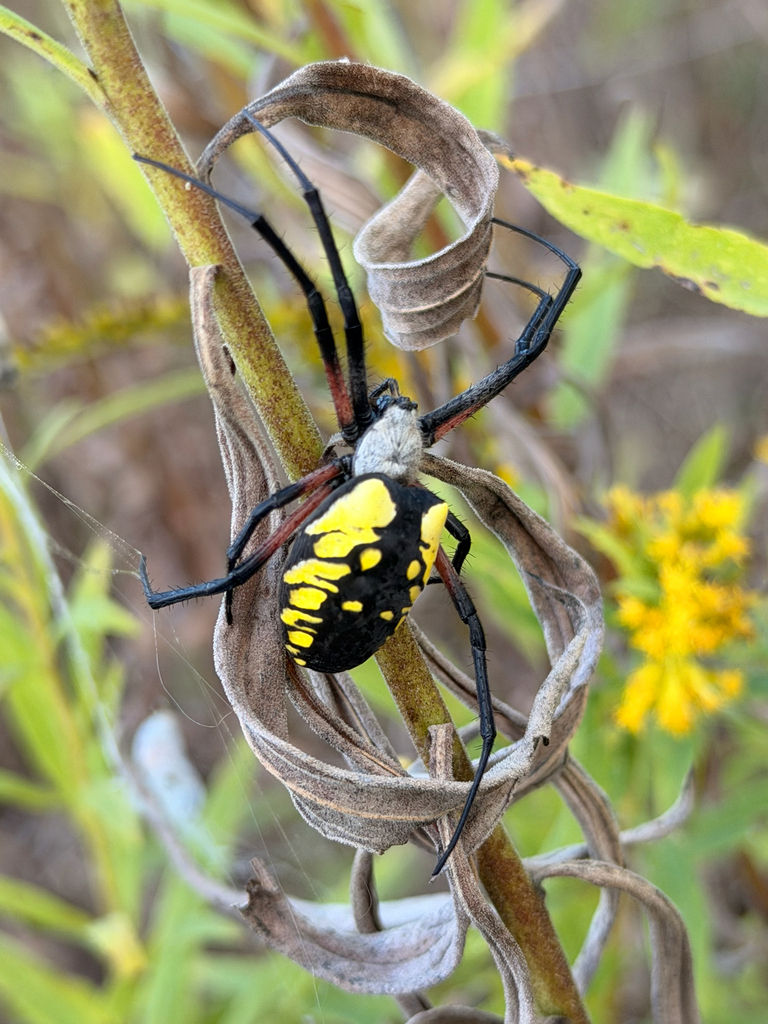
Argiope aurantia: The Striking “Black and Yellow Garden Spider” of North America

From the temperate gardens, meadows, and open woodlands across North America comes Argiope aurantia, popularly known as the Black and Yellow Garden Spider, Writing Spider, or Corn Spider. This visually stunning orb-weaver is celebrated for its dramatic, bright coloration, impressive size, and the creation of one of the most distinctive and intricate spider webs in the animal kingdom, complete with a prominent zigzag pattern.

Continue reading Argiope aurantia: The Striking “Black and Yellow Garden Spider” of North America