All posts by David Albaugh

BOOK REVIEW: “Butterflies Across Cape Cod” by Mark Mello and Tor Hansen

Field guides are one of my favorite types of books, especially when it comes to insects. If you are a regular reader of my site you will know that I have actually reviewed quite a few here. The problem is there is a lot of rehash from guide to guide, oftentimes not offering any new info. If there’s nothing new to offer then why buy it?

Continue reading BOOK REVIEW: “Butterflies Across Cape Cod” by Mark Mello and Tor Hansen

KINGDOM OF THE SPIDERS: William Shatner Treks Through Tarantulas!

kingdom_of_the_spiders_poster_01

The 70’s were a special time for me. It was a great time to be a kid for so many reasons. I still vividly remember the cool toys like Micronauts and the 8″ Mego super-hero action figures (they are not dolls). Actually, pretty much any toy made by Mego at the time was cool! During this time there was also a constant availability of horror and monster movies to be seen on television.

This was also the time period that began my interest in entomology (the study of insects). Thanks to a Christmas gift of a kit for collecting butterflies and moths, I have had this interest ever since. Instead of actually collecting them now though, I am more into photography and conservation with them.

Continue reading KINGDOM OF THE SPIDERS: William Shatner Treks Through Tarantulas!

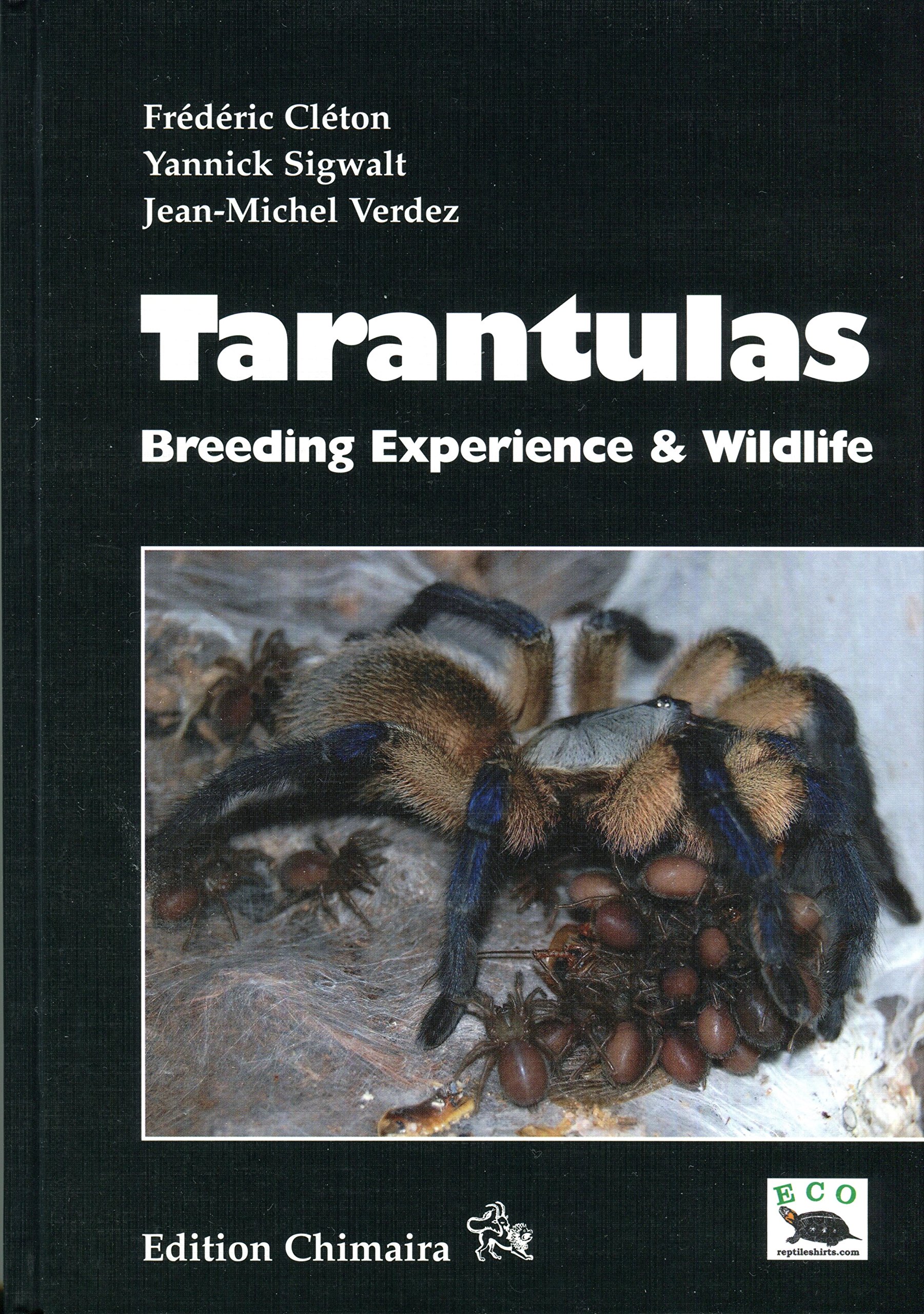
BOOK REVIEW: “Tarantulas: Breeding Experience & Wildlife”

This is such a great time to be a tarantula enthusiast. New exciting species are popping up all of the time and thanks to the internet, it is so easy to meet and talk to people with similar interests and experiences. Though there are many tarantula books out there, only a handful can really be described as exceptional. The subject of today’s review is one such book.

A1V13EM1edL

Continue reading BOOK REVIEW: “Tarantulas: Breeding Experience & Wildlife”

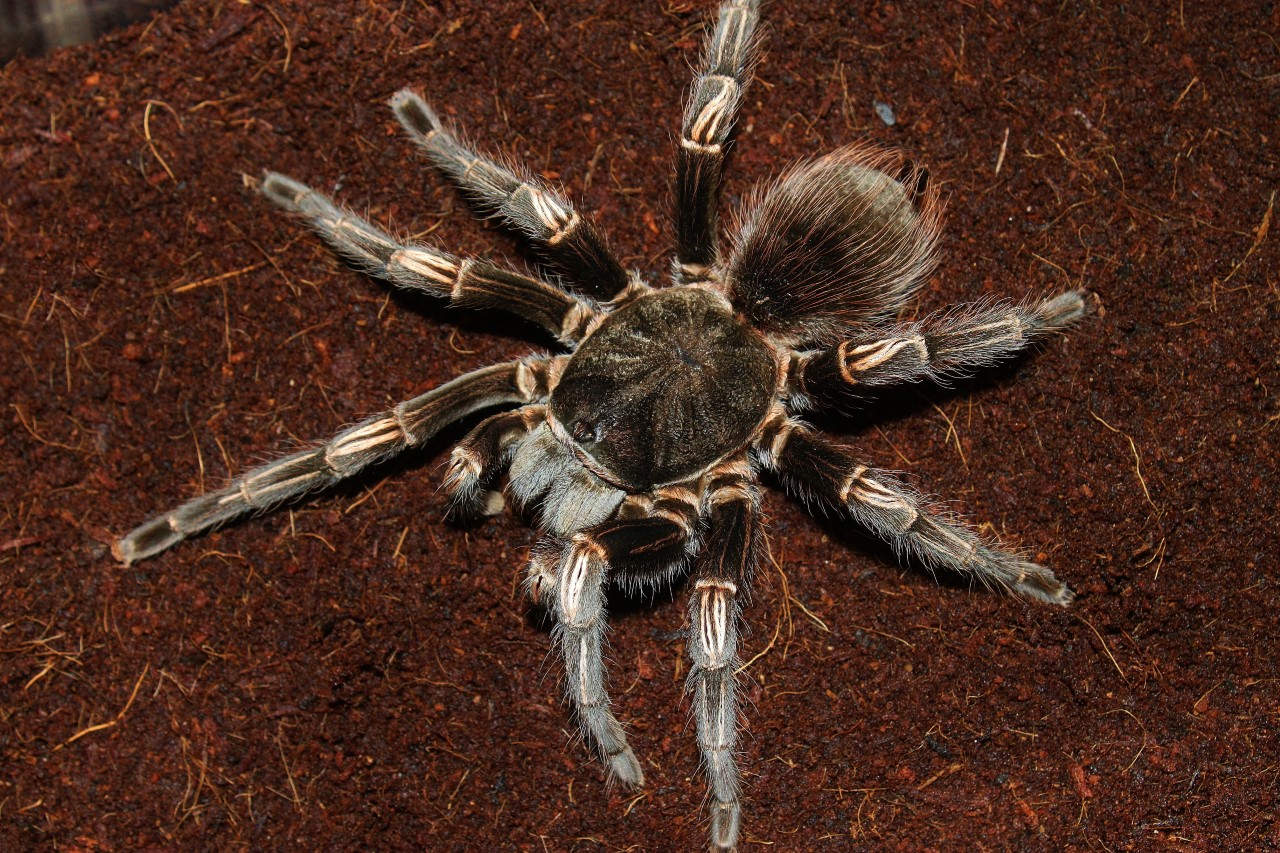
Grammostola pulchra: Once You Go Brazilian Black You’ll Never Go Back!

Welcome to part four of my series where each time I focus on one tarantula species in my collection. The photos used are of my actual tarantulas and the information I include is based on my own experiences. Please keep in mind that my experiences may differ from yours so just because I say it here does not mean that it is set in stone. I am just sharing what works for me.

#1

Continue reading Grammostola pulchra: Once You Go Brazilian Black You’ll Never Go Back!

You Just Can’t Go Wrong With A Classic Like Brachypelma hamorii, the Mexican Red-Knee

Welcome to part three of my series where each time I focus on one tarantula in my collection. The photos used are of my actual tarantulas and the information I include is based on my own experiences. Please keep in mind that my experiences may differ from yours so just because I say it here does not mean that it is set in stone. I am just sharing what works for me.

photo1

Continue reading You Just Can’t Go Wrong With A Classic Like Brachypelma hamorii, the Mexican Red-Knee

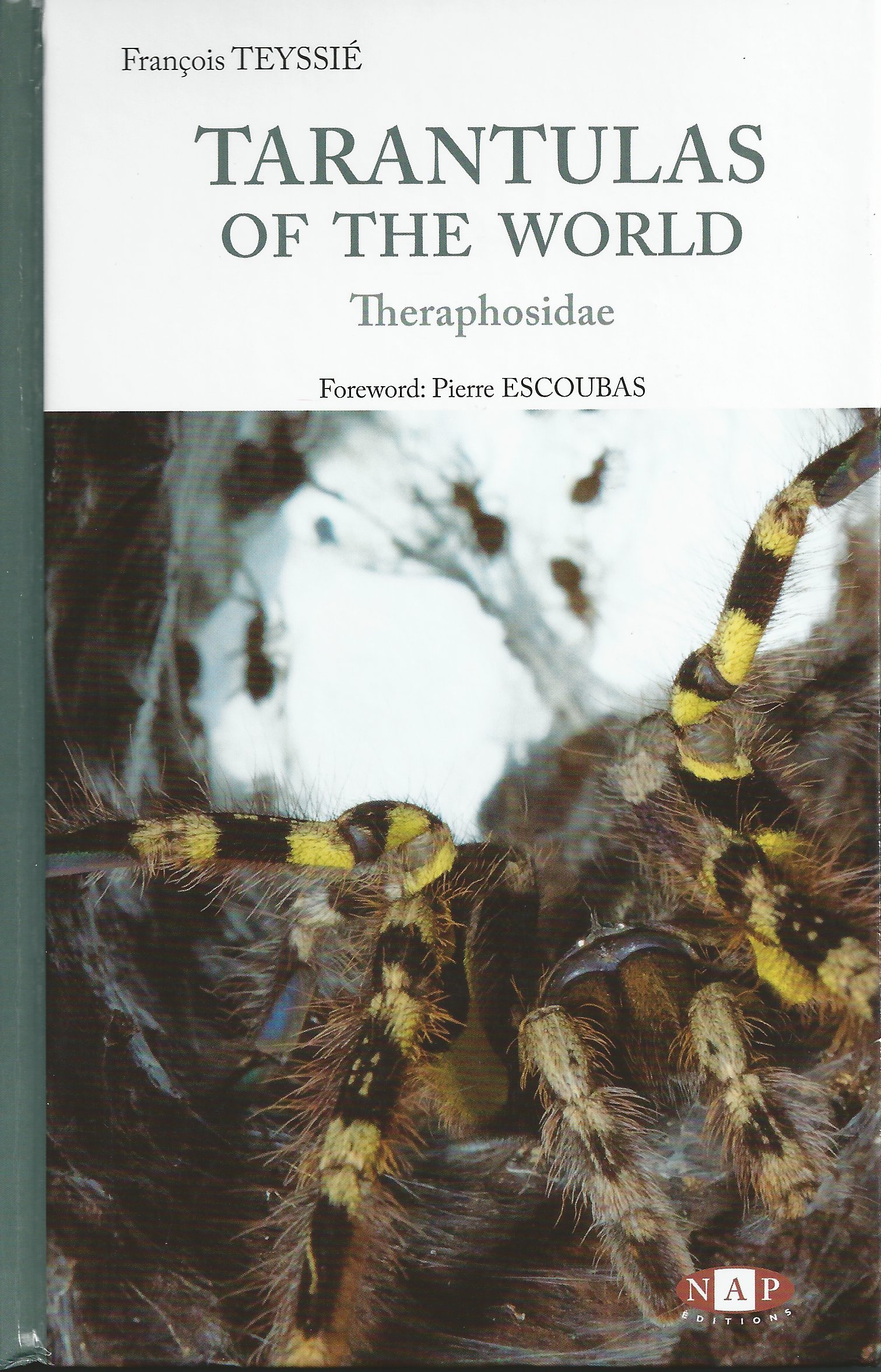
BOOK REVIEW: “Tarantulas of the World” by Francois Teyssie

Tarantulas of the World” is another book put out by NAP Editions in France, like “Scorpions of the World” by Roland Stockmann and Eric Ythier, reviewed HERE. It is, in my opinion, the most comprehensive and up-to-date book on the subject and is a must have in every tarantula enthusiast’s library. In many ways it even puts “The Tarantula Keeper’s Guide” to shame.

SCAN0030

Continue reading BOOK REVIEW: “Tarantulas of the World” by Francois Teyssie

Is The Dwarf Chilean Flame (Homoeomma chilensis, formerly Euathlus sp. red) Too Hot To Handle?

Welcome to part two of my series that I am working on where each time I focus on one tarantula in my collection. The photos used are of my actual tarantulas and the information I include is based on my own experiences. Please keep in mind that my experiences may differ from yours so just because I say it here does not mean that it is set in stone. I am just sharing what works for me. If you haven’t seen part one of this series, dealing with Lasiodorides striatus, then click HERE!

I have always been under the mindset that bigger is better and this was always true of tarantulas as well, until 2015. It was then that I was made aware of a genus of dwarf tarantulas known as Euathlus (pronounced you-aath-luss). This genus makes up 6 species, according to “The Tarantula Bibliography” by Michael Jacobi. There does seem to be some confusion though and major work needs to be done with this genus. There are four species regularly available from tarantula dealers and yet none of them can be found on Jacobi’s list. These species are truculentus, two species of pulcherrimaklaasi  (also known as sp. blue or Blue Femur Beauty and sp. green or Green Femur Beauty) and the subject of this entry, sp. red. Up until recently Euathlus parvulus was sold by dealers as Paraphysa parvula, a genus that is not even recognized on “The Tarantula Bibliography.”

15%20-%20Copy

Continue reading Is The Dwarf Chilean Flame (Homoeomma chilensis, formerly Euathlus sp. red) Too Hot To Handle?

The Rare But Wonderful Peruvian Orange Stripe Tarantula (Lasiodorides striatus)!

Welcome to part one of a series I am working on where each time I will focus on one tarantula in my collection. The photos used are of my actual tarantulas and the information I include is based on my own experiences. Please keep in mind that my experiences may differ from yours so just because I say it here does not mean that it is set in stone. I am just sharing what works for me.

Lasiodorides striatus (pronounced Lah-sigh-oh-door-eye-dees stry-ate-us), also known as the Peruvian Orange-Stripe, is a hard to find species in the hobby. In the 90’s, when I got my female, these were often sold as Goliath Orange-Stripes on pet store dealer lists. This lead to some confusion in the pet trade as they were often purchased thinking they were actually Goliath Bird-Eating Tarantulas (Theraphosa blondi at the time). I was actually looking for a blondi and the owner of the mom and pop pet store that I went to said he could get them and this is what I ended up with. Though not a blondi it is still a very interesting and easy-to-keep species.

thumbnail_21%20-%20Copy

Continue reading The Rare But Wonderful Peruvian Orange Stripe Tarantula (Lasiodorides striatus)!

PRODUCT REVIEW: Exo-Terra Breeding Boxes

I have been keeping tarantulas for over 40 years and am always looking for better ways to house them. When I first started your only real choice were glass fish tanks. These were ok but heavy if you had to move them (and you have to also remember that tarantula guides from the 70’s recommended using fish gravel as a substrate adding to the weight). Next came the Critter Keepers, plastic enclosures with snap on, well-ventilated lids. I started using these and have been happy until the last few years, where the plastic used for the lids has gotten more flimsy, preventing the stacking of the enclosures. Thankfully Exo-Terra has come up with a solution in their Breeding Boxes.

BREEDING BOX1

Continue reading PRODUCT REVIEW: Exo-Terra Breeding Boxes

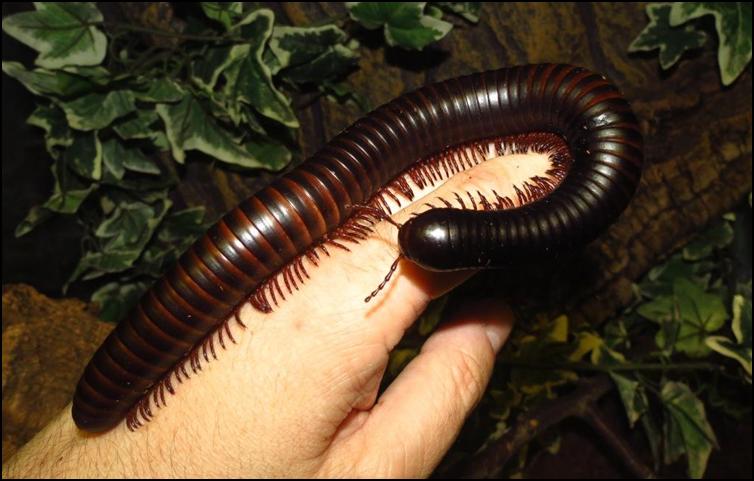
BOOK REVIEW: “Millipeds In Captivity: Diplopodan Husbandry and Reproductive Biology”

One of the most difficult things in being an invertebrate keeper is finding good information on the very animals you are keeping. Sure you can do a Google search and find pretty much anything you want but then you have to ask yourself, “How reliable is this information?” What is the source? Is this information good for keeping an animal alive for many years or just a few months? Good, reliable information is hard to find, especially when it comes to animals that may not be as widely available as something like a tarantula.

MILLIPEDS7

Continue reading BOOK REVIEW: “Millipeds In Captivity: Diplopodan Husbandry and Reproductive Biology”