All posts by David Albaugh

Unveiling the Enchantment: Discovering “The Little Book of Butterflies” and the Magic They Hold

Butterflies have been a significant part of my life for as long as I can remember. My fascination with them began when I was around seven and has stayed with me for fifty years. I spent hours in nature as a child, exploring and discovering new things. When I wasn’t collecting butterflies, I often read about them.

Continue reading Unveiling the Enchantment: Discovering “The Little Book of Butterflies” and the Magic They Hold

Princeton University Press’ “The Little Book of Beetles” by Arthur V. Evans

Coming this April from Princeton University Press four books in their new “Little Book” series. The first is THE LITTLE BOOK OF BEETLES by Arthur V. Evans and illustrated by Tugce Okay.

Packed with surprising facts, this delightful and gorgeously designed book will beguile any nature lover. Expertly written and beautifully illustrated throughout with color photographs and original color artwork, THE LITTLE BOOK OF BEETLES is an accessible and enjoyable mini reference about the world’s beetles, with examples drawn from across the globe. It fits an astonishing amount of information in a small package, covering a wide range of topics – from anatomy, diversity, and reproduction to habitat and conservation. It also includes curious facts and a section on beetles in myths, folklore, and modern culture from around the world. The result is an irresistible guide to the amazing lives of beetles.

Continue reading Princeton University Press’ “The Little Book of Beetles” by Arthur V. Evans

VELVET ANTS OF NORTH AMERICA by Kevin Williams, Aaron D. Pan, and Joseph S. Wilson

Velvet Ants of North America,” by Princeton University Press, is a beautiful photographic guide to the species of the wasp family Mutillidae found in the United States and Canada. Featuring hundreds of full-color photos, it covers nearly 460 species – representing more than nine percent of all velvet ant species, which number in the thousands worldwide – providing comprehensive and up-to-date coverage of this spectacular group of insects. This one-of-a-kind guide serves as an invaluable reference for naturalists, scientific researchers, museum specialists, and outdoor enthusiasts.

Continue reading VELVET ANTS OF NORTH AMERICA by Kevin Williams, Aaron D. Pan, and Joseph S. Wilson

Mysteries of Moths: Illuminating the Night’s Hidden Beauty

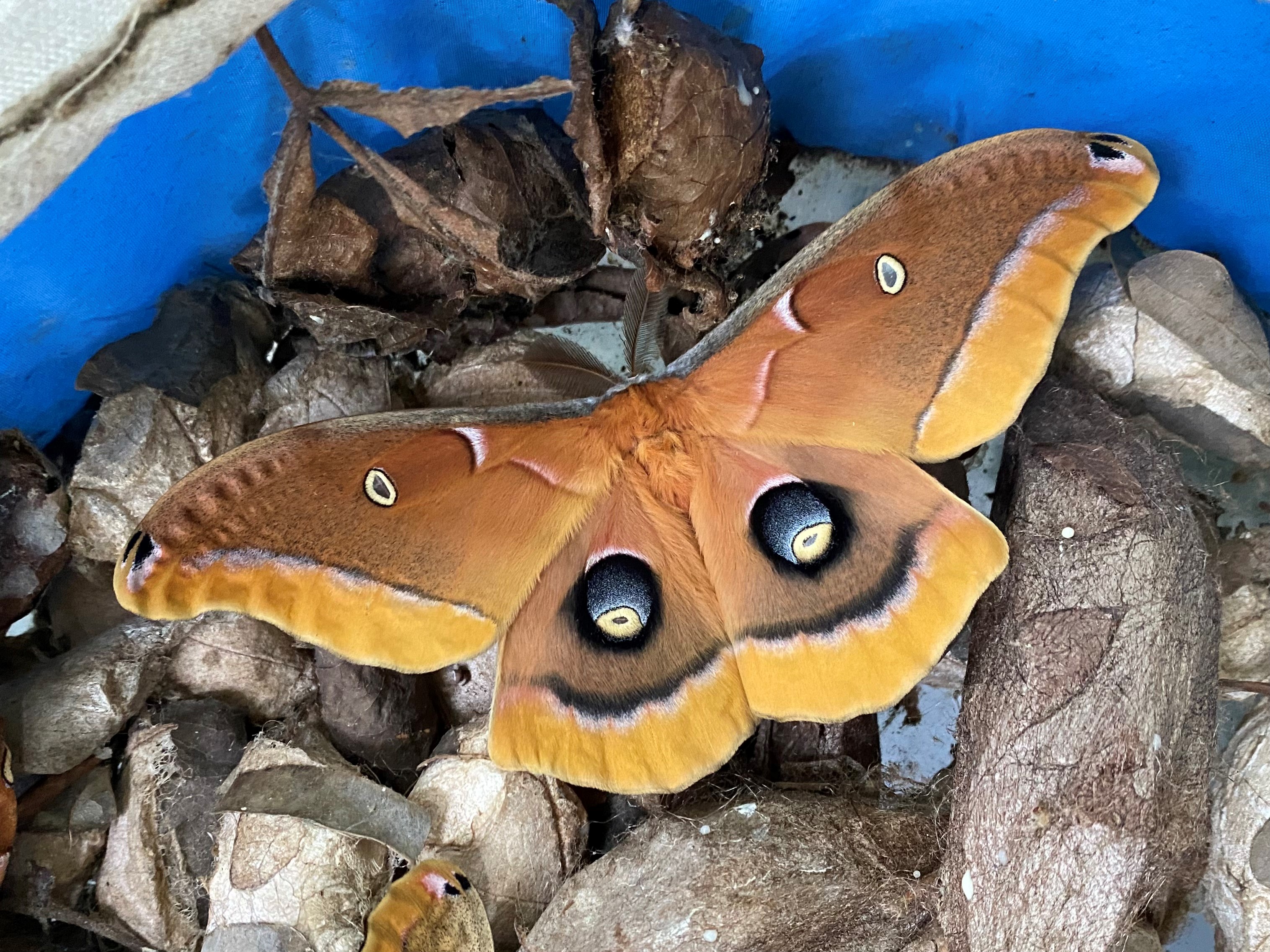
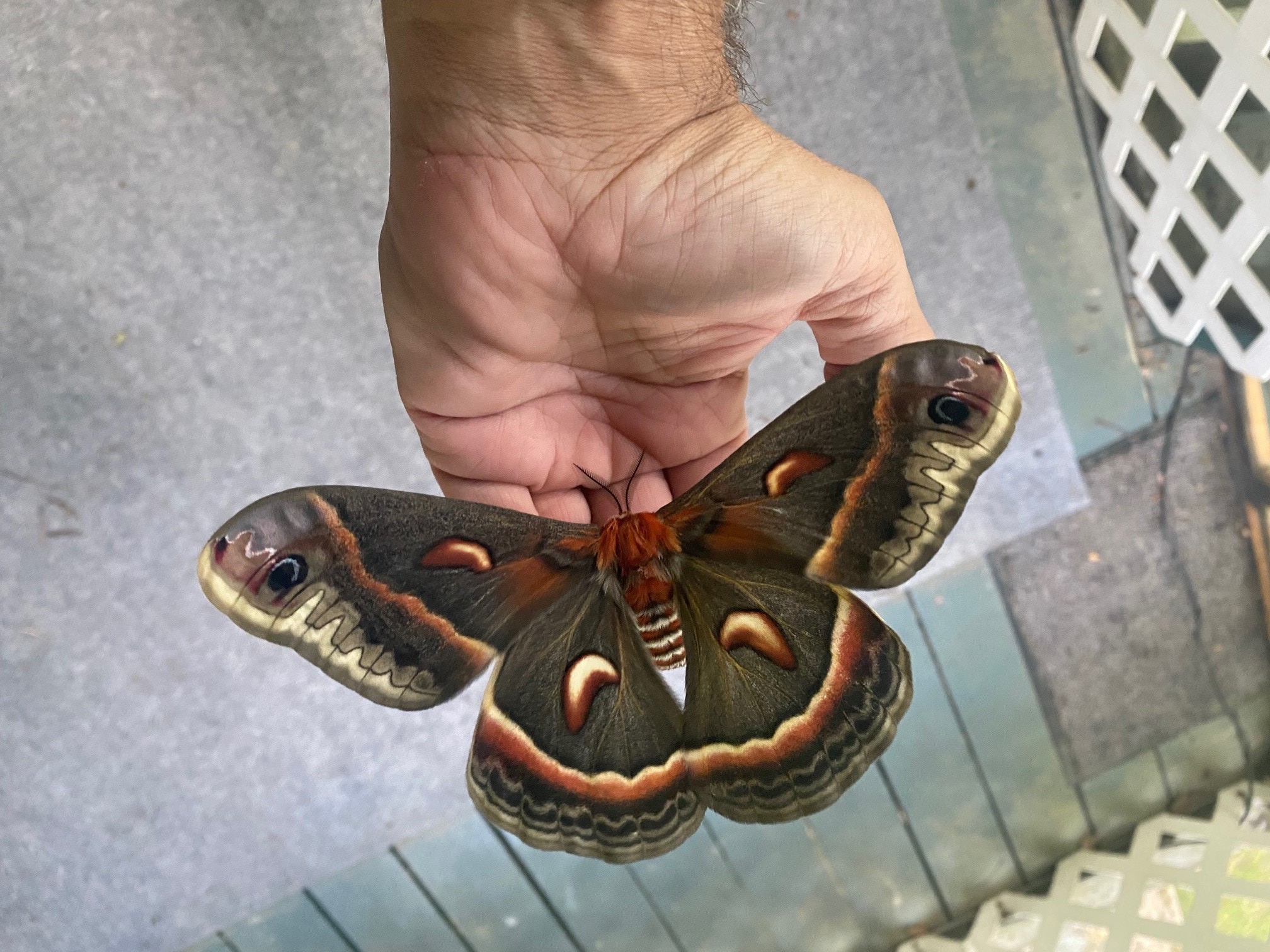
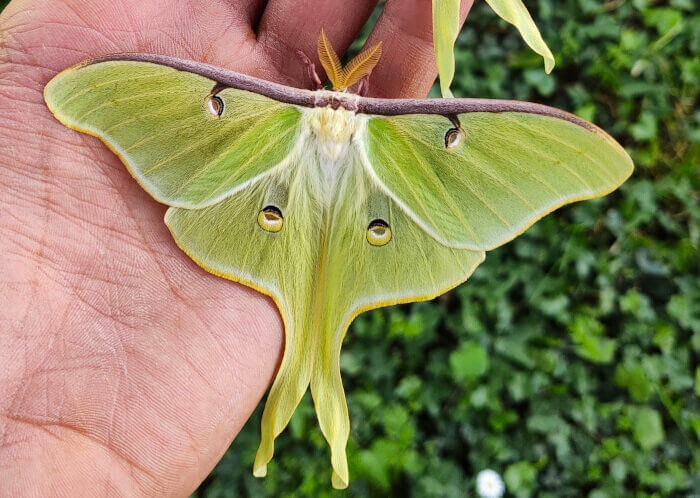
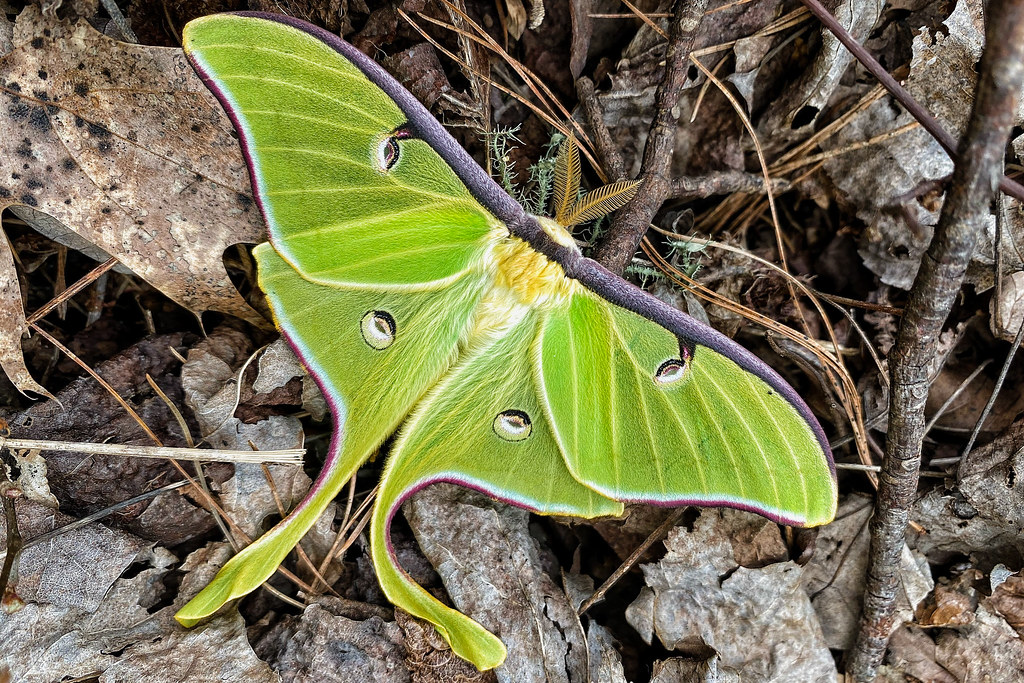
Moths, often regarded as the nocturnal counterparts to the more popular butterflies, have been an integral part of our planet’s history for an astounding 200 million years. Yet, their reputation is often overshadowed by misconceptions. Regrettably, when people think of moths, they frequently associate them with clothing damage, overlooking their inherent beauty.

Continue reading Mysteries of Moths: Illuminating the Night’s Hidden Beauty

Mysteries Unveiled: Embarking on Nocturnal Adventures with “Discovering Moths: Nighttime Jewels in Your Own Backyard” by Jim Himmelman

The natural world is a treasure trove of mysteries and beauty, often concealed within the folds of darkness. John Himmelman’s book, “Discovering Moths: Nighttime Jewels in Your Own Backyard, Eastern North American Species,” serves as a luminous guide to the enchanting universe of moths that grace our landscapes during the twilight hours. Published with a passion for education and the wonders of the night, this book invites readers to explore the intricate lives of these lesser-known creatures, highlighting their importance and magnificence.

Continue reading Mysteries Unveiled: Embarking on Nocturnal Adventures with “Discovering Moths: Nighttime Jewels in Your Own Backyard” by Jim Himmelman

Jaws of the Wetlands: Exploring the Fascinating World of the Venus Flytrap Plant

The Venus Flytrap plant, or Dionaea muscipula, is a unique and fascinating species that has captured the attention of people around the world. Known for its carnivorous diet and specialized traps, the Venus Flytrap is a popular topic of study for botanists and nature enthusiasts alike. It is native to the wetlands of North and South Carolina in the United States and thrives in acidic, nutrient-poor soils.

Continue reading Jaws of the Wetlands: Exploring the Fascinating World of the Venus Flytrap Plant

BUGGY BOOK REVIEW: “Spiders of North America” by Sarah Rose

There have been many field guides to spiders over the years and most are really good. Of the more than 49,000 species of spiders worldwide, some 4,000 are in North America. Spiders of North America explores more than 500 of the most common and interesting spiders found in this region of the world. This richly illustrated guide begins with an overview of spiders―what they are exactly, how they can be found, how they develop, and why they are important.

Continue reading BUGGY BOOK REVIEW: “Spiders of North America” by Sarah Rose

TARANTULA GENUS SPOTLIGHT: Theraphosa, the Goliath Bird Eaters

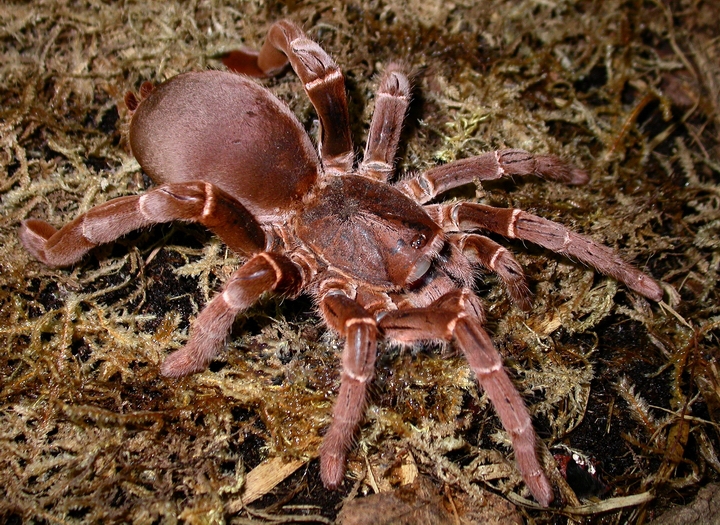
Goliath bird-eating tarantulas are the largest spiders by mass in the world (the giant huntsman spider has a larger leg span), belonging to the genus Theraphosa. They can have a body length of 5.1 inches and a leg span of a foot. At the time I started keeping tarantulas in the late 1970s, there was only one species known, Theraphosa blondi (though at the time it was being sold as Theraphosa leblondi). Blondi, described in 1804, was thought to be the only species of goliath until in 1991, the goliath pink foot (Theraphosa apophysis), was described. Then, in 2010, the burgundy goliath (Theraphosa stirmi) was described. Though all three species look similar as adults, the spiderling and juvenile stages show the greatest differences between species.

Theraphosa blondi (Latreille, 1804)

Continue reading TARANTULA GENUS SPOTLIGHT: Theraphosa, the Goliath Bird Eaters

TARANTULA GENUS SPOTLIGHT: Brachypelma

The first tarantula I ever had was Brachypelma hamorii, then known as smithi. I had her for fifteen years, after my parents bought her for me in 1979 from a local pet shop. Since then, though I now keep many genuses of tarantulas, Brachypelma will always hold a special place in my heart. They are easy to keep, are very long lived, and all are absolutely beautiful. In 2019, many Brachypelma species were re-designated under the new genus Tliltocatl. According to the World Spider Catalog, there are currently eight species of Brachypelma, all originating from Mexico. Thanks to captive-breeding efforts within the United States, most of these are readily available as spiderlings. All species are protected, and trade is regulated under CITES.

Continue reading TARANTULA GENUS SPOTLIGHT: Brachypelma

BUGGY BOOK REVIEW: “Venomous Words” by Jeff Oliver and Gordon Reilly

As is often the case, I become aware of new books through random Amazon searches. I am always looking for new books on tarantulas and “Venomous Words” by Jeff Oliver and Gordon Reilly appeared in the offerings and the concept intrigued me, macro-photography combined with dark poetry. What a great combination and the book’s cover certainly sucked me in, despite the high price tag.

Continue reading BUGGY BOOK REVIEW: “Venomous Words” by Jeff Oliver and Gordon Reilly