All posts by David Albaugh

The Binocular Revolution: Why Pyle’s Butterfly Handbook is Still the Gold Standard

In the world of natural history, few books have had as profound an impact on how we engage with the small wonders of our environment as The Audubon Society Handbook for Butterfly Watchers by Robert Michael Pyle. First published in 1984, this seminal work did more than just list species; it essentially pioneered a new hobby. Before Pyle’s handbook, the study of butterflies—lepidopterology—was largely the domain of collectors with nets and glass-topped cases. Pyle, a visionary lepidopterist and the founder of the Xerces Society for Invertebrate Conservation, invited the public to trade their nets for binoculars, transforming a consumptive pursuit into a contemplative and scientific one.

A Philosophy of Observation

At the heart of Pyle’s writing is a deep-seated respect for the living creature. The handbook is celebrated not only for its technical depth but for its “poetic appreciation” of nature. Pyle argues persuasively that watching a living butterfly interact with its habitat—observing its courtship dances, its territorial disputes, and its delicate relationship with host plants—is far more rewarding than possessing a dried specimen. This shift in perspective was revolutionary at the time and laid the groundwork for modern citizen science. Pyle’s prose is warm and accessible, making the complex biology of insects feel like an invitation to a grand, outdoor theater.

Robert Michael Pyle was inspired to found the Xerces Society in 1971 after hearing of the impending loss of the large blue butterfly from Britain. He named the organization after a similar butterfly that had already gone extinct, the Xerces blue. (Photo: David Lee Myers.)

Comprehensive Insights into Butterfly Life

The handbook serves as an exhaustive guide to the “why” and “how” of butterfly life. Rather than focusing solely on identification—a task handled by its companion field guides—this volume delves into the biology and ecology of these winged insects. Readers learn to recognize the signs of different life stages, from the microscopic architecture of eggs to the varied textures of chrysalises. Pyle meticulously details butterfly behavior, explaining how “basking” helps these cold-blooded creatures regulate their temperature and how “puddling” allows males to gather essential minerals. By understanding these behaviors, a watcher stops being a mere spectator and begins to see the intricate survival strategies playing out in every garden and meadow.


Book Specifications at a Glance

FeatureDetails
AuthorRobert Michael Pyle
IllustratorSarah Anne Hughes
First Published1984 (Scribner’s)
Key Revised Edition1992 (Houghton Mifflin)
Core SubjectField techniques, behavior, and conservation
Total Pages280 (approx.)

Mastering the Art of the Field Trip

Practicality is a hallmark of this handbook. Pyle provides detailed advice on the tools of the trade, discussing the emergence of close-focusing binoculars and the nuances of butterfly photography. He emphasizes the importance of keeping a field journal, encouraging watchers to record weather patterns, plant associations, and flight periods. There is even a section dedicated to butterfly gardening, which empowers readers to transform their own backyards into vital corridors for local species. These sections are remarkably prescient, anticipating the modern movement toward rewilding and pollinator protection.

The Ethical Heart and Conservation Legacy

The book concludes with a powerful call to action regarding conservation. Robert Michael Pyle’s work is inextricably linked to the protection of endangered habitats. He uses the handbook to explain the “extinction of experience”—the idea that as we lose touch with local nature, we lose the will to protect it. By teaching people to watch and love butterflies, Pyle effectively built a grassroots army of conservationists. Even decades after its release, the handbook remains the “gold standard” for anyone who wishes to look more closely at the world. It is a masterclass in how one person’s passion can change the way an entire society perceives the beauty and fragility of the natural world.

“People who care may make choices to conserve; but people who don’t know, don’t even care.” — Robert Michael Pyle

Caught in a Web of Wisdom: Why “The Tarantula Keeper’s Guide” is Still the Gold Standard

For decades, the world of arachnoculture has looked to a single, definitive source for wisdom, scientific insight, and practical care: The Tarantula Keeper’s Guide by Stanley A. Schultz and Marguerite J. Schultz. Often referred to by enthusiasts as the “Tarantula Bible,” this comprehensive work did more than just list husbandry requirements; it revolutionized the way these misunderstood creatures are perceived by the public and cared for by keepers. By blending rigorous biological study with a deep, palpable affection for their eight-legged subjects, the Schultzes created a manual that remains as inspiring today as it was upon its first publication in 1998.


A Foundation of Scientific Wonder

Image of tarantula anatomy

What sets this guide apart from many other pet manuals is its profound commitment to biological education. The authors do not simply tell a reader how to keep a tarantula alive; they explain the intricate physiological processes that make these animals so unique. The book provides a deep dive into the evolutionary history of the Theraphosidae family, offering readers a window into a world that has remained largely unchanged for millions of years. This focus on anatomy and physiology ensures that the keeper understands the “why” behind the “how,” fostering a deeper connection between the owner and the animal.

The Schultzes take great care to describe the complex sensory systems of the tarantula, from the delicate vibrations sensed by the slit sensilla to the remarkable process of ecdysis, or molting. By detailing the internal mechanics of a molt, the book transforms a stressful event for a new keeper into a fascinating display of biological engineering. This scientific grounding serves to strip away the “creepy-crawly” stigma, replacing fear with an informed sense of awe.


Mastering the Art of Husbandry

The practical advice contained within the guide is legendary for its clarity and common sense. In an era before the internet offered instant (and often conflicting) advice, the Schultzes provided a steady hand. They cover every essential aspect of care, including the selection of an appropriate enclosure, the importance of substrate depth, and the nuances of temperature and humidity management. Their approach is characterized by responsible minimalism, advocating for setups that prioritize the animal’s safety and natural behaviors over aesthetic complexity.

Beyond the basics, the book excels in its discussion of feeding and nutrition. It provides a thorough overview of prey types and the importance of a varied diet, while also addressing the common anxieties of new keepers, such as a spider’s refusal to eat for long periods. The Schultzes’ patient, reassuring tone helps keepers understand that these animals operate on a much slower biological clock than mammals, encouraging a “watch and wait” philosophy that is essential for successful long-term care.


Dismantling Myths and Cultivating Ethics

Perhaps the most significant contribution of The Tarantula Keeper’s Guide is its role in debunking the pervasive myths that have haunted spiders for centuries. The authors systematically dismantle the image of the “deadly” tarantula, replacing it with the reality of a fragile, shy predator that would much rather retreat than engage in conflict. Their discussion on venom and defensiveness is balanced and factual, providing safety guidelines that protect both the keeper and the spider.

Furthermore, the Schultzes were early advocates for ethical sourcing and conservation. Throughout the guide, there is a strong emphasis on the importance of captive breeding over wild collection. By encouraging keepers to support sustainable practices, they helped lay the groundwork for the modern hobby, which now thrives on a diverse array of captive-bred species. This ethical framework ensures that the hobby contributes to the preservation of these species rather than their depletion in the wild.


A Lasting Legacy for the Modern Keeper

Even as new species are discovered, and technology changes the way we heat and light our terrariums, the core philosophy of The Tarantula Keeper’s Guide remains unshakable. It is a testament to the power of observation and the value of treating even the smallest creatures with respect and curiosity. The warmth and passion of Stanley and Marguerite Schultz leap off every page, making it clear that for them, tarantulas are not just pets, but fascinating ambassadors of the natural world.

For the novice, this book is an essential roadmap that prevents common mistakes and builds confidence. For the veteran, it is a nostalgic touchstone and a reliable reference that continues to offer new insights upon every re-reading. It stands as a vibrant celebration of arachnology, proving that with the right guidance, anyone can find beauty and wonder in the life of a tarantula.

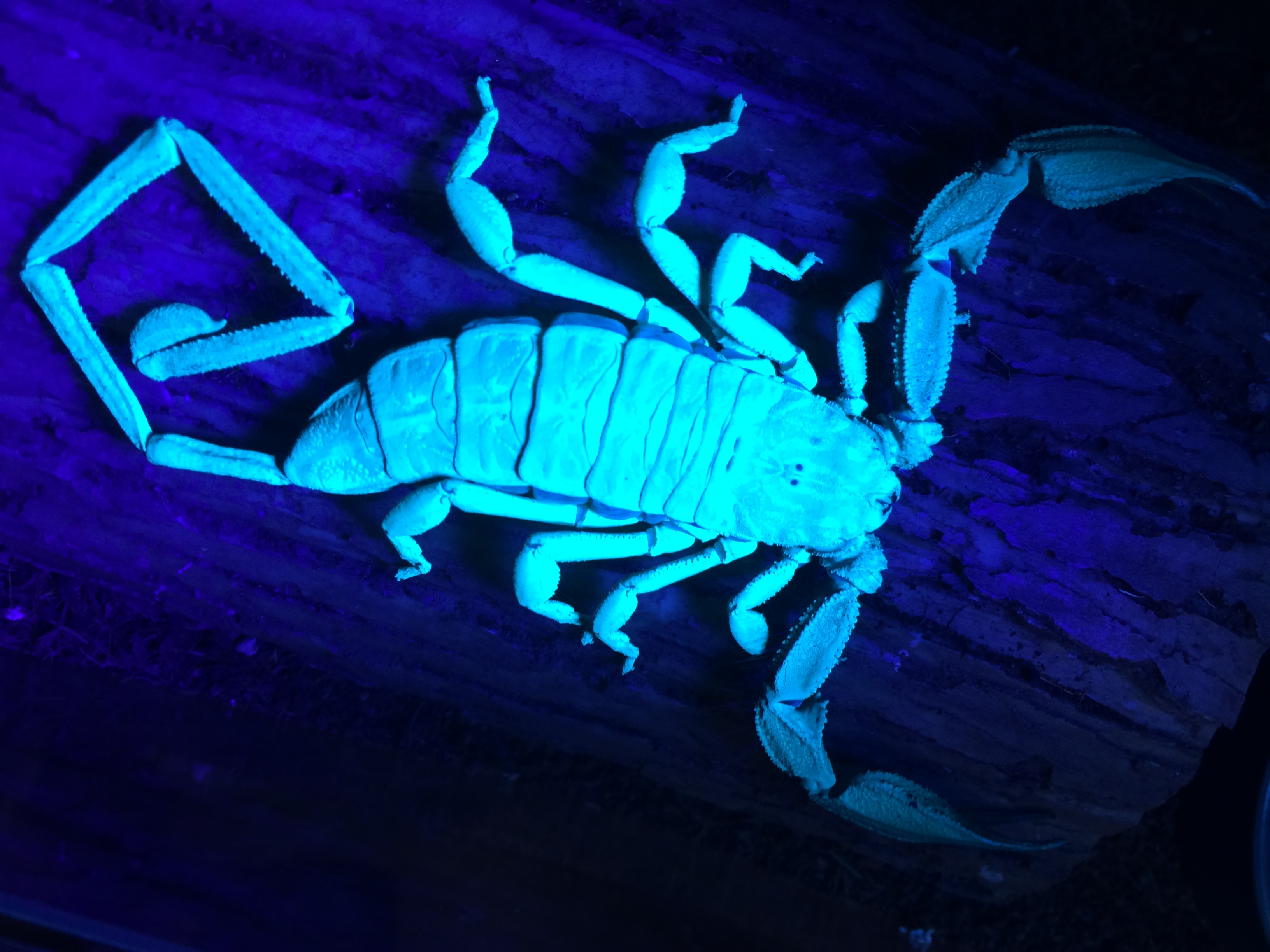
🦂 The Desert Goliath: Hadrurus arizonensis (Giant Desert Hairy Scorpion)

Hadrurus arizonensis, more commonly recognized as the Giant Desert Hairy Scorpion, stands as a legendary figure of the North American wilderness. As the largest scorpion species native to the United States, it has captured the fascination of both biologists and exotic pet enthusiasts alike. Unlike many of its smaller, more reclusive relatives, this species is a bold predator that has perfectly adapted to the unforgiving heat and aridity of the desert landscape.

Continue reading 🦂 The Desert Goliath: Hadrurus arizonensis (Giant Desert Hairy Scorpion)

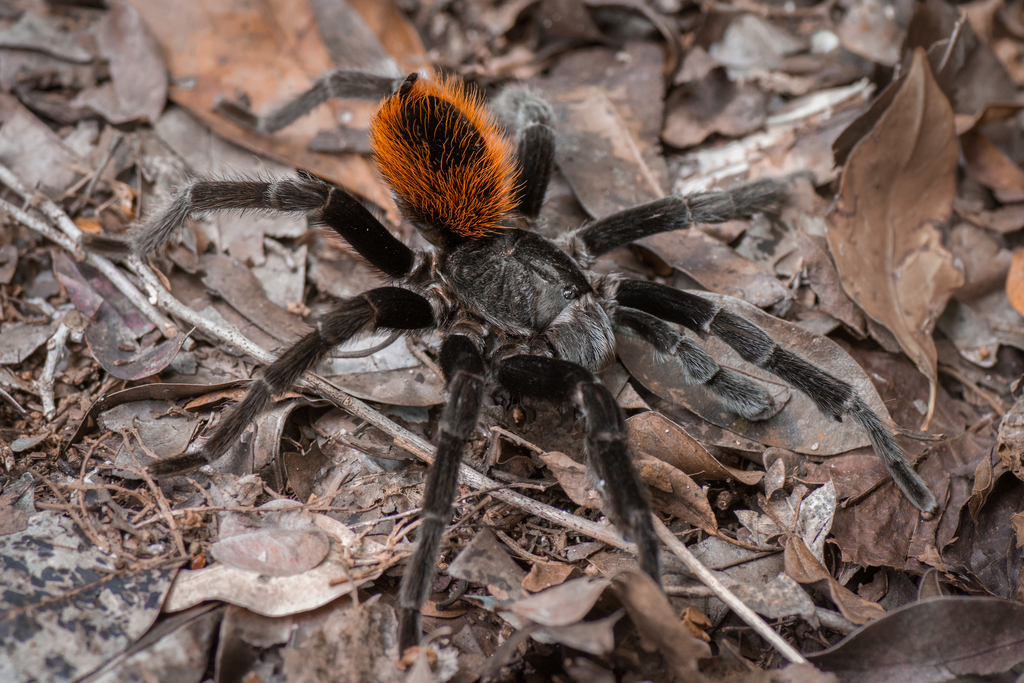
🧸 The Fluffy Favorite: Tliltocatl albopilosus (Curly Hair Tarantula)

The Tliltocatl albopilosus, universally known as the Curly Hair Tarantula or sometimes the Woolly Tarantula, is arguably the most popular beginner tarantula species in the hobby. Celebrated for its docile nature, hardiness, and unique, charmingly shaggy appearance, this New World species makes an excellent ambassador for the world of exotic pets.

Continue reading 🧸 The Fluffy Favorite: Tliltocatl albopilosus (Curly Hair Tarantula)

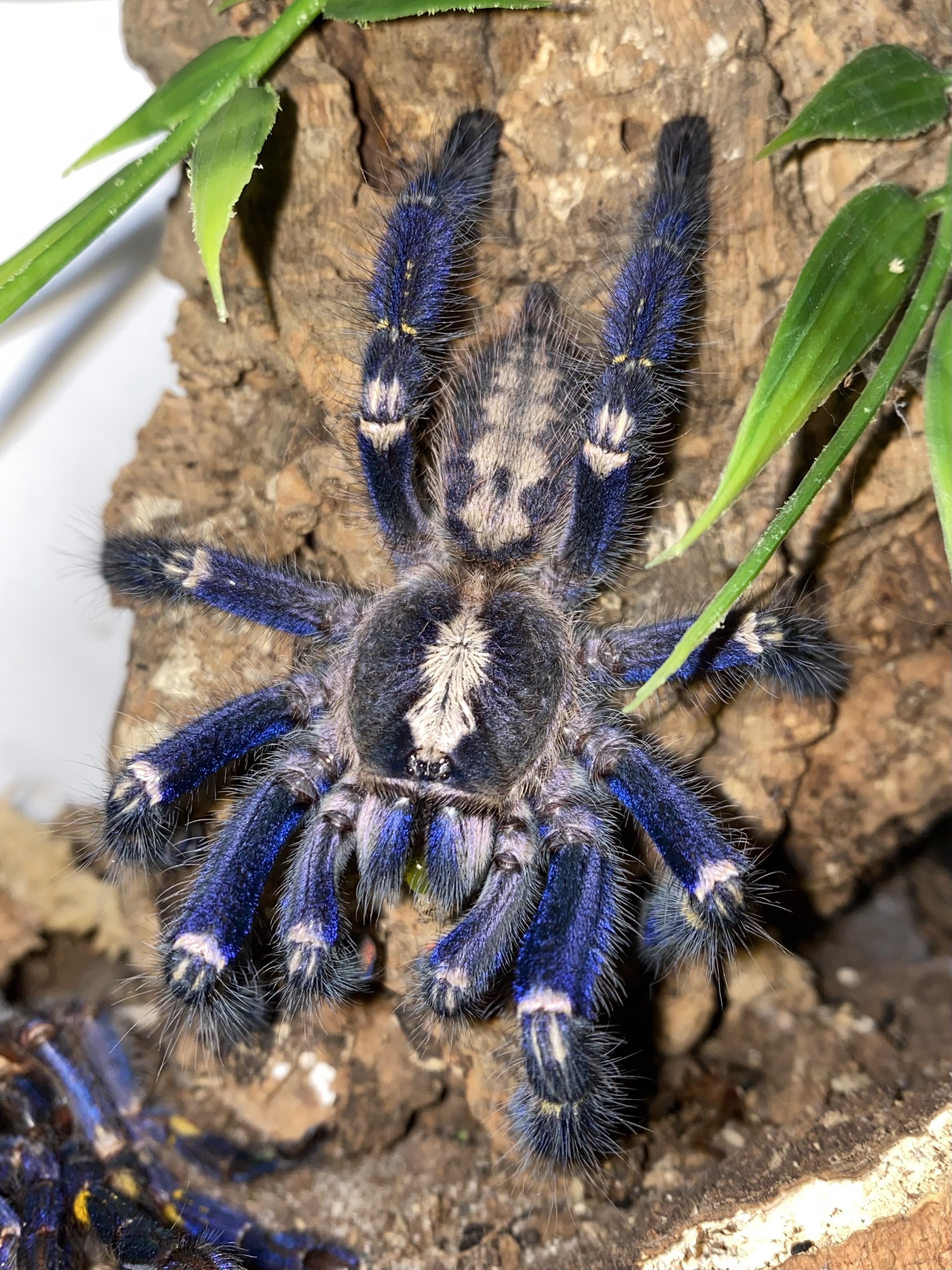
🕷️ The Socotra Island Blue Baboon: Monocentropus balfouri

The Monocentropus balfouri, also known as the Socotra Island Blue Baboon, is a highly coveted and visually striking tarantula species. Endemic to the Socotra Archipelago, this Old World spider is famous among hobbyists not only for its beautiful coloration but also for its unique, communal-living behavior, which is rare in the tarantula world.

Continue reading 🕷️ The Socotra Island Blue Baboon: Monocentropus balfouri

RI’s Ultimate Live Bug & Arachnid Experience (2026 Bookings Open!)

🤯 Prepare for an Unforgettable Insect Encounter in Rhode Island!

Get ready to thrill your audience! Starting in 2026, I am unleashing a spectacular, hands-on, and educational invertebrate experience, available for booking at schools, libraries, and birthday parties across Rhode Island!

Continue reading RI’s Ultimate Live Bug & Arachnid Experience (2026 Bookings Open!)

The Thrill of the Hunt: Finding Moth Cocoons in the Wild

For anyone who raises butterflies and moths, having your caterpillars form pupae is a huge undertaking. You spend weeks feeding these hungry mouths, and though you may be doing so in protected environments, the risk of failure remains. Stink bugs, yellow jackets, skunks, and raccoons are always hungry for your babies, and at times, no matter how hard you try, they still seem to find what you are working so hard to protect. There is an excitement that is unequaled when your caterpillars finally form their chrysalis or cocoon. With all of these odds against you in captivity, what chance do they have in the wild?

Continue reading The Thrill of the Hunt: Finding Moth Cocoons in the Wild

Argiope aurantia: The Striking “Black and Yellow Garden Spider” of North America

From the temperate gardens, meadows, and open woodlands across North America comes Argiope aurantia, popularly known as the Black and Yellow Garden Spider, Writing Spider, or Corn Spider. This visually stunning orb-weaver is celebrated for its dramatic, bright coloration, impressive size, and the creation of one of the most distinctive and intricate spider webs in the animal kingdom, complete with a prominent zigzag pattern.

Continue reading Argiope aurantia: The Striking “Black and Yellow Garden Spider” of North America

The Moth Book: A Timeless Classic of Natural History

The Moth Book by W.J. Holland, first published in 1903, remains a remarkable and foundational work in the study of North American moths. While many scientific texts from that era have become obsolete, Holland’s masterpiece endures as a testament to his passion for the subject and his skill as both a scientist and a writer. It’s a book that masterfully combines scientific rigor with an accessible, engaging style, making it a true classic for both professional entomologists and amateur naturalists alike.

Continue reading The Moth Book: A Timeless Classic of Natural History

Heteropteryx dilatata: The Massive “Jungle Nymph” of Southeast Asia

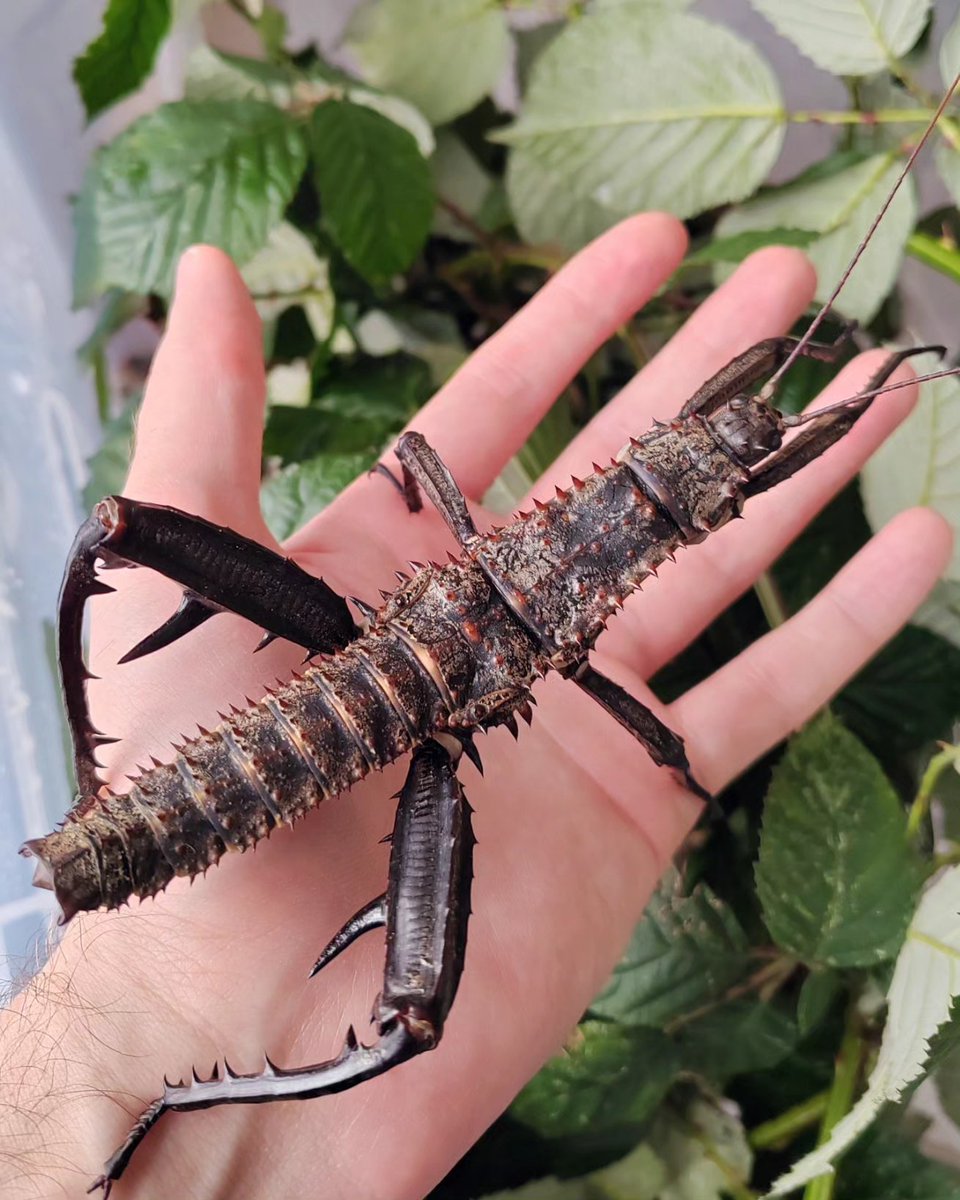
From the dense, humid rainforests of the Malay Peninsula and surrounding islands of Southeast Asia comes Heteropteryx dilatata, popularly known as the Jungle Nymph, Malayan Jungle Nymph, or Giant Malaysian Stick Insect. This monumental stick insect is revered for its incredible size, striking appearance, and remarkable camouflage, making it one of the largest and most sought-after species in the entomology hobby.

Continue reading Heteropteryx dilatata: The Massive “Jungle Nymph” of Southeast Asia