
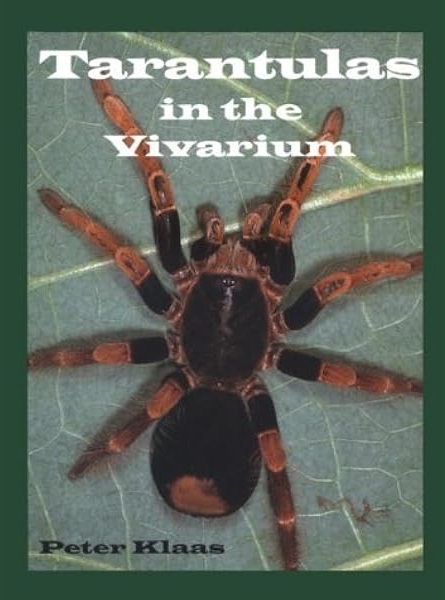
When Peter Klaas published Tarantulas in the Vivarium: Habits, Husbandry, and Breeding in 2001, the arachnoculture hobby was in a state of rapid transition. While keepers were moving away from “trial and error,” there was a desperate need for a consolidated, scientifically grounded resource.
Klaas, a respected German arachnologist and keeper, filled that void with a work that remains a foundational text for serious hobbyists and professional breeders alike.
Core Philosophy: Biology Informs Husbandry
The central thesis of Klaas’s book is that successful captive care is impossible without an understanding of natural history. Unlike many “pet care” books that provide generic instructions, Klaas breaks down the specific ecological niches of different species.
- Micro-climates: He emphasizes the difference between the ambient temperature of a room and the specific humidity levels found inside a deep burrow.
- Behavioral Indicators: The book teaches keepers how to read a tarantula’s posture and web-spinning habits to assess its health and stress levels.
Comprehensive Species Profiles
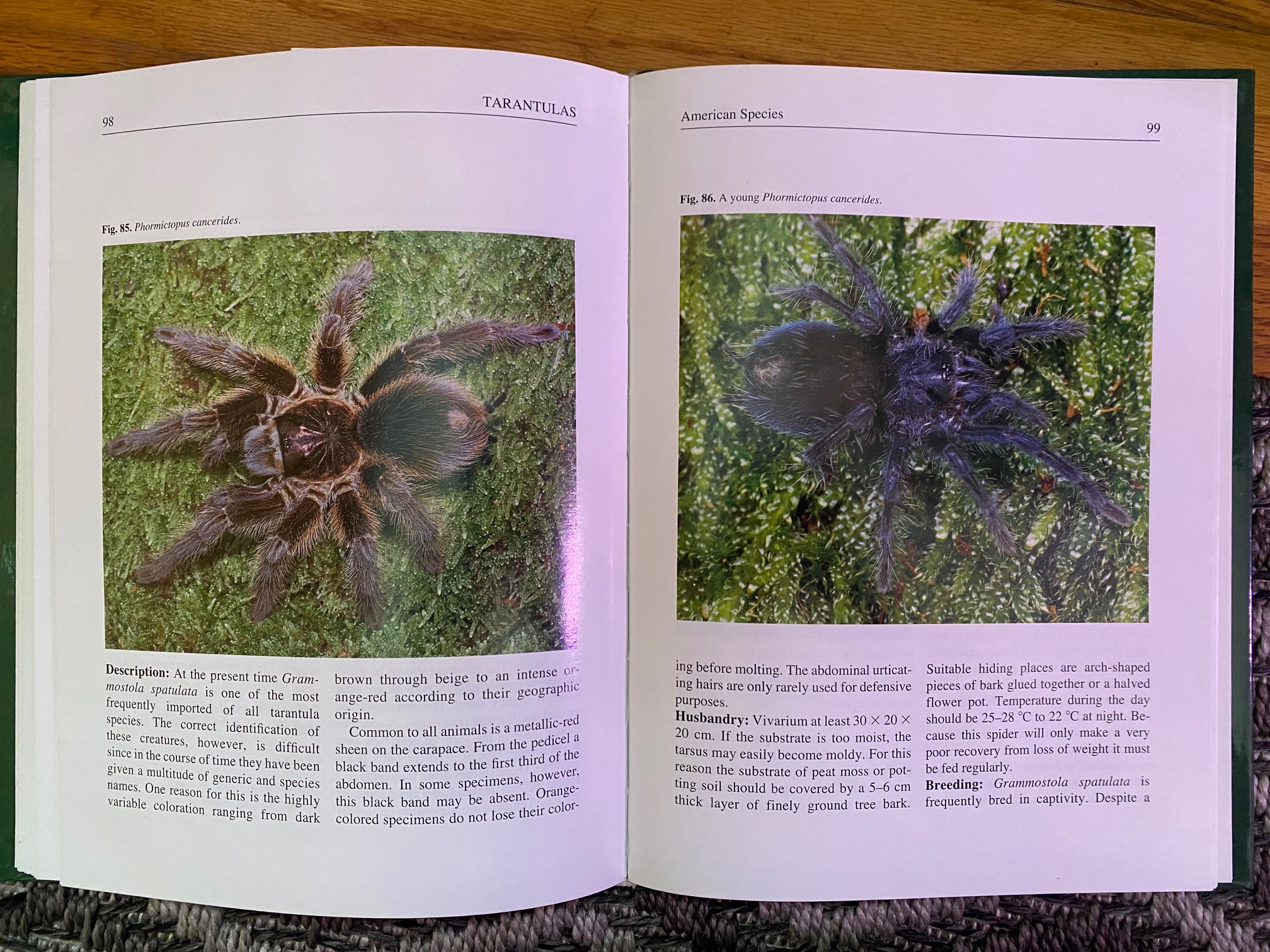
One of the most valuable sections of the book is the detailed breakdown of species. In 2001, many of the “Old World” species (from Asia and Africa) were just becoming common in the trade. Klaas provided critical data on:
- Morphology: Physical descriptions to help with identification.
- Distribution: Mapping where these spiders originate to better replicate their native soil types and rainfall cycles.
- Temperament: Categorizing species by their defensiveness, which helped keepers manage the risks associated with potent venoms.
Technical Highlights: Breeding and Molting
Klaas excels in explaining the more complex biological processes that often intimidate new keepers.
| Feature | Description in the Book |
| The Molting Process | A step-by-step breakdown of ecdysis, including the hormonal triggers and the critical “soft-shell” recovery period. |
| Breeding Mechanics | Detailed instructions on introducing males to females, identifying sperm webs, and the delicate art of egg sac incubation. |
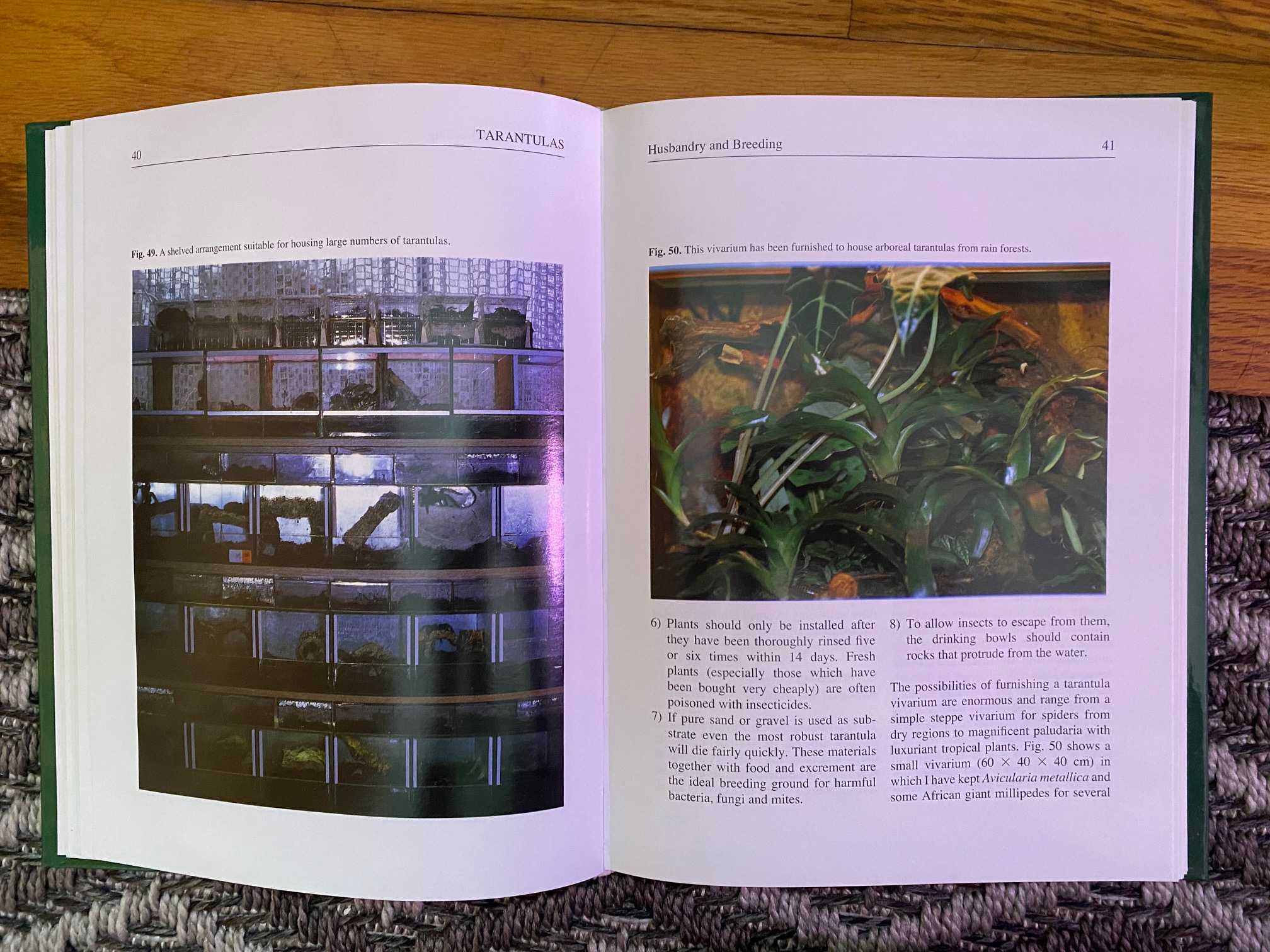
| Vivarium Construction | Practical advice on ventilation, substrate depth for obligate burrowers, and the pros/cons of glass vs. plastic enclosures. |
Legacy and Impact
While some of the taxonomic names in the 2001 edition have since changed due to DNA sequencing and new research (for example, many species previously in Brachypelma are now in Tliltocatl), the husbandry principles remain remarkably accurate.
The book is credited with moving the hobby away from the “swamp” method (keeping all tarantulas on soaking wet substrate) toward more nuanced, species-specific moisture gradients. It also advocated for the ethical treatment of spiders, emphasizing that they are not “toys” but biological specimens requiring respect and observation.
“A tarantula is a master of economy; it does not move unless it must, and it does not eat unless it needs. To keep one is to study the art of patience.” — General sentiment of Peter Klaas
Why Read It Today?
Even in the age of YouTube tutorials and digital forums, Tarantulas in the Vivarium offers a structured, peer-reviewed depth that is hard to find online. It serves as a historical benchmark for how far the hobby has come and a reminder of the scientific rigors that keep these ancient predators thriving in our homes.
To view my other Buggy Book Reviews, click HERE! To add this book to your tarantula library, click on the book cover below.
Discover more from
Subscribe to get the latest posts sent to your email.
 davethebugguy.org