
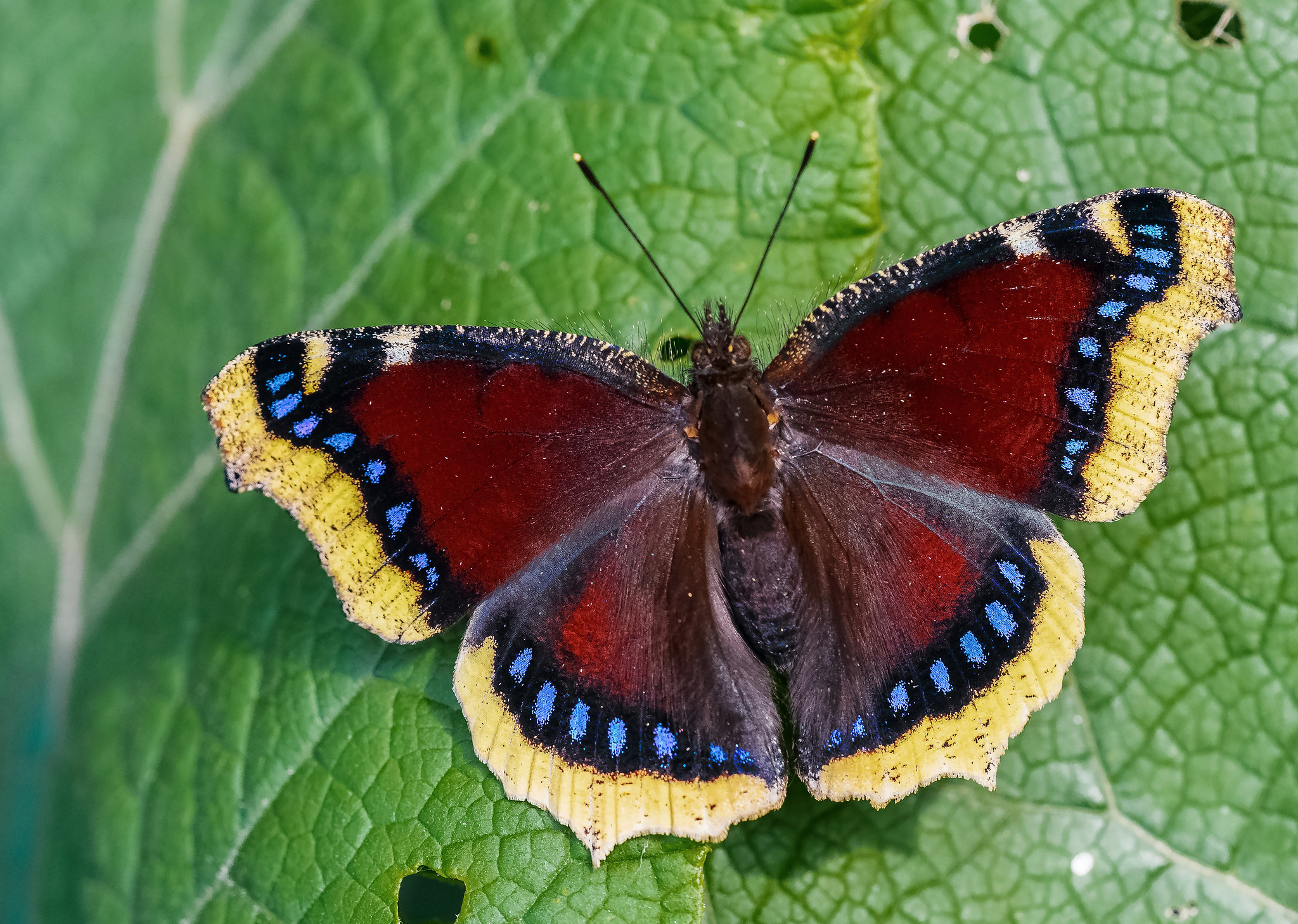
Soaring on tireless wings across continents, the mourning cloak, scientifically known as Nymphalis antiopa, is one of the longest-lived butterflies and a harbinger of spring in many temperate regions. With its distinctive velvety dark wings edged in yellow, and its remarkable ability to overwinter as an adult, this resilient and adaptable species is a truly global phenomenon, captivating observers wherever it lands.
A Mosaic of Dark Hues, Yellow, and Blue: Appearance and Subtle Variations
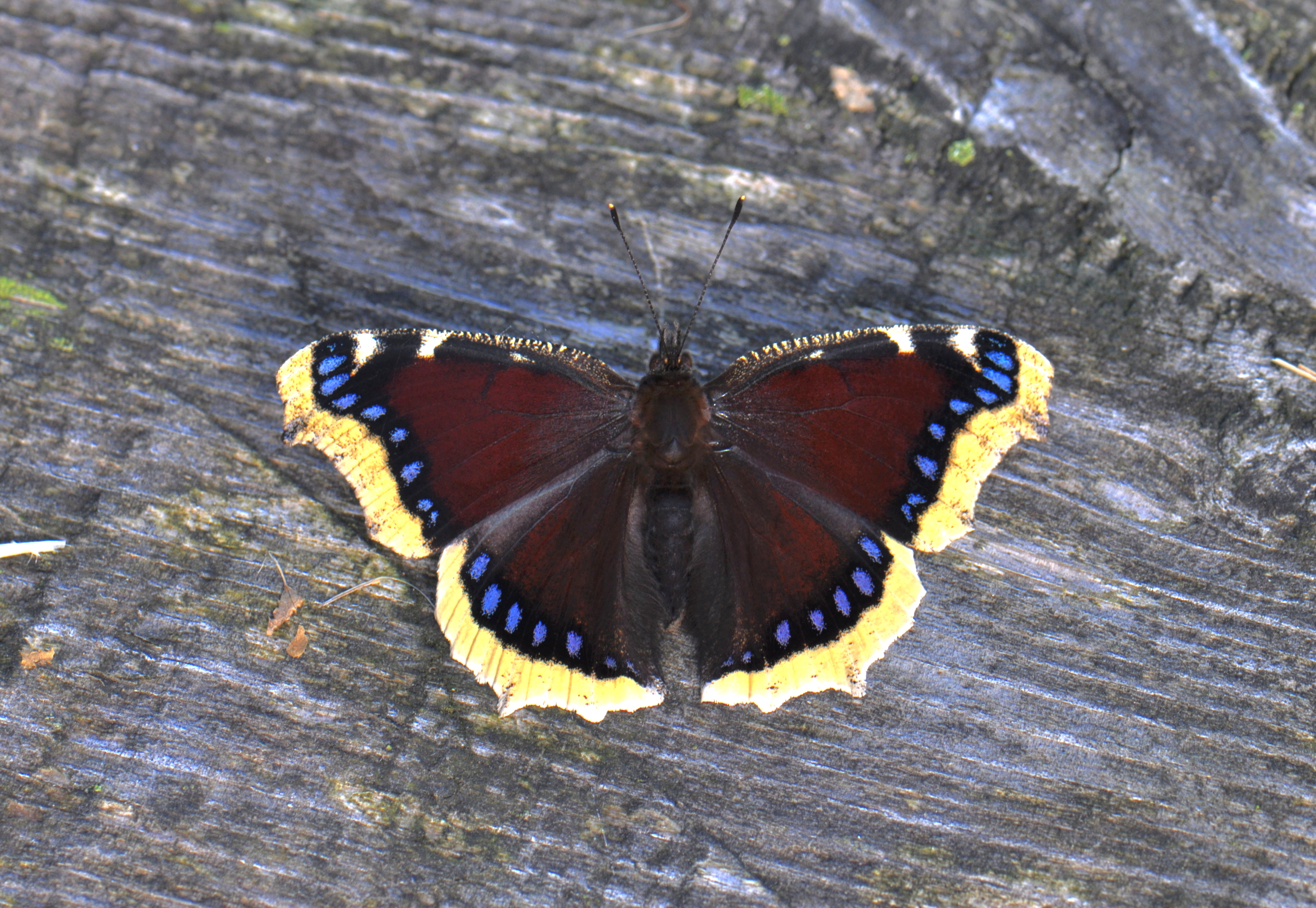
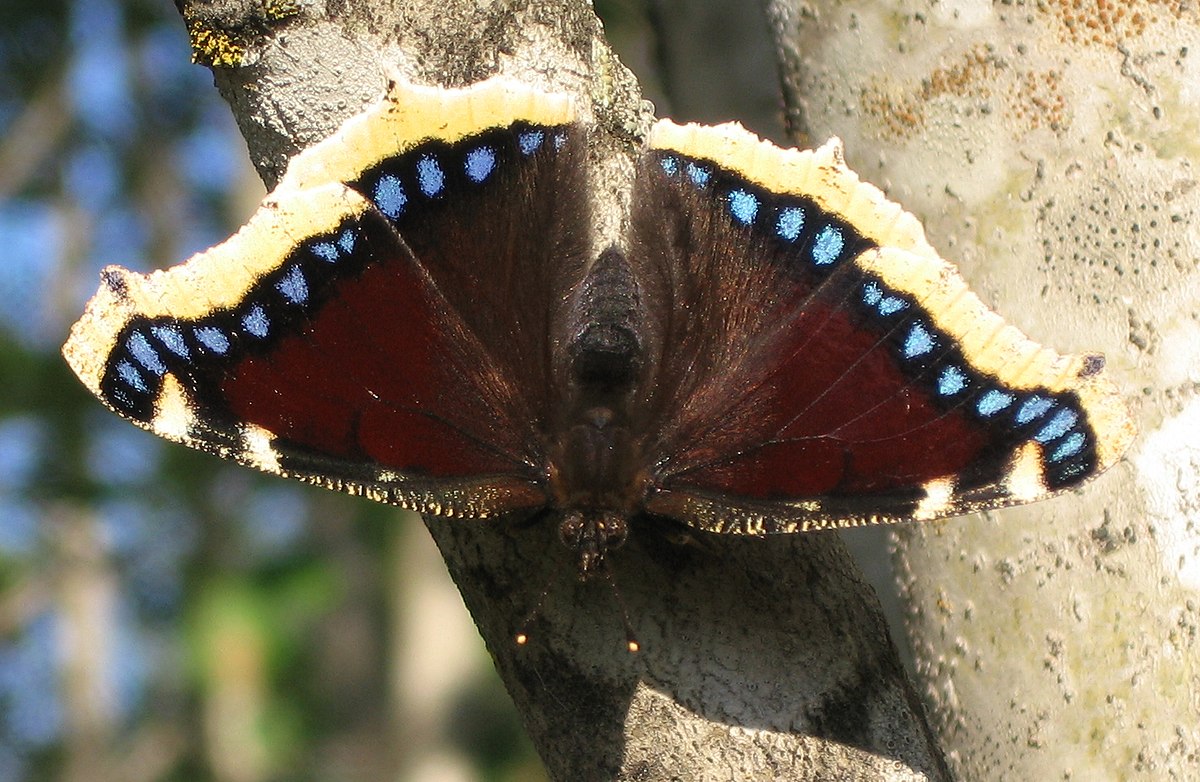
The mourning cloak is a large butterfly, typically boasting a wingspan ranging from 2.5 to 4 inches (6.4 to 10 cm). Its dorsal (upper) wing surface features a rich, velvety dark maroon or purplish-brown background. The most striking feature is a broad, irregular pale yellow or cream border along the outer margin of all four wings. Just inside this yellow border, there is a row of iridescent blue spots. The forewings display two slightly darker, indistinct spots near the leading edge, while the hindwings are mostly dark with the same yellow border and blue spots.
The ventral (underside) of the wings is a beautiful, intricate mosaic of mottled blacks, grays, and browns, providing excellent camouflage against tree bark or dead leaves when the butterfly rests with its wings closed. This cryptic underside helps it blend seamlessly with its overwintering environment. There is little sexual dimorphism, with males and females appearing very similar.

Distribution and Habitat: A Widespread and Adaptable Species
Nymphalis antiopa is a widespread butterfly found across the Northern Hemisphere. It is particularly abundant in temperate regions of North America, Europe, and Asia. Its extraordinary distribution is a testament to its adaptability to an incredibly diverse range of habitats. These include forests, woodlands, parks, gardens, riverbanks, and open areas with trees. It is often one of the first butterflies to be seen in the spring, even when snow is still on the ground.
Life Cycle: A Unique Overwintering Strategy
The life cycle of Nymphalis antiopa is unique among many butterflies due to its ability to overwinter as an adult.
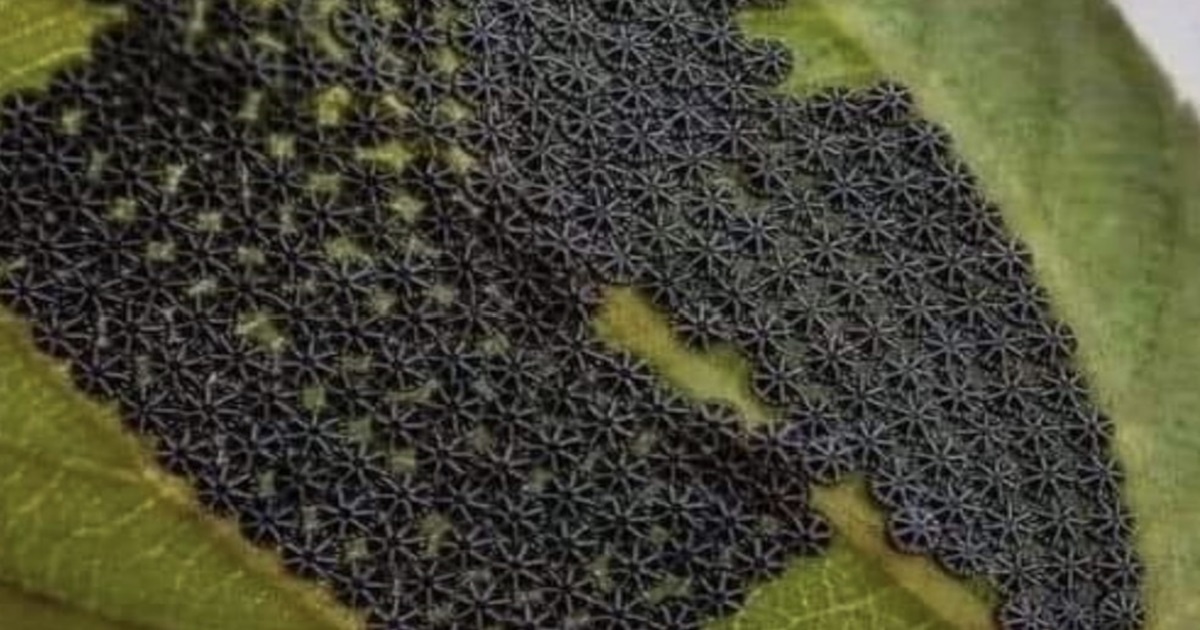
- Egg: Females lay small, pale green, ribbed eggs in clusters or rings around the twigs of its host plants.
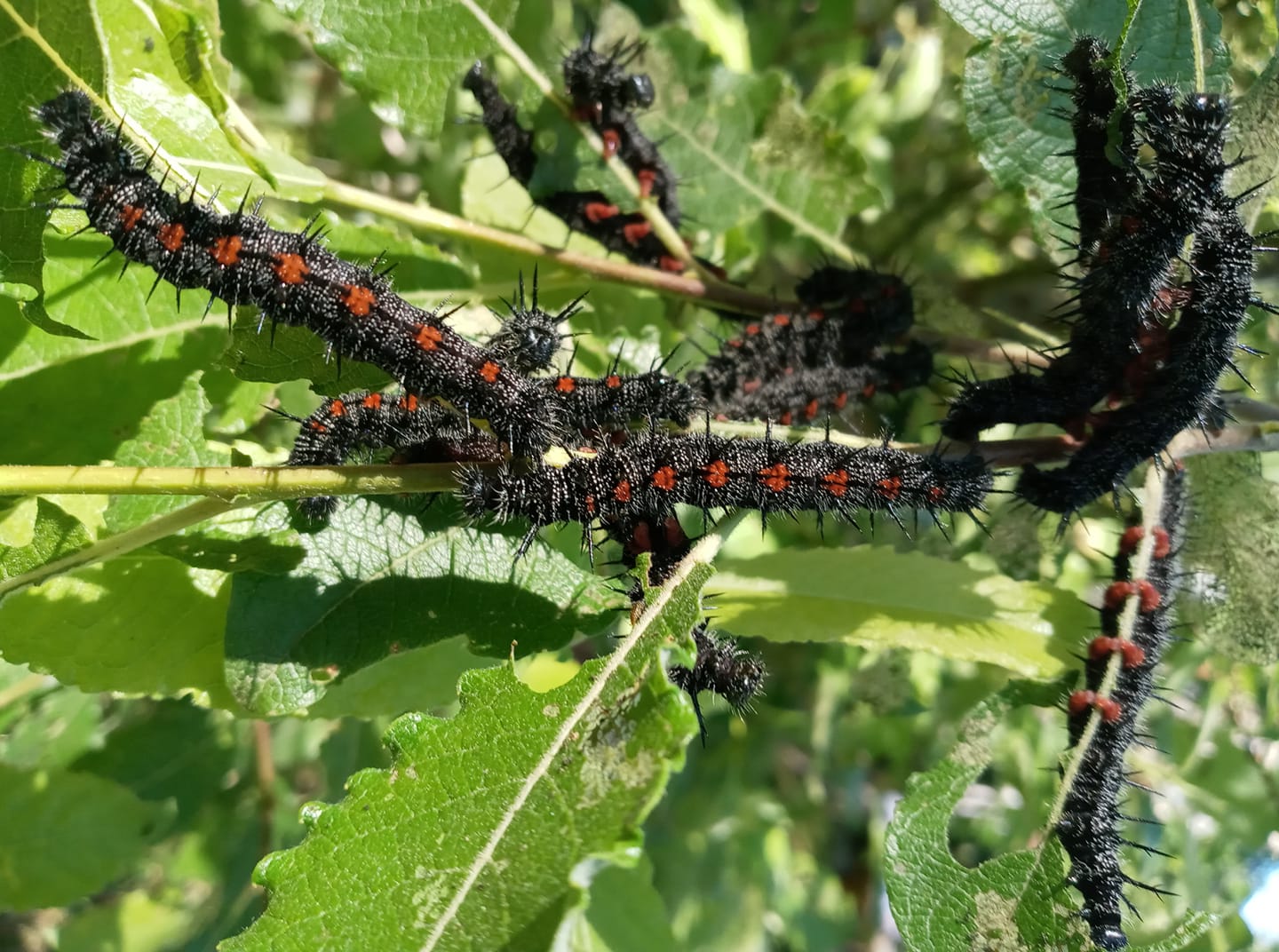
- Larva (Caterpillar): The caterpillars are typically black with numerous branched spines covering their bodies. They have a row of red spots along their backs and often have smaller white spots. They are gregarious feeders, often found in large groups, sometimes defoliating entire branches of their host trees. They create silk mats on the leaves where they feed and rest.

- Pupa (Chrysalis): Once fully grown, the larva forms a chrysalis that is usually brown or grayish, often with a rough texture, mimicking a piece of bark or a dead leaf. It is suspended head down from a silken pad on a twig or branch.

- Adult: The adult butterfly emerges from the chrysalis. Unlike many butterflies that die after a single breeding season, Nymphalis antiopa adults often emerge in late summer and autumn, feed, and then find sheltered spots (like tree crevices, under loose bark, or in woodpiles) to overwinter. They can withstand freezing temperatures and emerge in early spring to mate and lay eggs, making them one of the longest-lived butterflies, often surviving for 10-11 months.
Host Plants and Nectar Sources: A Diet of Trees and Sap
The caterpillars of the mourning cloak are primarily tree feeders, showing a preference for deciduous trees. This specialized diet is a key factor in their success in wooded habitats. Common larval host plants include:
- Willows (Salix species)
- Elms (Ulmus species)
- Poplars (Populus species)
- Birches (Betula species)
- Hackberry (Celtis occidentalis)
Adult butterflies are highly opportunistic feeders. Unlike many butterflies that primarily nectar from flowers, mourning cloaks often prefer to sip tree sap, especially from oak or maple trees, as well as rotting fruit. They will also visit mud puddles for minerals and occasionally nectar from early spring flowers like dandelions, though this is less common.

Behavior and Ecology: Early Fliers and Distinctive Displays
The mourning cloak is renowned for its powerful, direct flight. They are often seen flying low to the ground in wooded areas. Their ability to overwinter as adults means they are among the first butterflies to emerge in early spring, often before other insects are active.
Males are generally territorial, perching on trees or high points to await passing females. When resting, they often bask with their wings spread in sunny spots, though they can also close their wings to blend in with their environment. Their dark coloration helps them absorb solar radiation, allowing them to be active in cooler temperatures.
Conservation Status and Threats: A Resilient Woodland Dweller
Nymphalis antiopa is globally considered a common and widespread species and is not facing significant conservation threats. Its extraordinary adaptability to diverse woodland habitats, its unique overwintering strategy, and its robust life cycle contribute to its immense resilience. While population numbers in specific regions can fluctuate, the species as a whole remains exceptionally robust.
A Witness to Seasons: The Enduring Charm of the Mourning Cloak
The mourning cloak, with its striking patterns and unparalleled longevity, stands as a testament to the power of adaptation and survival in the insect world. Its early emergence in spring offers a hopeful sign of warmer days to come. Encountering this beautiful woodland wanderer, whether among the bare branches of early spring or the lush foliage of summer, is a profound reminder of the interconnectedness of life and the boundless spirit of resilience that defines the natural world.
To read the rest of my Lepidoptera Life Cycles series, click HERE.
Discover more from
Subscribe to get the latest posts sent to your email.
 davethebugguy.org