
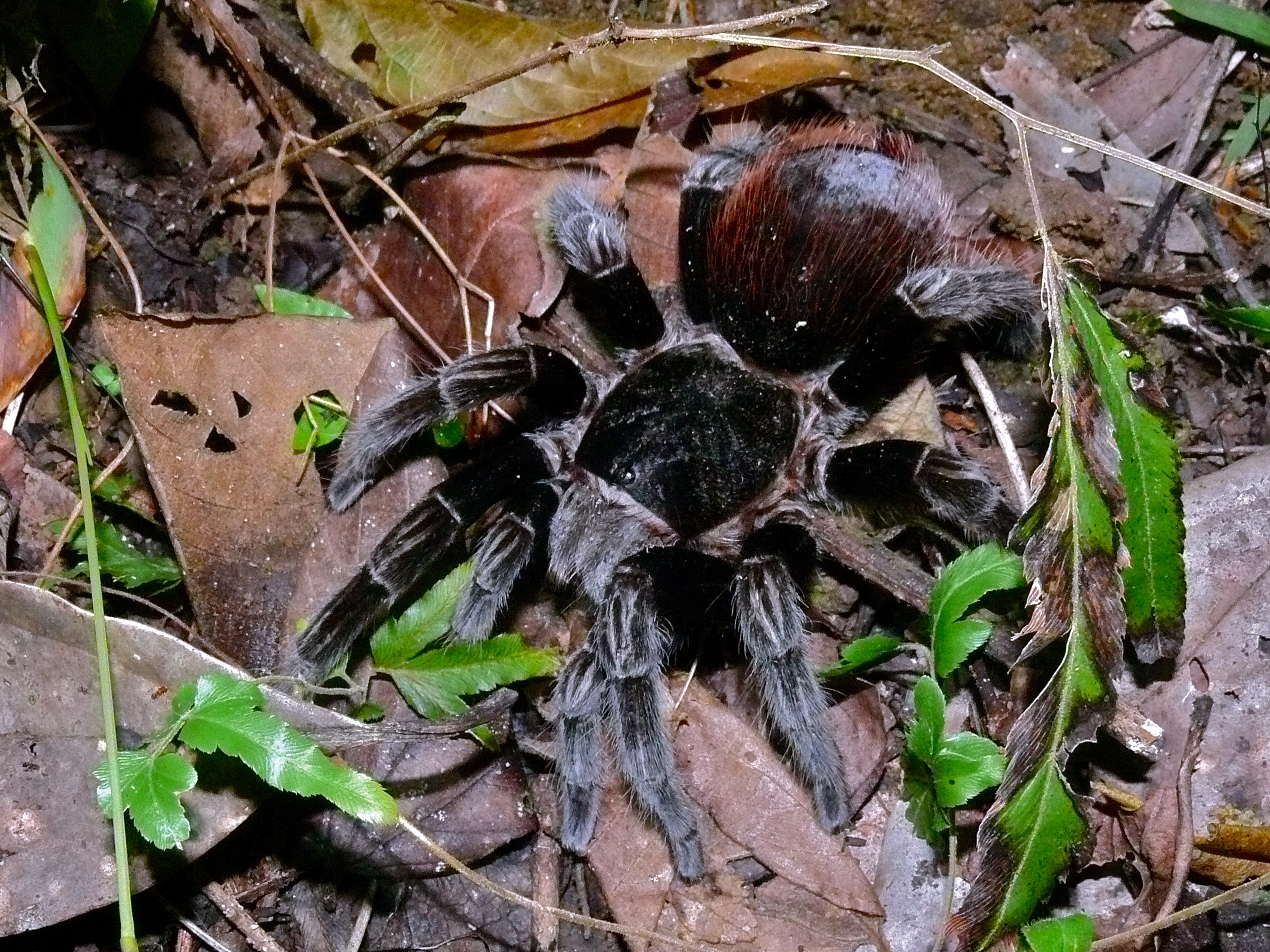
From the hot, arid to semi-arid regions spanning from Mexico south through Central America to Belize, Guatemala, El Salvador, and even into parts of southern Florida (likely introduced), comes Tliltocatl vagans, universally known as the Mexican Red Rump Tarantula. Revered for its striking velvety black coloration accented by brilliant red abdominal hairs, and its generally docile yet defensive nature, this terrestrial species is a charismatic burrower and a staple in the tarantula hobby.
A Fiery Contrast: Appearance and Distinctive Hues:
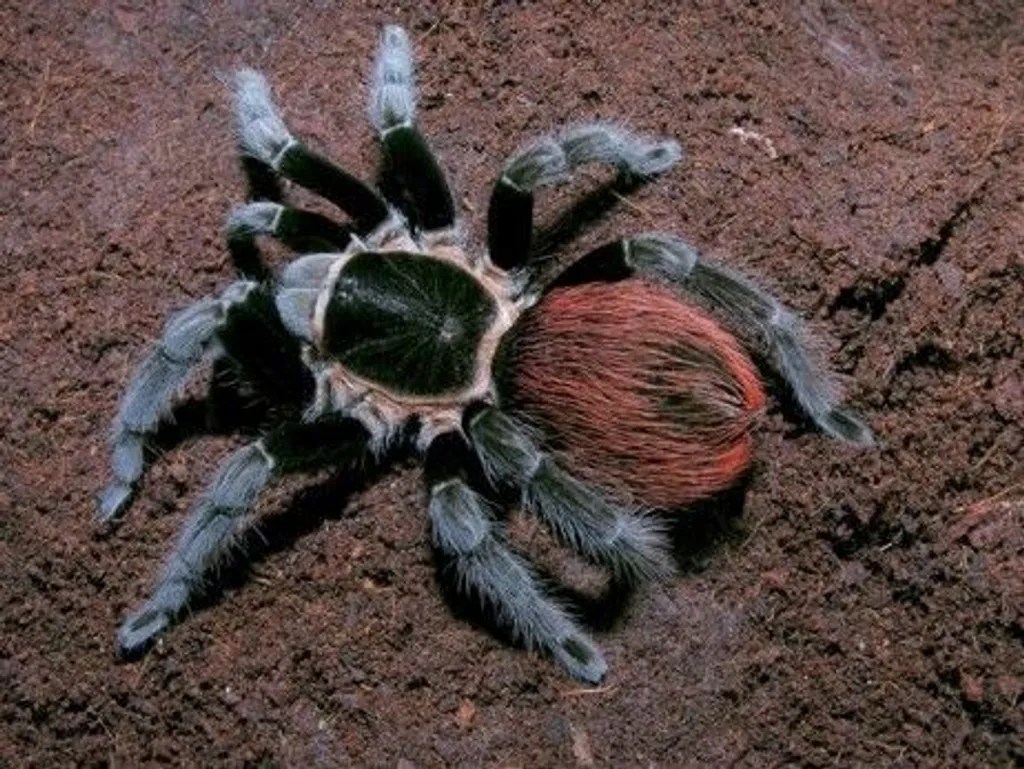
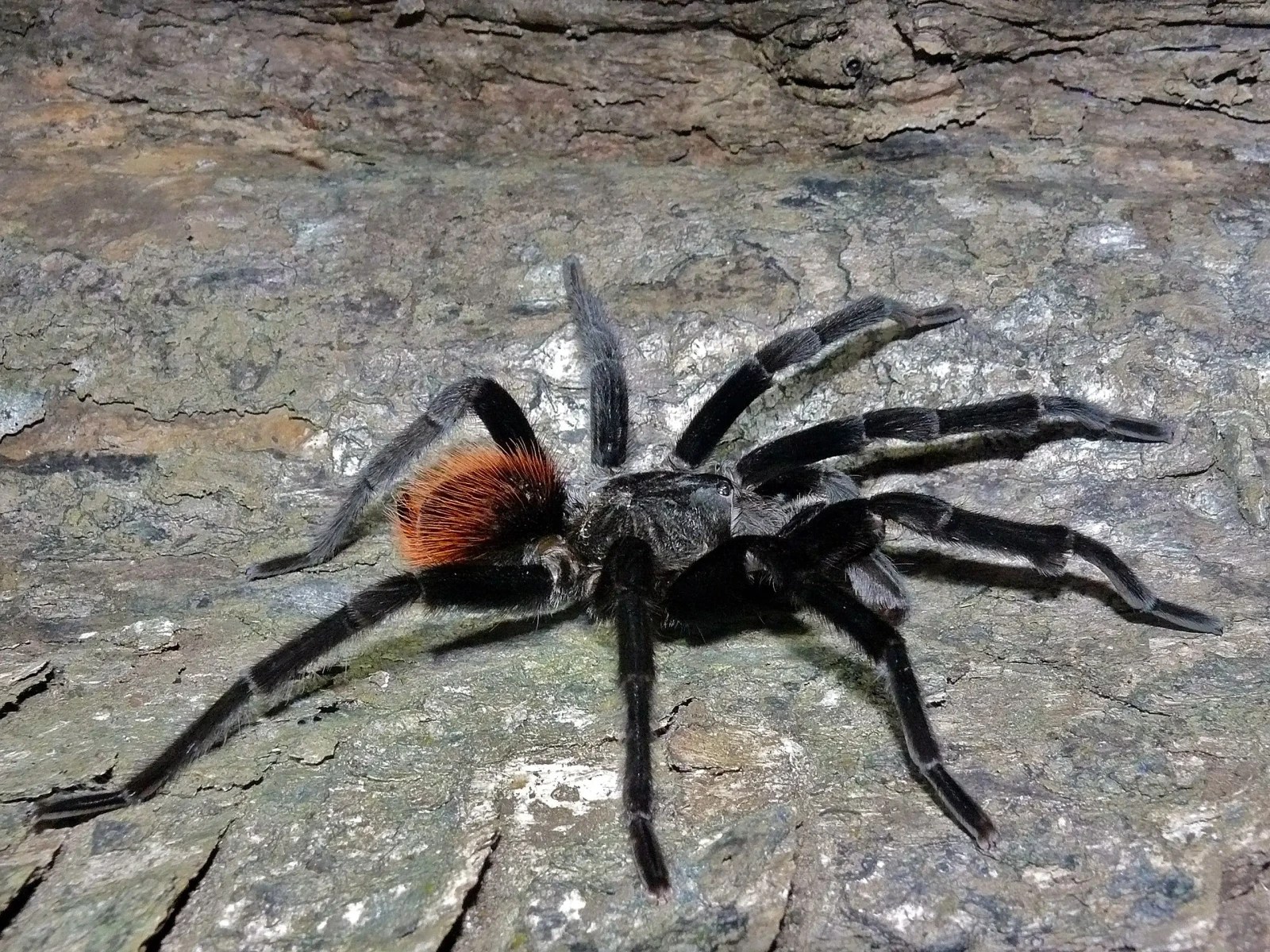
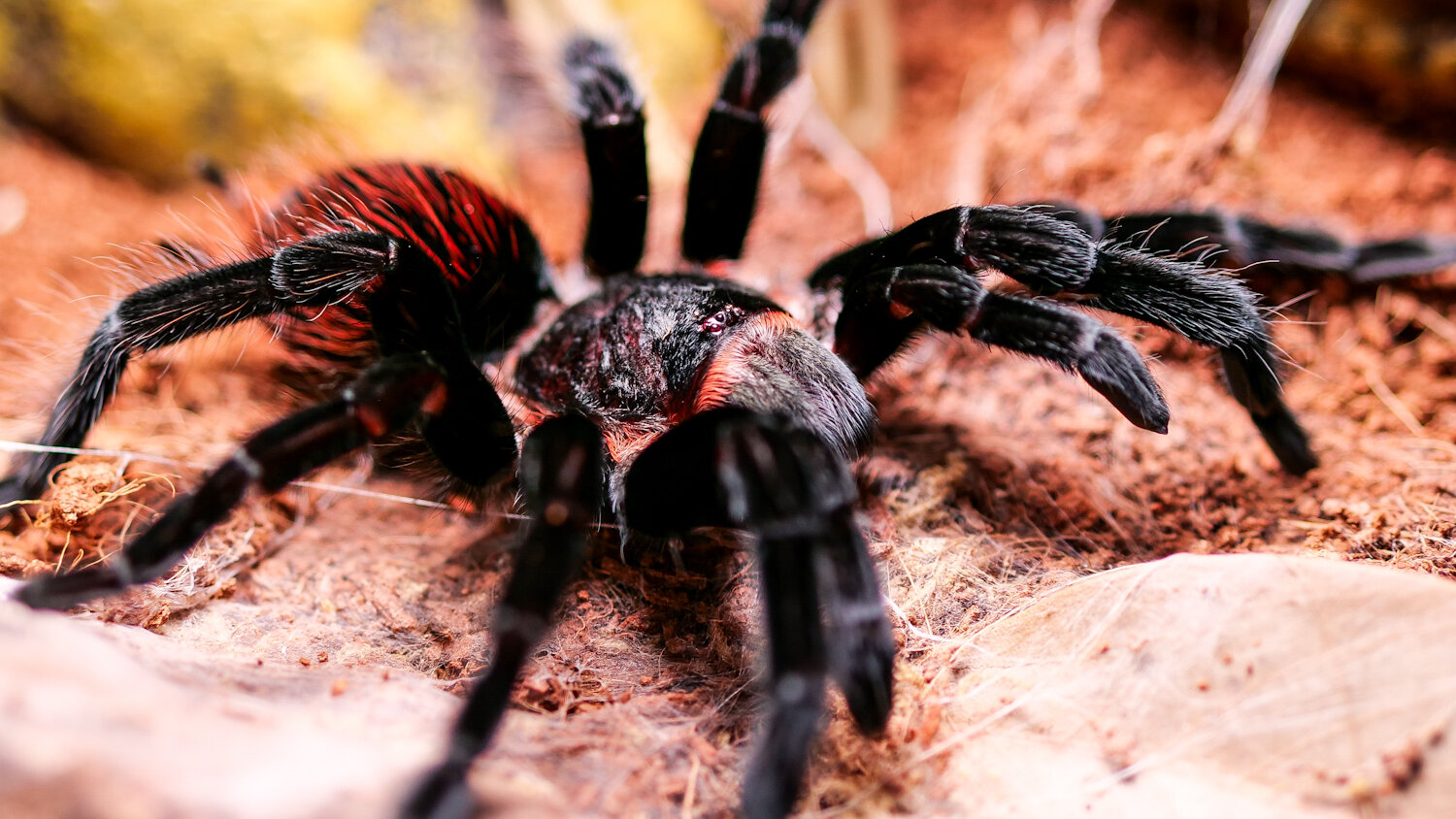
Tliltocatl vagans is a medium to large-sized tarantula, with adult females typically reaching a leg span of 5 to 6.5 inches (12.7 to 16.5 cm). Its most captivating feature is the stark and beautiful contrast between its overall body color and the vibrant hairs on its abdomen. The entire carapace (the hard upper shell of the cephalothorax) and legs are a deep, velvety, almost iridescent black. This dark canvas is brilliantly offset by the dense covering of bright red or reddish-orange hairs on its opisthosoma (abdomen), giving it the “red rump” moniker.
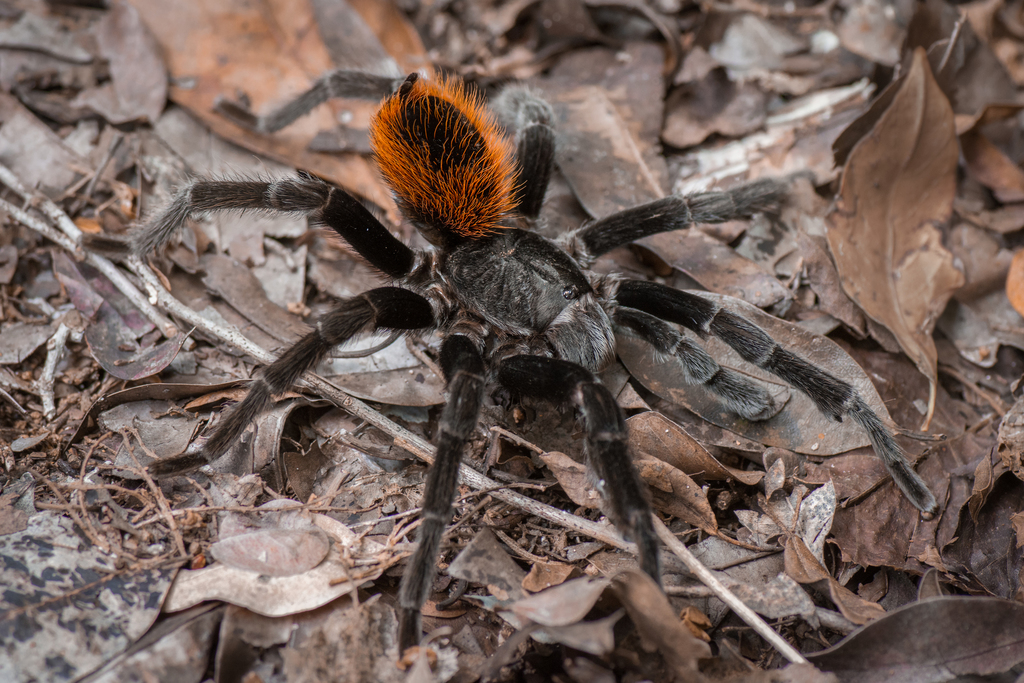
Males are generally more slender and lankier than females, but retain the same stunning black body and red abdominal hairs. This combination of deep black and fiery red makes T. vagans a highly attractive and recognizable species, providing a beautiful display for enthusiasts.
Distribution and Habitat: Widespread Across Central America:
Tliltocatl vagans has a broad natural distribution across Central America, primarily found in Mexico (especially the Yucatán Peninsula and Veracruz), Belize, Guatemala, and El Salvador. There are also established populations in southern Florida, likely due to introduced specimens. Its natural habitat includes dry and semi-arid forests, scrublands, grasslands, and agricultural areas. These tarantulas are primarily terrestrial, constructing deep, intricate, silk-lined burrows in the soil. These burrows provide essential shelter from predators, stable microclimates against temperature and humidity fluctuations, and serve as ambush points for prey. Its presence is often indicative of relatively undisturbed yet adaptable dryland ecosystems.
Lifestyle and Behavior: Docile Diggers with Potent Hairs:
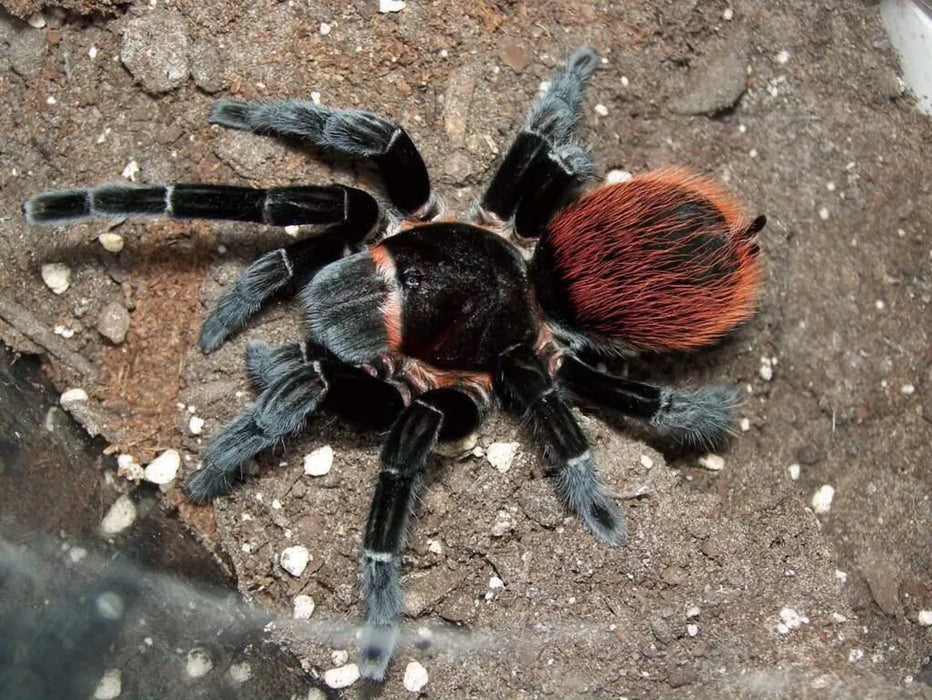
The Mexican Red Rump Tarantula is generally considered a docile and calm species, particularly as adults. They are typically slow-moving and less prone to aggression than some other tarantulas, making them a popular choice for beginner to intermediate keepers. They spend a significant amount of time within their burrows, especially during the day, emerging primarily at night to hunt.
As a New World species, their primary defense mechanism when disturbed is to flick urticating hairs from their abdomen. These bright red hairs are highly irritating and can cause a rash, itching, and discomfort if they contact skin or mucous membranes (eyes, nose, mouth). They are quite prone to kicking these hairs when feeling threatened. While generally reluctant to bite, they can display a defensive posture (rearing up with front legs raised) if severely provoked. Bites are rare, and their venom is considered mild, typically causing only localized discomfort comparable to a bee sting for healthy humans. They are also known for being prolific webbers around the entrance of their burrows.
Life Cycle: Steady Growth and Impressive Female Longevity:
The life cycle of Tliltocatl vagans is characterized by a moderate growth rate and notable female longevity, typical of many Tliltocatl and Aphonopelma species.
- Egg & Spiderlings: Females produce an egg sac (containing several hundred to over a thousand eggs), which they diligently guard within the safety of their deep burrow. After a period of incubation, numerous small spiderlings emerge, already displaying miniature versions of the adult coloration.
- Juvenile Growth: Spiderlings and juveniles exhibit a moderate growth rate, reaching sexual maturity in about 3-5 years. They undergo successive molts (shedding their exoskeleton) as they gradually increase in size and solidify their distinct black and red patterns.
- Adult: Females are remarkably long-lived, with captive lifespans often ranging from 15 to 25 years, making them a very long-term commitment for keepers. Males, once they reach sexual maturity (typically 3-5 years), have a significantly shorter adult lifespan, usually only 1-2 years after their ultimate molt, during which their sole purpose is to find a mate. Mature males will embark on persistent wandering expeditions in search of receptive females.
Ecological Role:
In their native Central American ecosystems, Tliltocatl vagans plays a vital role as a terrestrial invertebrate predator. They help regulate populations of various ground-dwelling insects, arachnids, and small vertebrates, contributing to the natural balance of their dry forest and grassland environments. Their extensive burrowing activities also contribute to soil aeration and influence the microhabitat conditions beneath the surface.
Conservation Status and Threats: Unlisted but Habitat Vulnerable:
Tliltocatl vagans is not currently listed as endangered or threatened on major international conservation lists. While it is a common species in its range and highly adaptable to certain disturbed areas (like plantations or open fields), it still faces pressures common to many terrestrial tarantulas:
- Habitat Loss and Fragmentation: Due to agricultural expansion (e.g., coffee, sugar cane), urbanization, and infrastructure development in Central America.
- Pesticide Use: Widespread use of insecticides in agricultural areas directly impacts tarantula populations and their prey base.
- Illegal Collection: Despite being widely bred in captivity, demand for wild-caught specimens can lead to unregulated collection, potentially impacting local wild populations, especially given their popularity.
Protecting the remaining dry forest and scrubland habitats of Central America is crucial for the long-term survival of this charismatic tarantula.
A Fiery Icon of the Americas: The Enduring Allure of Tliltocatl vagans
Tliltocatl vagans, the Mexican Red Rump Tarantula, with its striking black and red coloration, generally docile yet robust nature, and remarkable female longevity, stands as a beloved icon in the tarantula world. This beautiful burrower, a formidable predator in its native Central American realms, offers a compelling glimpse into the silent, enduring lives that thrive beneath the surface, reminding us of the vibrant beauty and ecological importance found in the hidden corners of our natural world.
Discover more from
Subscribe to get the latest posts sent to your email.
 davethebugguy.org