
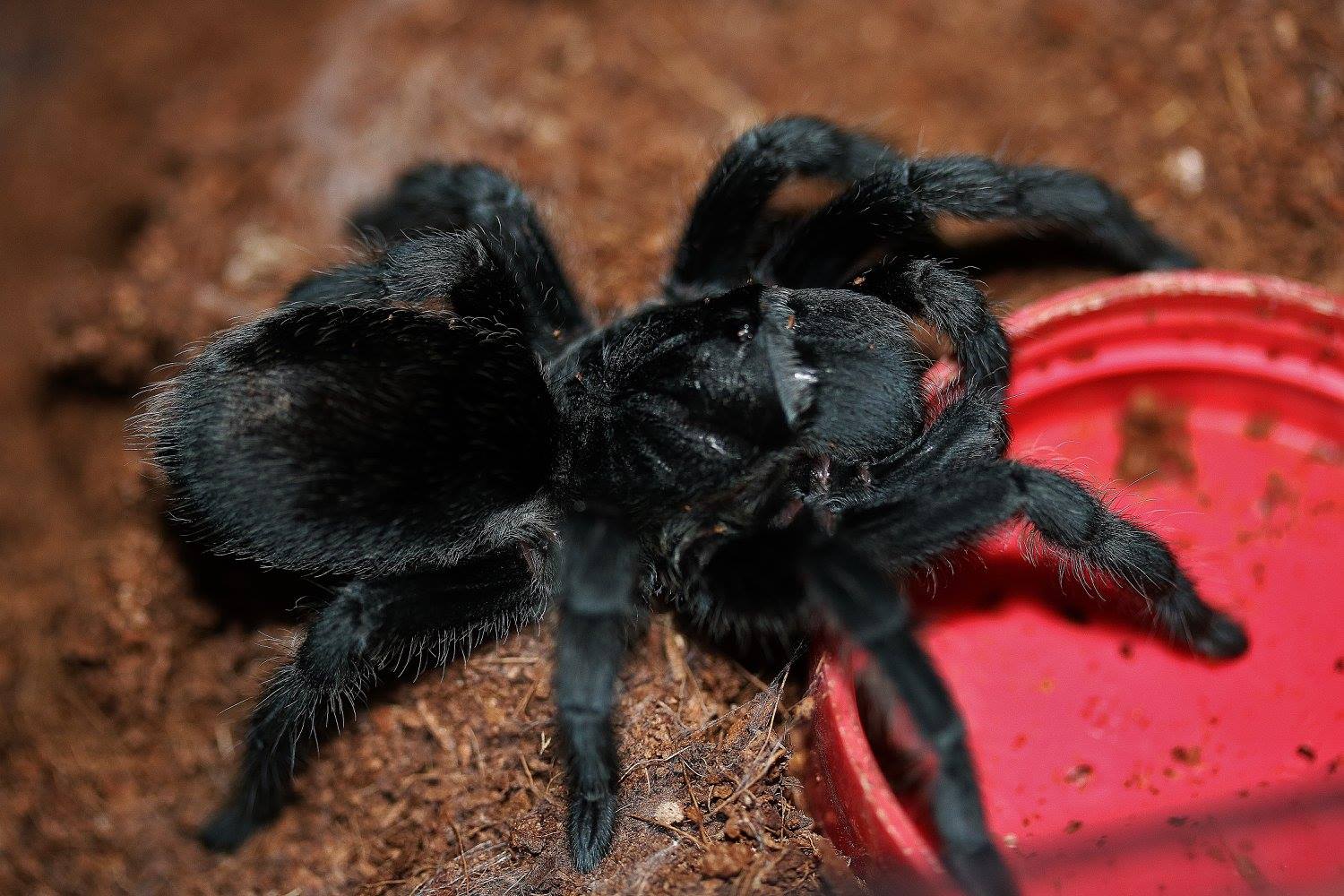
From the expansive grasslands and open woodlands of southern Brazil and parts of Uruguay emerges one of the most sought-after and beloved tarantulas in the hobby – Grammostola pulchra, universally known as the Brazilian Black Tarantula, or sometimes the Brazilian Black. Revered for its striking, velvety black coloration, robust build, and exceptionally docile temperament, this terrestrial species is a true gem, making it an ideal ambassador for tarantulas and a favorite among enthusiasts.
A Jet-Black Silhouette: Appearance and Velvety Texture:
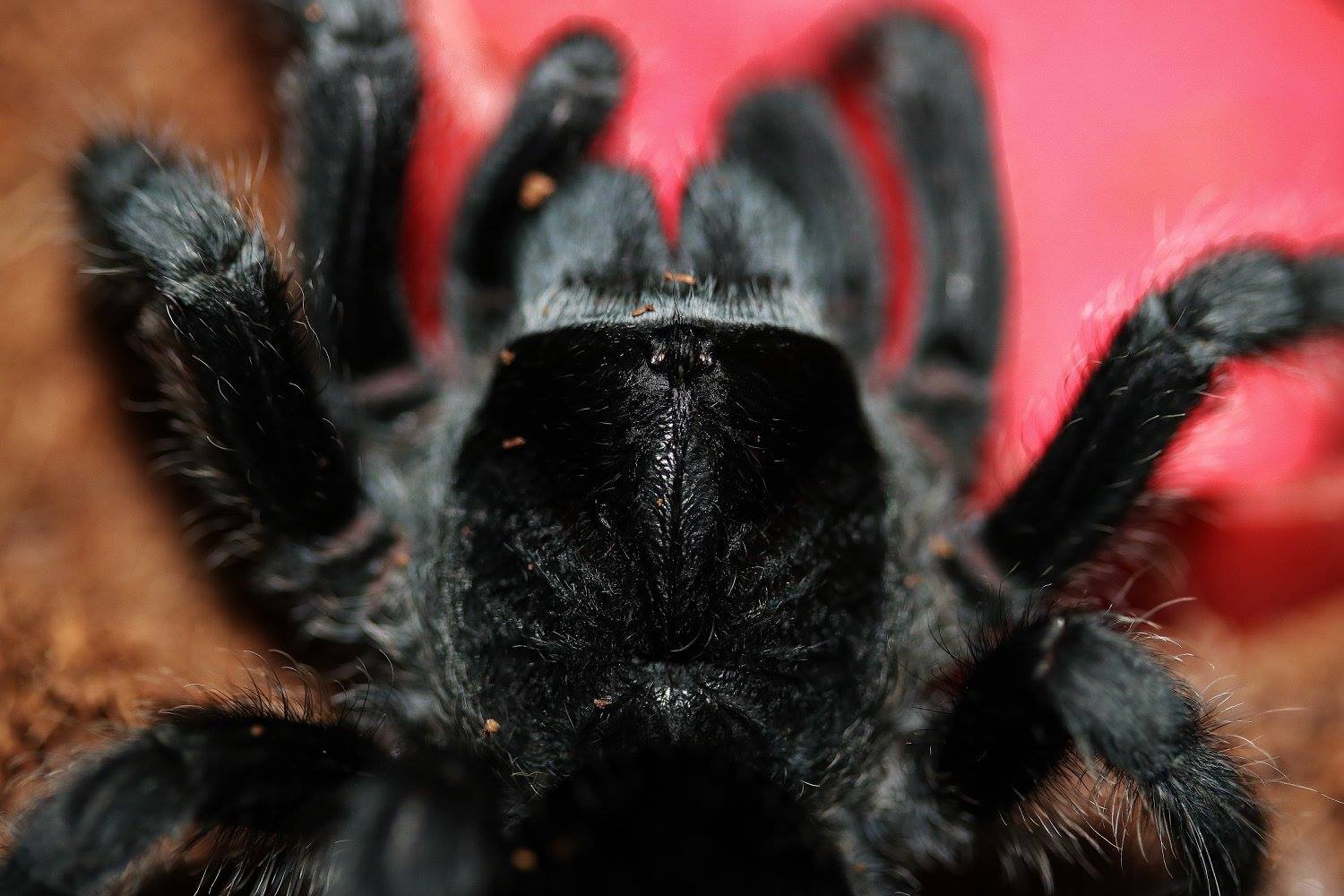
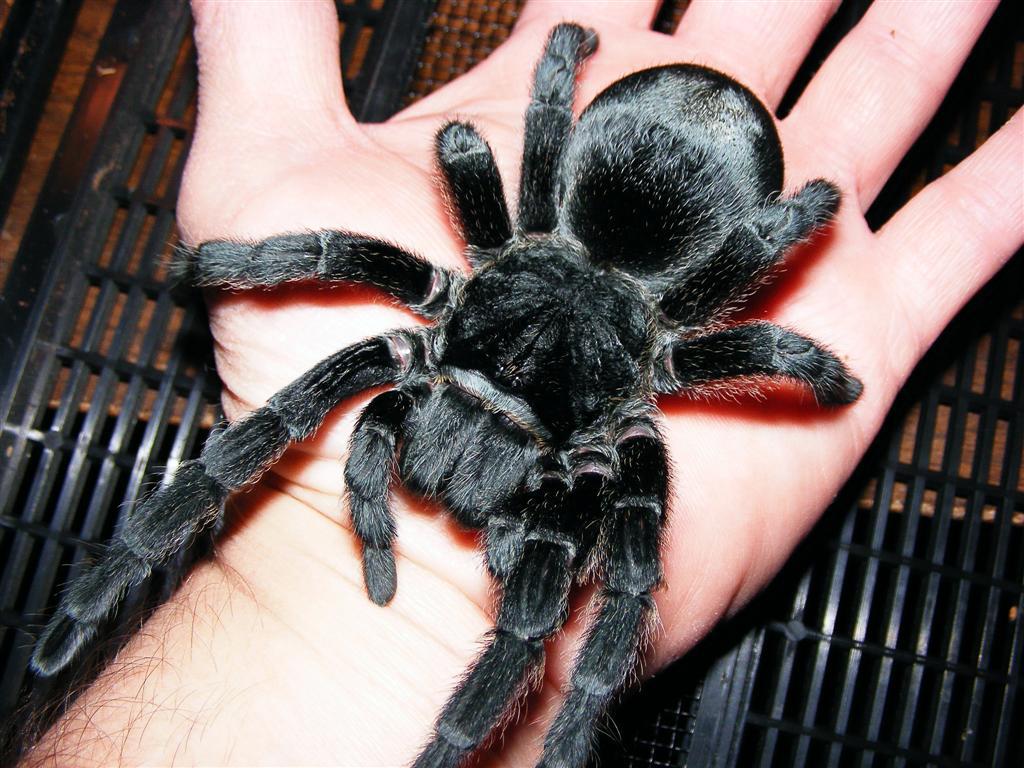
Grammostola pulchra is a medium to large-sized tarantula, with adult females typically reaching a leg span of 4 to 6 inches (10 to 18 cm). Its most captivating and defining characteristic is its uniform, deep, and often iridescent jet-black coloration. The entire body, including the carapace (the hard upper shell of the cephalothorax), legs, and opisthosoma (abdomen), is covered in short, dense, velvety black hairs, which can sometimes appear to have a subtle bluish or purplish sheen under certain lighting conditions. The overall impression is one of sleek elegance and powerful beauty.

Males are generally more slender than females but retain the same stunning black coloration. The robust build and calm demeanor of this species contribute significantly to its popularity as a display animal.
Distribution and Habitat: Southern Brazil’s Grasslands:
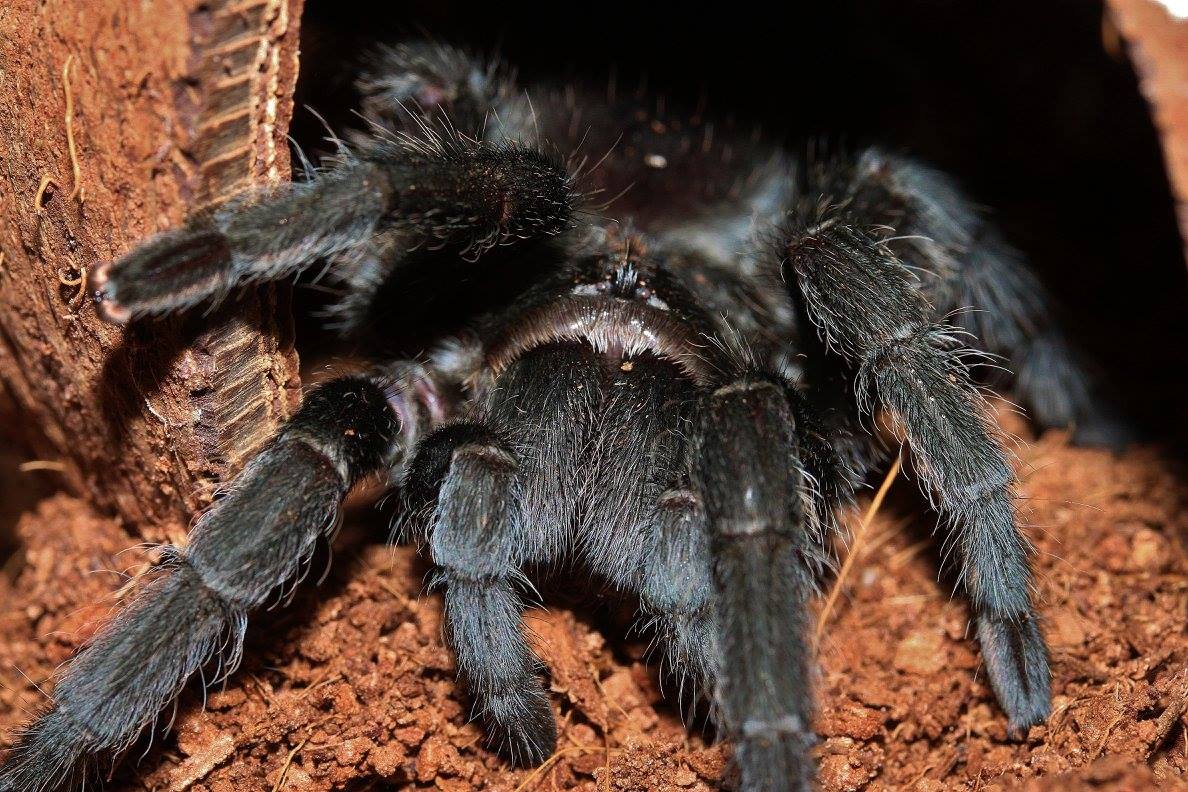
Grammostola pulchra is endemic to the southern regions of Brazil, particularly the states of Rio Grande do Sul, Santa Catarina, and Paraná. Its range also extends into neighboring Uruguay. Its natural habitat includes grasslands, dry forests, and open woodlands (often called “campos” or “pampas”), where it lives terrestrially. These tarantulas are obligate burrowers, constructing deep, intricate, silk-lined retreats within the soil. These burrows provide essential shelter from predators, offer stable microclimates against temperature fluctuations (especially during the cold, often wet winters), and serve as ambush points for prey. Its presence is indicative of relatively undisturbed grassland and open forest ecosystems in its native range.
Lifestyle and Behavior: Docile Diggers and Patient Ambushers:
The Brazilian Black Tarantula is perhaps most famous for its exceptionally docile and calm temperament, making it arguably one of the most recommended species for beginner tarantula keepers. They are typically slow-moving and reluctant to show aggression. While they possess urticating hairs on their abdomen, they rarely flick them unless severely provoked. Their primary defense mechanism, if disturbed, is to slowly retreat into their burrow. Bites are extremely rare and their venom is considered very mild, often causing only localized discomfort comparable to a bee sting for healthy humans.
They are formidable predators, relying on ambush tactics. They will typically wait at the entrance of their burrow, or just outside, for unsuspecting prey to pass by. They have a relatively slow metabolism, and while they can eat large meals, they do not require frequent feeding. They are primarily nocturnal, spending most of their days hidden within their burrows, emerging at night to hunt or seek mates.
Life Cycle: Very Slow Growth and Extraordinary Female Longevity:
The life cycle of Grammostola pulchra is characterized by its remarkably slow growth rate and extraordinary longevity for females, even among long-lived tarantulas.
- Egg & Spiderlings: Females produce an egg sac (containing around 300-600 eggs, sometimes more), which they diligently guard within their deep burrow. After a period of incubation (typically 2-3 months), numerous small, already black spiderlings emerge.
- Juvenile Growth: Spiderlings and juveniles exhibit one of the slowest growth rates in the hobby, taking many years (often 5-10 years) to reach sexual maturity. They undergo successive molts (shedding their exoskeleton) as they gradually increase in size, maintaining their deep black coloration throughout.
- Adult: Females are incredibly long-lived, with captive lifespans regularly reaching 20 to 30 years, and often exceeding 30 years, with some reports approaching 40 years. This makes them one of the longest-lived pet tarantulas. Males, once they reach sexual maturity (typically 5-10 years), have a significantly shorter adult lifespan, usually only 1-2 years after their ultimate molt, during which their sole purpose is to find a mate. Mature males will embark on persistent wandering expeditions in search of receptive females.
Ecological Role:
In their native South American grasslands and open woodlands, Grammostola pulchra plays a vital role as a terrestrial invertebrate predator. They help regulate populations of various ground-dwelling insects, arachnids, and small vertebrates, contributing to the natural balance of their ecosystems. Their extensive burrowing activities also contribute to soil aeration and influence the microhabitat conditions beneath the surface.
Conservation Status and Threats: Unlisted but Localized Pressures:
Grammostola pulchra is not currently listed as endangered or threatened on major international conservation lists. While wild populations are generally considered stable, this species faces localized pressures that could impact its future:
- Habitat Loss and Degradation: The Pampas region, like many grasslands, is under increasing pressure from agricultural expansion (e.g., soy cultivation, cattle ranching), urbanization, and infrastructure development, leading to habitat fragmentation and destruction.
- Illegal Collection: Due to its immense popularity in the pet trade, unregulated or illegal wild collection can pose a significant threat to local wild populations, particularly for a species with such slow growth and long female lifespans.
- Pesticide Use: Widespread use of insecticides in agricultural areas can directly impact tarantula populations and their prey base.
Supporting legal, captive-bred specimens is crucial for protecting wild populations of this magnificent tarantula.
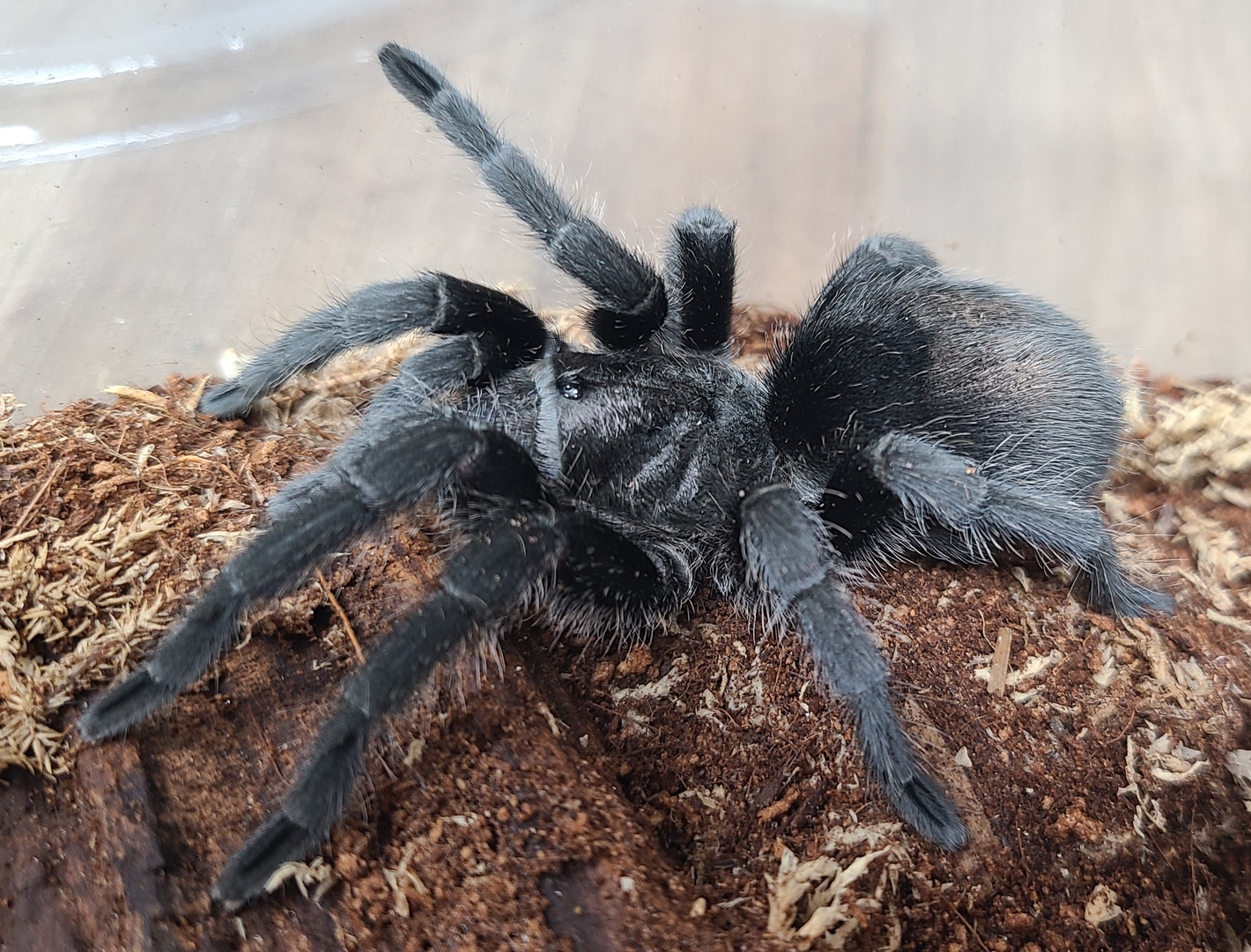
A Velvet Shadow of the Pampas: The Enduring Allure of Grammostola pulchra
Grammostola pulchra, the Brazilian Black Tarantula, with its profound black beauty, remarkably docile temperament, and extraordinary longevity, stands as a premier ambassador for the tarantula world. This quiet yet imposing arachnid, a formidable predator in its native South American grasslands, offers a compelling glimpse into the silent, enduring lives that thrive beneath the surface, reminding us of the immense patience and profound beauty found in the natural world.
To see my other tarantula blogs, click HERE.
Discover more from
Subscribe to get the latest posts sent to your email.
 davethebugguy.org