
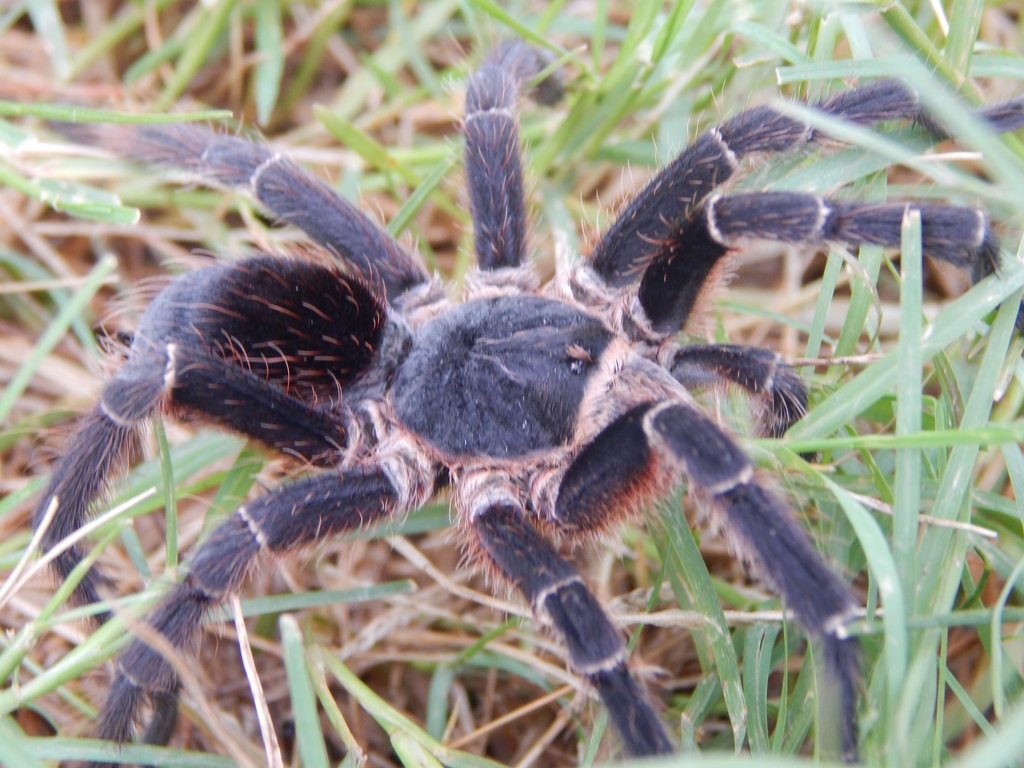
From the expansive grasslands and open areas of the Pampas plains in Argentina and Uruguay hails Eupalaestrus weijenberghi, commonly known as the White-Collared Tarantula. Revered in the arachnid hobby for its remarkably docile temperament and unique coloration, this terrestrial tarantula offers a fascinating glimpse into the life of South American mygalomorphs, often encountered by its persistent males traversing the open landscape.
A Subtle Beauty: Appearance and Distinctive Markings:
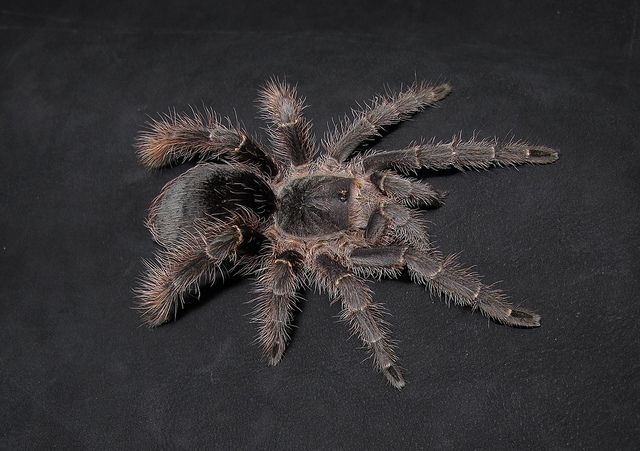
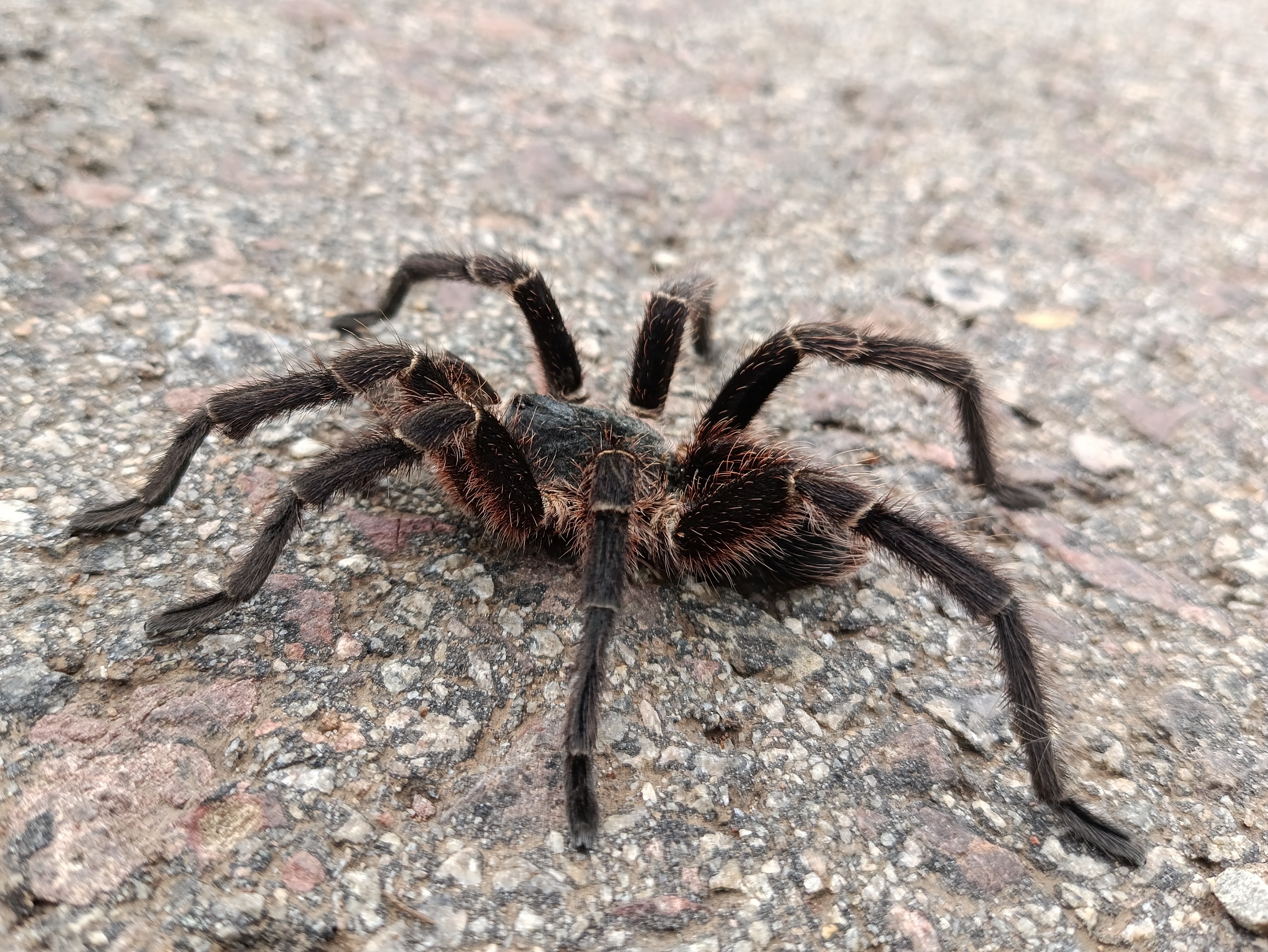
Eupalaestrus weijenberghi is a medium-sized tarantula, with adult females typically reaching a leg span of around 3.75 to 5 inches (9.5 to 12.7 cm). Its coloration is generally subdued yet elegant. The overall hue is a grayish-purple or a darker brown, often with a velvety texture. Its most distinctive feature, and the origin of its common name, is the presence of a lighter, often whitish or silvery ring around the carapace (the hard upper shell of the cephalothorax). The legs are robust and covered in fine hairs that often catch the light, giving them a soft sheen. The abdomen is typically a dark brown or black, covered with lighter, sometimes reddish, bristly hairs.
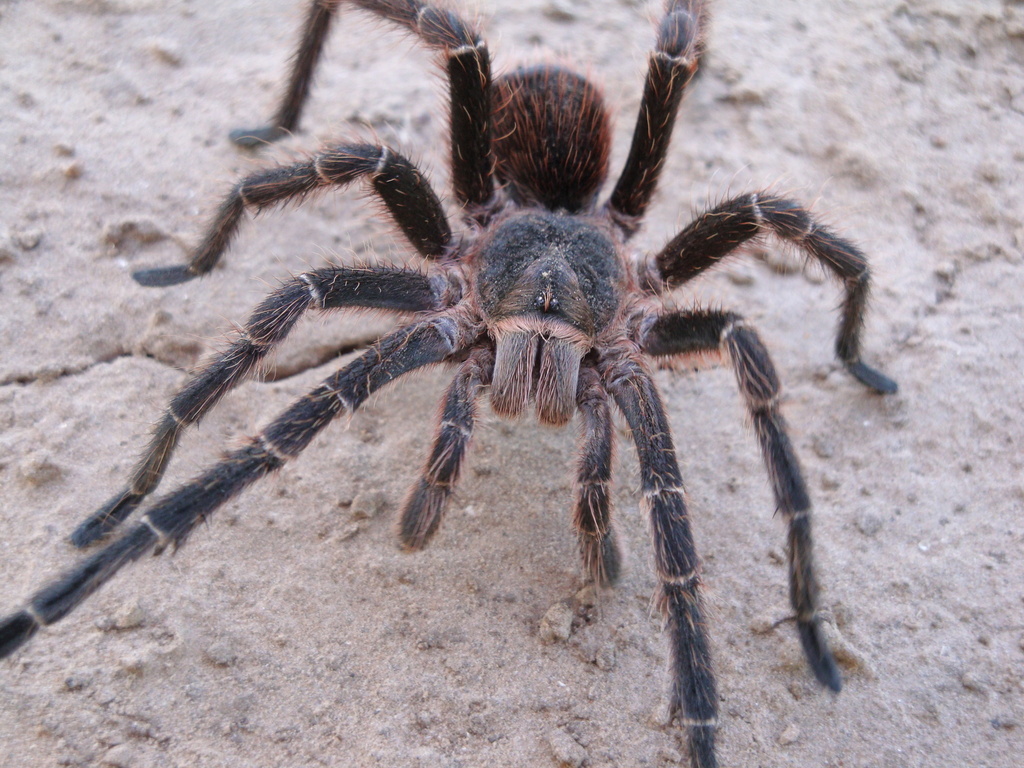
Males are generally lankier and may have a slightly different leg-to-body ratio than females, especially after their ultimate molt. The subtle beauty and often calm demeanor of this species contribute to its appeal among enthusiasts.
Distribution and Habitat: Residing in the Pampas Grasslands:
Eupalaestrus weijenberghi is native to the Pampas biogeographic province, specifically found in the grasslands and open areas of Argentina (e.g., Córdoba, Chaco, Entre Ríos provinces) and Uruguay (e.g., Soriano, Canelones). These regions are characterized by flat, unflooded grasslands, often interspersed with patches of forest, creating a transitional eco-region. These tarantulas are primarily burrowing species, constructing silk-lined retreats deep within the soil of meadows and open areas, which provide stable microclimates and protection from predators and environmental fluctuations.
Lifestyle and Behavior: Docile Diggers and Roaming Males:
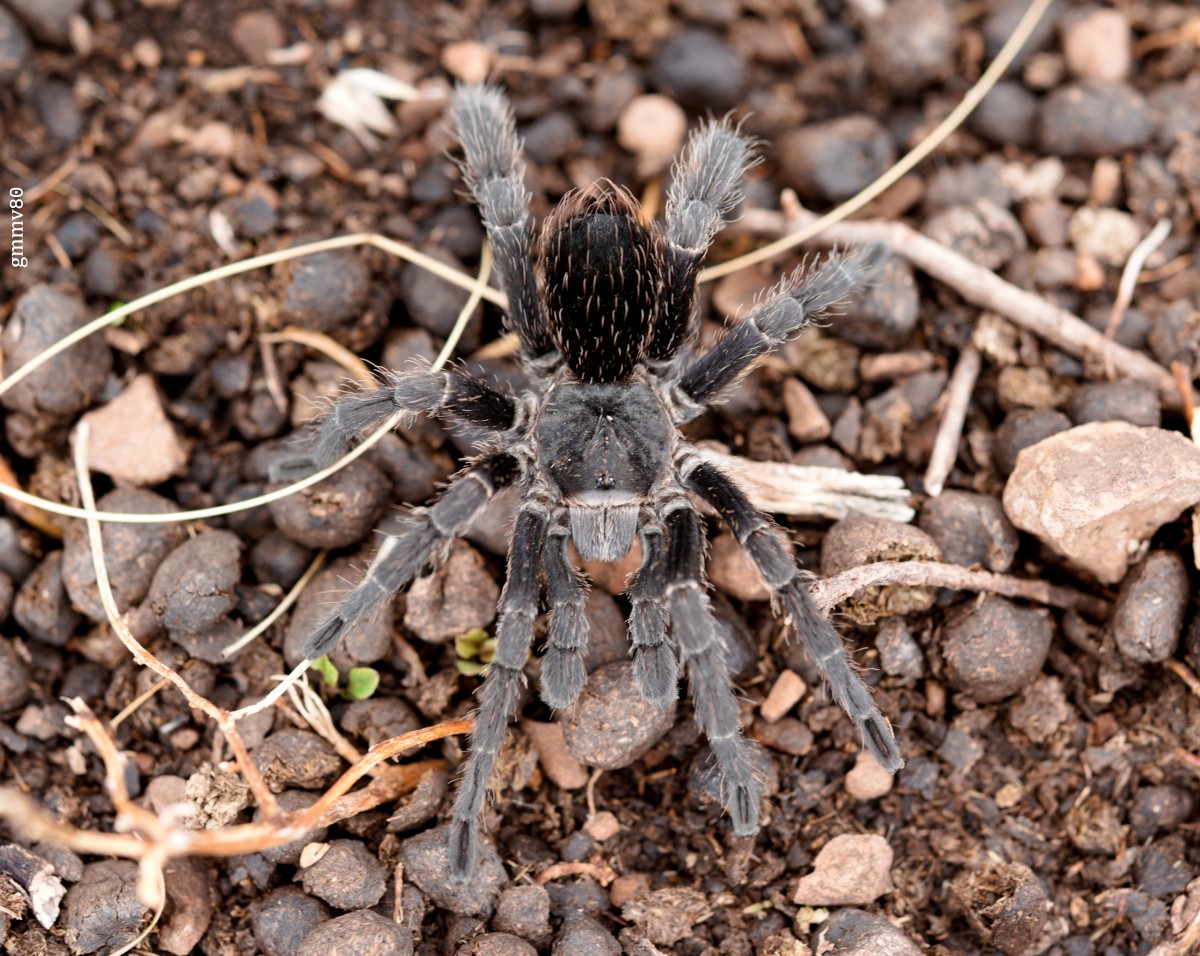
The White-Collared Tarantula is celebrated for its generally docile and calm temperament, making it one of the more handleable (though handling is generally discouraged for any tarantula) species for experienced keepers. They are primarily nocturnal, spending most of their days hidden within their burrows.
As terrestrial tarantulas, they are adept at digging, creating deep, intricate burrows. Juveniles and adult females typically remain in or very near their burrows, venturing out only for short distances to hunt or find food. Their defensive behaviors are minimal; they rarely flick urticating hairs (though they possess them) or present a threat posture unless severely provoked. If disturbed, they will most often attempt to flee into their burrow or coil into a tight ball.
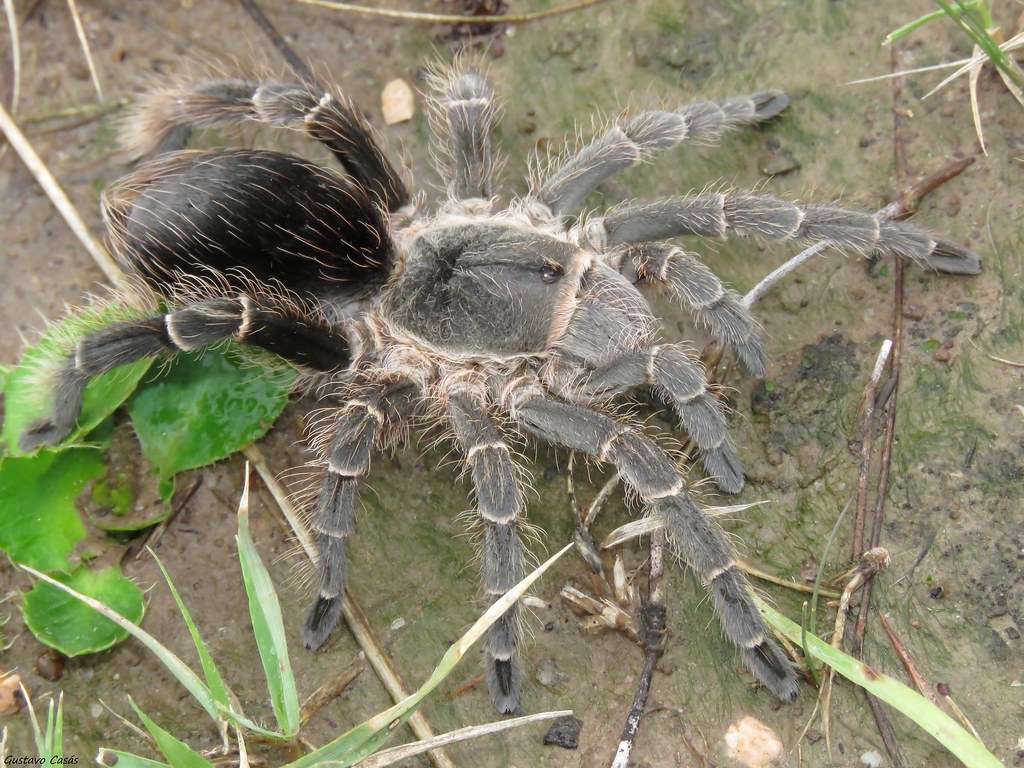
A notable behavioral characteristic, particularly observed in the wild, is the persistent wandering of mature males. During the reproductive season (typically autumn in the Southern Hemisphere, around March and April), adult males leave their burrows and walk incessantly, often crossing roads and open landscapes, day and night, in search of females. This behavior is intensified during cloudy, humid, and mild weather conditions.
Life Cycle: Long-Lived Females and Brief Male Odyssey:
The life cycle of Eupalaestrus weijenberghi highlights a significant disparity in lifespan between the sexes.
- Egg & Spiderlings: Females construct and guard an egg sac within their burrow, from which numerous small spiderlings emerge.
- Juvenile Growth: Spiderlings grow slowly, undergoing several molts as they gradually increase in size and develop their adult coloration.
- Adult: Females are remarkably long-lived for a tarantula, often reaching lifespans of 10 to 15 years, or even longer, in captivity. They continue to molt throughout their adult lives. In stark contrast, adult males, once they reach sexual maturity, have a very short lifespan, typically only a few months (around 2-3 months), sometimes up to a year. Their entire adult existence is dedicated to finding a mate.
Ecological Role:
In their native Pampas ecosystem, Eupalaestrus weijenberghi acts as a crucial terrestrial predator, feeding on a variety of ground-dwelling insects and other small invertebrates. Their burrowing activities also contribute to soil aeration and the overall health of the grassland ecosystem. The wandering behavior of males facilitates gene flow across the landscape.
Conservation Status and Threats: Stable but Sensitive to Habitat Change:
Eupalaestrus weijenberghi is considered a relatively common species within its range and is not currently listed as endangered or threatened on major conservation lists. However, the Pampas grasslands, like many grassland ecosystems globally, are facing increasing pressure from agriculture, urbanization, and habitat conversion. While resilient, localized habitat degradation and fragmentation could impact populations. Maintaining healthy grassland habitats and minimizing the use of broad-spectrum pesticides are important for the long-term sustainability of this species.
A Calm Presence from the Southern Cone: The Enduring Allure of Eupalaestrus weijenberghi
The White-Collared Tarantula, Eupalaestrus weijenberghi, with its understated beauty, remarkably docile temperament, and the unique nomadic journey of its males, is a captivating inhabitant of South America’s grasslands. Its quiet presence and ecological role highlight the hidden wonders of the invertebrate world. For those seeking a gentle yet fascinating arachnid, this species stands as a testament to the diverse and often surprising forms of life that thrive across our planet.
Discover more from
Subscribe to get the latest posts sent to your email.
 davethebugguy.org