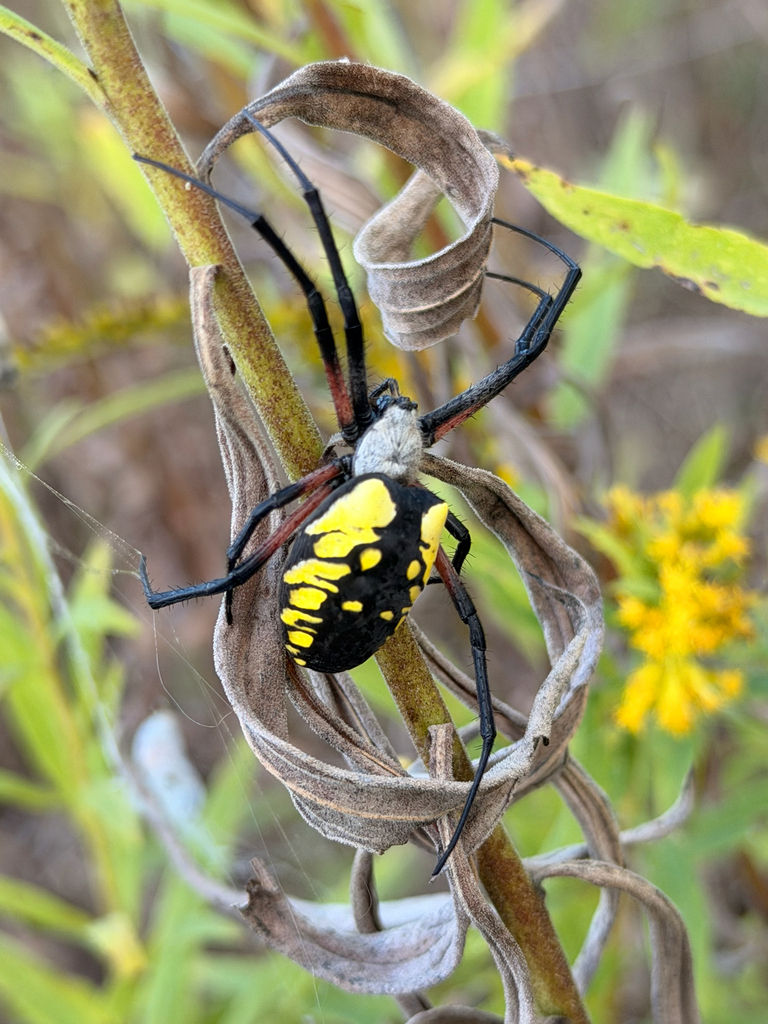
From the temperate gardens, meadows, and open woodlands across North America comes Argiope aurantia, popularly known as the Black and Yellow Garden Spider, Writing Spider, or Corn Spider. This visually stunning orb-weaver is celebrated for its dramatic, bright coloration, impressive size, and the creation of one of the most distinctive and intricate spider webs in the animal kingdom, complete with a prominent zigzag pattern.
Continue reading Argiope aurantia: The Striking “Black and Yellow Garden Spider” of North AmericaTag Archives: spiders
“The Tarantula Keeper’s Log Book”: The Perfect Gift for the Tarantula Enthusiast in Your Life!
Do you have that one friend that likes tarantulas and you just don’t know what to get them for their birthday of Christmas? How about my “The Tarantula Keeper’s Log Book?” A brand-new book designed by a tarantula keeper for tarantula keepers! Featuring 200 pages, this book covers 87 species of the most-commonly kept types of tarantulas with plenty of room to keep track of your feeding regimen, molting records, rehousing dates and even breeding records. The book is spiral bound so keeping it open flat is a breeze as you work with your eight-legged kids. The book is in full color featuring a beautifully painted cover by artist Laura Airey Le. Each species also features a full color photo featuring images by top photographers such as Rick C. West and Danny de Bruyne. This is definitely a book that you will use again and again!
Continue reading “The Tarantula Keeper’s Log Book”: The Perfect Gift for the Tarantula Enthusiast in Your Life!Eight Eyes, Endless Wonders: The World of Jumping Spiders
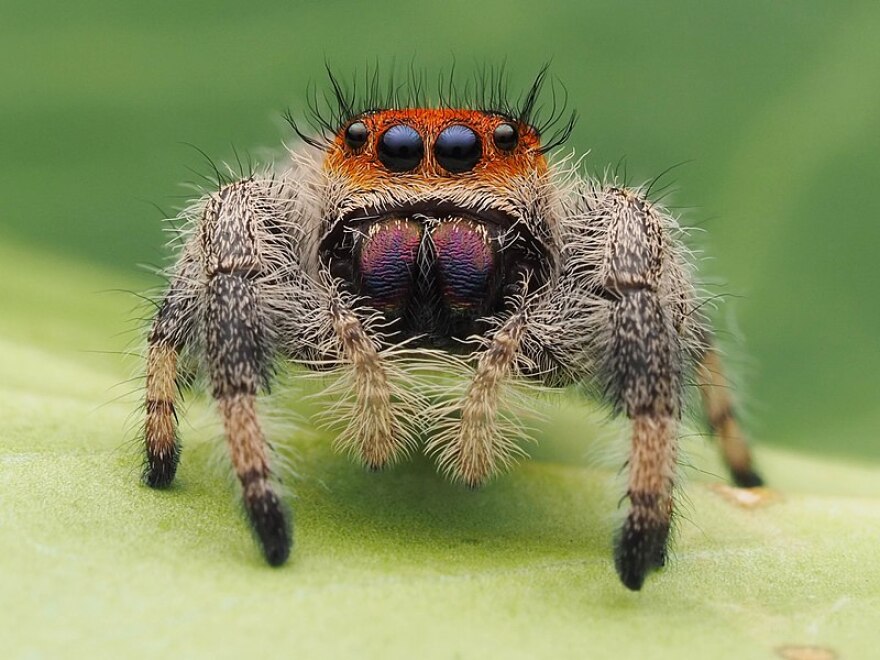
Jumping spiders, members of the family Salticidae, are a captivating group of arachnids renowned for their exceptional vision, remarkable jumping abilities, and diverse behaviors. With over 6,000 described species, they constitute the largest family of spiders, showcasing an incredible array of adaptations and lifestyles. Here’s a comprehensive look at these fascinating creatures:
Continue reading Eight Eyes, Endless Wonders: The World of Jumping SpidersBurrowing Behemoth: Secrets of the King Baboon Spider
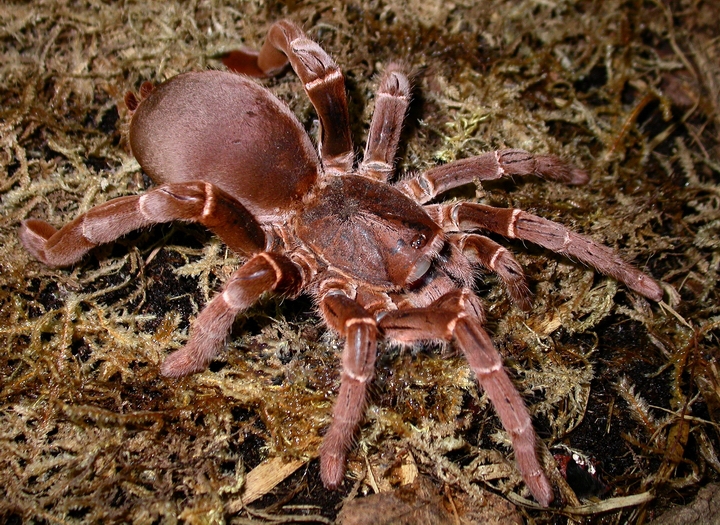
Pelinobius muticus, commonly known as the King Baboon Spider, is a fascinating and formidable tarantula species. Here’s a detailed look at its characteristics, behavior, and care:
Scientific Classification and Origin:
- Scientific Name: Pelinobius muticus
- Genus: Pelinobius
- Family: Theraphosidae
- Origin: East Africa, primarily Tanzania and Kenya.
- Notably, the Pelinobius Genus is monotypic, meaning that Pelinobius muticus is the sole species within that Genus.
SO HOW DO TARANTULAS GROW?
Tarantulas, like all arachnids and insects, must shed their skin, or molt, to grow. This is because they have an exoskeleton. Since this exoskeleton is hard, the only way these invertebrates can grow is by breaking through their old skin, revealing the pliable new skin underneath. Once the shed is complete, the new and larger skin is then allowed to dry. What I present for you here is a pictorial guide to one of the world’s largest species of tarantulas, the Brazilian Salmon Pink Bird-eating Spider (Lasiodora parahybana), named for the beautiful pink hairs on this massive spider’s abdomen.
After making a bed of silk, the spider turns onto its back to start the molting process.