Tag Archives: nature

Pamphobeteus nigricolor: The Magnificent “Giant Blue Bloom Tarantula”

From the lush, cloud-kissed mountains and humid rainforests of South America, primarily in Peru and Ecuador, comes Pamphobeteus nigricolor, popularly known as the Giant Blue Bloom Tarantula. This impressive terrestrial tarantula is highly sought after by collectors for its monumental size, robust build, and the stunning sexual dimorphism where males display a breathtaking iridescent purple and blue coloration.


Continue reading Pamphobeteus nigricolor: The Magnificent “Giant Blue Bloom Tarantula”
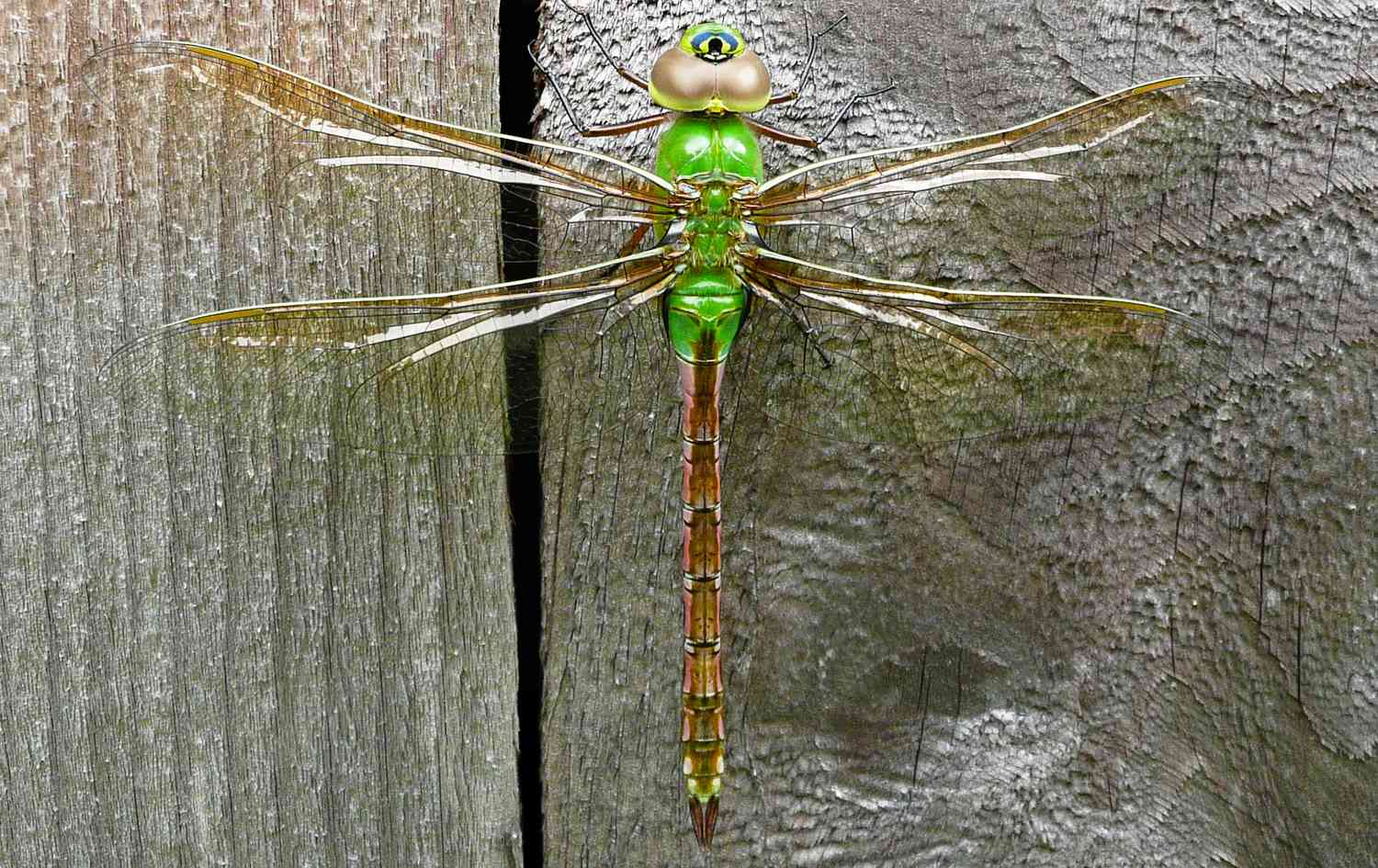
Anax junius: The Powerful Green Darner Dragonfly

Soaring on powerful, iridescent wings across continents, the common green darner, scientifically known as Anax junius, is one of the largest and most widely recognized dragonflies in North America. With its brilliant green and blue body, clear wings, and remarkable migratory abilities, this top aerial predator is a truly global phenomenon, captivating observers wherever it lands. Its name, “darner,” refers to its long, needle-like abdomen, reminiscent of a darning needle, while its scientific name, Anax, is Greek for “king” or “lord,” a fitting title for such a magnificent insect.

Continue reading Anax junius: The Powerful Green Darner Dragonfly

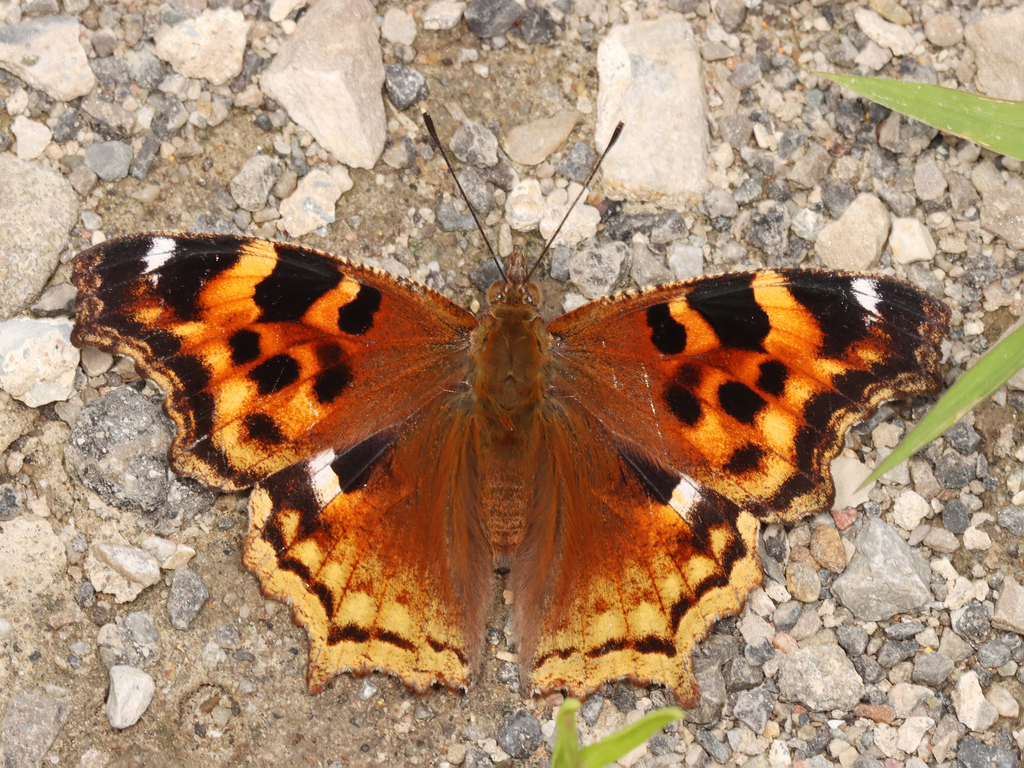
The Elusive Compton Tortoiseshell: A Harbinger of Spring and Autumn

Soaring with powerful, rapid flights through the boreal and temperate forests of the Northern Hemisphere, Nymphalis vaualbum, commonly known as the Compton Tortoiseshell, is a striking and often elusive butterfly. Renowned for its jagged wing margins, mottled camouflage, and its unique life cycle that involves both summer aestivation and winter hibernation, this species is a fascinating example of adaptation to fluctuating seasonal conditions.

Continue reading The Elusive Compton Tortoiseshell: A Harbinger of Spring and Autumn

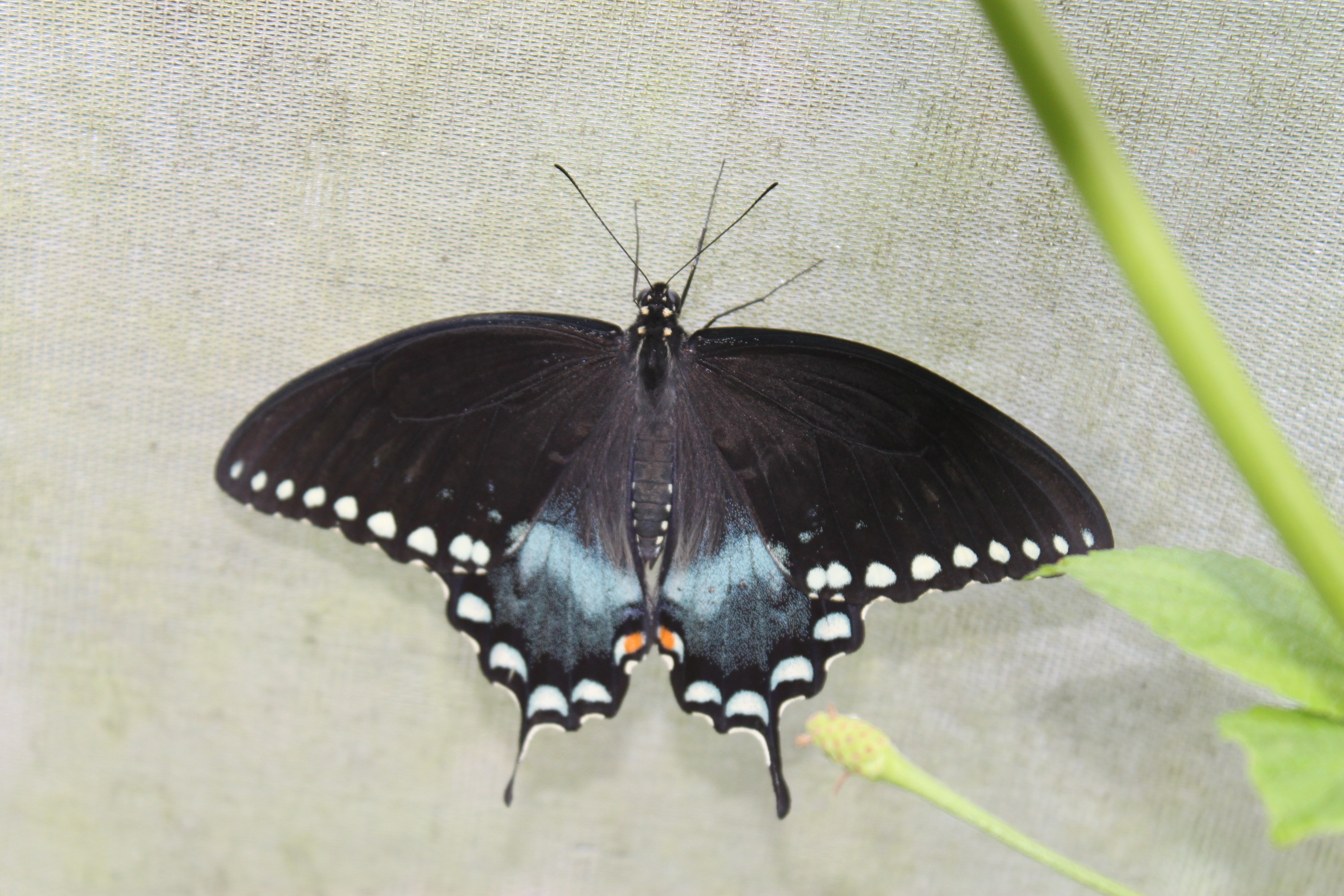
The Elegant Spicebush Swallowtail: A Jewel of the Eastern Understory

Gracefully gliding through the dappled sunlight of eastern North American woodlands, the spicebush swallowtail, scientifically known as Papilio troilus, is a butterfly of understated elegance and remarkable adaptations. Its velvety dark wings, often with iridescent blue or green highlights, and its distinctive flight pattern make it a beloved and frequently encountered resident of its native habitats.

Continue reading The Elegant Spicebush Swallowtail: A Jewel of the Eastern Understory

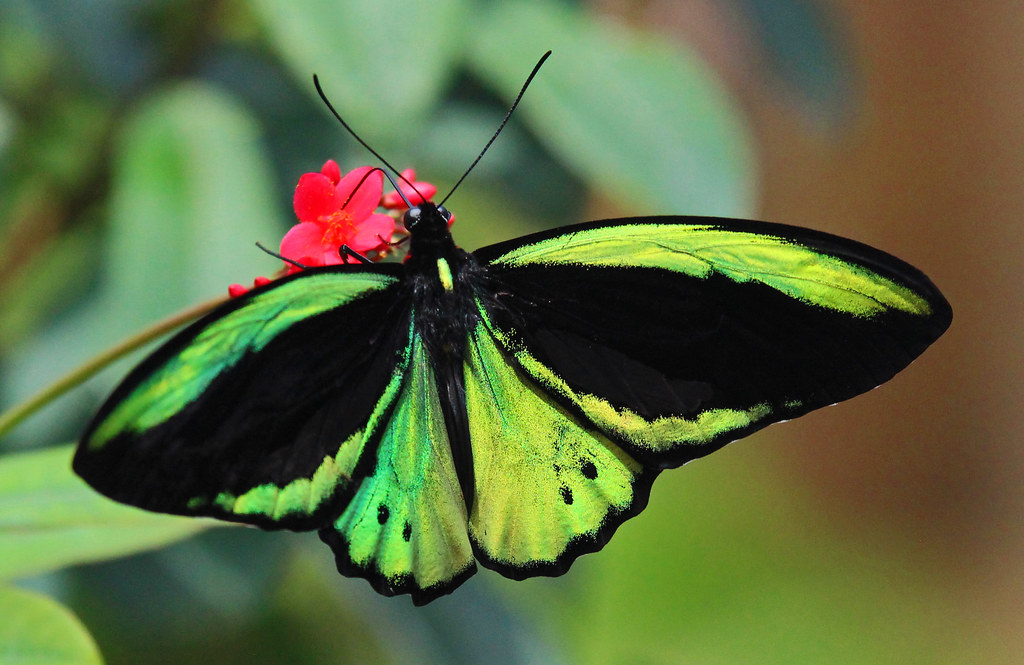
The Regal Lineage: Tracing the History of Birdwing Butterflies (Ornithoptera)

Among the most magnificent and sought-after insects on Earth, the birdwing butterflies of the genus Ornithoptera stand as living jewels. Renowned for their immense size, often iridescent coloration, and graceful flight, these butterflies have captivated naturalists, collectors, and conservationists for centuries. Their history is not just a tale of scientific discovery but also one intertwined with human exploration, evolving understanding, and increasingly, urgent conservation efforts.

Continue reading The Regal Lineage: Tracing the History of Birdwing Butterflies (Ornithoptera)

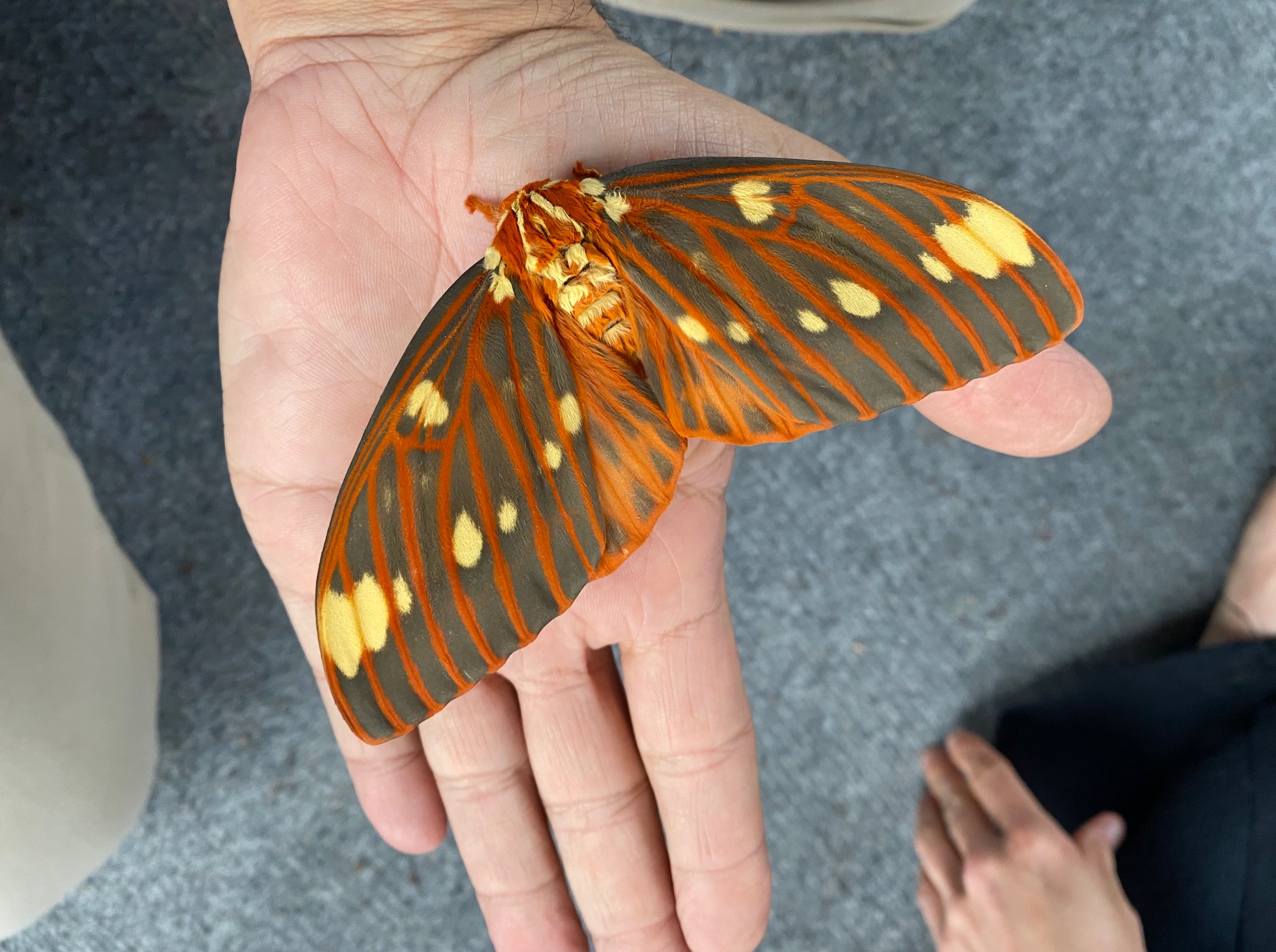
The Majestic Regal Moth: A Kaleidoscope of Color in the Forest Canopy

Emerging from the depths of eastern North American forests is one of the continent’s most spectacularly adorned insects – the regal moth, scientifically known as Citheronia regalis. With its impressive size, robust body, and a vibrant tapestry of orange, yellow, and black, this magnificent giant silk moth is a true monarch of the night. Its equally striking larva, the “hickory horned devil,” adds to its mystique, making it a fascinating subject from egg to adult.

Continue reading The Majestic Regal Moth: A Kaleidoscope of Color in the Forest Canopy

Beyond the Net: A Butterfly Guide

Jeffrey Glassberg’s “Butterflies through Binoculars: The East” is a highly acclaimed field guide that has become a staple for butterfly enthusiasts in eastern North America. Published in 1999, this book revolutionized butterfly identification, emphasizing the use of binoculars for observation and extensively using photographs of living butterflies. Here’s a detailed review:

Continue reading Beyond the Net: A Butterfly Guide

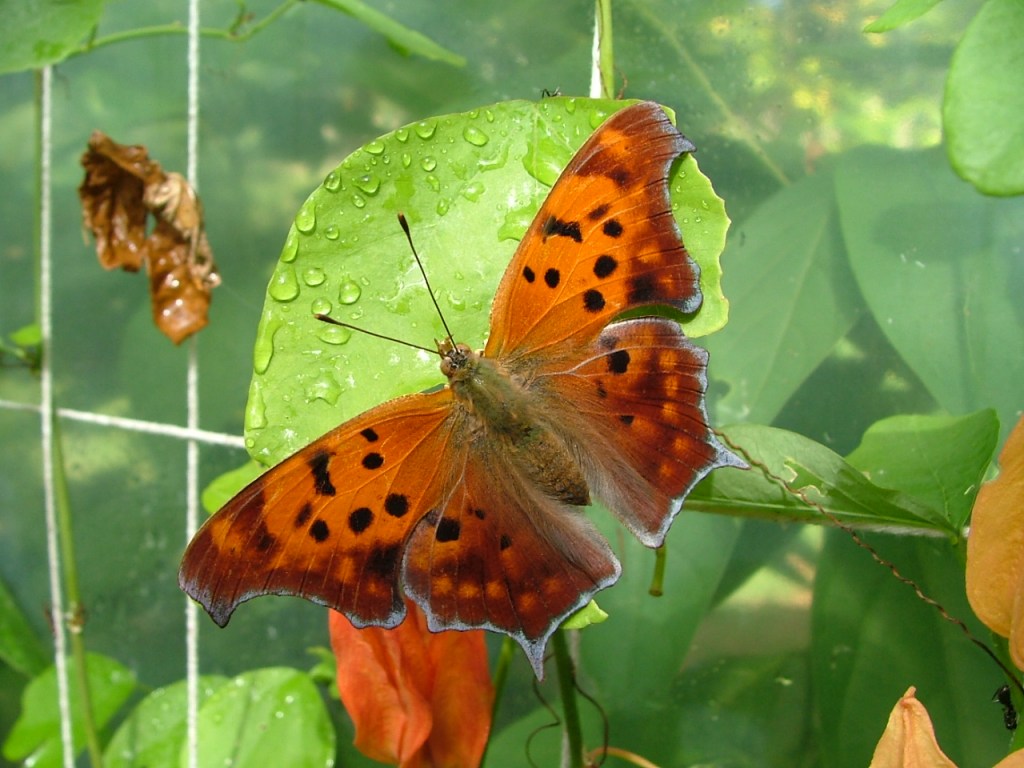
The Enigmatic Question Mark: Unraveling the Secrets of Polygonia interrogationis

Dancing through sun-dappled woodlands and urban gardens across eastern North America flits a butterfly of curious markings and intriguing habits – the question mark, scientifically known as Polygonia interrogationis. Its scalloped wing edges and the distinctive silver mark on its hindwing, resembling its namesake punctuation, make it a readily identifiable and endlessly fascinating member of the brush-footed butterfly family.  

Continue reading The Enigmatic Question Mark: Unraveling the Secrets of Polygonia interrogationis

The Rosy Maple Moth: A Vision in Pink and Yellow

Gracing the deciduous forests of eastern North America with its whimsical charm is the rosy maple moth, scientifically known as Dryocampa rubicunda. This small to medium-sized silk moth is instantly recognizable for its delightful coloration, a vibrant blend of rosy pink and sunny yellow that seems almost too charming to be real. Its fuzzy body and delicate wings make it a captivating and beloved member of the moth world.  

Continue reading The Rosy Maple Moth: A Vision in Pink and Yellow

Fluttering Fantastic: A Butterfly Book That Takes Flight

The “Kaufman Field Guide to Butterflies of North America” by Jim P. Brock and Kenn Kaufman is, in my opinion, a truly exceptional resource and a must-have for anyone with a casual interest in butterflies or a serious passion for lepidopterology. This guide stands out in a crowded field for several reasons, combining scientific rigor with a user-friendly approach that makes butterfly identification accessible and enjoyable for beginners and experts alike.

Continue reading Fluttering Fantastic: A Butterfly Book That Takes Flight