Tag Archives: natural history

The Binocular Revolution: Why Pyle’s Butterfly Handbook is Still the Gold Standard

In the world of natural history, few books have had as profound an impact on how we engage with the small wonders of our environment as The Audubon Society Handbook for Butterfly Watchers by Robert Michael Pyle. First published in 1984, this seminal work did more than just list species; it essentially pioneered a new hobby. Before Pyle’s handbook, the study of butterflies—lepidopterology—was largely the domain of collectors with nets and glass-topped cases. Pyle, a visionary lepidopterist and the founder of the Xerces Society for Invertebrate Conservation, invited the public to trade their nets for binoculars, transforming a consumptive pursuit into a contemplative and scientific one.

A Philosophy of Observation

At the heart of Pyle’s writing is a deep-seated respect for the living creature. The handbook is celebrated not only for its technical depth but for its “poetic appreciation” of nature. Pyle argues persuasively that watching a living butterfly interact with its habitat—observing its courtship dances, its territorial disputes, and its delicate relationship with host plants—is far more rewarding than possessing a dried specimen. This shift in perspective was revolutionary at the time and laid the groundwork for modern citizen science. Pyle’s prose is warm and accessible, making the complex biology of insects feel like an invitation to a grand, outdoor theater.

Robert Michael Pyle was inspired to found the Xerces Society in 1971 after hearing of the impending loss of the large blue butterfly from Britain. He named the organization after a similar butterfly that had already gone extinct, the Xerces blue. (Photo: David Lee Myers.)

Comprehensive Insights into Butterfly Life

The handbook serves as an exhaustive guide to the “why” and “how” of butterfly life. Rather than focusing solely on identification—a task handled by its companion field guides—this volume delves into the biology and ecology of these winged insects. Readers learn to recognize the signs of different life stages, from the microscopic architecture of eggs to the varied textures of chrysalises. Pyle meticulously details butterfly behavior, explaining how “basking” helps these cold-blooded creatures regulate their temperature and how “puddling” allows males to gather essential minerals. By understanding these behaviors, a watcher stops being a mere spectator and begins to see the intricate survival strategies playing out in every garden and meadow.


Book Specifications at a Glance

FeatureDetails
AuthorRobert Michael Pyle
IllustratorSarah Anne Hughes
First Published1984 (Scribner’s)
Key Revised Edition1992 (Houghton Mifflin)
Core SubjectField techniques, behavior, and conservation
Total Pages280 (approx.)

Mastering the Art of the Field Trip

Practicality is a hallmark of this handbook. Pyle provides detailed advice on the tools of the trade, discussing the emergence of close-focusing binoculars and the nuances of butterfly photography. He emphasizes the importance of keeping a field journal, encouraging watchers to record weather patterns, plant associations, and flight periods. There is even a section dedicated to butterfly gardening, which empowers readers to transform their own backyards into vital corridors for local species. These sections are remarkably prescient, anticipating the modern movement toward rewilding and pollinator protection.

The Ethical Heart and Conservation Legacy

The book concludes with a powerful call to action regarding conservation. Robert Michael Pyle’s work is inextricably linked to the protection of endangered habitats. He uses the handbook to explain the “extinction of experience”—the idea that as we lose touch with local nature, we lose the will to protect it. By teaching people to watch and love butterflies, Pyle effectively built a grassroots army of conservationists. Even decades after its release, the handbook remains the “gold standard” for anyone who wishes to look more closely at the world. It is a masterclass in how one person’s passion can change the way an entire society perceives the beauty and fragility of the natural world.

“People who care may make choices to conserve; but people who don’t know, don’t even care.” — Robert Michael Pyle

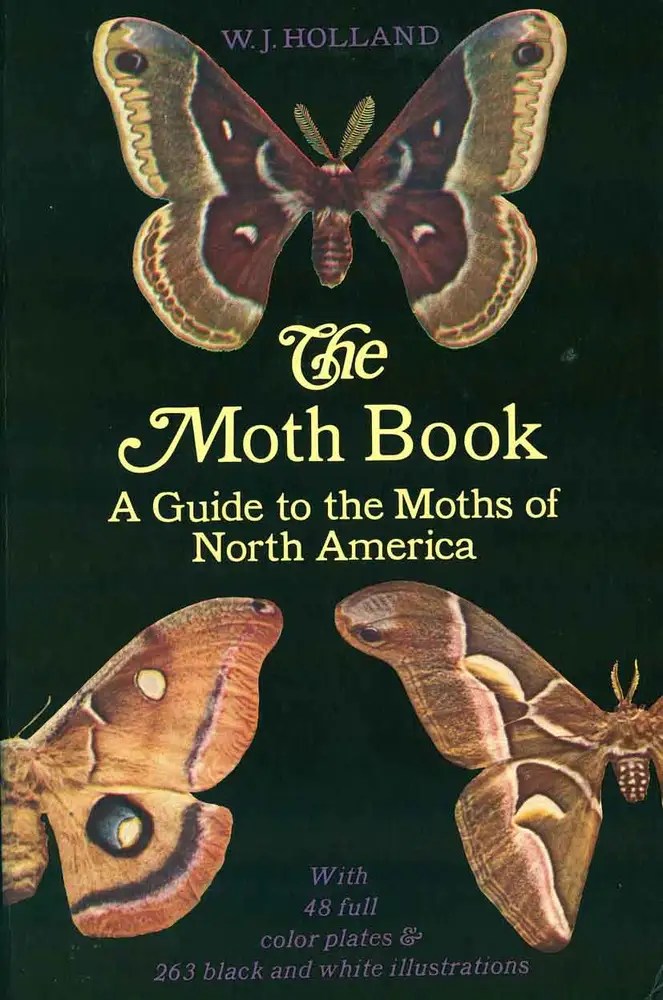
The Moth Book: A Timeless Classic of Natural History

The Moth Book by W.J. Holland, first published in 1903, remains a remarkable and foundational work in the study of North American moths. While many scientific texts from that era have become obsolete, Holland’s masterpiece endures as a testament to his passion for the subject and his skill as both a scientist and a writer. It’s a book that masterfully combines scientific rigor with an accessible, engaging style, making it a true classic for both professional entomologists and amateur naturalists alike.

Continue reading The Moth Book: A Timeless Classic of Natural History

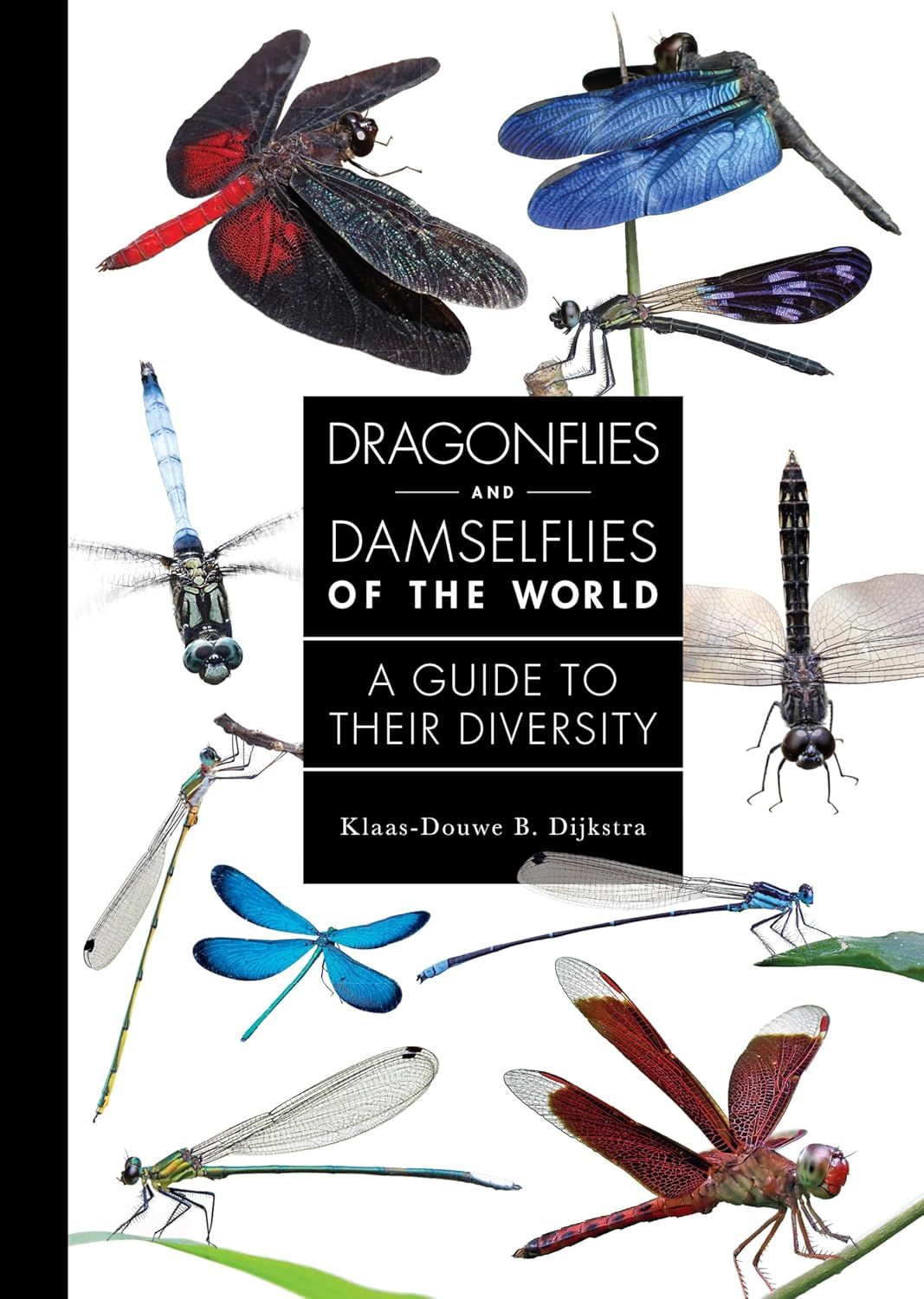
Dragonflies and Damselflies of the World: A Guide to Their Diversity – A Breathtaking Journey into the Odonata Kingdom

In the vast and intricate world of entomology, few groups of insects captivate the imagination quite like the Odonata—the dragonflies and damselflies. These ancient, winged wonders, with their iridescent colors, acrobatic flight, and predatory prowess, have fascinated humans for centuries. Yet, a truly comprehensive and globally-minded guide to their incredible diversity has been a long-awaited treasure for enthusiasts, researchers, and nature lovers alike. With the publication of “Dragonflies and Damselflies of the World: A Guide to Their Diversity” by Klaas-Douwe B. Dijkstra, that treasure has finally arrived.

Continue reading Dragonflies and Damselflies of the World: A Guide to Their Diversity – A Breathtaking Journey into the Odonata Kingdom

A Portal to a Hidden World: Exploring “Dragonflies and Damselflies of the East”

In the vast and wondrous tapestry of the natural world, some creatures captivate our imagination with their delicate beauty and acrobatic prowess. Dragonflies and damselflies, with their iridescent wings and brilliant colors, are among the most enchanting. For anyone with a budding interest in these ancient insects, or for the seasoned naturalist seeking a definitive guide, Dennis Paulson’s “Dragonflies and Damselflies of the East” is an indispensable and truly magnificent resource. Published by the esteemed Princeton University Press, this book is more than just a field guide; it is a celebration of the Odonata order, a testament to meticulous scholarship, and a gateway to a world of endless discovery.

Continue reading A Portal to a Hidden World: Exploring “Dragonflies and Damselflies of the East”

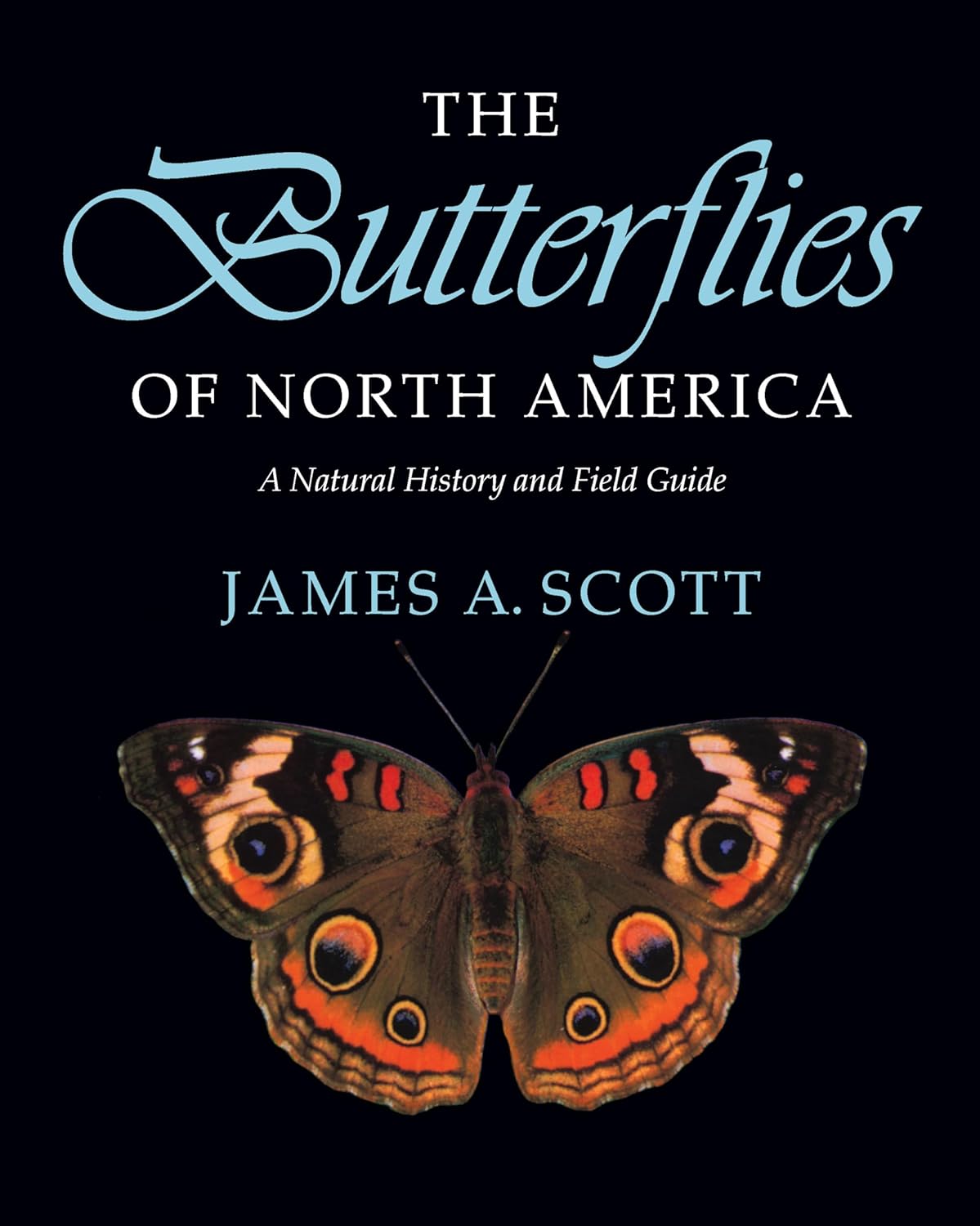
A Comprehensive Gem for Lepidopterists: A Review of “The Butterflies of North America” by James A. Scott

James A. Scott’s 1986 magnum opus, “The Butterflies of North America: A Natural History and Field Guide,” stands as an enduring testament to meticulous scholarship and passionate dedication to the world of butterflies. More than just a field guide, this monumental work is a veritable encyclopedia, offering an unparalleled blend of scientific rigor, accessible prose, and breathtaking detail that continues to captivate both seasoned lepidopterists and budding enthusiasts alike.

Continue reading A Comprehensive Gem for Lepidopterists: A Review of “The Butterflies of North America” by James A. Scott

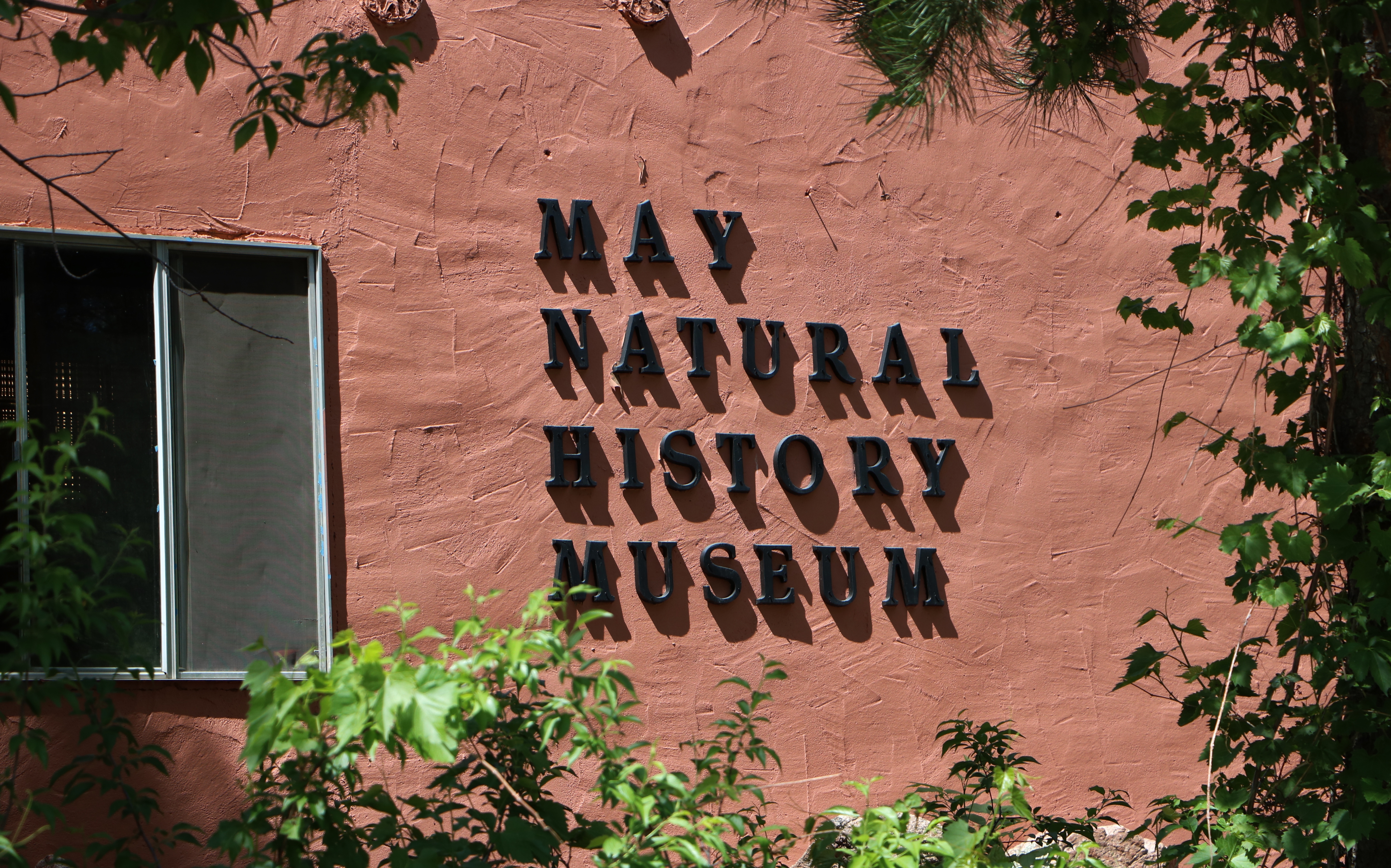
A Jewel of the Rockies: Discover the Enchanting World of the May Natural History Museum

Nestled amidst the breathtaking landscapes just south of Colorado Springs, the May Natural History Museum stands as a truly unique and utterly captivating destination. Affectionately known as the “Bug Museum” by generations of delighted visitors, this remarkable institution is far more than just a collection of insects; it’s a testament to passion, preservation, and the awe-inspiring diversity of the natural world.

Continue reading A Jewel of the Rockies: Discover the Enchanting World of the May Natural History Museum

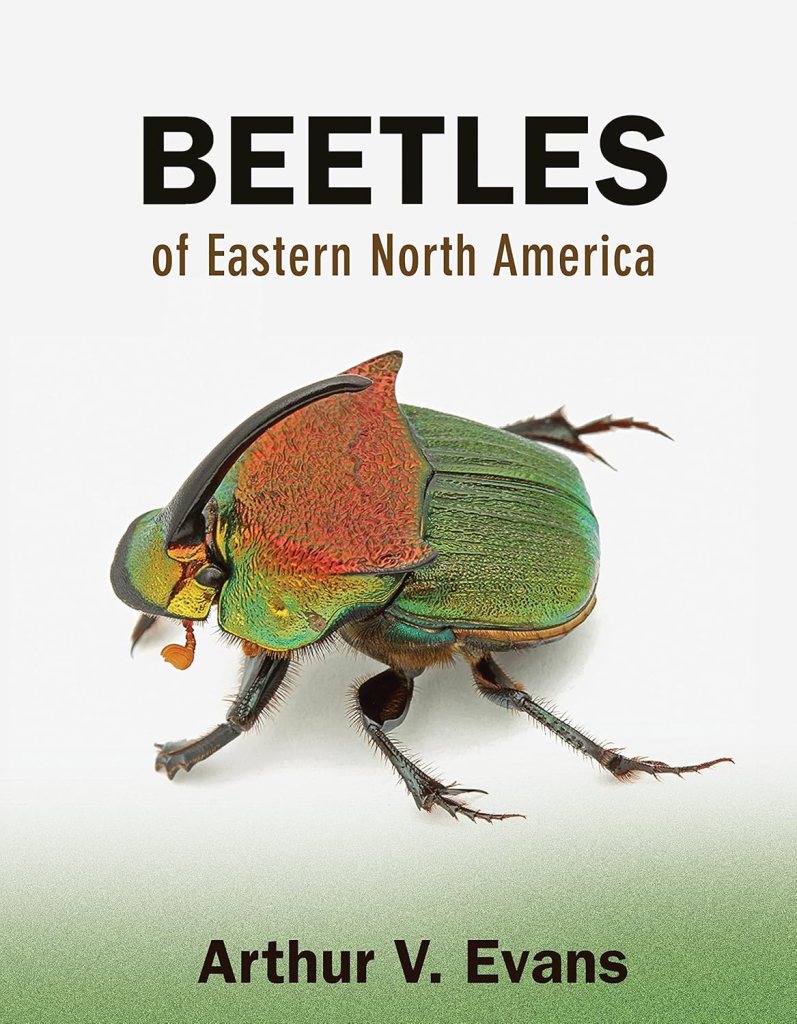
A Must-Have for Beetle Enthusiasts: A Review of Beetles of Eastern North America by Arthur V. Evans

Arthur V. Evans’s Beetles of Eastern North America is an absolute triumph, a meticulously crafted and indispensable guide that will delight both seasoned entomologists and burgeoning naturalists alike. This book isn’t just a field guide; it’s a comprehensive and engaging journey into the diverse and fascinating world of beetles found east of the Mississippi River.

Continue reading A Must-Have for Beetle Enthusiasts: A Review of Beetles of Eastern North America by Arthur V. Evans

The Regal Lineage: Tracing the History of Birdwing Butterflies (Ornithoptera)

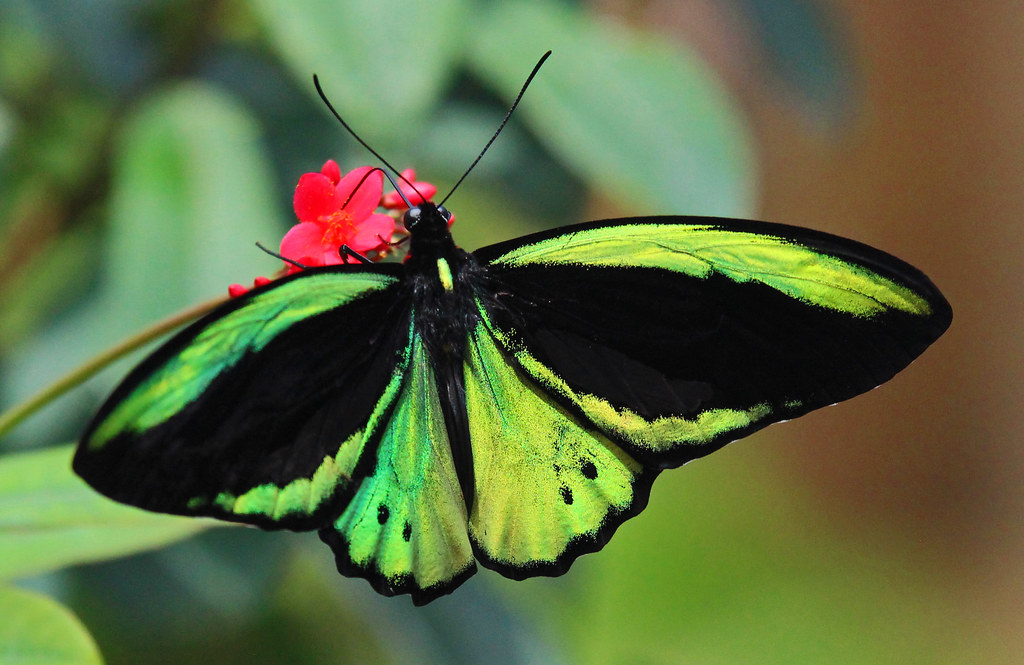
Among the most magnificent and sought-after insects on Earth, the birdwing butterflies of the genus Ornithoptera stand as living jewels. Renowned for their immense size, often iridescent coloration, and graceful flight, these butterflies have captivated naturalists, collectors, and conservationists for centuries. Their history is not just a tale of scientific discovery but also one intertwined with human exploration, evolving understanding, and increasingly, urgent conservation efforts.

Continue reading The Regal Lineage: Tracing the History of Birdwing Butterflies (Ornithoptera)

An Amazing Guide to North America’s Wild Silk Moths: A Detailed Review

The Wild Silk Moths of North America: A Natural History of the Saturniidae of the United States and Canada by Paul M. Tuskes, James P. Tuttle, and Michael M. Collins, published by Cornell University Press, is a seminal work that delves into the captivating world of the Saturniidae family, commonly known as wild silk moths. This comprehensive book has become an indispensable resource for entomologists, researchers, students, and amateur collectors alike.

Continue reading An Amazing Guide to North America’s Wild Silk Moths: A Detailed Review