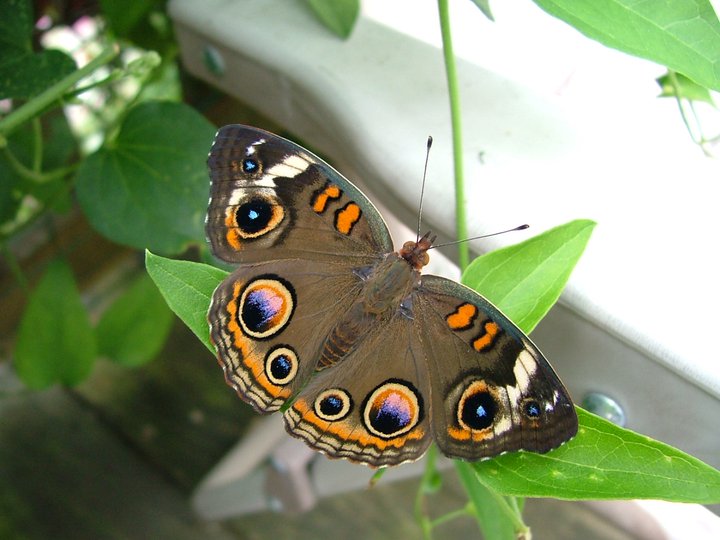
Flitting with erratic yet graceful movements through sunny fields, open woodlands, and disturbed areas across much of the Americas is the common buckeye, scientifically known as Junonia coenia. This charismatic butterfly, instantly recognizable by the prominent, iridescent eyespots on its wings, is a ubiquitous and cherished sight, enchanting observers with its striking patterns and its keen ability to thrive in a variety of open habitats.
Continue reading The Vibrant Common Buckeye: A Jewel of Open LandscapesTag Archives: Lepidoptera
The Elegant Spicebush Swallowtail: A Jewel of the Eastern Understory
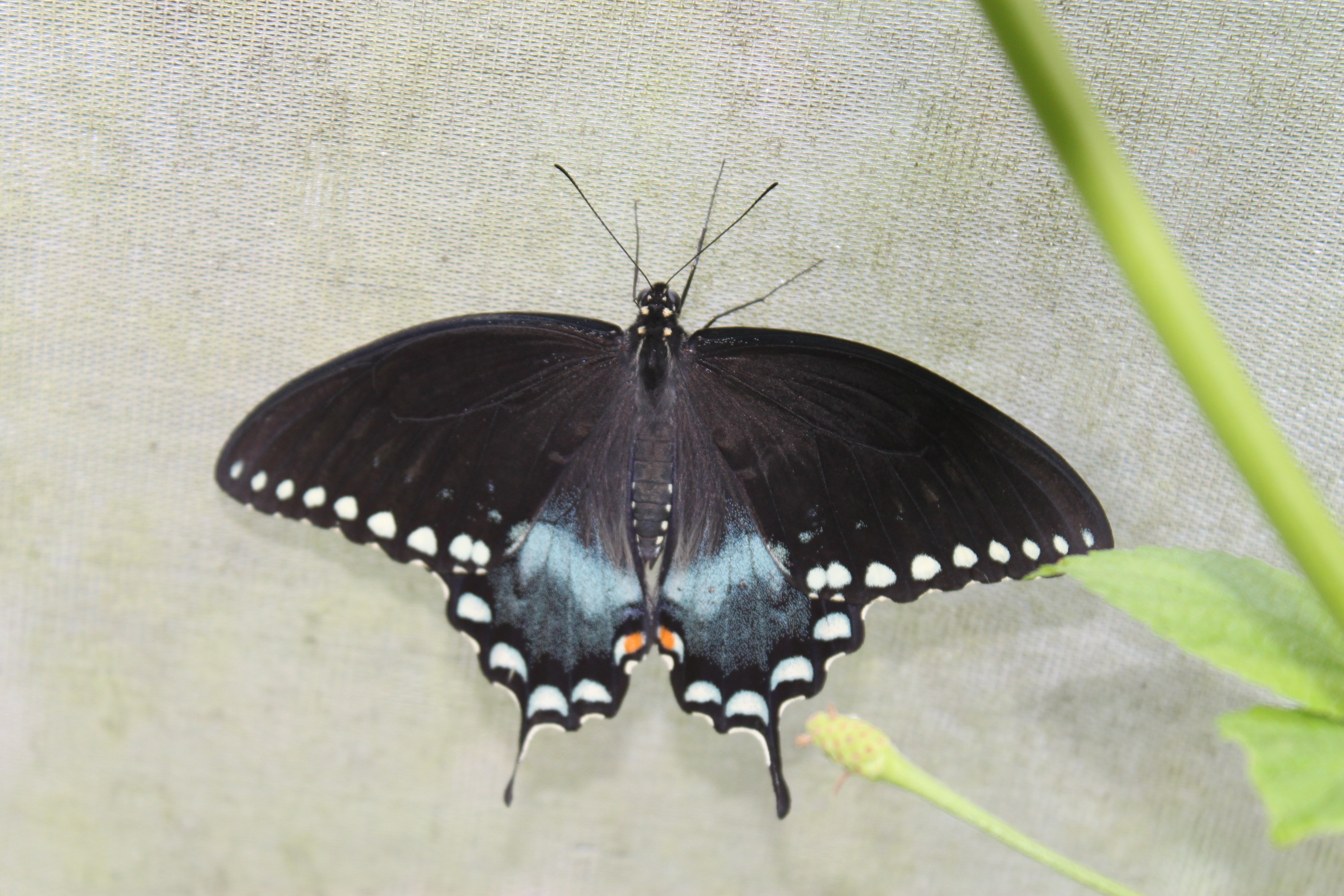
Gracefully gliding through the dappled sunlight of eastern North American woodlands, the spicebush swallowtail, scientifically known as Papilio troilus, is a butterfly of understated elegance and remarkable adaptations. Its velvety dark wings, often with iridescent blue or green highlights, and its distinctive flight pattern make it a beloved and frequently encountered resident of its native habitats.
Continue reading The Elegant Spicebush Swallowtail: A Jewel of the Eastern UnderstoryThe Pipevine Swallowtail: A Shimmering Warning in Black and Blue
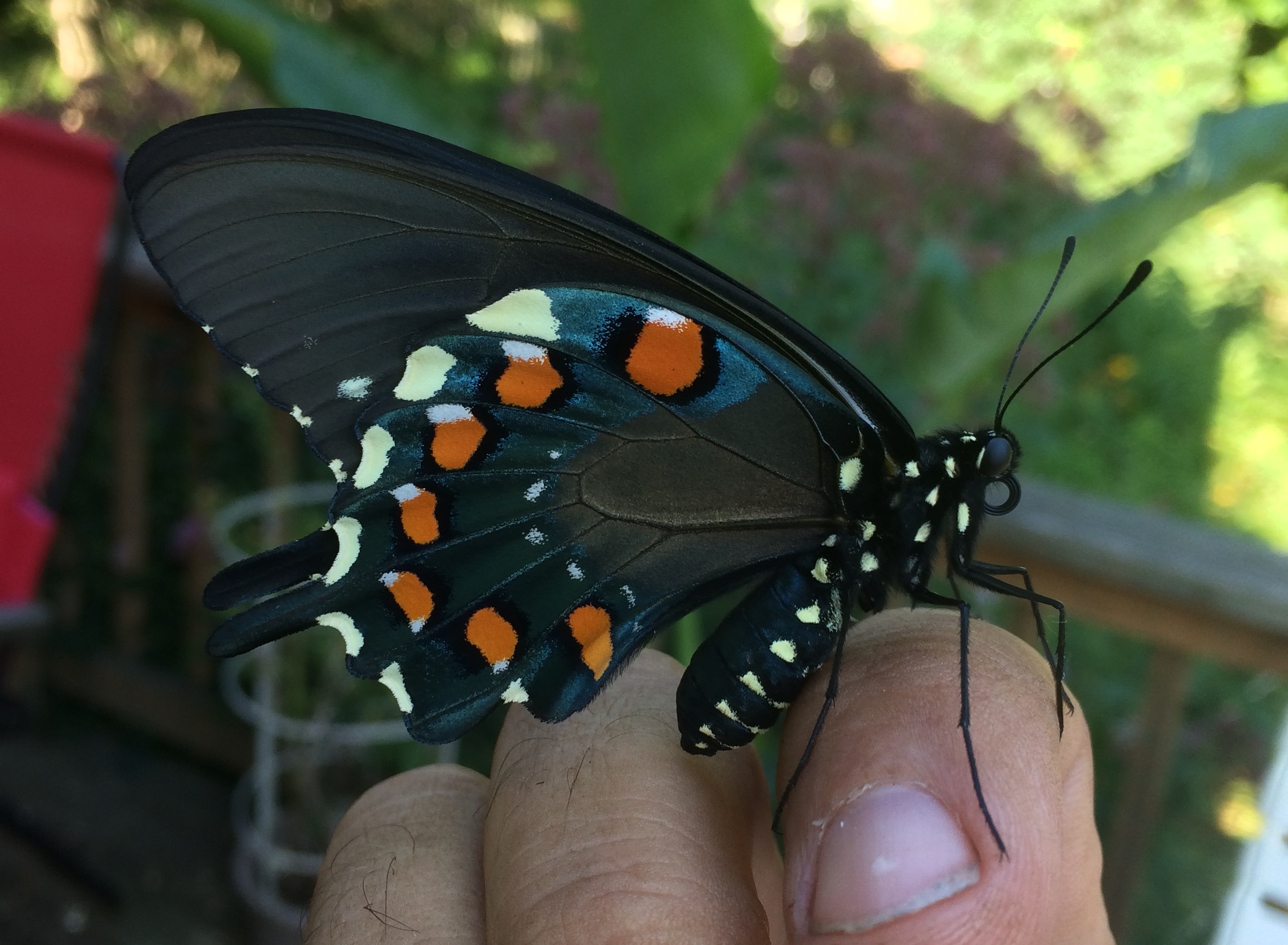
Gracing open woodlands, meadows, and gardens across much of North America, the pipevine swallowtail, scientifically known as Battus philenor, is a butterfly of captivating beauty and crucial ecological significance. With its velvety black wings adorned with iridescent blue-green highlights and its distinctive, undulating flight, this elegant insect serves as a living advertisement of its toxicity, playing a key role in mimicry complexes that protect other species.
Continue reading The Pipevine Swallowtail: A Shimmering Warning in Black and BlueThe Giant Among Swallowtails: Unveiling Papilio cresphontes
Soaring with a powerful, almost regal flight through sunny woodlands, citrus groves, and gardens of the Americas, the giant swallowtail, scientifically known as Papilio cresphontes, is a truly magnificent butterfly. As the largest butterfly native to the United States and Canada, its impressive size, striking brown and yellow patterns, and its unique larval defense strategy make it an instantly recognizable and fascinating member of the butterfly world.
Continue reading The Giant Among Swallowtails: Unveiling Papilio cresphontesThe Resilient Red Admiral: A Bold Migrant of the Northern Hemisphere
Soaring with determined flight across continents, the red admiral, scientifically known as Vanessa atalanta, is one of the most widely recognized and globally distributed butterflies. With its striking black wings slashed by vivid orange-red bands, this bold and beautiful butterfly is a familiar sight in gardens, fields, and woodlands across the Northern Hemisphere, captivating observers with its distinctive patterns and impressive migratory journeys.
Continue reading The Resilient Red Admiral: A Bold Migrant of the Northern HemisphereThe Majestic Regal Moth: A Kaleidoscope of Color in the Forest Canopy
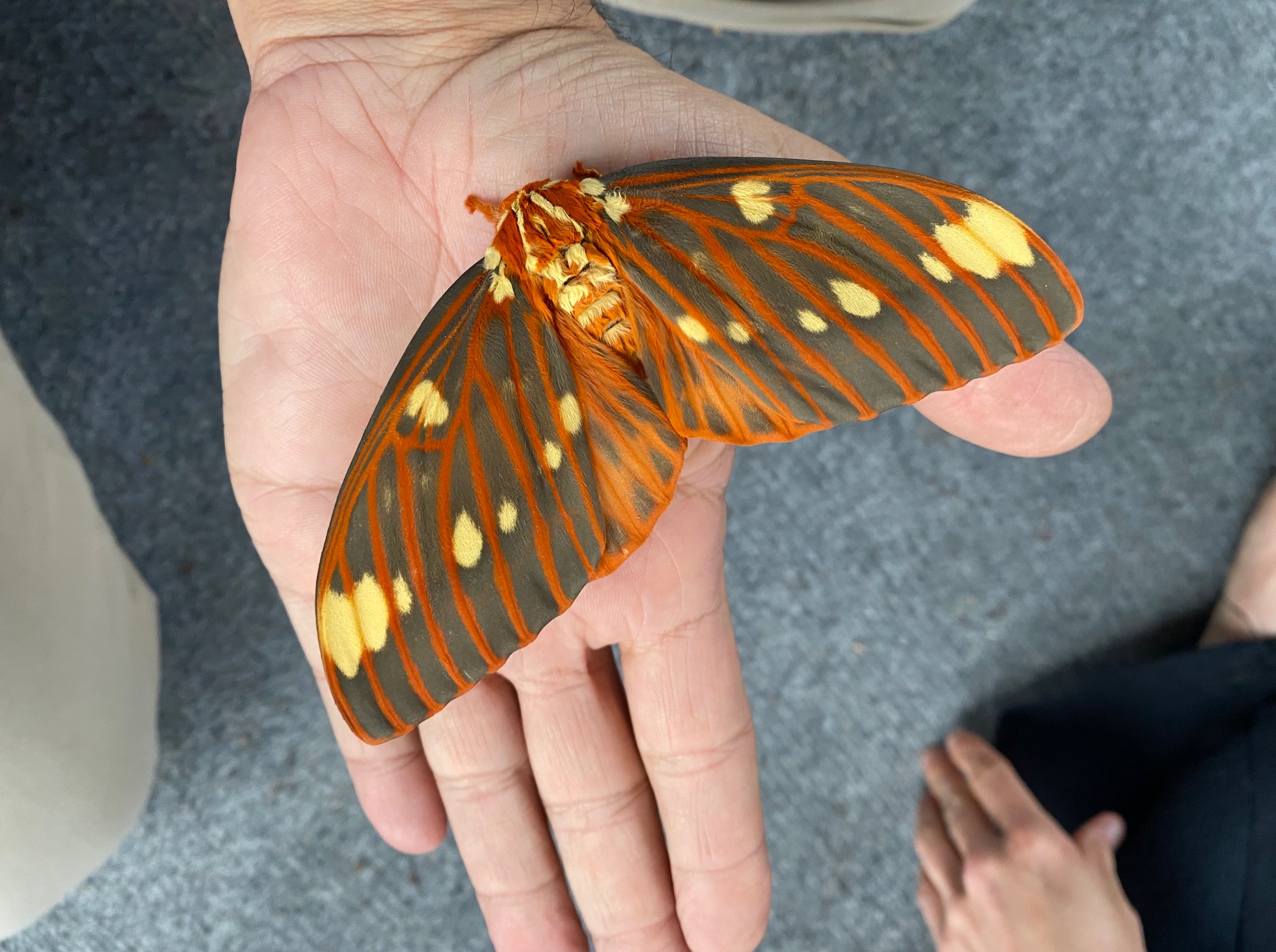
Emerging from the depths of eastern North American forests is one of the continent’s most spectacularly adorned insects – the regal moth, scientifically known as Citheronia regalis. With its impressive size, robust body, and a vibrant tapestry of orange, yellow, and black, this magnificent giant silk moth is a true monarch of the night. Its equally striking larva, the “hickory horned devil,” adds to its mystique, making it a fascinating subject from egg to adult.
Continue reading The Majestic Regal Moth: A Kaleidoscope of Color in the Forest CanopyAn Amazing Guide to North America’s Wild Silk Moths: A Detailed Review
The Wild Silk Moths of North America: A Natural History of the Saturniidae of the United States and Canada by Paul M. Tuskes, James P. Tuttle, and Michael M. Collins, published by Cornell University Press, is a seminal work that delves into the captivating world of the Saturniidae family, commonly known as wild silk moths. This comprehensive book has become an indispensable resource for entomologists, researchers, students, and amateur collectors alike.
Continue reading An Amazing Guide to North America’s Wild Silk Moths: A Detailed ReviewThe Imperial Moth: A Majestic Presence of the Eastern Forests
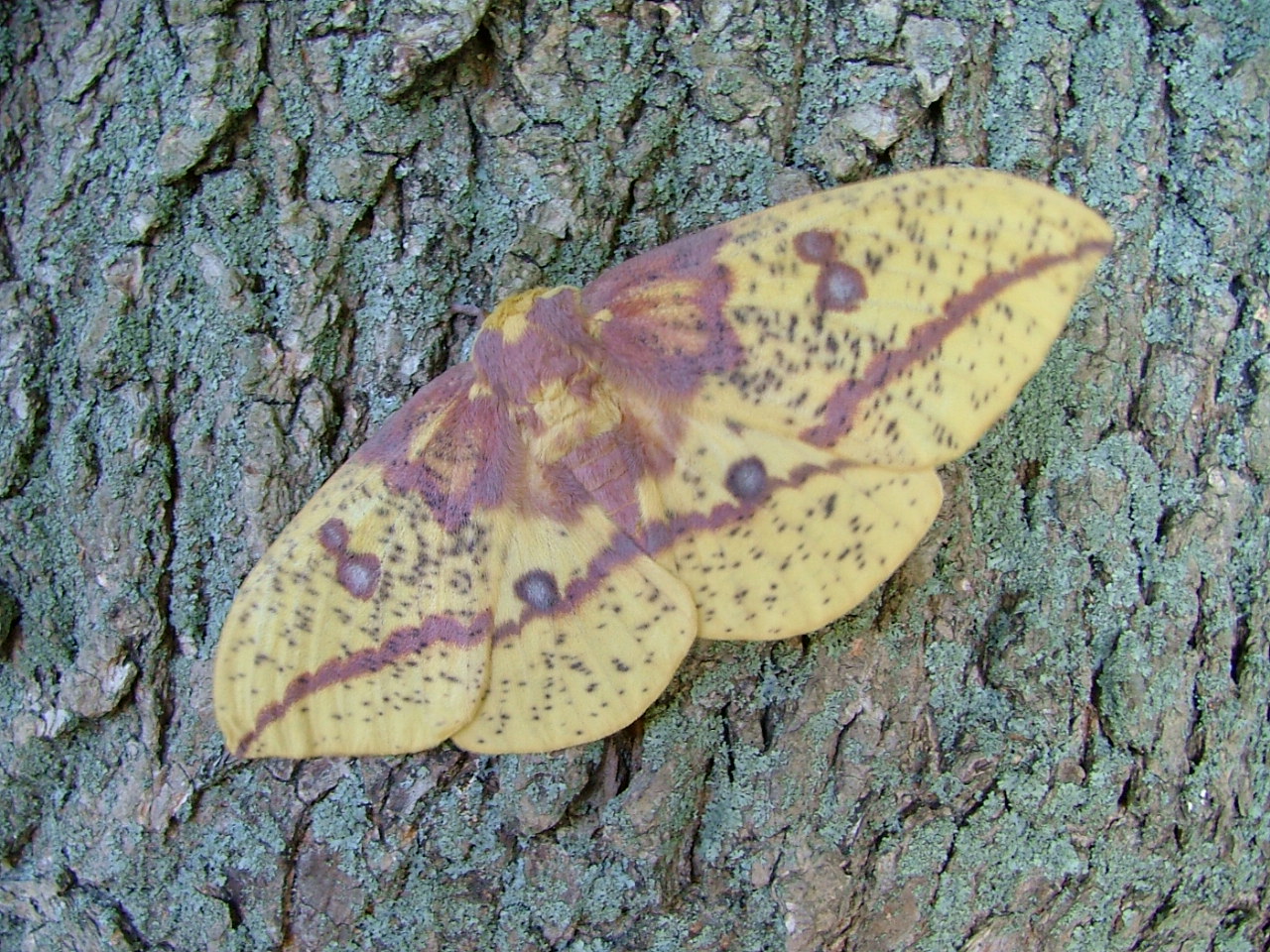
Drifting through the warm summer nights of eastern North America, the imperial moth, scientifically known as Eacles imperialis, commands attention with its impressive size and regal coloration. This magnificent member of the Saturniidae family, one of our largest silk moths, showcases a stunning tapestry of yellow ochre adorned with patterns of pink, red, and sometimes purple, truly living up to its majestic name.
Continue reading The Imperial Moth: A Majestic Presence of the Eastern ForestsThe Enchanting Polyphemus Moth: A Giant Silkmoth with Windowed Wings
Floating through the twilight of deciduous woodlands across North America is the breathtaking Polyphemus moth, scientifically known as Antheraea polyphemus. This magnificent giant silkmoth, named after the cyclops Polyphemus from Greek mythology due to the striking eyespot on each of its hindwings, captivates observers with its large size, delicate coloration, and the ethereal transparency of its wing windows.
Continue reading The Enchanting Polyphemus Moth: A Giant Silkmoth with Windowed WingsThe Majestic Ailanthus Silkmoth: A Global Traveler with a Taste for the Urban Jungle
Distinguished by its impressive size, striking wing patterns, and remarkable adaptability, the Ailanthus silkmoth, scientifically known as Philosamia cynthia, is a truly captivating member of the Saturniidae family. Originally native to Asia, this magnificent moth has successfully established itself in urban and suburban environments across the globe, its life cycle intricately linked to the often-overlooked Ailanthus tree, also known as the “tree of heaven.”
Continue reading The Majestic Ailanthus Silkmoth: A Global Traveler with a Taste for the Urban Jungle