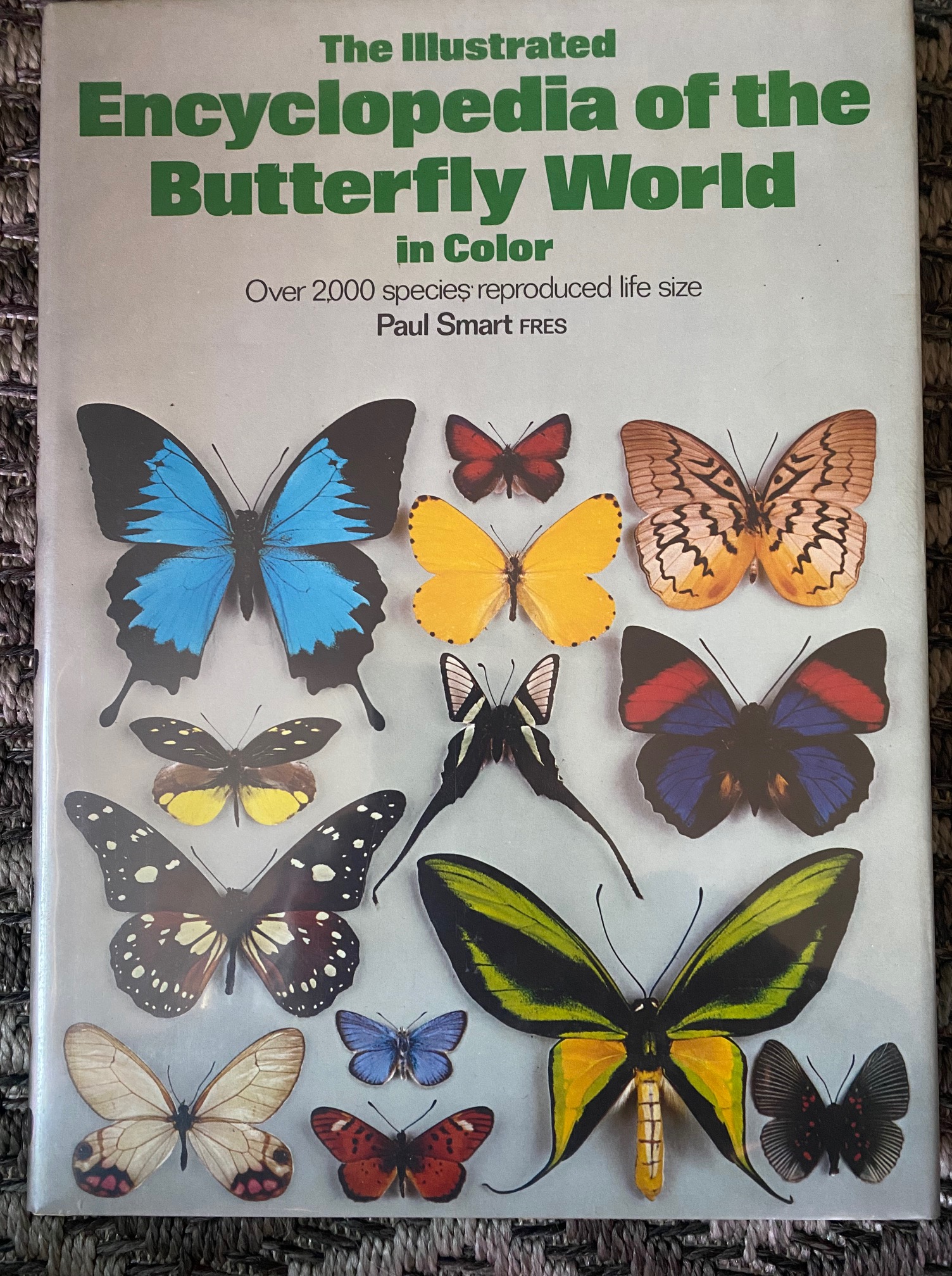
An essential field guide for butterfly enthusiasts, “Butterflies: East of the Great Plains” by Paul A. Opler and George O. Krizek is a landmark publication that has stood the test of time since its first release in 1984. This book is a true masterpiece of scientific and artistic collaboration, offering a detailed and accessible look at the diverse butterfly species found in the eastern half of North America. Its enduring popularity is a testament to its quality and the authors’ deep expertise and passion for their subject.
Continue reading A Timeless Classic: Why “Butterflies: East of the Great Plains” Still SoarsTag Archives: Lepidoptera
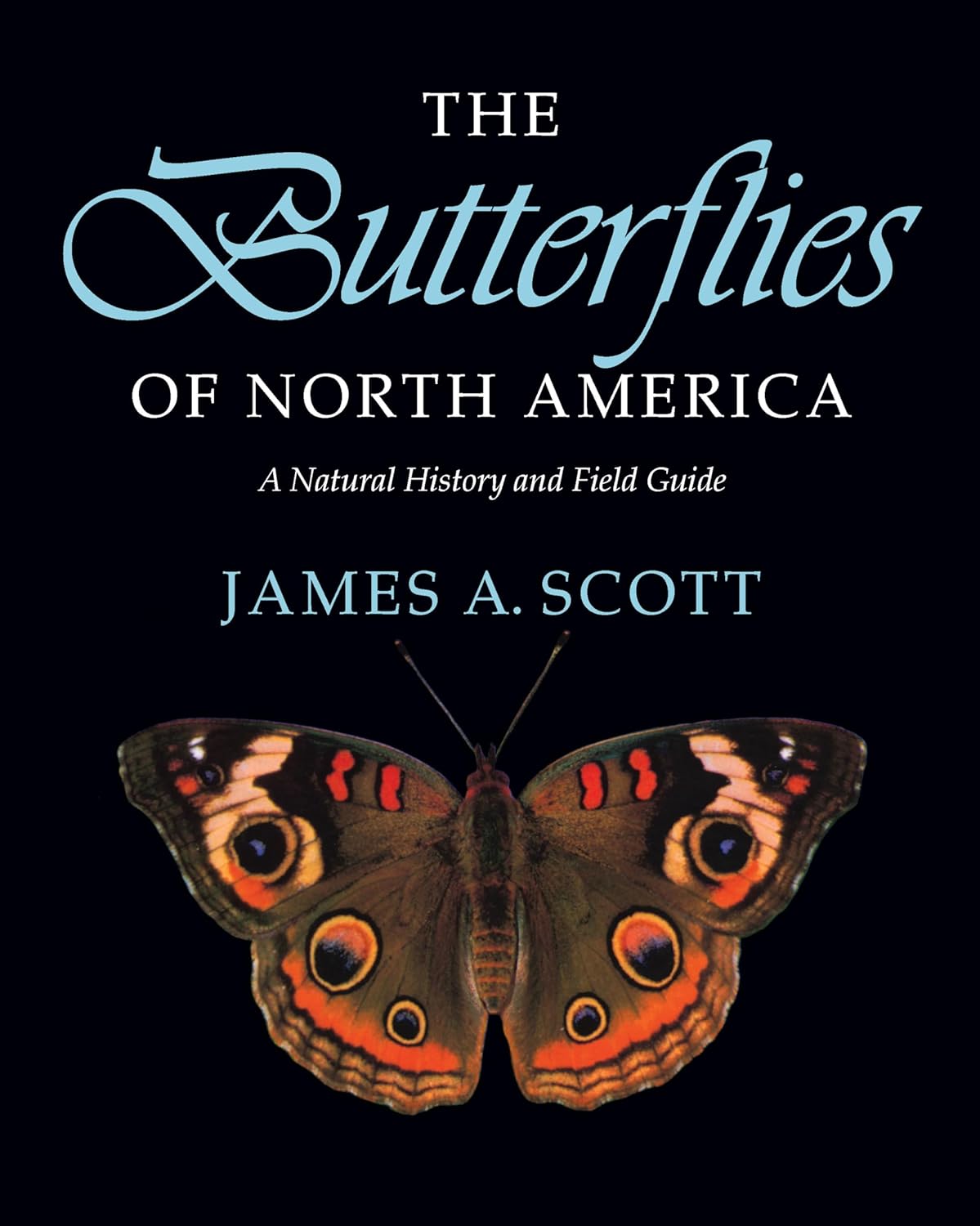
A Comprehensive Gem for Lepidopterists: A Review of “The Butterflies of North America” by James A. Scott
James A. Scott’s 1986 magnum opus, “The Butterflies of North America: A Natural History and Field Guide,” stands as an enduring testament to meticulous scholarship and passionate dedication to the world of butterflies. More than just a field guide, this monumental work is a veritable encyclopedia, offering an unparalleled blend of scientific rigor, accessible prose, and breathtaking detail that continues to captivate both seasoned lepidopterists and budding enthusiasts alike.
Continue reading A Comprehensive Gem for Lepidopterists: A Review of “The Butterflies of North America” by James A. ScottThe Enigmatic Beauty of the Diana Fritillary: A Jewel of Eastern Woodlands
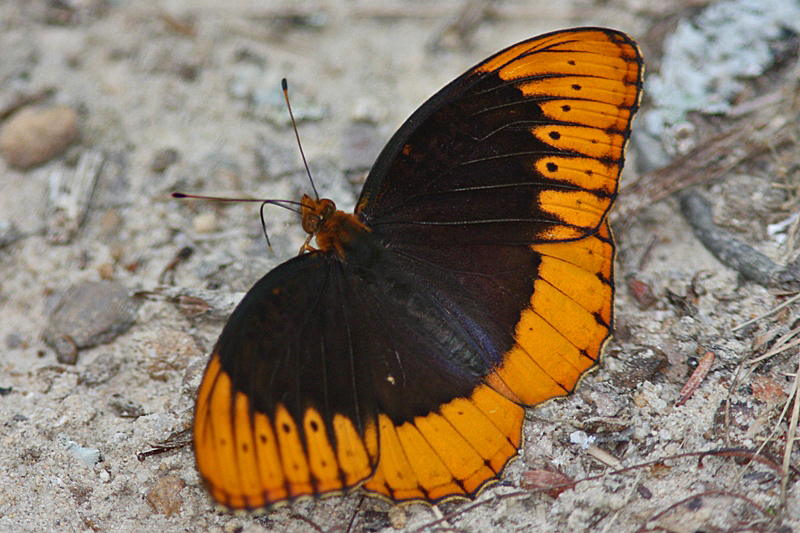
The Diana Fritillary, scientific name Speyeria diana, stands out as one of North America’s most striking and sought-after butterflies. Renowned for its dramatic sexual dimorphism, distinct habitat preferences, and fascinating life cycle, this “brush-footed butterfly” (Family Nymphalidae) is a true gem of the eastern and southern United States, captivating observers with its unique appearance and elusive nature.
Continue reading The Enigmatic Beauty of the Diana Fritillary: A Jewel of Eastern WoodlandsWinter’s Last Stand, Spring’s First Flight: The Mourning Cloak
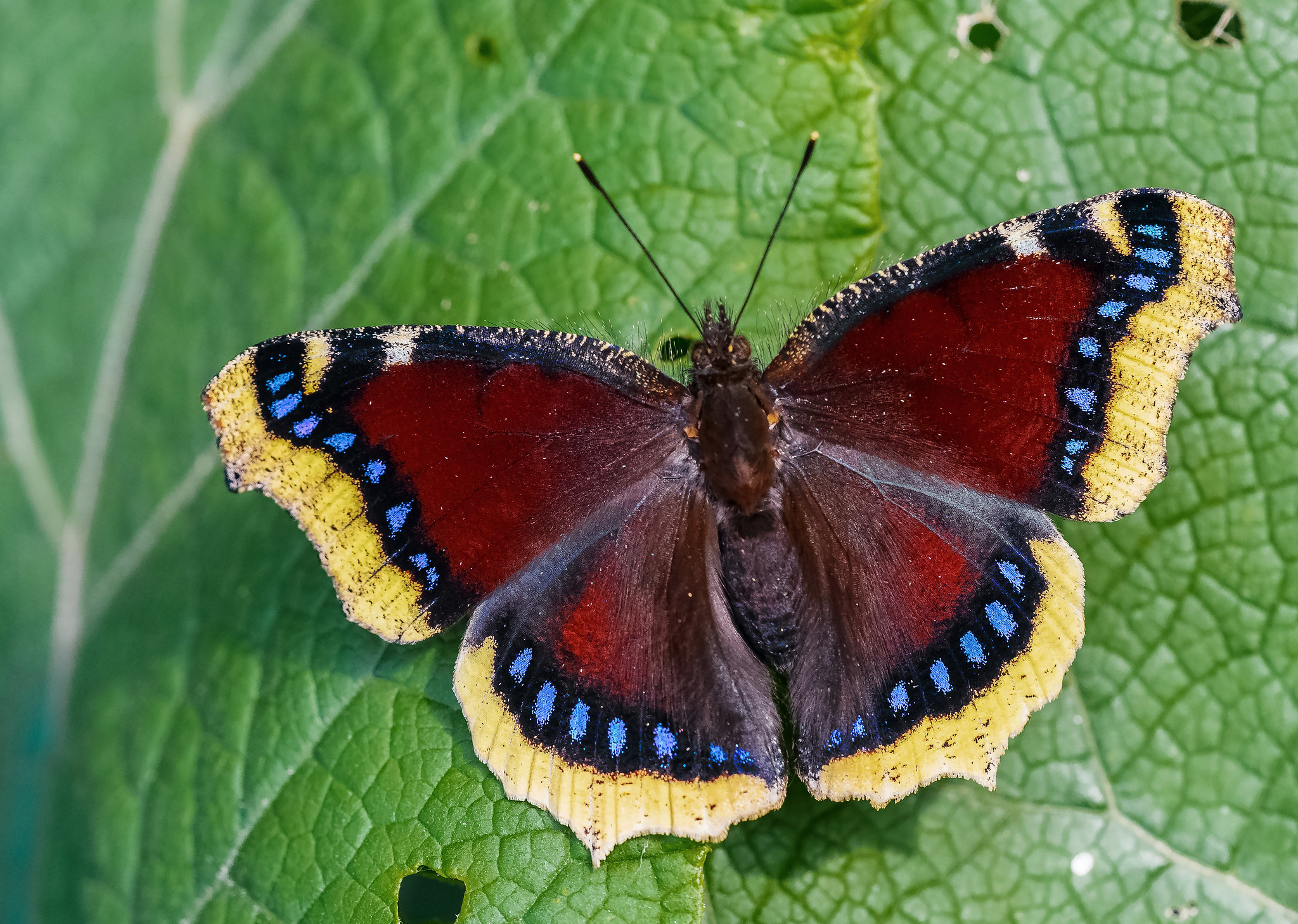
Soaring on tireless wings across continents, the mourning cloak, scientifically known as Nymphalis antiopa, is one of the longest-lived butterflies and a harbinger of spring in many temperate regions. With its distinctive velvety dark wings edged in yellow, and its remarkable ability to overwinter as an adult, this resilient and adaptable species is a truly global phenomenon, captivating observers wherever it lands.
Continue reading Winter’s Last Stand, Spring’s First Flight: The Mourning CloakThe Hackberry Emperor: A Shade-Loving Social Butterfly of North American Woodlands
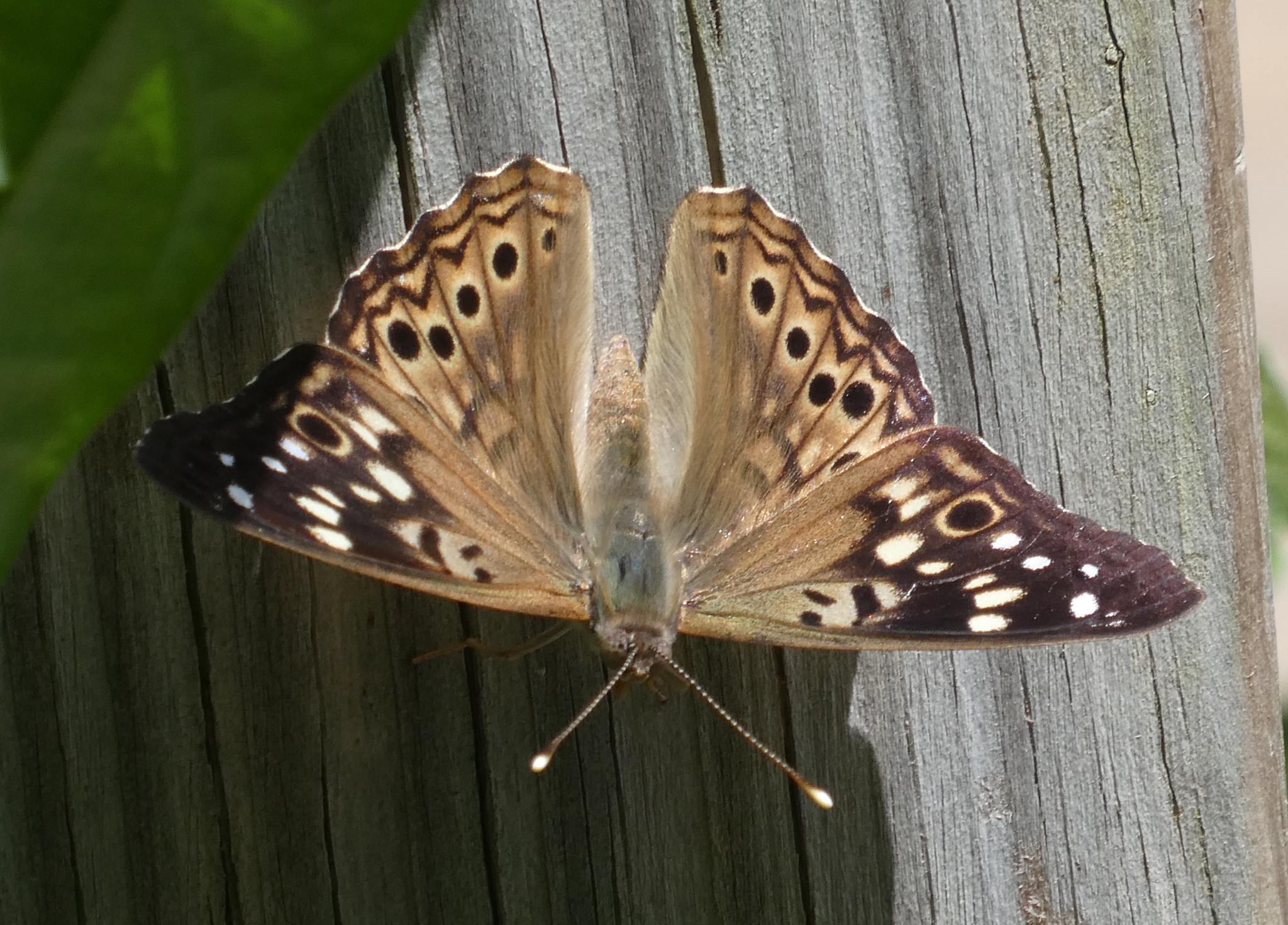
Flitting with a graceful, gliding flight amidst the canopies and understories of hackberry trees across eastern and central North America is Asterocampa celtis, commonly known as the Hackberry Emperor. This relatively drab yet intriguing butterfly is less attracted to colorful flowers and more to tree sap, rotting fruit, and even carrion, making it a unique and often approachable resident of woodlands, river bottoms, and suburban areas where its host trees thrive.
Continue reading The Hackberry Emperor: A Shade-Loving Social Butterfly of North American WoodlandsThe Global Wanderer: Unveiling Vanessa cardui, the Painted Lady
Soaring on tireless wings across continents and oceans, the painted lady, scientifically known as Vanessa cardui, is arguably the most widely distributed butterfly in the world. With its distinctive orange, black, and white patterns, and its remarkable ability to undertake epic migratory journeys, this resilient and adaptable species is a truly global phenomenon, captivating observers wherever it lands.
Continue reading The Global Wanderer: Unveiling Vanessa cardui, the Painted LadyThe Great Spangled Fritillary: A Dazzling Jewel of North American Meadows
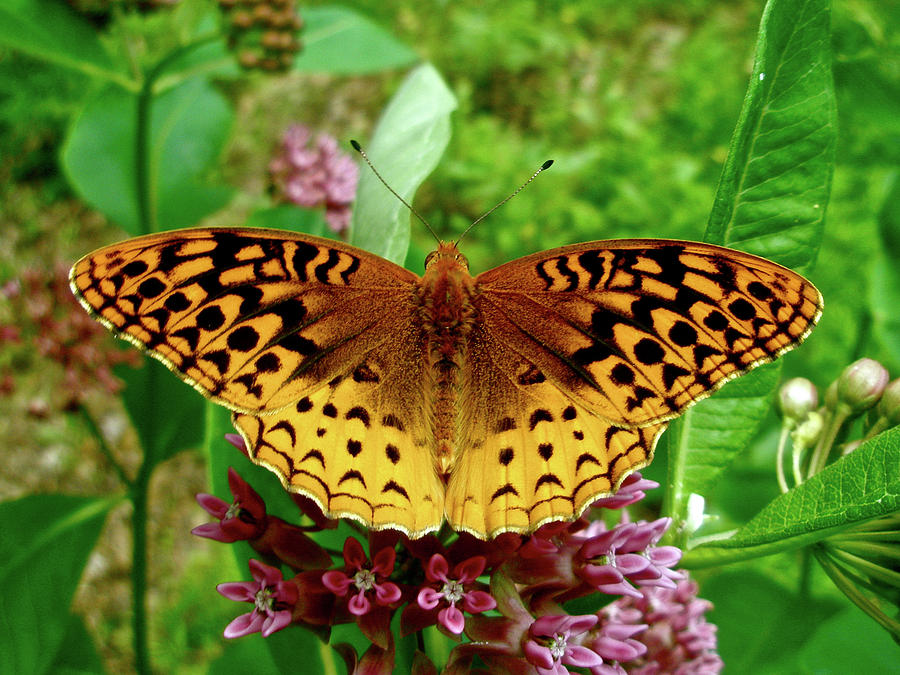
Gliding with powerful, buoyant flight through sun-drenched meadows, open woodlands, and vibrant flower gardens across much of North America is Speyeria cybele, commonly known as the Great Spangled Fritillary. This large and striking butterfly, adorned with a kaleidoscope of orange and black, and notably brilliant silver spots on its underside, is a cherished sight, embodying the beauty and vitality of its grassland and forest-edge habitats.
Continue reading The Great Spangled Fritillary: A Dazzling Jewel of North American MeadowsThe South American Mirror Moth: Unveiling Rothschildia speculifer

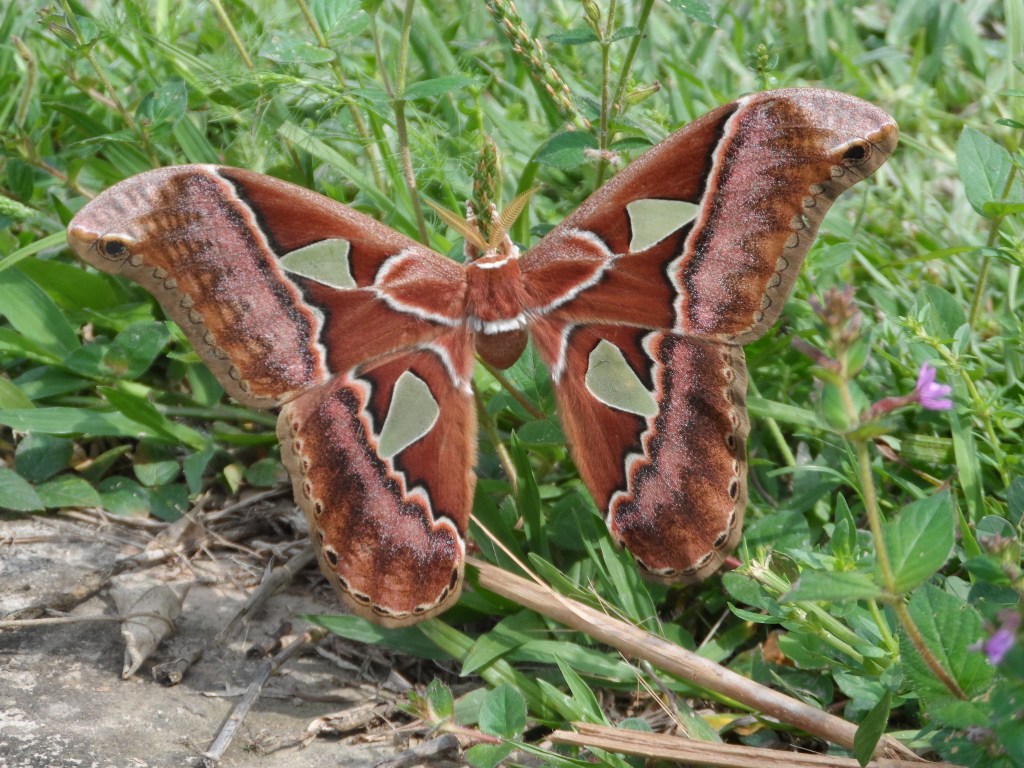
Soaring with a deliberate, fluttering flight through the tropical and subtropical forests of South America, Rothschildia speculifer (often recognized as a subspecies of Rothschildia aurota) is a magnificent giant silkmoth. As a prominent member of the Rothschildia genus, it is distinguished by its impressive size and the striking, clear, window-like patches on its wings, which lend it a unique, almost translucent beauty.
Continue reading The South American Mirror Moth: Unveiling Rothschildia speculiferThe Mythical Atlas Moth: A Giant of the Asian Tropics
From the lush, humid rainforests and subtropical woodlands of Southeast Asia emerges a creature of almost mythical proportions – Attacus atlas, universally known as the Atlas Moth. As one of the largest moths in the world, its sheer size, intricate wing patterns resembling maps, and unique life cycle centered around a brief, non-feeding adult stage, make it an awe-inspiring wonder of the insect kingdom.
Continue reading The Mythical Atlas Moth: A Giant of the Asian TropicsThe Many Faces of the Red-spotted Purple: Unveiling Limenitis arthemis
Flitting with graceful, almost regal movements through woodlands, forest edges, and along shady roadsides across much of North America is Limenitis arthemis, a butterfly renowned for its striking beauty and fascinating regional variations. This single species embodies a spectrum of appearances, showcasing a classic mimicry complex in some regions and a bold elegance in others, making it a captivating subject for butterfly enthusiasts and a testament to evolutionary adaptation.
Continue reading The Many Faces of the Red-spotted Purple: Unveiling Limenitis arthemis