Tag Archives: Insects

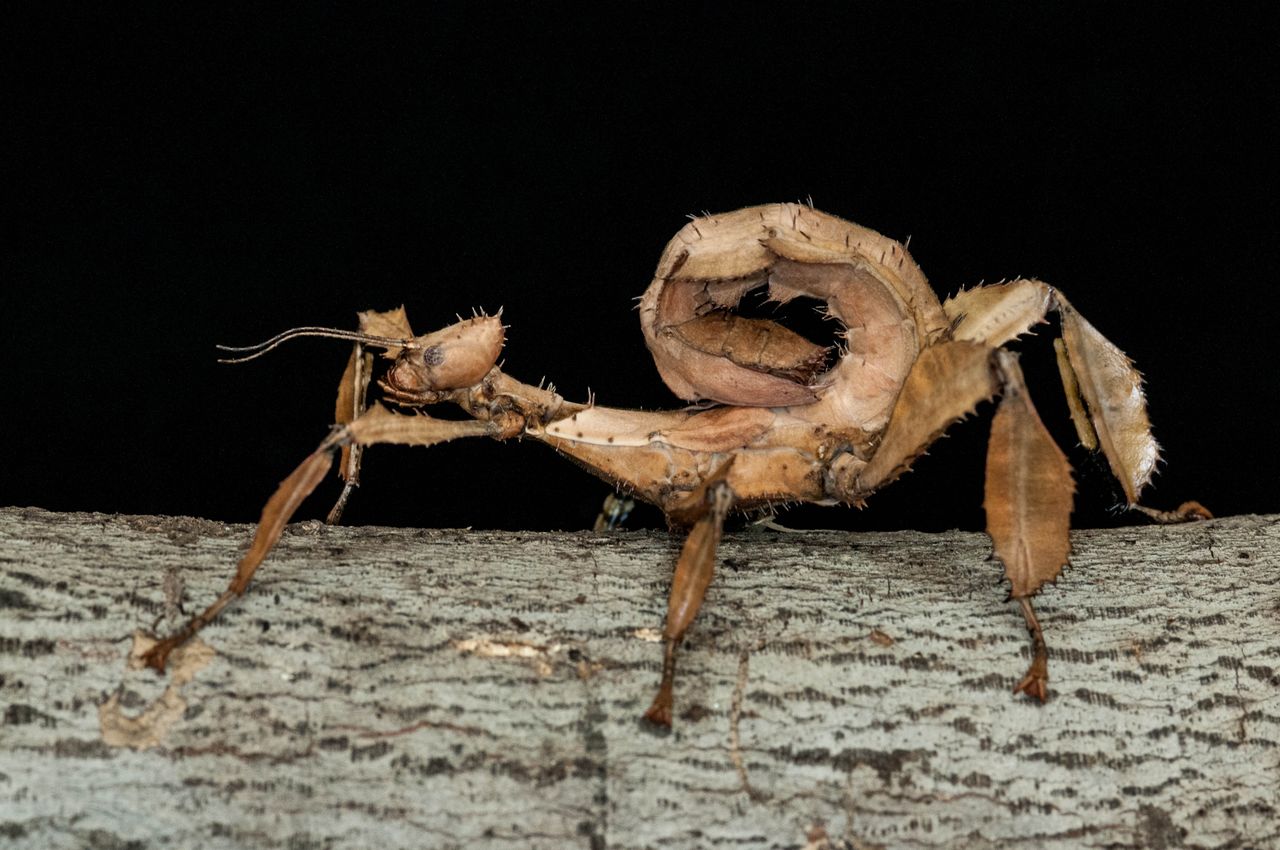
The Spiny Leaf Insect: A Masterclass in Natural Mimicry

The Extatosoma tiaratum, widely known as the Spiny Leaf Insect or Macleay’s Spectre, represents one of the most sophisticated examples of evolutionary camouflage in the animal kingdom. Originating from the diverse ecosystems of eastern Australia, ranging from tropical rainforests to temperate woodlands, this stick insect has developed a morphology that renders it nearly indistinguishable from a dried, shriveled leaf. Beyond its aesthetic appeal, it has become a favorite among entomologists and exotic pet enthusiasts due to its docile temperament and the fascinating biological processes it displays throughout its life cycle.

Continue reading The Spiny Leaf Insect: A Masterclass in Natural Mimicry

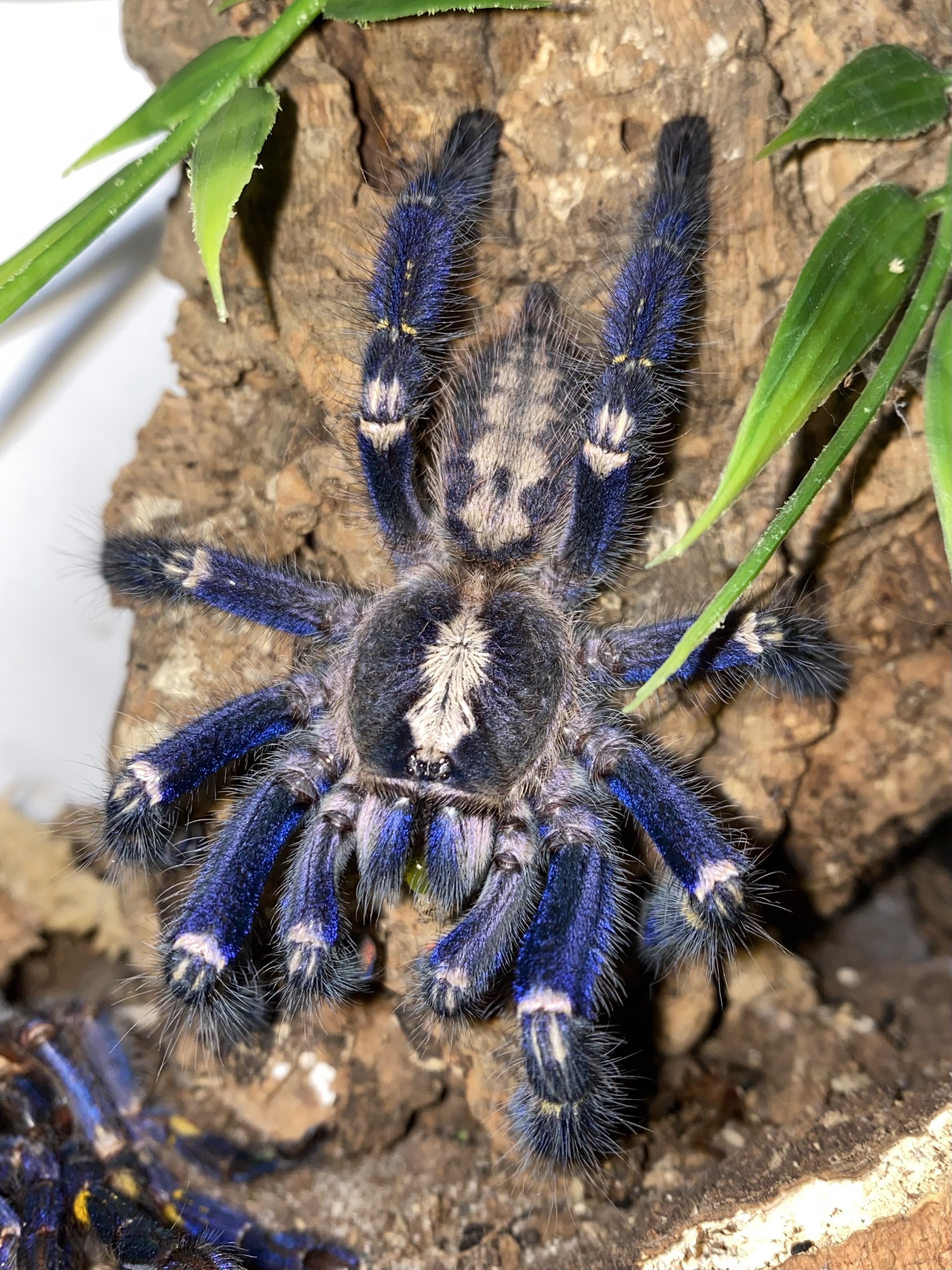
The Skeleton Tarantula: A Deep Dive into Ephebopus murinus

The Skeleton Tarantula (Ephebopus murinus) is one of the most visually striking and biologically unique arachnids in the hobby. Named for the brilliant, cream-colored markings on its knees that resemble a skeletal structure, this species is a favorite among experienced keepers.

However, beneath its “bony” exterior lies a complex predator with behaviors that defy standard tarantula classifications.

Continue reading The Skeleton Tarantula: A Deep Dive into Ephebopus murinus

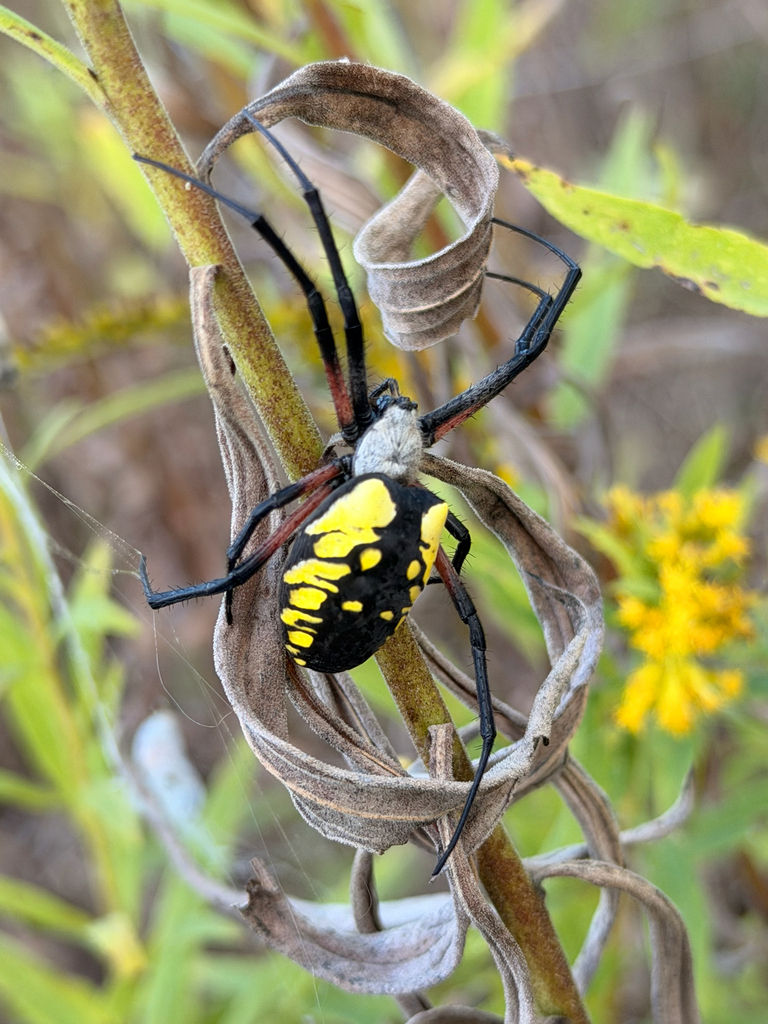
Argiope aurantia: The Striking “Black and Yellow Garden Spider” of North America

From the temperate gardens, meadows, and open woodlands across North America comes Argiope aurantia, popularly known as the Black and Yellow Garden Spider, Writing Spider, or Corn Spider. This visually stunning orb-weaver is celebrated for its dramatic, bright coloration, impressive size, and the creation of one of the most distinctive and intricate spider webs in the animal kingdom, complete with a prominent zigzag pattern.

Continue reading Argiope aurantia: The Striking “Black and Yellow Garden Spider” of North America

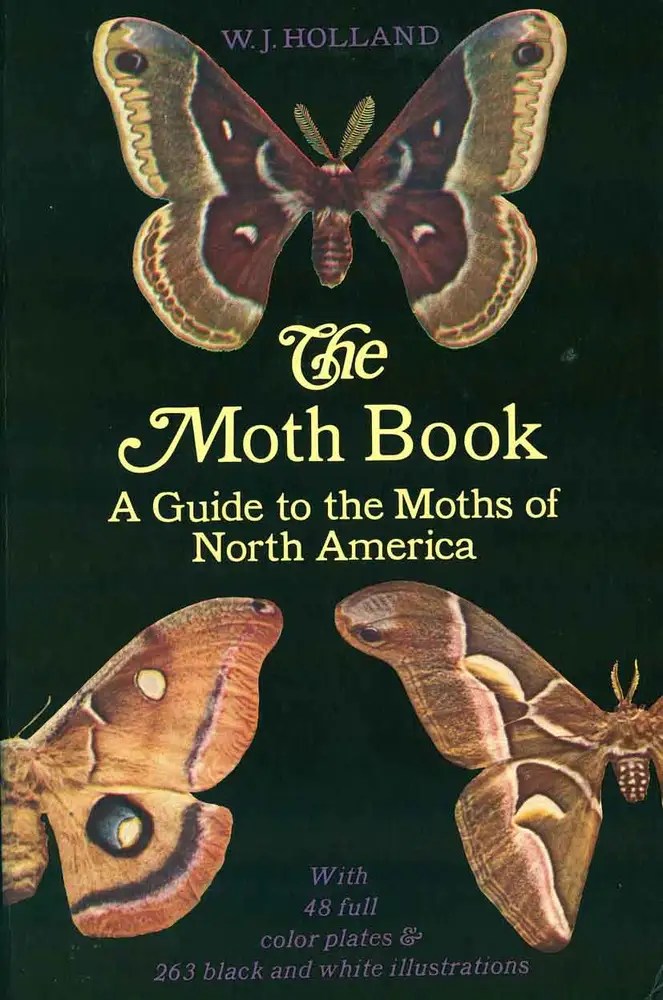
The Moth Book: A Timeless Classic of Natural History

The Moth Book by W.J. Holland, first published in 1903, remains a remarkable and foundational work in the study of North American moths. While many scientific texts from that era have become obsolete, Holland’s masterpiece endures as a testament to his passion for the subject and his skill as both a scientist and a writer. It’s a book that masterfully combines scientific rigor with an accessible, engaging style, making it a true classic for both professional entomologists and amateur naturalists alike.

Continue reading The Moth Book: A Timeless Classic of Natural History

Heteropteryx dilatata: The Massive “Jungle Nymph” of Southeast Asia

From the dense, humid rainforests of the Malay Peninsula and surrounding islands of Southeast Asia comes Heteropteryx dilatata, popularly known as the Jungle Nymph, Malayan Jungle Nymph, or Giant Malaysian Stick Insect. This monumental stick insect is revered for its incredible size, striking appearance, and remarkable camouflage, making it one of the largest and most sought-after species in the entomology hobby.

Continue reading Heteropteryx dilatata: The Massive “Jungle Nymph” of Southeast Asia

Dragonflies & Damselflies: A Natural History – A Winged Window into a Hidden World

In the world of natural history books, some inform, while others transport. Dennis Paulson’s “Dragonflies & Damselflies: A Natural History” firmly belongs in the latter category. This isn’t merely a field guide; it’s a profound and beautifully rendered tribute to some of the planet’s most ancient and captivating insects. Paulson, a renowned authority on the subject, has crafted a work that is as rich in scientific detail as it is in a palpable sense of wonder.

Continue reading Dragonflies & Damselflies: A Natural History – A Winged Window into a Hidden World

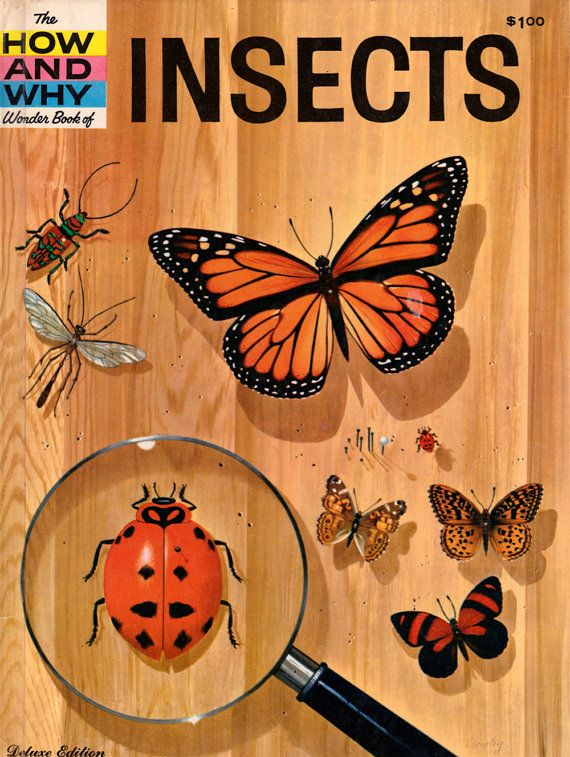
A Timeless Look at Tiny Wonders: The Enduring Charm of The How and Why Wonder Book of Insects

A wonderful exploration of the insect world, the 1960 book “The How and Why Wonder Book of Insects” by Ronald N. Rood remains a standout example of educational children’s literature. Part of a larger series designed to ignite curiosity in young minds, Rood’s work is a testament to the power of making science accessible, engaging, and utterly fascinating. The book succeeds by avoiding dry, academic language in favor of a vibrant, conversational tone that invites readers to see insects not as creepy-crawlies, but as tiny, sophisticated marvels of nature.

Continue reading A Timeless Look at Tiny Wonders: The Enduring Charm of The How and Why Wonder Book of Insects

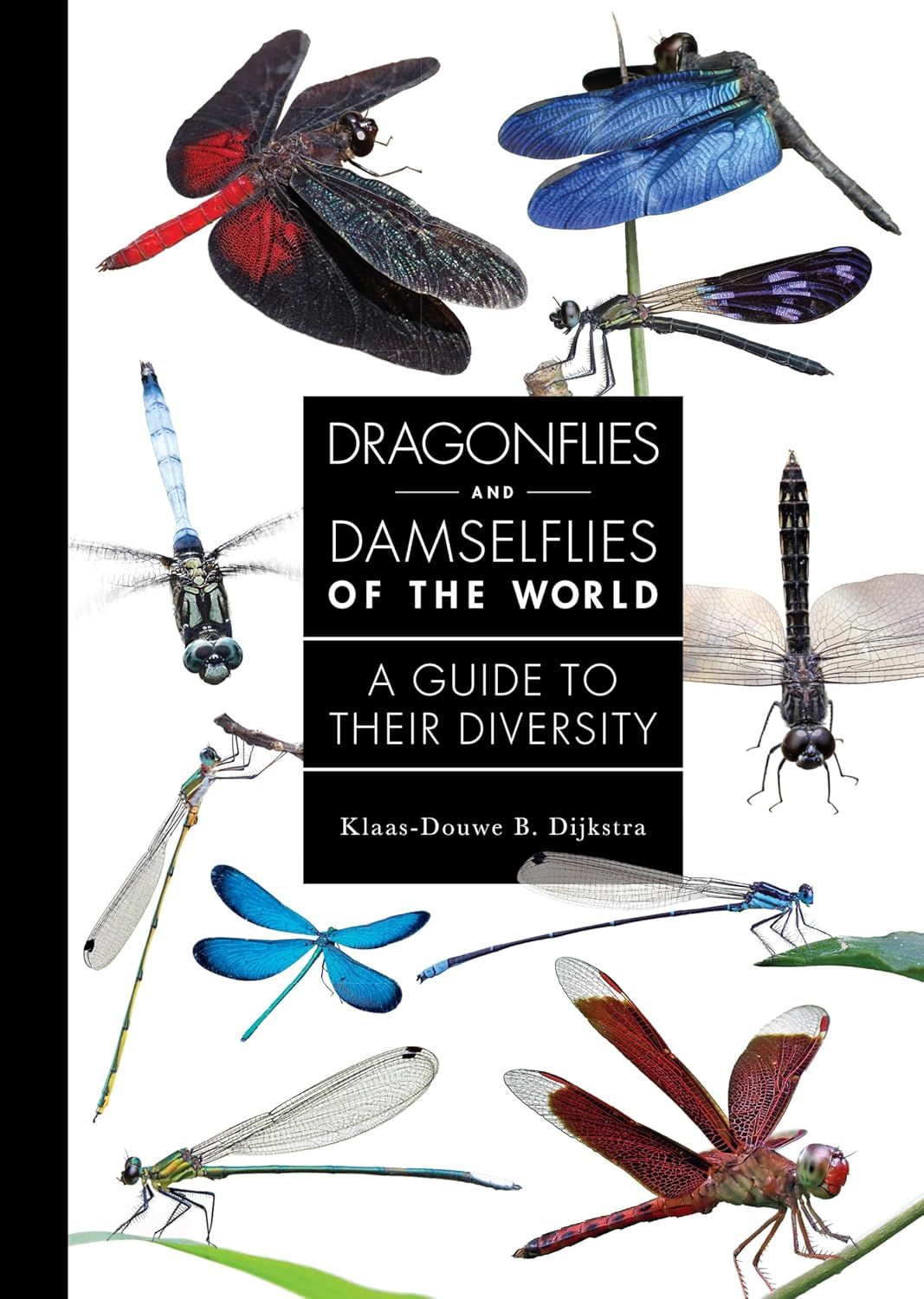
Dragonflies and Damselflies of the World: A Guide to Their Diversity – A Breathtaking Journey into the Odonata Kingdom

In the vast and intricate world of entomology, few groups of insects captivate the imagination quite like the Odonata—the dragonflies and damselflies. These ancient, winged wonders, with their iridescent colors, acrobatic flight, and predatory prowess, have fascinated humans for centuries. Yet, a truly comprehensive and globally-minded guide to their incredible diversity has been a long-awaited treasure for enthusiasts, researchers, and nature lovers alike. With the publication of “Dragonflies and Damselflies of the World: A Guide to Their Diversity” by Klaas-Douwe B. Dijkstra, that treasure has finally arrived.

Continue reading Dragonflies and Damselflies of the World: A Guide to Their Diversity – A Breathtaking Journey into the Odonata Kingdom

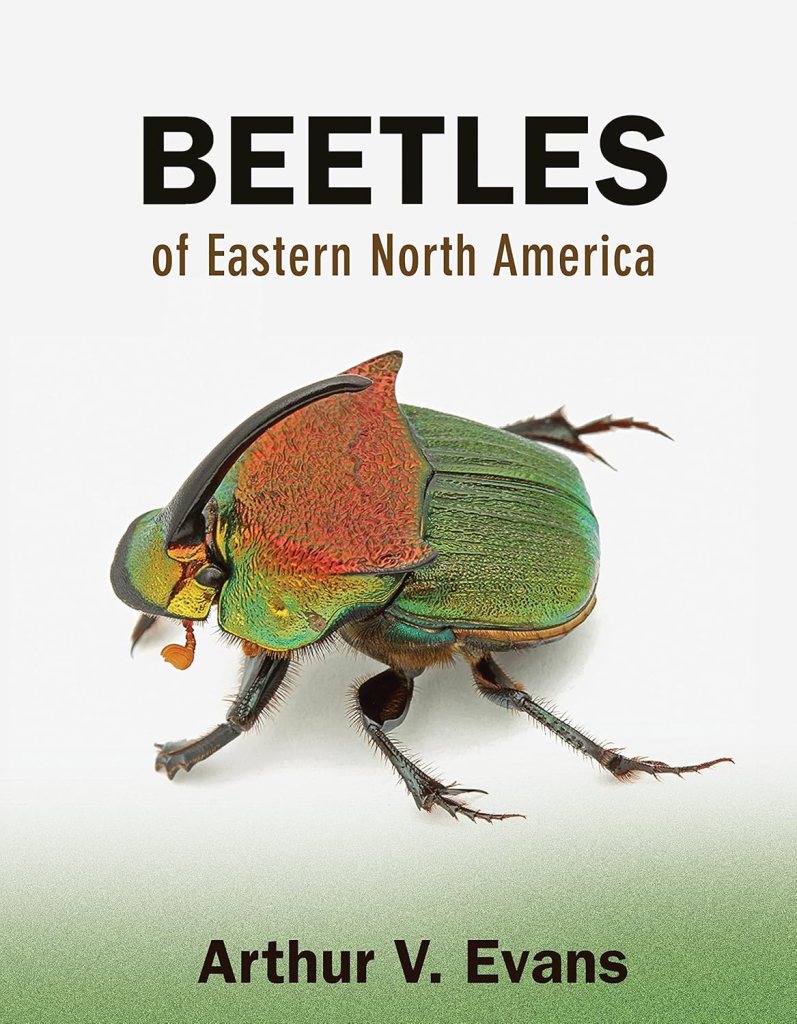
A Must-Have for Beetle Enthusiasts: A Review of Beetles of Eastern North America by Arthur V. Evans

Arthur V. Evans’s Beetles of Eastern North America is an absolute triumph, a meticulously crafted and indispensable guide that will delight both seasoned entomologists and burgeoning naturalists alike. This book isn’t just a field guide; it’s a comprehensive and engaging journey into the diverse and fascinating world of beetles found east of the Mississippi River.

Continue reading A Must-Have for Beetle Enthusiasts: A Review of Beetles of Eastern North America by Arthur V. Evans

The Elusive Compton Tortoiseshell: A Harbinger of Spring and Autumn

Soaring with powerful, rapid flights through the boreal and temperate forests of the Northern Hemisphere, Nymphalis vaualbum, commonly known as the Compton Tortoiseshell, is a striking and often elusive butterfly. Renowned for its jagged wing margins, mottled camouflage, and its unique life cycle that involves both summer aestivation and winter hibernation, this species is a fascinating example of adaptation to fluctuating seasonal conditions.

Continue reading The Elusive Compton Tortoiseshell: A Harbinger of Spring and Autumn