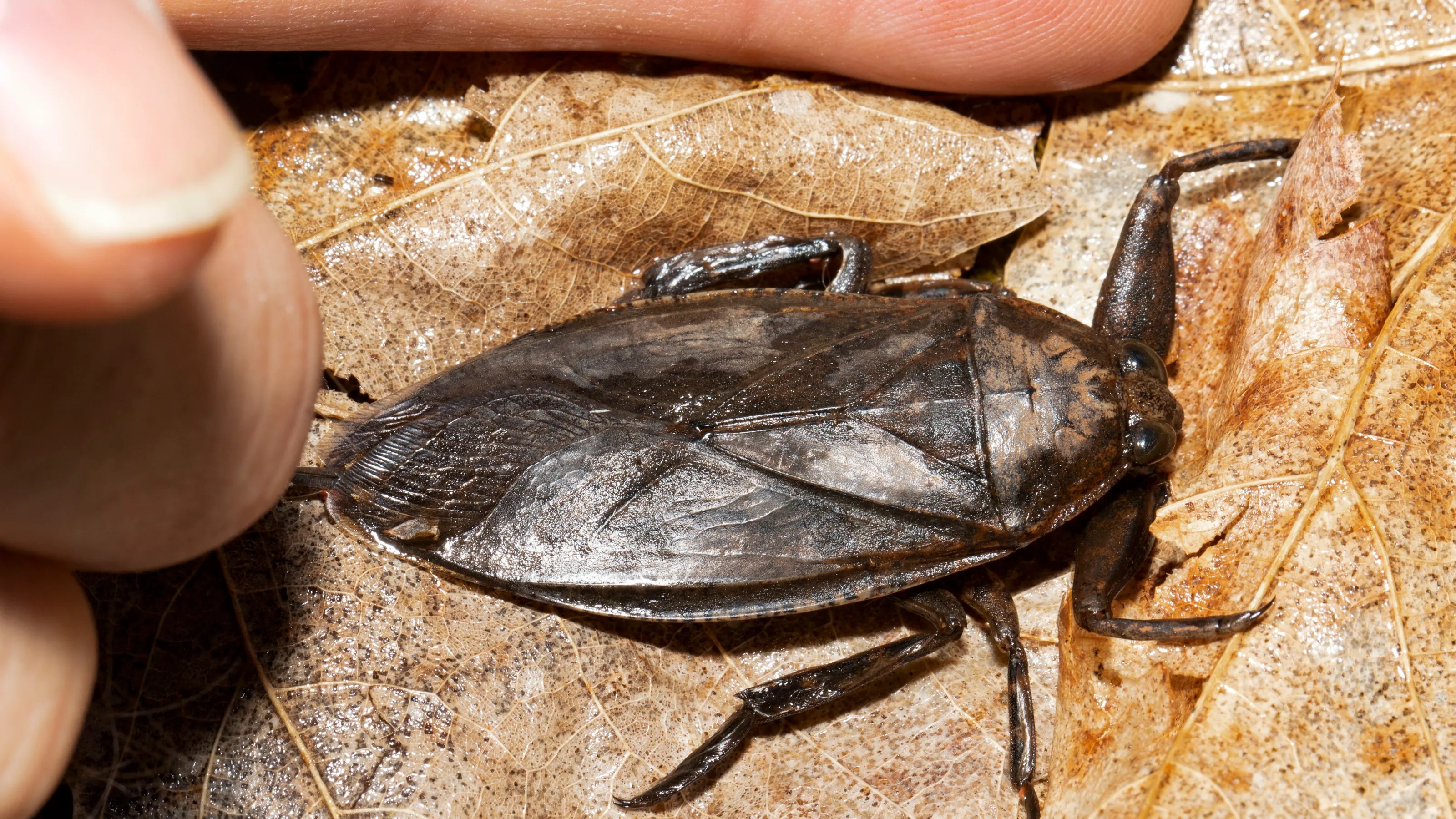
Often feared and respected for its powerful bite, the giant water bug, scientifically known as Lethocerus americanus, is a formidable insect predator of North American wetlands. With its large, flat, brownish body, a fearsome grasping foreleg, and its ability to inflict a painful bite, this aquatic hunter is a master of ambush and a crucial part of its ecosystem. Known by many common names, including “toe-biter” and “electric-light bug,” its presence is a testament to the raw power of nature found just below the water’s surface.
Continue reading Lethocerus americanus: The Voracious Giant Water BugTag Archives: insect
Anax junius: The Powerful Green Darner Dragonfly
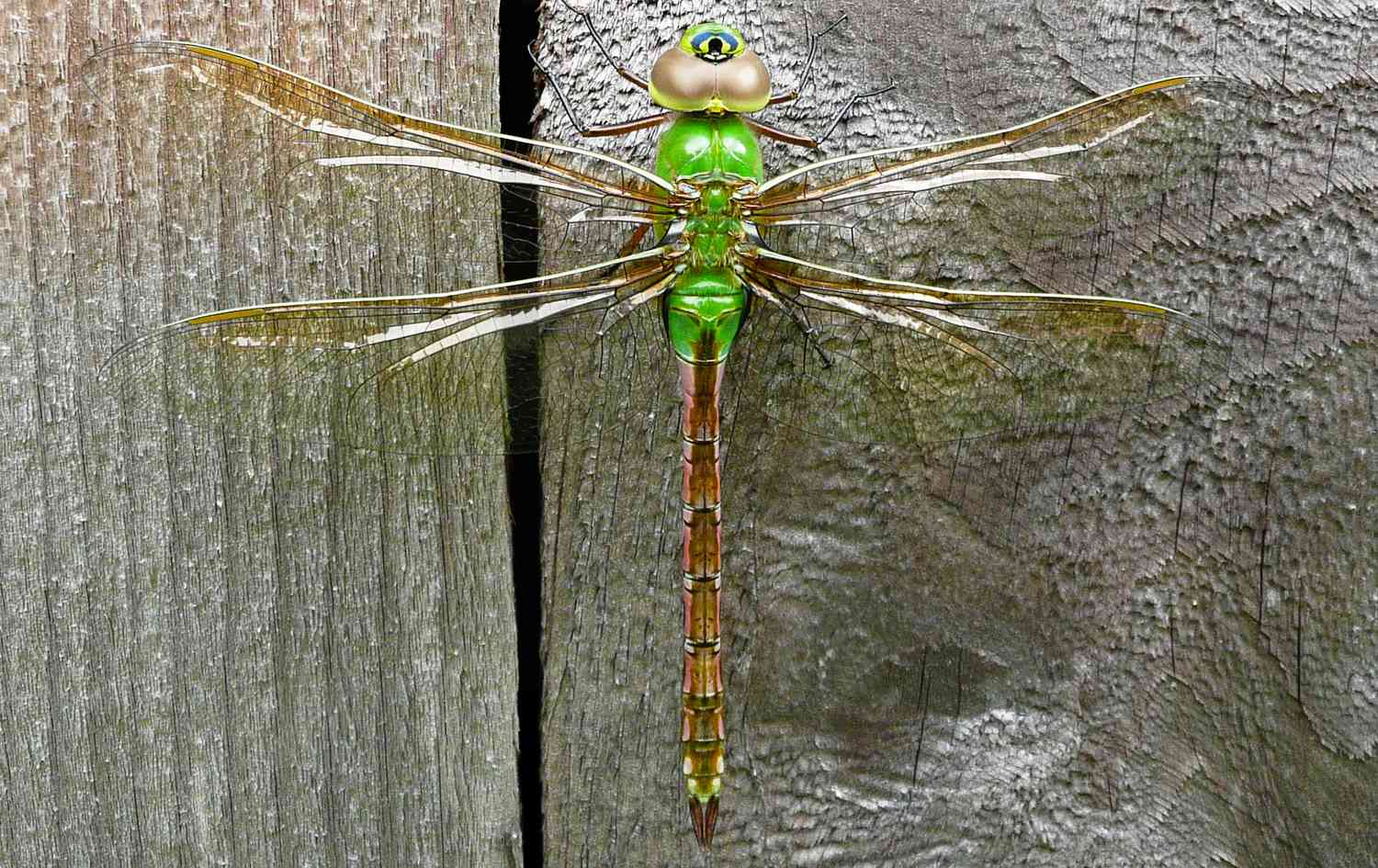
Soaring on powerful, iridescent wings across continents, the common green darner, scientifically known as Anax junius, is one of the largest and most widely recognized dragonflies in North America. With its brilliant green and blue body, clear wings, and remarkable migratory abilities, this top aerial predator is a truly global phenomenon, captivating observers wherever it lands. Its name, “darner,” refers to its long, needle-like abdomen, reminiscent of a darning needle, while its scientific name, Anax, is Greek for “king” or “lord,” a fitting title for such a magnificent insect.
Continue reading Anax junius: The Powerful Green Darner DragonflyThe Eastern Dobsonfly: A Fearsome Jawed Predator of Aquatic Realms
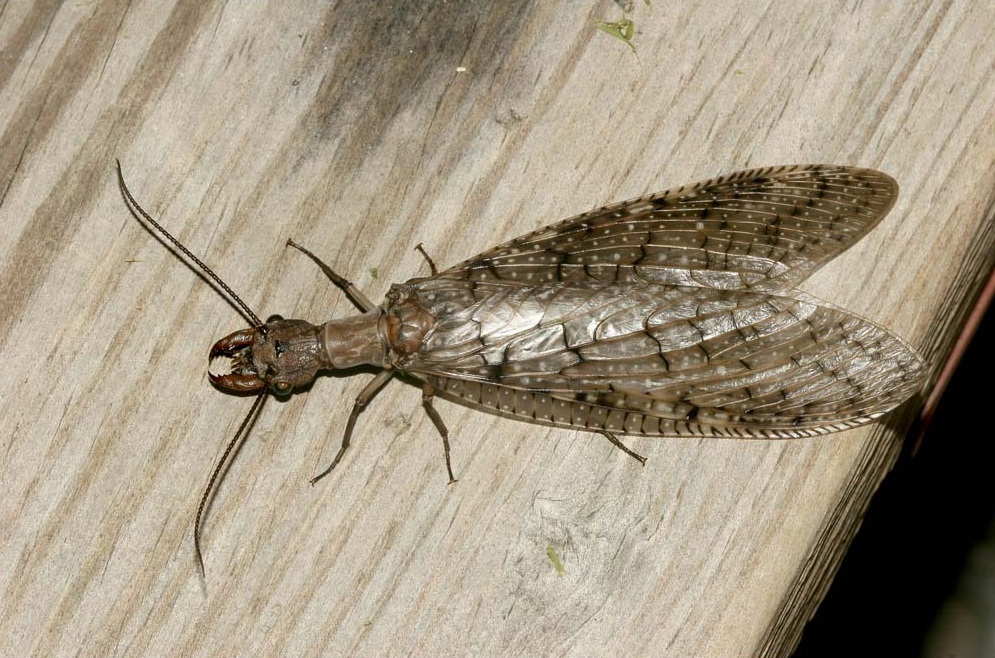
From the clear, oxygen-rich waters of streams and rivers across eastern North America emerges a truly formidable insect – Corydalus cornutus, commonly known as the Eastern Dobsonfly. While the adult is a short-lived, somewhat clumsy giant of the night, its larval form, the “hellgrammite,” is a fearsome aquatic predator whose intimidating appearance and powerful mandibles make it a legendary inhabitant of freshwater ecosystems and a prized bait among anglers.
Continue reading The Eastern Dobsonfly: A Fearsome Jawed Predator of Aquatic RealmsSO HOW DO TARANTULAS GROW?
Tarantulas, like all arachnids and insects, must shed their skin, or molt, to grow. This is because they have an exoskeleton. Since this exoskeleton is hard, the only way these invertebrates can grow is by breaking through their old skin, revealing the pliable new skin underneath. Once the shed is complete, the new and larger skin is then allowed to dry. What I present for you here is a pictorial guide to one of the world’s largest species of tarantulas, the Brazilian Salmon Pink Bird-eating Spider (Lasiodora parahybana), named for the beautiful pink hairs on this massive spider’s abdomen.
After making a bed of silk, the spider turns onto its back to start the molting process.