
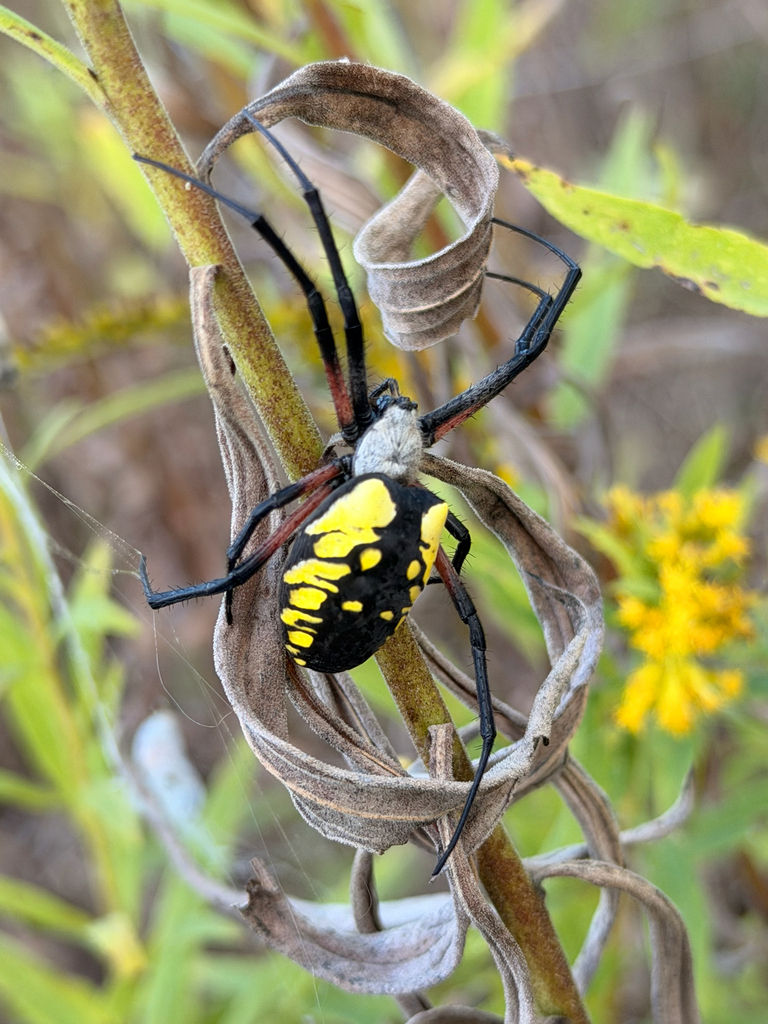
From the temperate gardens, meadows, and open woodlands across North America comes Argiope aurantia, popularly known as the Black and Yellow Garden Spider, Writing Spider, or Corn Spider. This visually stunning orb-weaver is celebrated for its dramatic, bright coloration, impressive size, and the creation of one of the most distinctive and intricate spider webs in the animal kingdom, complete with a prominent zigzag pattern.
Continue reading Argiope aurantia: The Striking “Black and Yellow Garden Spider” of North AmericaTag Archives: arachnid
Pamphobeteus nigricolor: The Magnificent “Giant Blue Bloom Tarantula”
From the lush, cloud-kissed mountains and humid rainforests of South America, primarily in Peru and Ecuador, comes Pamphobeteus nigricolor, popularly known as the Giant Blue Bloom Tarantula. This impressive terrestrial tarantula is highly sought after by collectors for its monumental size, robust build, and the stunning sexual dimorphism where males display a breathtaking iridescent purple and blue coloration.
Continue reading Pamphobeteus nigricolor: The Magnificent “Giant Blue Bloom Tarantula”
Hysterocrates gigas: The Gigantic “Cameroon Red Baboon Tarantula” of Africa
From the dense, humid forests of Cameroon, West Africa, emerges Hysterocrates gigas, popularly known as the Cameroon Red Baboon Tarantula. This impressive terrestrial tarantula is renowned for its sheer size, powerful build, and striking, often reddish-brown coloration, making it one of the most formidable and sought-after species among tarantula enthusiasts.
Continue reading Hysterocrates gigas: The Gigantic “Cameroon Red Baboon Tarantula” of AfricaBeyond the Red Knee: Discovering the True Flame of Mexico’s Tarantulas
The Mexican Flame Knee Tarantula, Brachypelma auratum, is a visually striking species of New World terrestrial tarantula known for its vibrant black coloration accented by fiery red-orange markings on its patellae (knees). Its history is intertwined with the broader understanding and classification of the Brachypelma genus, particularly its close resemblance to the well-known Mexican Red Knee tarantula, Brachypelma hamorii (formerly often referred to as Brachypelma smithi).
Continue reading Beyond the Red Knee: Discovering the True Flame of Mexico’s Tarantulas


