Tag Archives: Antheraea polyphemus

The Thrill of the Hunt: Finding Moth Cocoons in the Wild

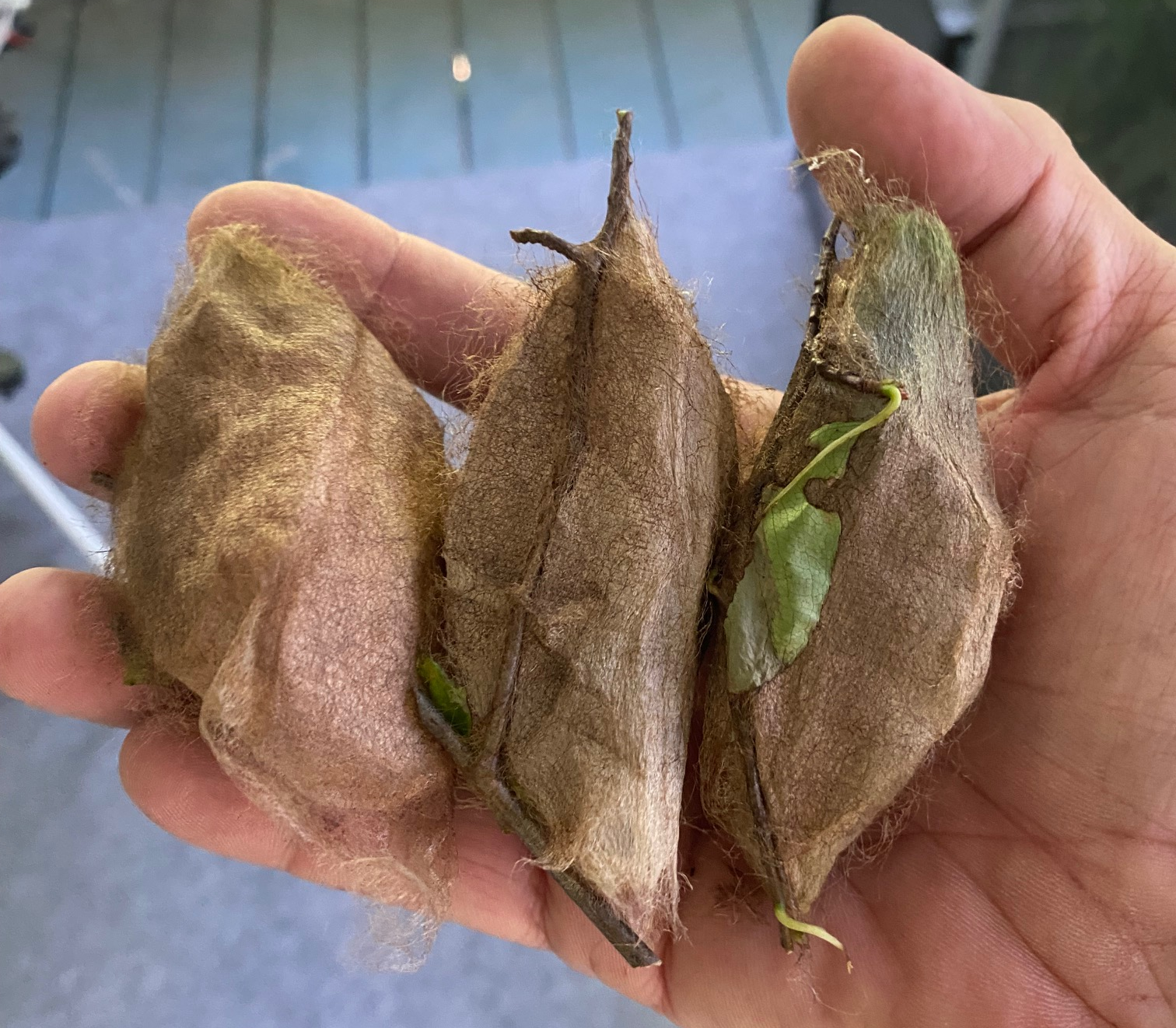
For anyone who raises butterflies and moths, having your caterpillars form pupae is a huge undertaking. You spend weeks feeding these hungry mouths, and though you may be doing so in protected environments, the risk of failure remains. Stink bugs, yellow jackets, skunks, and raccoons are always hungry for your babies, and at times, no matter how hard you try, they still seem to find what you are working so hard to protect. There is an excitement that is unequaled when your caterpillars finally form their chrysalis or cocoon. With all of these odds against you in captivity, what chance do they have in the wild?

Continue reading The Thrill of the Hunt: Finding Moth Cocoons in the Wild

The Enchanting Polyphemus Moth: A Giant Silkmoth with Windowed Wings

Floating through the twilight of deciduous woodlands across North America is the breathtaking Polyphemus moth, scientifically known as Antheraea polyphemus. This magnificent giant silkmoth, named after the cyclops Polyphemus from Greek mythology due to the striking eyespot on each of its hindwings, captivates observers with its large size, delicate coloration, and the ethereal transparency of its wing windows.

Continue reading The Enchanting Polyphemus Moth: A Giant Silkmoth with Windowed Wings

LARVAL FOODPLANTS OF SATURNIID MOTHS OF THE EASTERN UNITED STATES

Raising Lepidoptera has been a hobby that I have enjoyed ever since I was a kid. Though raising butterflies has always been fun, it is raising the giant silkmoths, family Saturniidae, that has been my favorite aspect of rearing. Thankfully I live in an area that includes a great representation of these amazing moths, even though their wild populations do seem to be dwindling with each passing year. What I present to you is a list of the most commonly used caterpillar foodplants for these moths representing nine species. This list is in no way meant to be complete and only through experimentation can new plants be added to this ever-growing list.

Continue reading LARVAL FOODPLANTS OF SATURNIID MOTHS OF THE EASTERN UNITED STATES

When It Comes to Giant Silk Moths, What Can You Find in Rhode Island?

When it comes to moths, there are none as spectacular as the giant silk moths, from the family Saturniidae. Despite Rhode Island being such a small state, we actually have five species common to this area. How many have you seen?

Continue reading When It Comes to Giant Silk Moths, What Can You Find in Rhode Island?

CASE STUDY: Saturniidae Moth Populations in Richmond, Rhode Island Part 3

This is going to be a quick entry in this case study. As of this writing on June 27, 2021, all but a few cocoons have hatched. I have a small assortment still of cecropia, polyphemus and luna. Initially I felt that this case study was a failure about after giving it some thought, I realized that I know a lot more now than I did at the start, which should help tremendously going into 2022.

Continue reading CASE STUDY: Saturniidae Moth Populations in Richmond, Rhode Island Part 3

CASE STUDY: Saturniidae Moth Populations in Richmond, Rhode Island Part 2

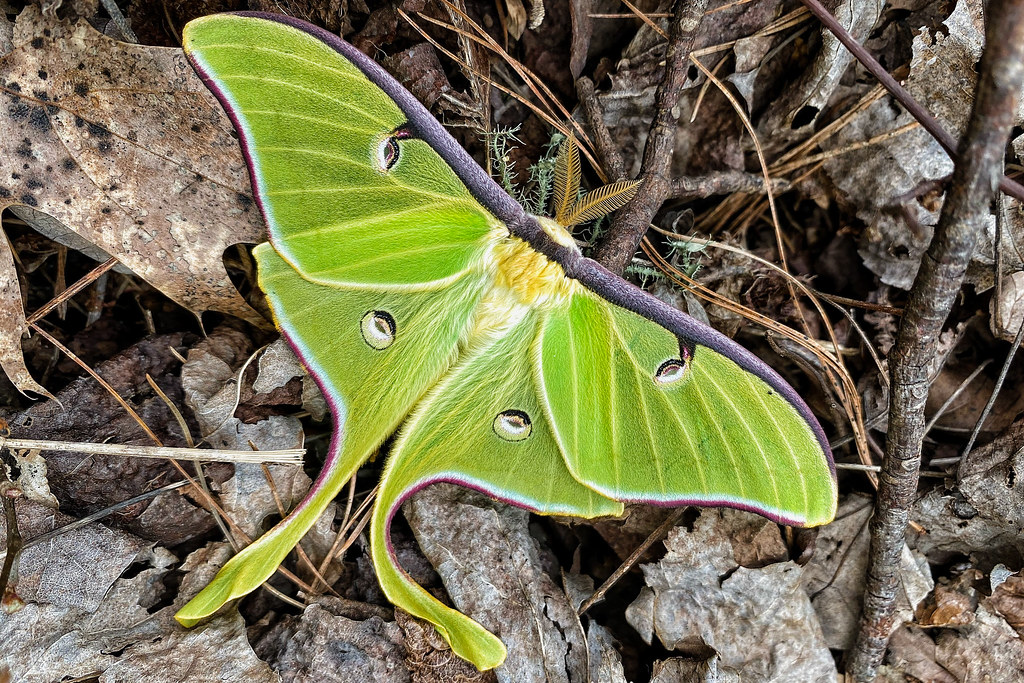
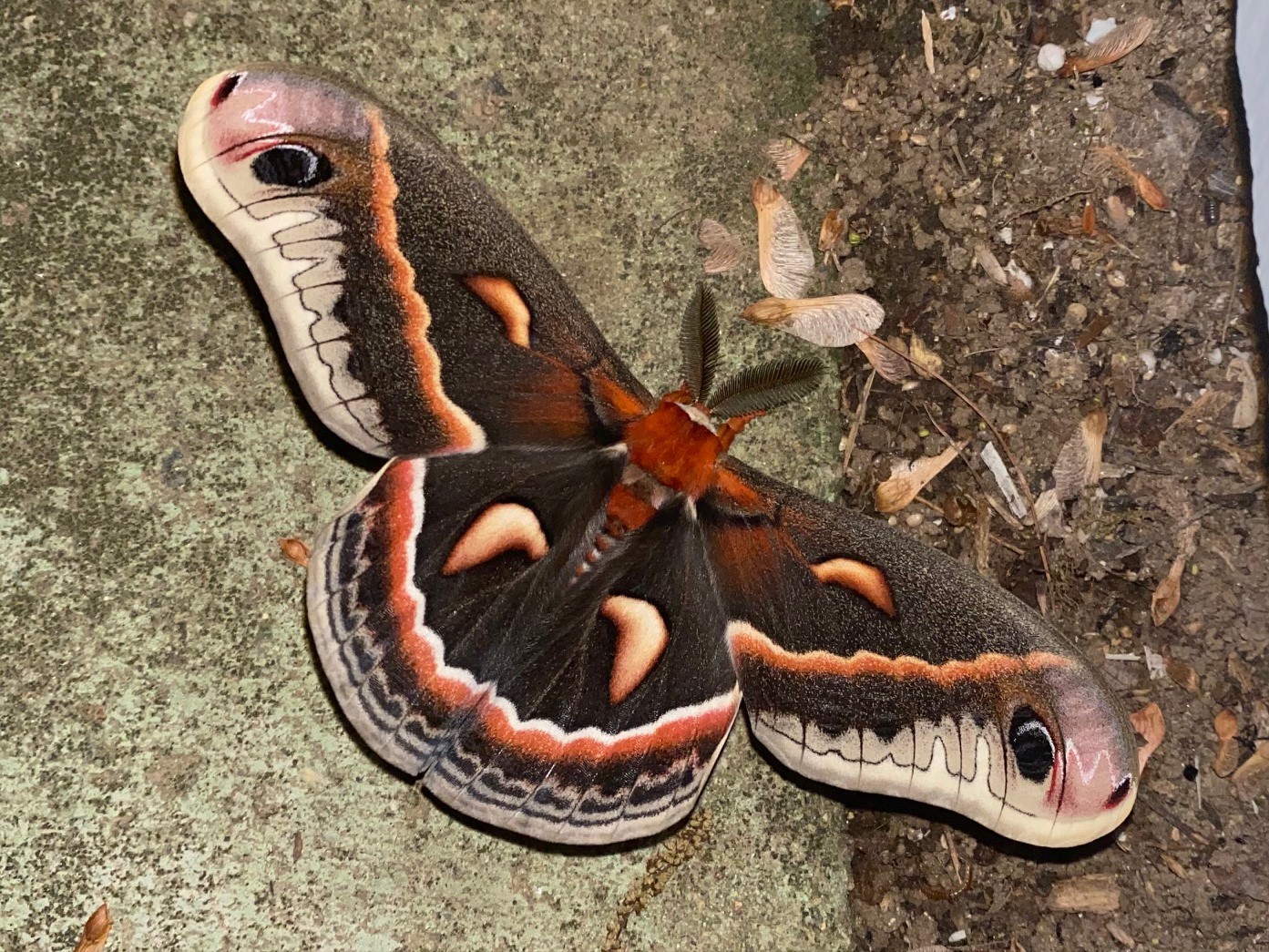
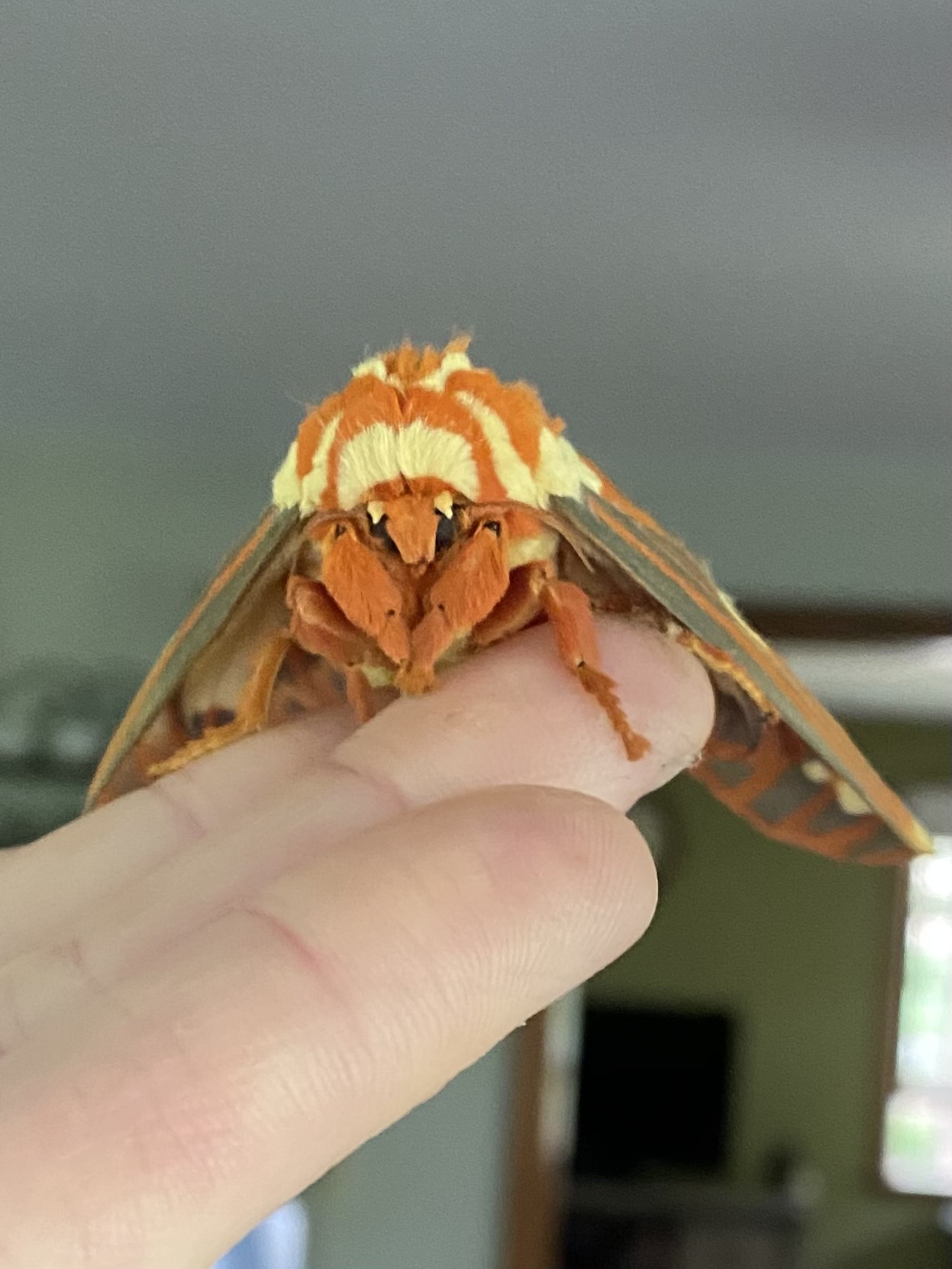
Cocoons and pupae I was able to obtain prior to this study were Actias luna, Hyalophora cecropia, Antheraea polyphemus, Samia cynthia and Citheronia regalis. On the last two species, I did not have high hopes of drawing in males attracted to hatched gravid females, but thought that perhaps, living so close to Connecticut, that I may be pleasantly surprised.

Citheronia regalis.
Continue reading CASE STUDY: Saturniidae Moth Populations in Richmond, Rhode Island Part 2

PROJECT SUMMER NIGHT LIGHT: Night-time Insects to Ooooh and Aaaah At!

page1

IMG_6524
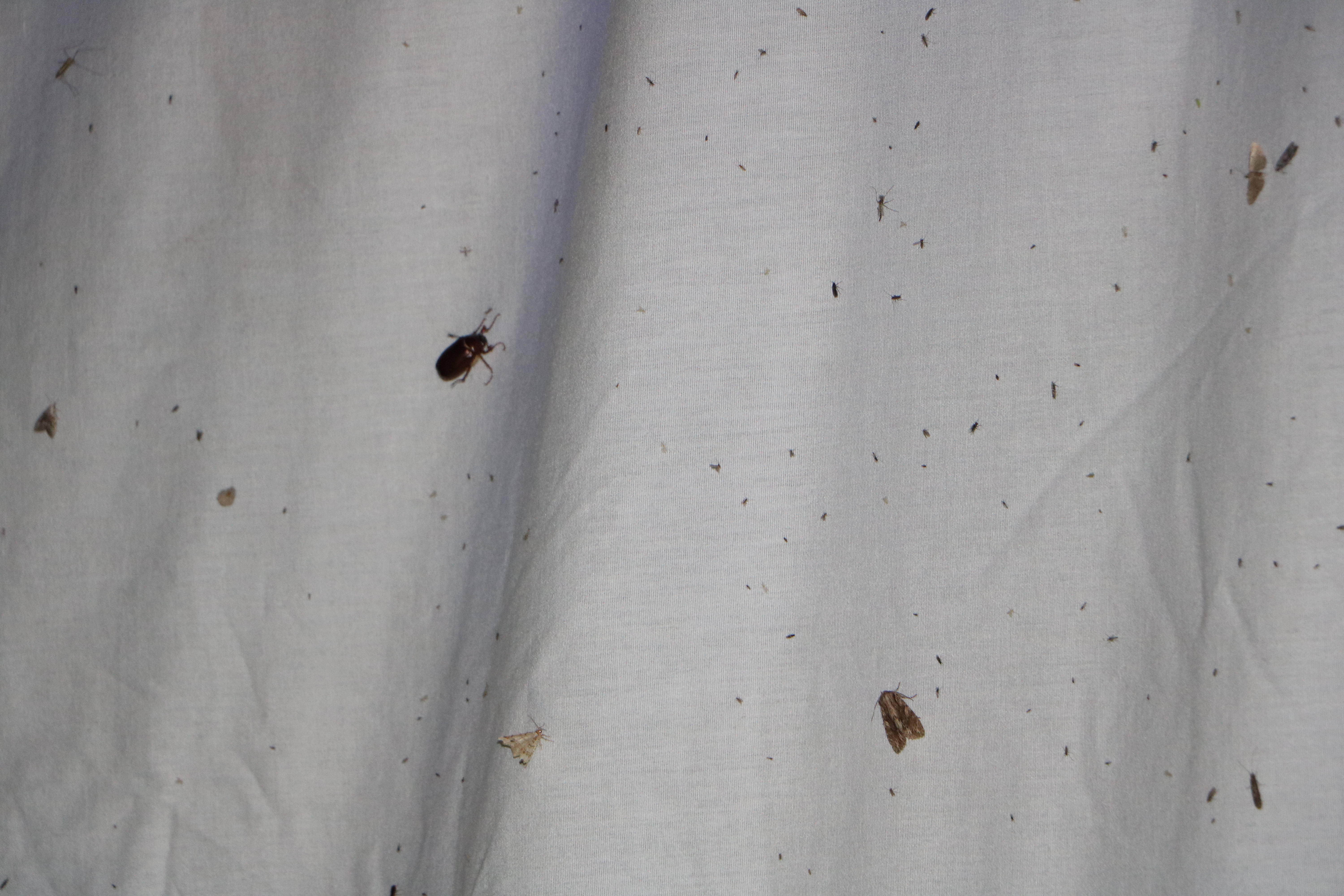
I fully expected a variety of small moths and beetles.

Continue reading PROJECT SUMMER NIGHT LIGHT: Night-time Insects to Ooooh and Aaaah At!