Winter’s Last Stand, Spring’s First Flight: The Mourning Cloak

Soaring on tireless wings across continents, the mourning cloak, scientifically known as Nymphalis antiopa, is one of the longest-lived butterflies and a harbinger of spring in many temperate regions. With its distinctive velvety dark wings edged in yellow, and its remarkable ability to overwinter as an adult, this resilient and adaptable species is a truly global phenomenon, captivating observers wherever it lands.

Continue reading Winter’s Last Stand, Spring’s First Flight: The Mourning Cloak

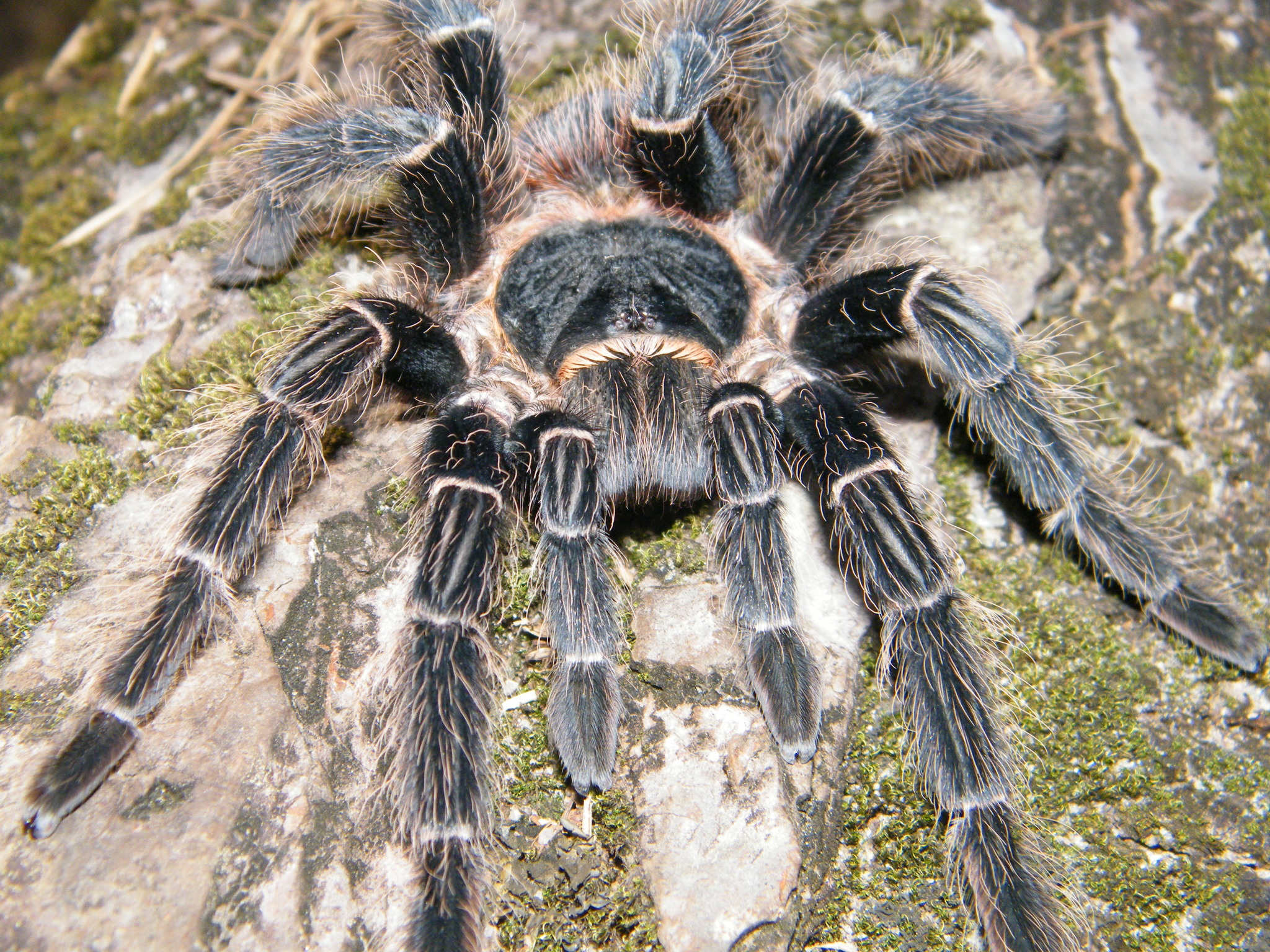
The Costa Rican Zebra Tarantula: A Striped Beauty of the Dry Forests

From the dry, scrubby forests and grasslands of Central America emerges a beloved and iconic tarantula – Aphonopelma seemanni, universally known as the Costa Rican Zebra Tarantula. Renowned for its distinctive black and white striped legs, docile temperament, and extensive burrowing habits, this robust terrestrial species is a cornerstone of the tarantula hobby and a fascinating example of arid-adapted arachnids.

Continue reading The Costa Rican Zebra Tarantula: A Striped Beauty of the Dry Forests

The Antilles Pinktoe Tarantula: A Jewel of the Caribbean Forests

From the lush, humid rainforests and vibrant coastal areas of the Caribbean island of Martinique, and introduced to Guadeloupe, emerges one of the most stunning and iconic arboreal tarantulas – Caribena versicolor, universally known as the Antilles Pinktoe Tarantula or Martinique Pinktoe. Revered for its breathtaking iridescent colors that change dramatically from spiderling to adult, its delicate arboreal webbing, and its generally docile nature, this species is a true showstopper in the world of arachnids.

Continue reading The Antilles Pinktoe Tarantula: A Jewel of the Caribbean Forests

Catching the Magic: My Love Affair with the Audubon Butterfly Guide

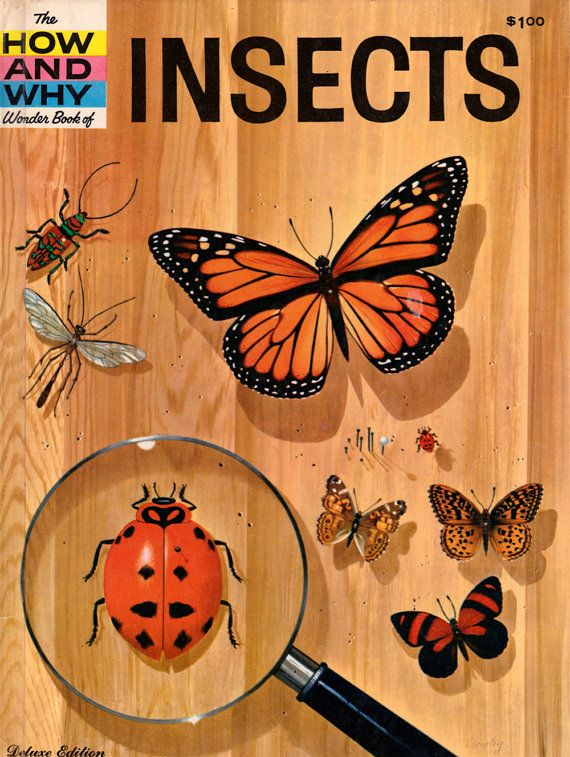
The “National Audubon Society Field Guide to North American Butterflies” by Robert Michael Pyle stands as an indispensable companion for anyone eager to explore the vibrant and intricate world of butterflies across the continent. This guide is far more than just a collection of images; it’s a meticulously crafted resource that elevates the experience of butterfly watching from a casual glance to a deeply informed and immensely satisfying pursuit.

Continue reading Catching the Magic: My Love Affair with the Audubon Butterfly Guide

Illuminating the Night: The Rise of Entoquip Insect Lights

For entomologists, naturalists, and anyone fascinated by the nocturnal world, the right tools are essential for discovery. In recent years, a new name has emerged to lead the charge in insect observation and collection: Entoquip. Their innovative LED insect lights are redefining what’s possible, offering a powerful, portable, and incredibly effective solution for anyone looking to connect with the fascinating creatures of the night.

Continue reading Illuminating the Night: The Rise of Entoquip Insect Lights

The Hackberry Emperor: A Shade-Loving Social Butterfly of North American Woodlands

Flitting with a graceful, gliding flight amidst the canopies and understories of hackberry trees across eastern and central North America is Asterocampa celtis, commonly known as the Hackberry Emperor. This relatively drab yet intriguing butterfly is less attracted to colorful flowers and more to tree sap, rotting fruit, and even carrion, making it a unique and often approachable resident of woodlands, river bottoms, and suburban areas where its host trees thrive.

Continue reading The Hackberry Emperor: A Shade-Loving Social Butterfly of North American Woodlands

The Reddish-Brown Stag Beetle: A Forest Floor Architect

From the deciduous forests and woodlands of eastern North America emerges Lucanus capreolus, commonly known as the Reddish-Brown Stag Beetle or Eastern Stag Beetle. Recognized by its distinctive antler-like mandibles in males and its association with decaying wood, this fascinating insect plays a vital role in nutrient cycling, contributing to the health and vitality of forest ecosystems.

Continue reading The Reddish-Brown Stag Beetle: A Forest Floor Architect

The Mexican Red Rump: A Striking Weaver of the Americas

From the hot, arid to semi-arid regions spanning from Mexico south through Central America to Belize, Guatemala, El Salvador, and even into parts of southern Florida (likely introduced), comes Tliltocatl vagans, universally known as the Mexican Red Rump Tarantula. Revered for its striking velvety black coloration accented by brilliant red abdominal hairs, and its generally docile yet defensive nature, this terrestrial species is a charismatic burrower and a staple in the tarantula hobby.

Continue reading The Mexican Red Rump: A Striking Weaver of the Americas

A Jewel of the Rockies: Discover the Enchanting World of the May Natural History Museum

Nestled amidst the breathtaking landscapes just south of Colorado Springs, the May Natural History Museum stands as a truly unique and utterly captivating destination. Affectionately known as the “Bug Museum” by generations of delighted visitors, this remarkable institution is far more than just a collection of insects; it’s a testament to passion, preservation, and the awe-inspiring diversity of the natural world.

Continue reading A Jewel of the Rockies: Discover the Enchanting World of the May Natural History Museum

The Brazilian Black Tarantula: A Velvet Beauty of the Pampas

From the expansive grasslands and open woodlands of southern Brazil and parts of Uruguay emerges one of the most sought-after and beloved tarantulas in the hobby – Grammostola pulchra, universally known as the Brazilian Black Tarantula, or sometimes the Brazilian Black. Revered for its striking, velvety black coloration, robust build, and exceptionally docile temperament, this terrestrial species is a true gem, making it an ideal ambassador for tarantulas and a favorite among enthusiasts.

Continue reading The Brazilian Black Tarantula: A Velvet Beauty of the Pampas