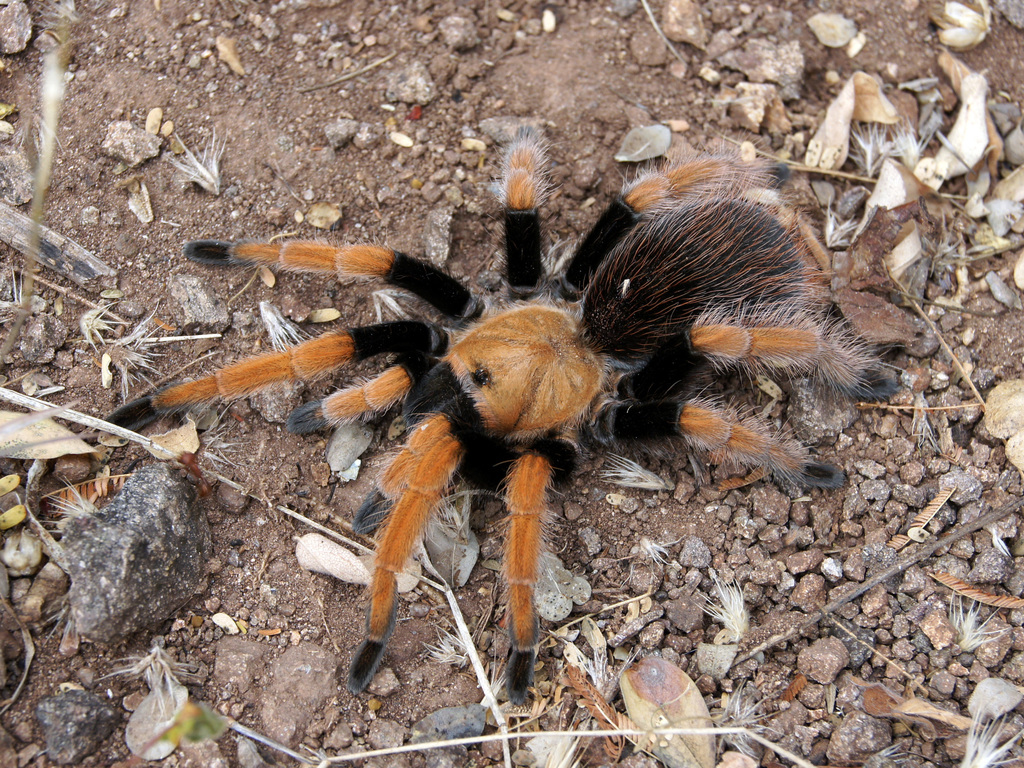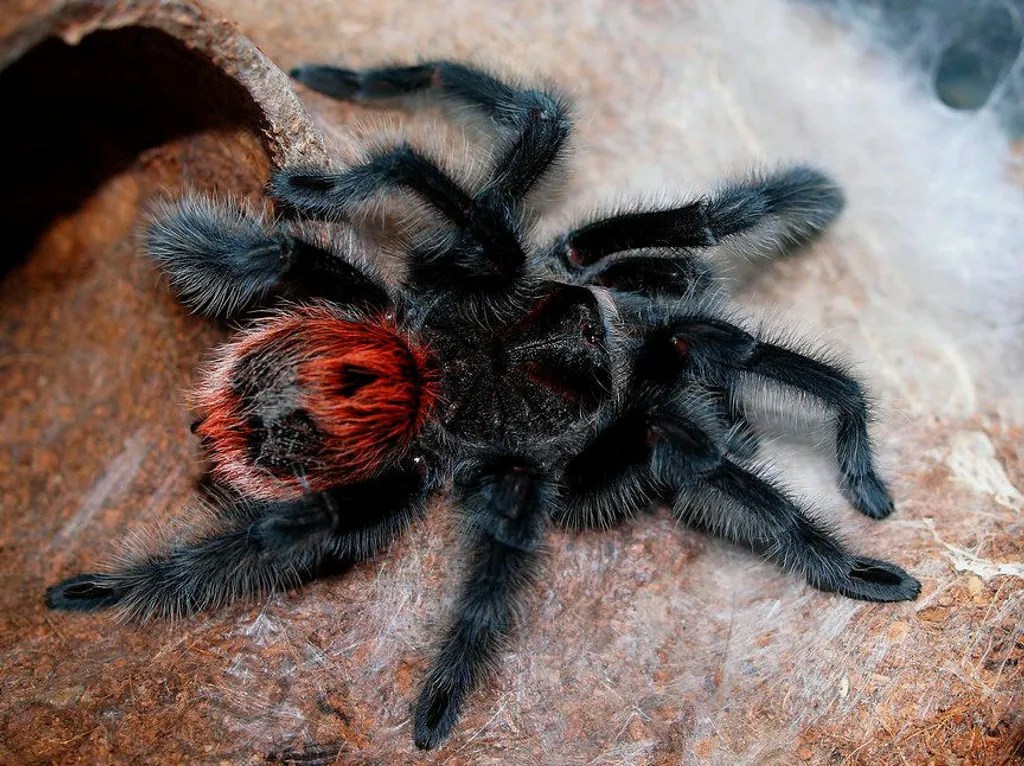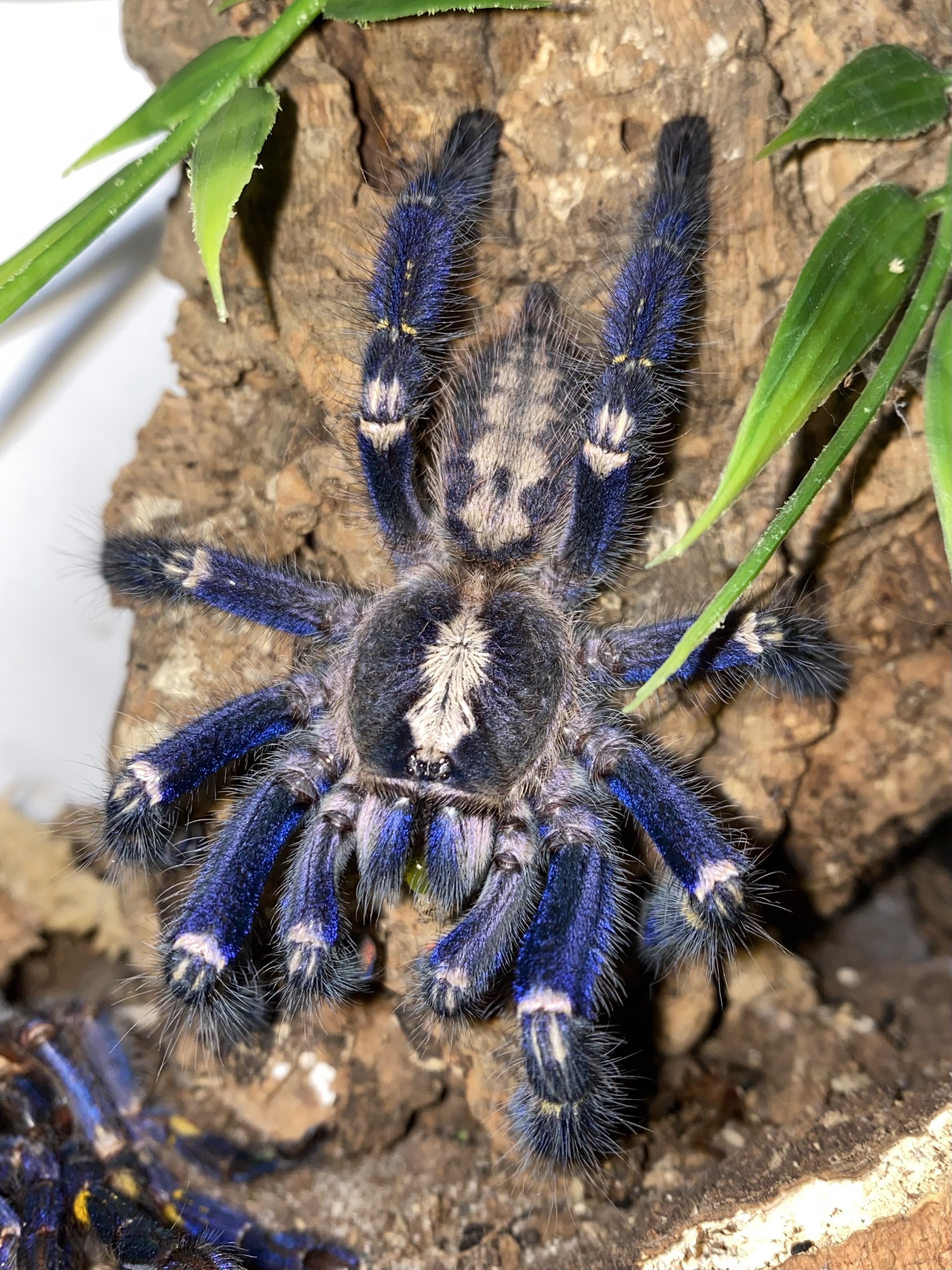
Among the giants of the tarantula world, few command as much respect and admiration as Grammostola actaeon. Commonly known as the Brazilian Red-Rump, this New World terrestrial species is a crown jewel for serious hobbyists, combining impressive size, striking coloration, and a heavy-bodied presence that is hard to ignore.
Continue reading Grammostola actaeon: The Brazilian Red-Rump TarantulaCategory Archives: Species Spotlight
The Spiny Devil Walkingstick: A Guide to Eurycantha horrida
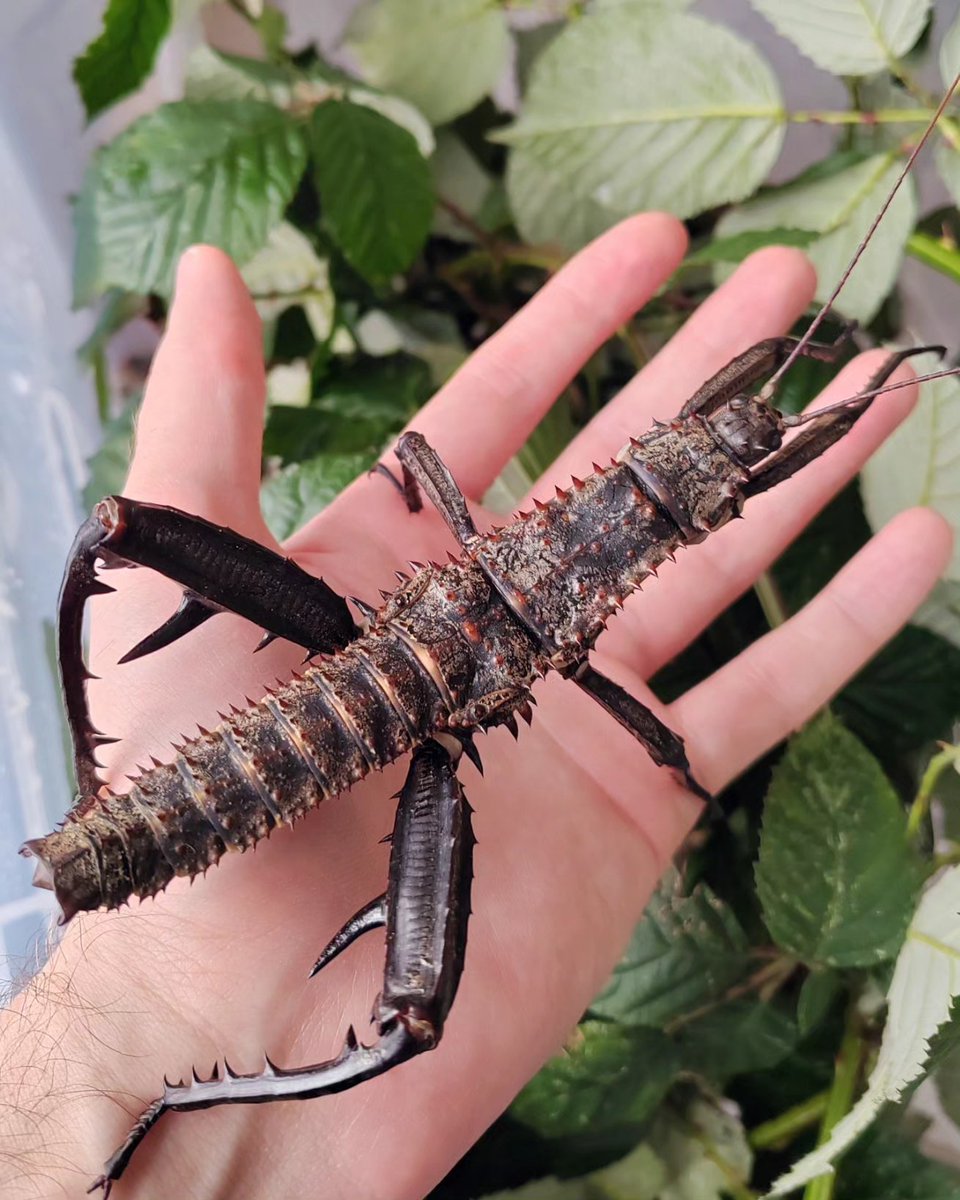
Commonly known as the Spiny Devil Walkingstick or the New Guinean Land Lobster, Eurycantha horrida is a formidable and fascinating member of the order Phasmatodea. Native to the tropical rainforests of Papua New Guinea—specifically the Popondetta region—this species has long been considered a “holy grail” for insect enthusiasts due to its impressive size, prehistoric appearance, and unique behaviors.
Continue reading The Spiny Devil Walkingstick: A Guide to Eurycantha horridaThe Striking Guatemalan Tiger Rump: A Guide to Davus pentaloris
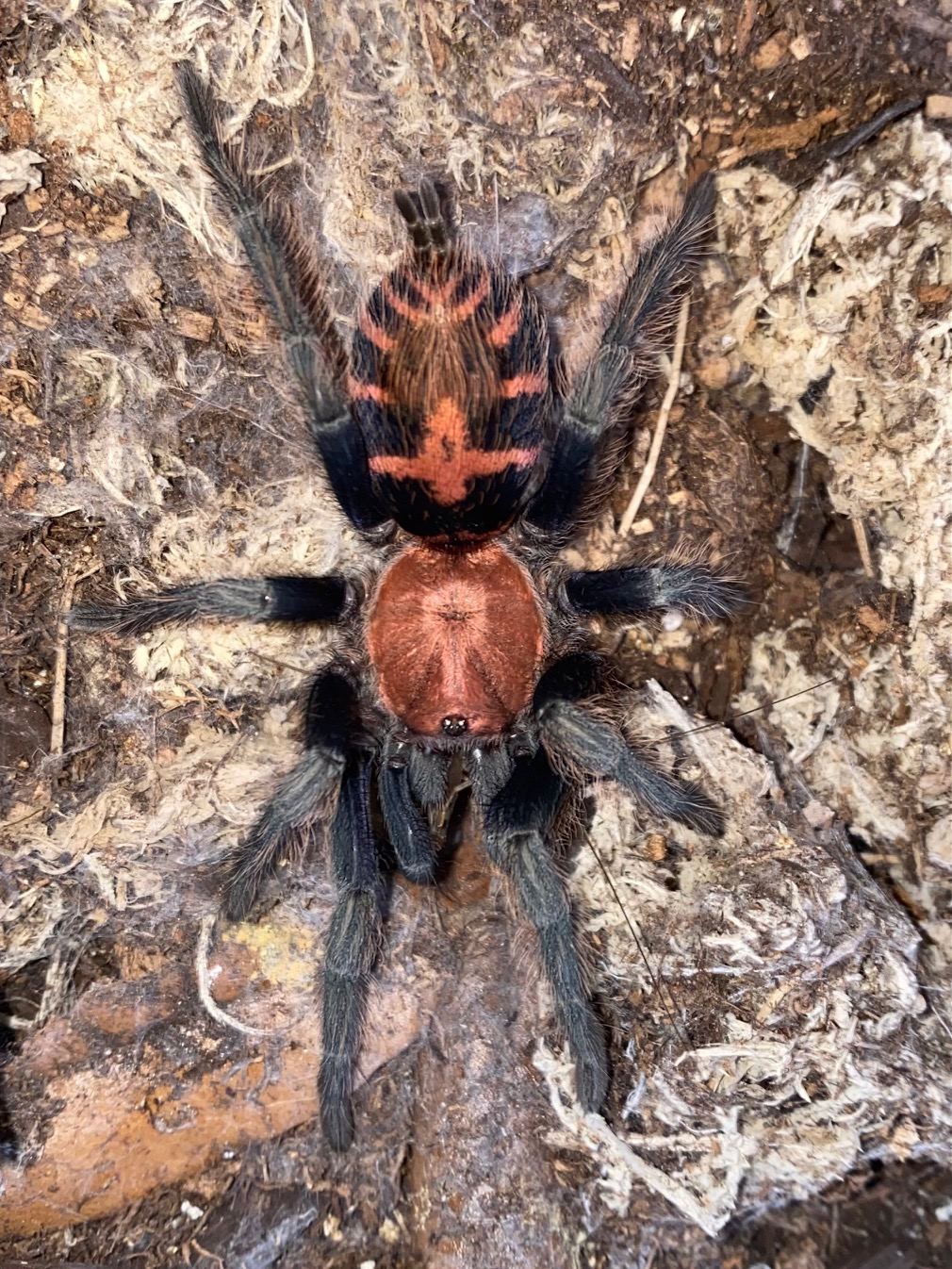
Among tarantula enthusiasts, Davus pentaloris (commonly known as the Guatemalan Tiger Rump) is celebrated as a “pocket-sized” masterpiece. While many large terrestrial tarantulas are shades of brown or gray, this species offers a vivid, high-contrast aesthetic that makes it a standout display animal in any collection.
Continue reading The Striking Guatemalan Tiger Rump: A Guide to Davus pentalorisThe Crown Jewel of the Pampas: A Guide to Grammostola iheringi
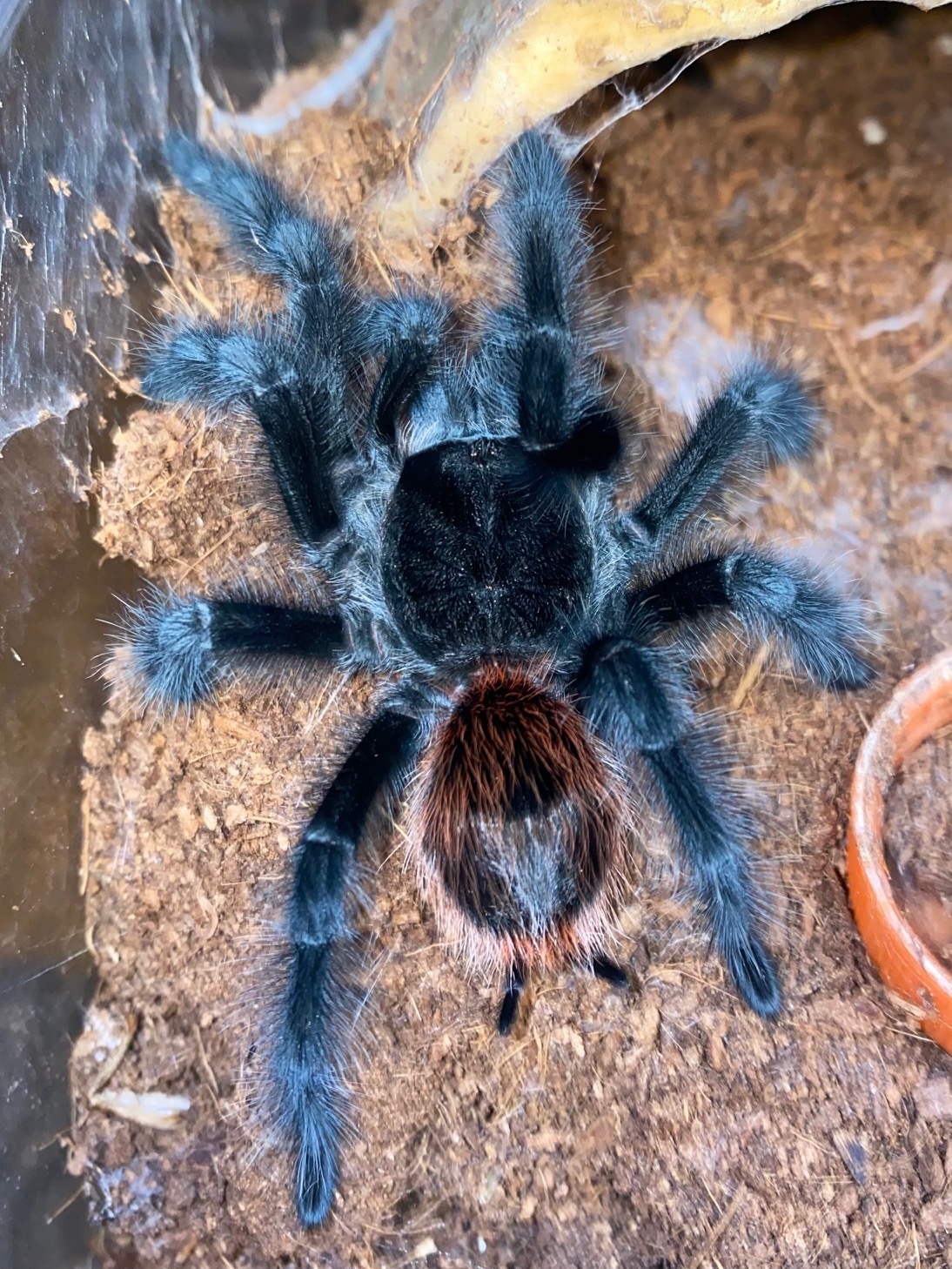
Commonly known as the Entre Rios Tarantula or the Brazilian Black and Red, Grammostola iheringi is frequently cited as the “crown jewel” of its genus. While many Grammostola species are famous for being slow-moving “pet rocks,” G. iheringi breaks the mold with its massive size, striking velvet-black and burgundy coloration, and a surprisingly high-energy personality.
Continue reading The Crown Jewel of the Pampas: A Guide to Grammostola iheringiThe Greater Arid-Land Katydid: Nature’s Spiny Predator
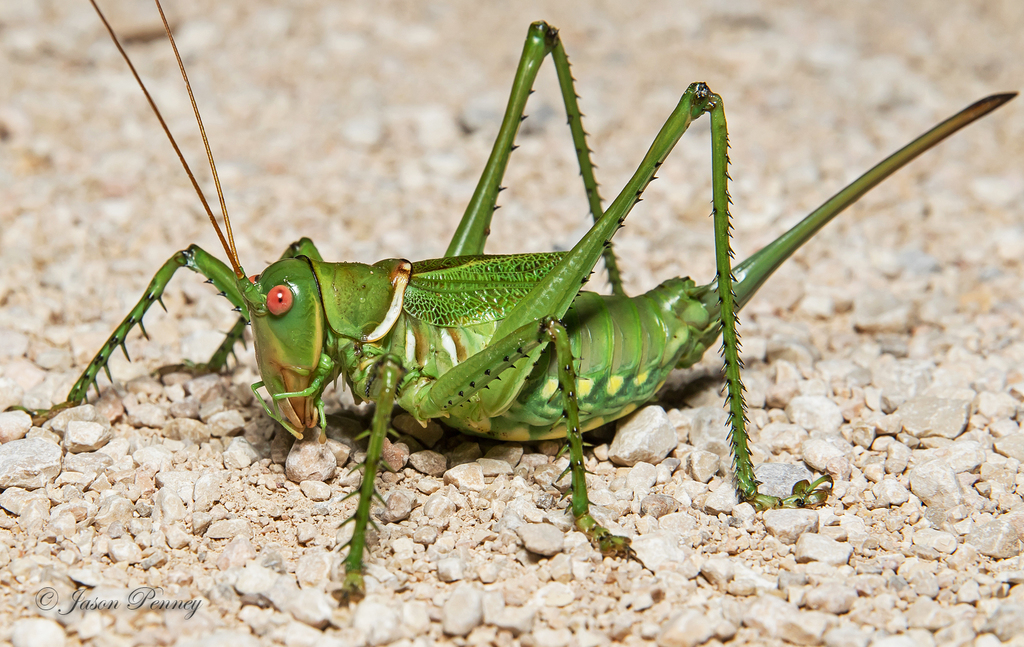
While most people associate katydids with the gentle, rhythmic chirping of a summer evening, Neobarrettia spinosa—commonly known as the Greater Arid-Land Katydid or the Red-Eyed Devil—is a creature of a much more formidable nature. Found primarily in the southwestern United States and Northern Mexico, this insect is a striking example of predatory evolution within the Orthoptera order.
Continue reading The Greater Arid-Land Katydid: Nature’s Spiny Predator🦂 The Desert Goliath: Hadrurus arizonensis (Giant Desert Hairy Scorpion)
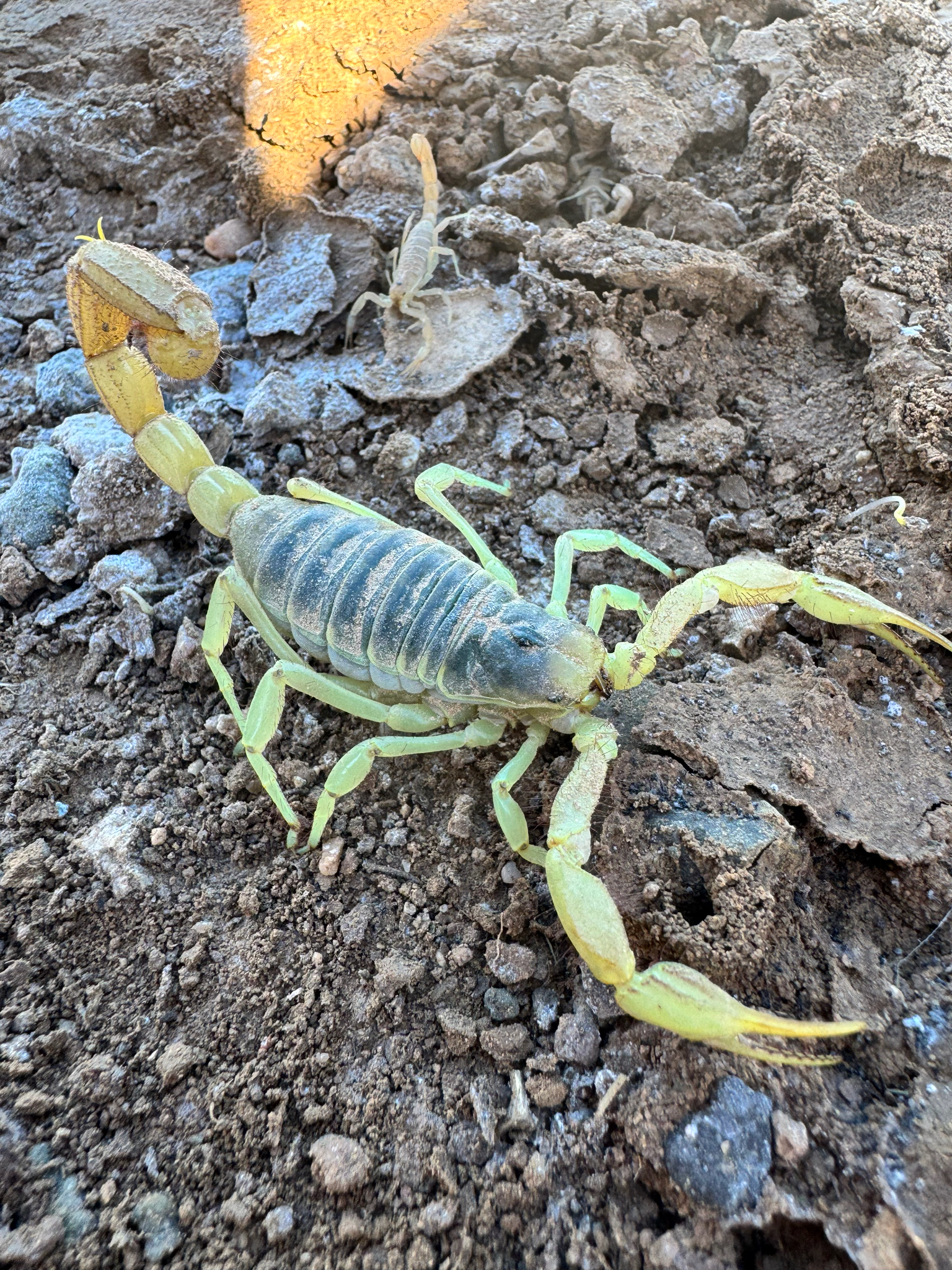
Hadrurus arizonensis, more commonly recognized as the Giant Desert Hairy Scorpion, stands as a legendary figure of the North American wilderness. As the largest scorpion species native to the United States, it has captured the fascination of both biologists and exotic pet enthusiasts alike. Unlike many of its smaller, more reclusive relatives, this species is a bold predator that has perfectly adapted to the unforgiving heat and aridity of the desert landscape.
Continue reading 🦂 The Desert Goliath: Hadrurus arizonensis (Giant Desert Hairy Scorpion)The Many Faces of the Red-spotted Purple: Unveiling Limenitis arthemis
Flitting with graceful, almost regal movements through woodlands, forest edges, and along shady roadsides across much of North America is Limenitis arthemis, a butterfly renowned for its striking beauty and fascinating regional variations. This single species embodies a spectrum of appearances, showcasing a classic mimicry complex in some regions and a bold elegance in others, making it a captivating subject for butterfly enthusiasts and a testament to evolutionary adaptation.
Continue reading The Many Faces of the Red-spotted Purple: Unveiling Limenitis arthemisThe Regal Lineage: Tracing the History of Birdwing Butterflies (Ornithoptera)
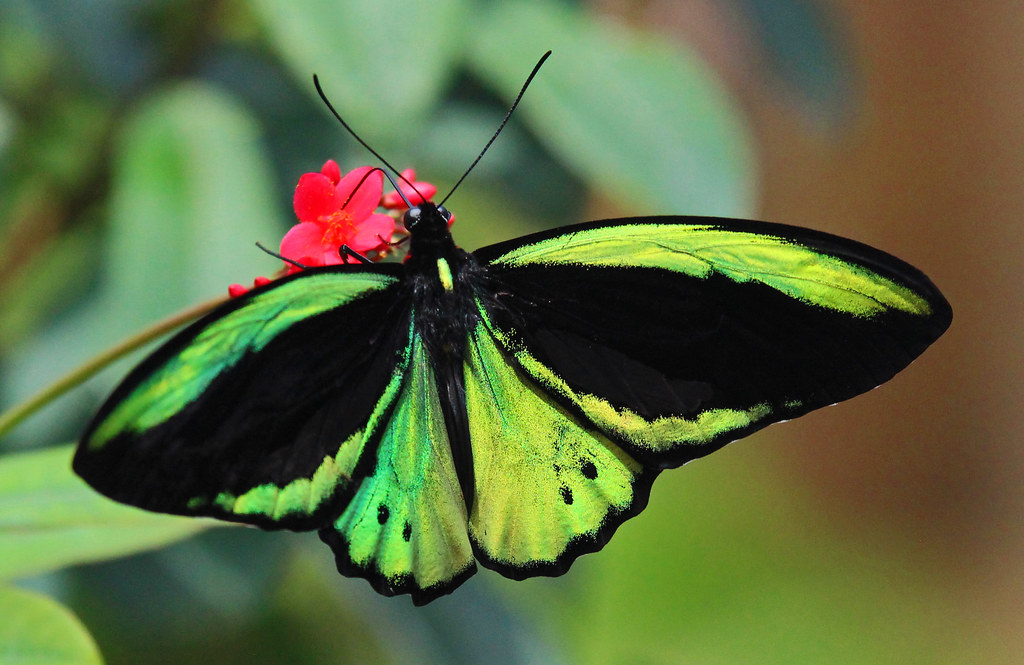
Among the most magnificent and sought-after insects on Earth, the birdwing butterflies of the genus Ornithoptera stand as living jewels. Renowned for their immense size, often iridescent coloration, and graceful flight, these butterflies have captivated naturalists, collectors, and conservationists for centuries. Their history is not just a tale of scientific discovery but also one intertwined with human exploration, evolving understanding, and increasingly, urgent conservation efforts.
Continue reading The Regal Lineage: Tracing the History of Birdwing Butterflies (Ornithoptera)The Imperial Moth: A Majestic Presence of the Eastern Forests
Drifting through the warm summer nights of eastern North America, the imperial moth, scientifically known as Eacles imperialis, commands attention with its impressive size and regal coloration. This magnificent member of the Saturniidae family, one of our largest silk moths, showcases a stunning tapestry of yellow ochre adorned with patterns of pink, red, and sometimes purple, truly living up to its majestic name.
Continue reading The Imperial Moth: A Majestic Presence of the Eastern ForestsThe Great Imposter: Unmasking the Viceroy Butterfly

Fluttering through open woodlands, fields, and along roadsides across much of North America is the viceroy butterfly, scientifically known as Limenitis archippus. While often mistaken for its toxic look-alike, the monarch, the viceroy possesses its own fascinating characteristics, including a remarkable evolutionary adaptation for survival: Batesian mimicry. This striking butterfly offers a compelling example of nature’s ingenuity in the face of predation.
Continue reading The Great Imposter: Unmasking the Viceroy Butterfly