Category Archives: Saturniidae

The Rosy Maple Moth: A Vision in Pink and Yellow

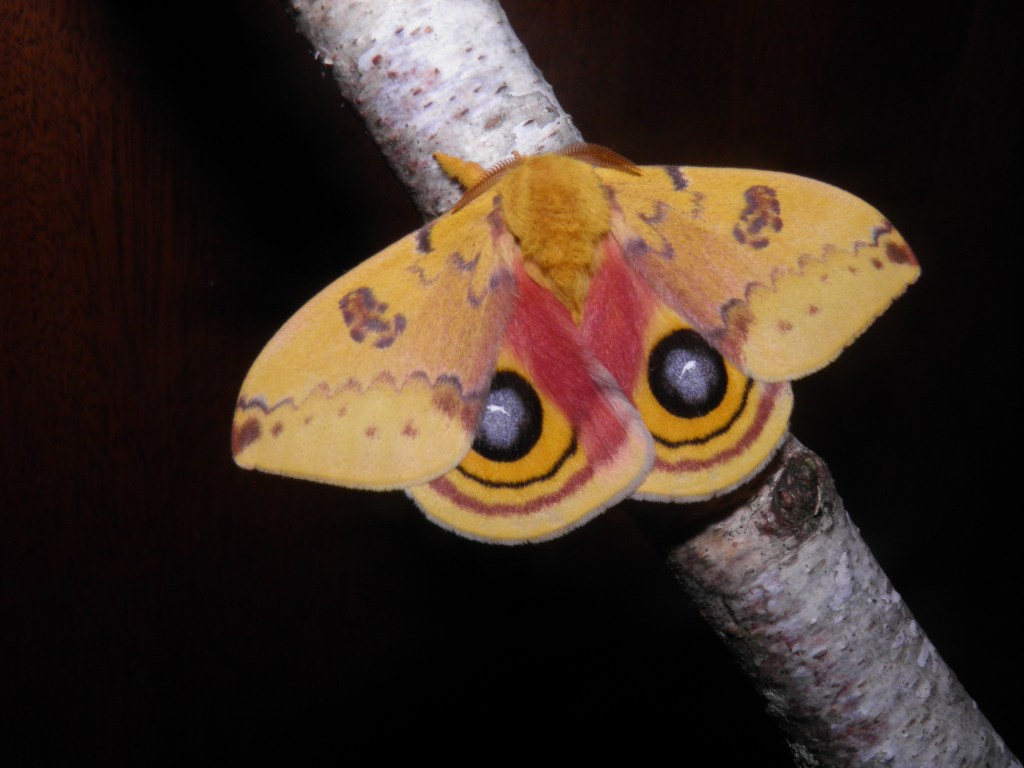
Gracing the deciduous forests of eastern North America with its whimsical charm is the rosy maple moth, scientifically known as Dryocampa rubicunda. This small to medium-sized silk moth is instantly recognizable for its delightful coloration, a vibrant blend of rosy pink and sunny yellow that seems almost too charming to be real. Its fuzzy body and delicate wings make it a captivating and beloved member of the moth world.  

Continue reading The Rosy Maple Moth: A Vision in Pink and Yellow
LARVAL FOODPLANTS OF SATURNIID MOTHS OF THE EASTERN UNITED STATES

Raising Lepidoptera has been a hobby that I have enjoyed ever since I was a kid. Though raising butterflies has always been fun, it is raising the giant silkmoths, family Saturniidae, that has been my favorite aspect of rearing. Thankfully I live in an area that includes a great representation of these amazing moths, even though their wild populations do seem to be dwindling with each passing year. What I present to you is a list of the most commonly used caterpillar foodplants for these moths representing nine species. This list is in no way meant to be complete and only through experimentation can new plants be added to this ever-growing list.

Continue reading LARVAL FOODPLANTS OF SATURNIID MOTHS OF THE EASTERN UNITED STATES

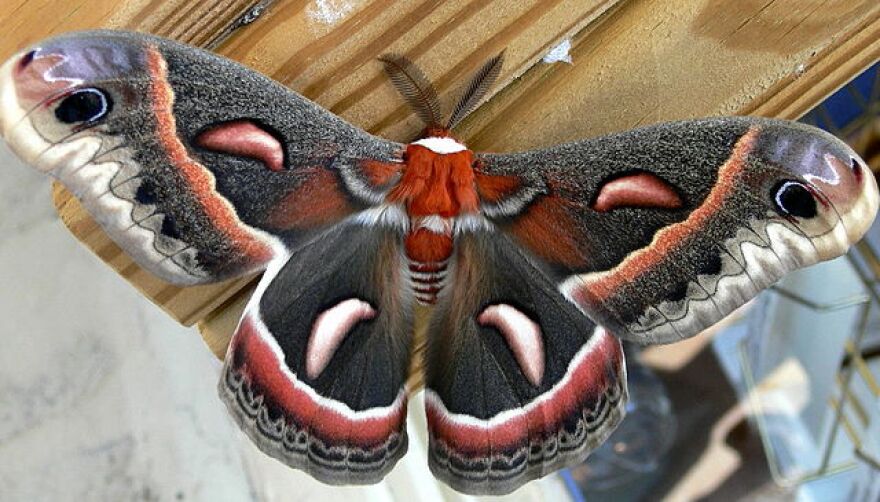
Hyalophora cecropia: A Giant Among Silk Moths

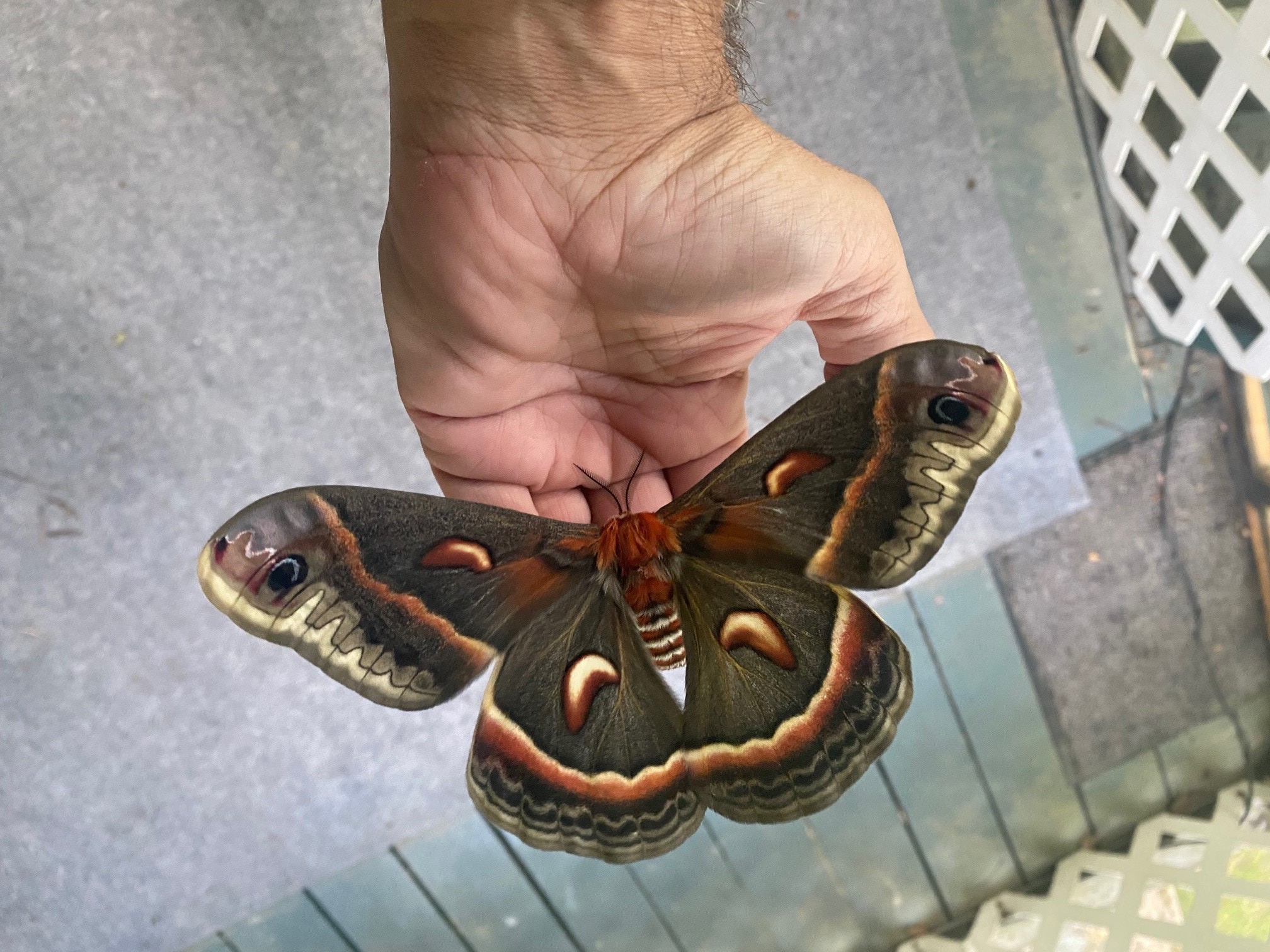
The Cecropia moth (Hyalophora cecropia) stands as one of the largest moths found in North America, easily recognized by its impressive size, striking coloration, and intricate wing patterns. Belonging to the Saturniidae family, the giant silk moths, it has captivated naturalists and enthusiasts for centuries with its beauty and life cycle.  

Continue reading Hyalophora cecropia: A Giant Among Silk Moths

The Hercules Moth: A Moth of Mythic Proportions

Coscinocera hercules, commonly known as the Hercules moth, is a truly remarkable insect. It belongs to the family Saturniidae, a group recognized for containing some of the largest moths in the world. The Hercules moth certainly exemplifies this characteristic, standing out as a giant among its kind. This retrospective will explore various facets of this fascinating species in detail.

Continue reading The Hercules Moth: A Moth of Mythic Proportions

The Striking Beauty and Hidden Defenses of the Io Moth: Automeris io

Automeris io, commonly known as the Io moth, is a visually arresting member of the Saturniidae family, celebrated for the dramatic, owl-like eyespots on its hindwings. This widespread North American silk moth exhibits a fascinating life cycle and employs a unique defense mechanism in its larval stage.  

Continue reading The Striking Beauty and Hidden Defenses of the Io Moth: Automeris io

The Enigmatic Beauty of the Tulip-tree Silkmoth: Callosamia angulifera

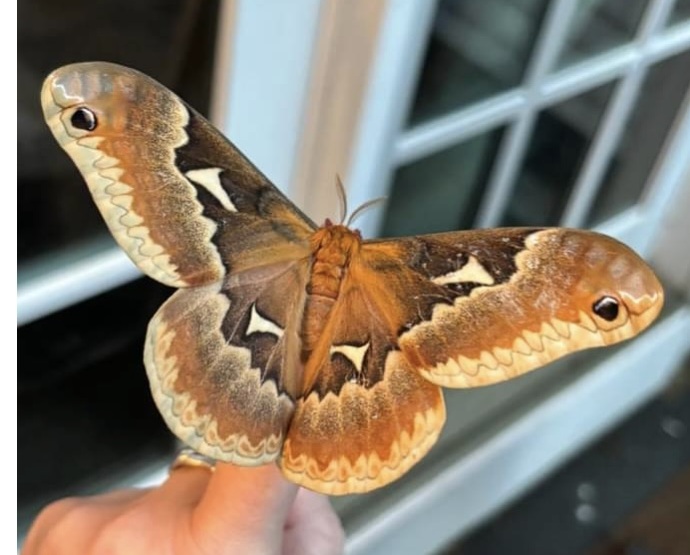
Callosamia angulifera, commonly known as the Tulip-tree Silkmoth or Giant Silkmoth, is a captivating member of the Saturniidae family, a group renowned for their large size and striking wing patterns. This magnificent moth graces the woodlands of eastern North America, its life cycle intricately linked with the elegant tulip tree.  

Continue reading The Enigmatic Beauty of the Tulip-tree Silkmoth: Callosamia angulifera

2024 Moth Studies in Richmond, Rhode Island (July 17, 2024)

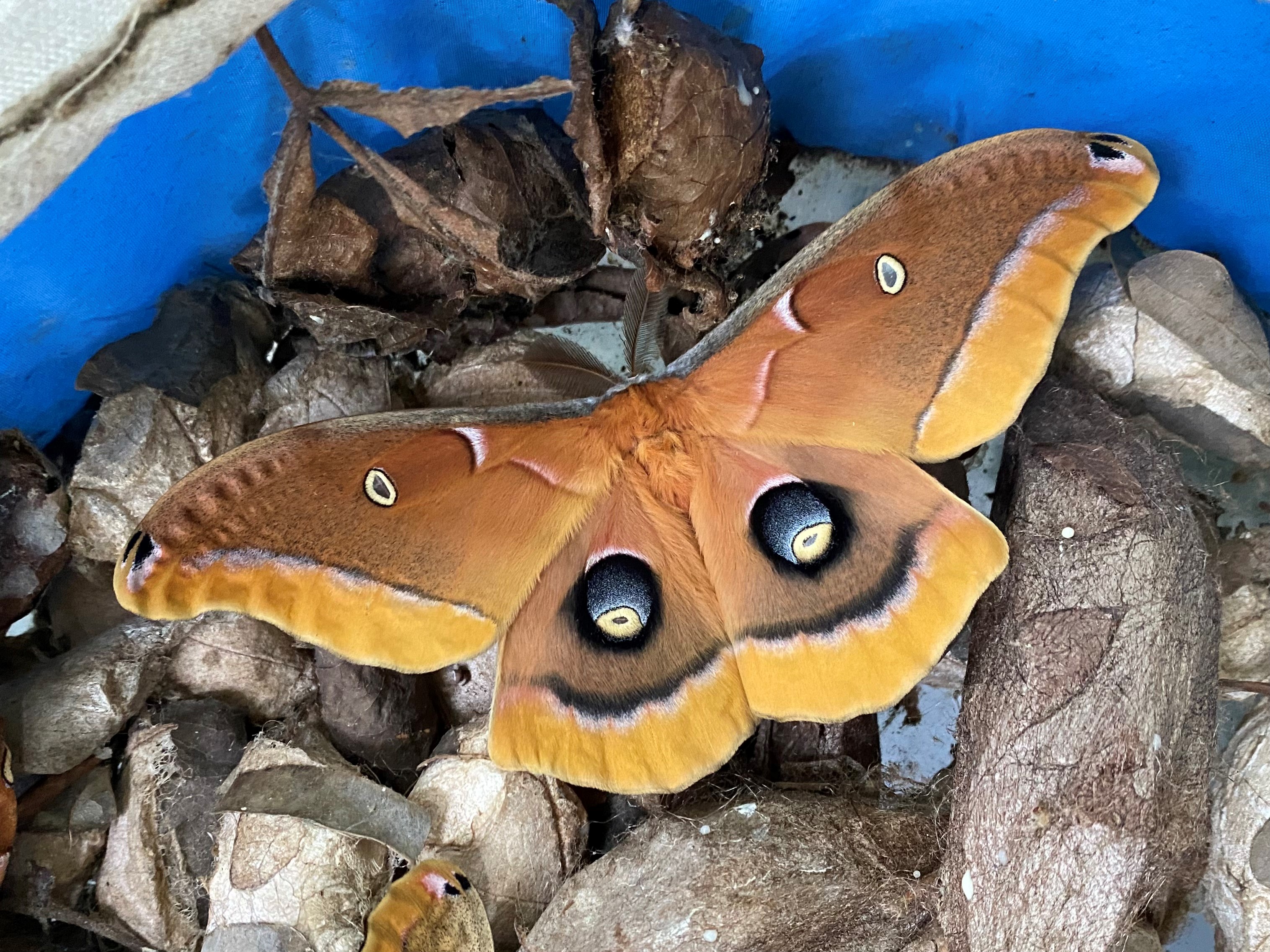
2024 continues to be an amazing year for the giant silk moths. I do not remember a time, when in July, that I was still drawing in males to scenting females. Usually at this time the moths are in their caterpillar form. As of this week I am still attracting huge numbers in both promethea and polyphemus moth males. Something else that is interesting this year is the extreme color variations in the polyphemus moths. They range anywhere from tan to orange!

Here is a great example of the male promethea moths coming in to find the female that I have on my screened in porch.

2024 Moth Studies in Richmond, Rhode Island (June 14, 2024)

This has truly been a great year for Saturniidae moths in Richmond. It does seem that Luna moth populations are down but in the past week I have had Polyphemus, Cecropia, and Io moths come and visit. Between scenting and my moth lights, it’s been a nice surprise. Though last season was the first time I was able to attract Polyphemus moths to my yard, their populations this year seem to be strong. Though I regularly find Cecropia cocoons in this area, this spring was the first time that two males came in attracted to a female that hatched out from my collected cocoons. In addition, this is the first time I have attracted an Io moth to my lights.

Continue reading 2024 Moth Studies in Richmond, Rhode Island (June 14, 2024)

2024 Moth Studies in Richmond, Rhode Island (June 3, 2024)

It has been a slow start to the season as of this writing. It seemed that hatching moths have been delayed quite a bit than in past years. For example, in 2023 I had wild luna moths coming to my lights in mid-May. This year, the first one appeared late on June 2. This is also with the addition of my overwintering cocoons and scenting females.

Continue reading 2024 Moth Studies in Richmond, Rhode Island (June 3, 2024)

When It Comes to Giant Silk Moths, What Can You Find in Rhode Island?

When it comes to moths, there are none as spectacular as the giant silk moths, from the family Saturniidae. Despite Rhode Island being such a small state, we actually have five species common to this area. How many have you seen?

Continue reading When It Comes to Giant Silk Moths, What Can You Find in Rhode Island?