
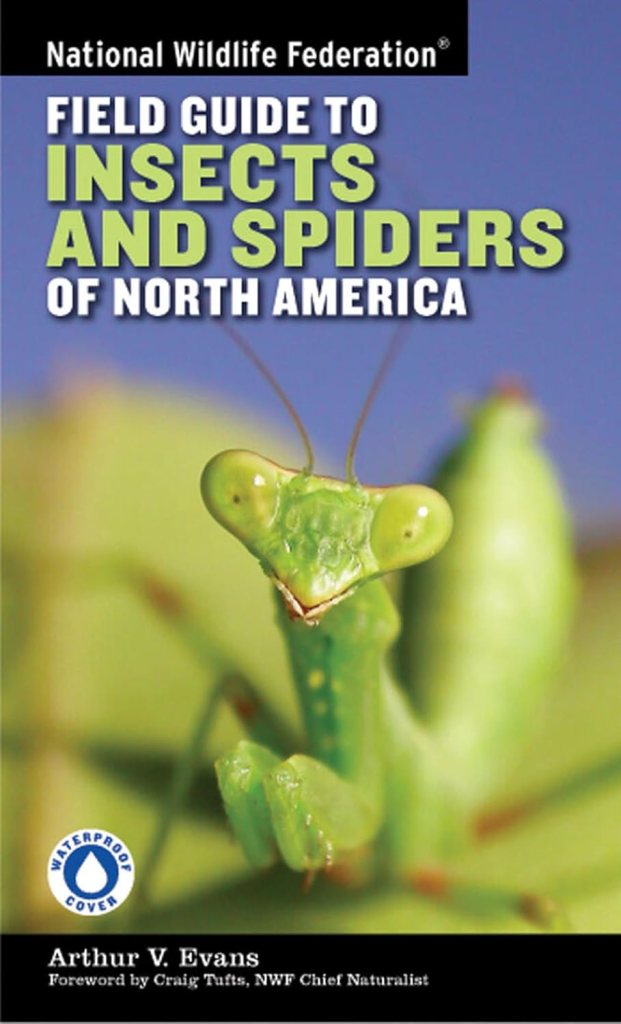
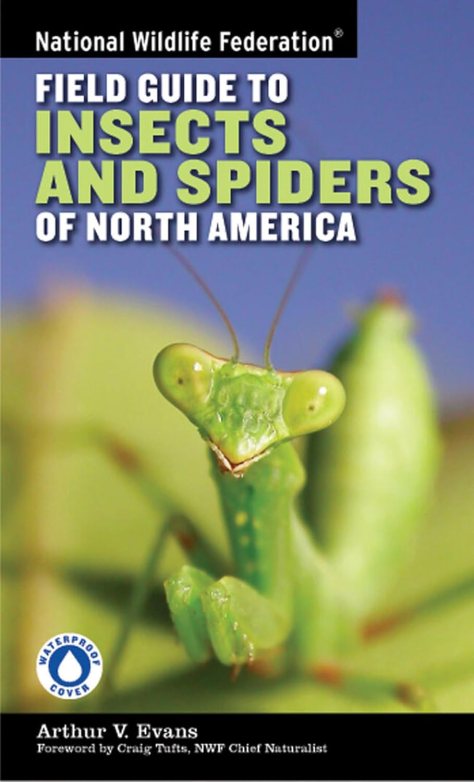
For anyone who has ever paused in their backyard to wonder about a metallic-green beetle or a geometric spiderweb, Arthur V. Evans’ Field Guide to Insects and Spiders of North America isn’t just a book—it’s a VIP pass to a hidden world.
Published as part of the National Wildlife Federation series, this guide has cemented itself as the “gold standard” for amateur entomologists and curious hikers alike. It manages to do something rare: it bridges the gap between dense scientific academia and the sheer joy of discovery.
Why This Guide Stands Out
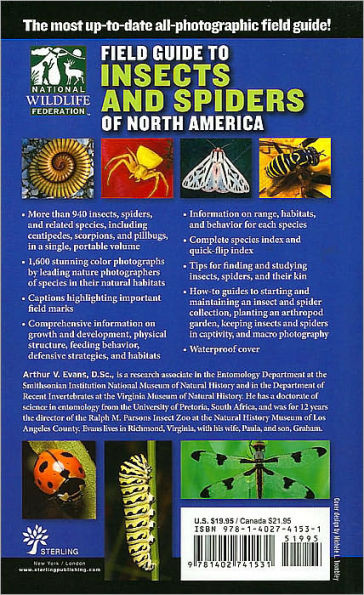
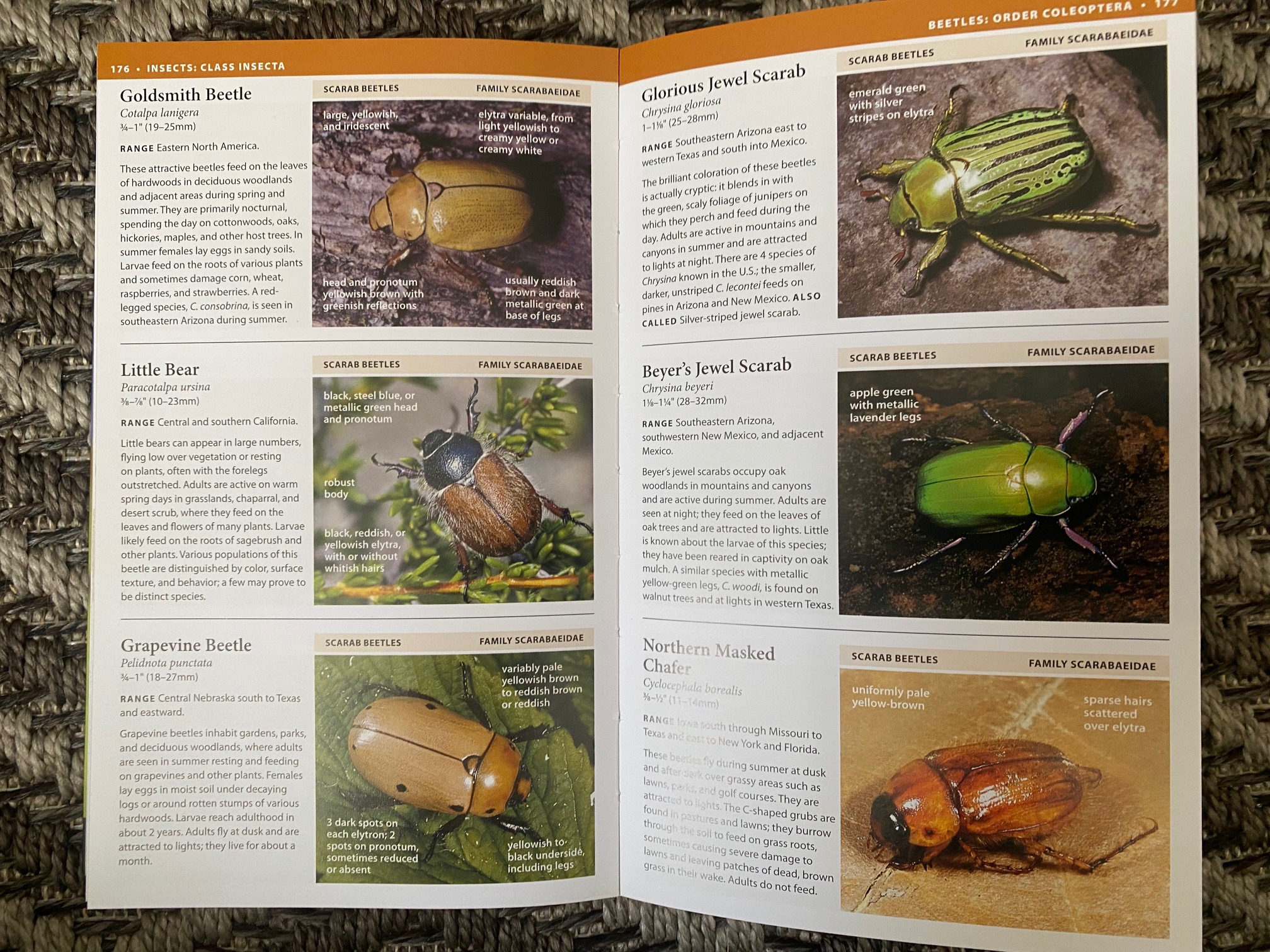
The most striking feature of Evans’ work is its visual clarity. While many older guides rely on stylized illustrations, this book features over 2,000 high-resolution photographs. These aren’t just clinical shots; they capture the subjects in vivid detail, showing the iridescent sheen of a wasp’s wing or the precise markings on a garden spider’s abdomen.
1. Unrivaled Breadth and Scope
North America is home to an overwhelming number of species, but Evans organizes this chaos beautifully. The guide covers:
- 700+ species of insects and spiders.
- Detailed sections on Arachnids (often overlooked in general insect guides).
- Vital information on behavior, habitat, and life cycles.
2. Built for the Field
A field guide is useless if it’s too fragile to take outside. This book is designed with a durable, water-resistant cover and a compact size that fits perfectly into a backpack or a deep cargo pocket.
3. Accessible Expertise
Arthur V. Evans is a heavyweight in the world of entomology, but his writing is remarkably conversational. He avoids “gatekeeping” with overly complex jargon, instead using clear language to explain how to distinguish a harmless hoverfly from a stinging wasp.
The “Anatomy” of a Page
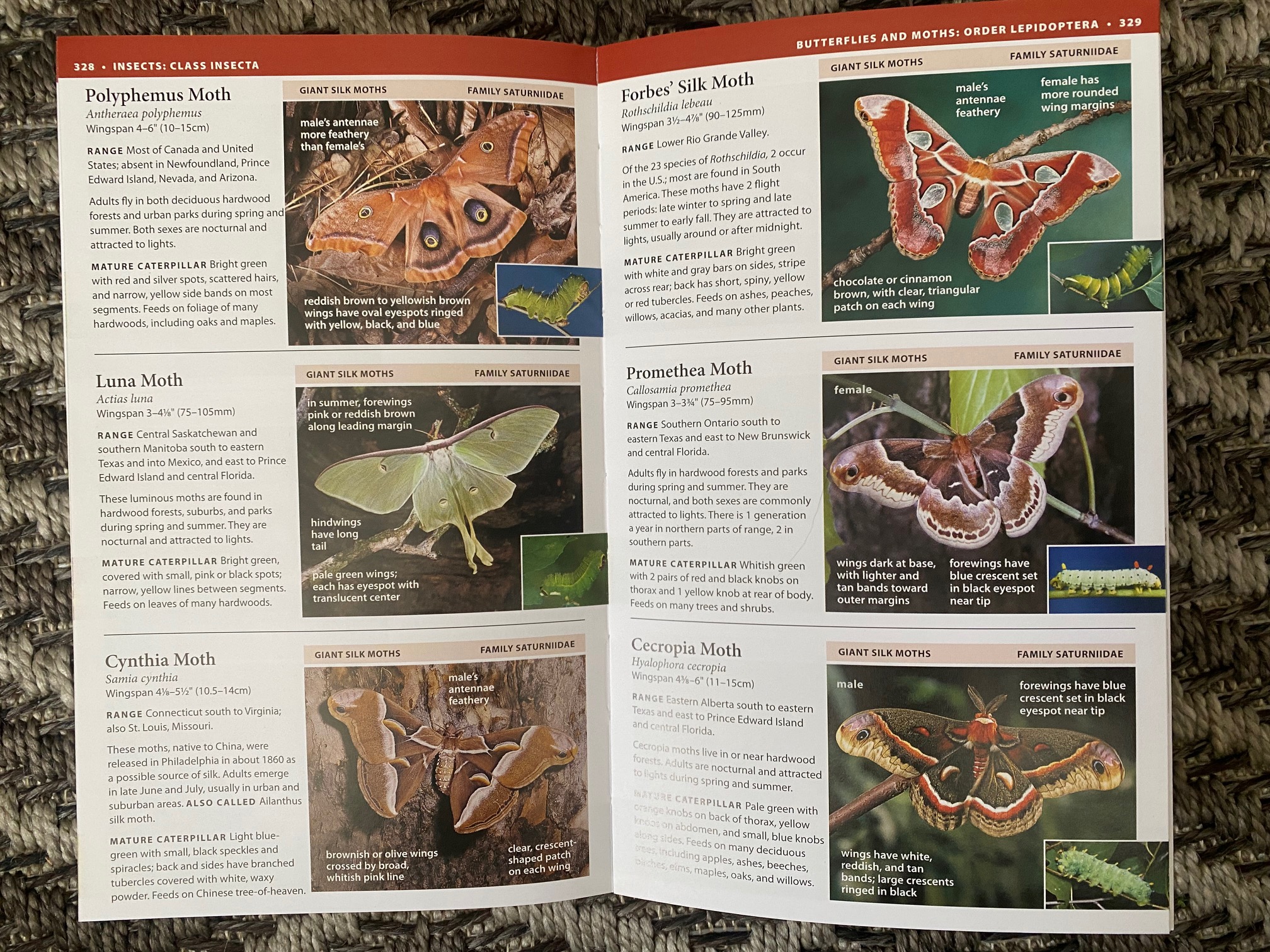
Each entry is meticulously organized to help you identify a specimen in seconds. The layout typically includes:
| Feature | What it Provides |
| Common & Scientific Names | Helps you transition from casual observer to citizen scientist. |
| Size Indicators | A quick reference to ensure you aren’t misidentifying a giant silk moth. |
| Range Maps | Small, clear maps showing exactly where the species is known to live. |
| Observation Tips | Notes on what the insect eats or “cool facts” about its defense mechanisms. |
A Celebration of the Small Things
Perhaps the most “positive” aspect of this book is the philosophy it promotes. In a world that often views “bugs” as pests to be swatted, Evans treats them as architects, pollinators, and essential pillars of our ecosystem. Reading through the guide feels like a lesson in mindfulness. It encourages you to slow down, look closer at a leaf, and appreciate the intricate engineering of a dragonfly’s flight or the parental care of a wolf spider. It transforms a simple walk in the park into a high-definition safari.
“To read this guide is to realize that you are never truly alone in nature; you are surrounded by millions of tiny, fascinating lives, each with a story to tell.”
Final Verdict
Whether you are a parent looking to engage your child with the outdoors, a gardener wanting to know who is visiting your roses, or a photographer looking for your next subject, the Field Guide to Insects and Spiders of North America is an essential investment. It is a masterpiece of biological cataloging that remains as vibrant and relevant today as the day it was printed.
To read my other BUGGY BOOK REVIEWS, click HERE! To add this must-have book to your nature library, click on the cover below.
Discover more from
Subscribe to get the latest posts sent to your email.
 davethebugguy.org