
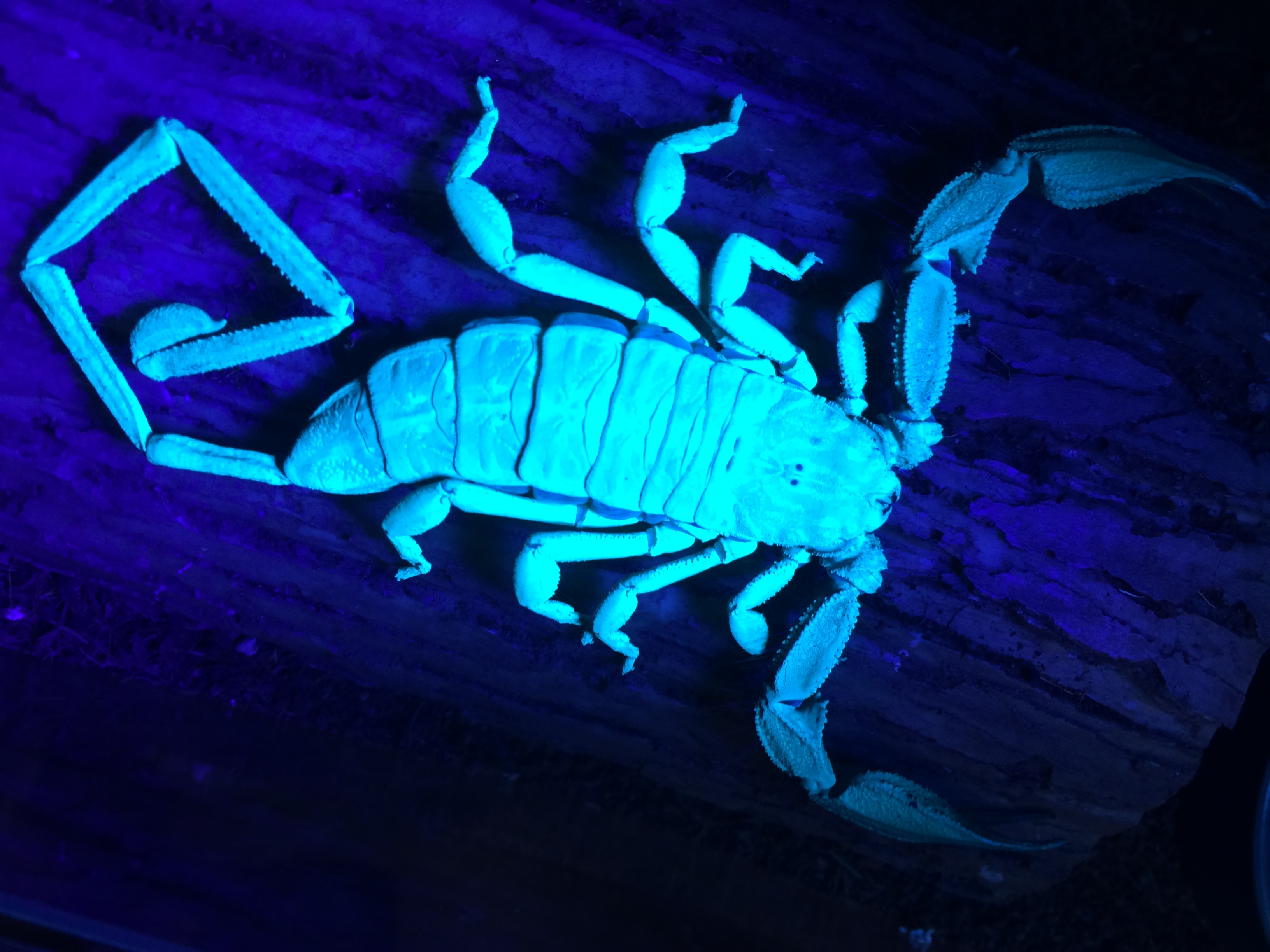
In the world of arachnids, bigger usually means scarier—but Hadogenes troglodytes, commonly known as the Flat Rock Scorpion, challenges that stereotype. While it holds the title of one of the longest scorpions in the world, it is famously known among enthusiasts as a “gentle giant.”
Endemic to the rocky landscapes of Southern Africa (specifically South Africa, Botswana, and Zimbabwe), this species has evolved a highly specialized body plan to survive in the narrowest of margins.
1. Physical Characteristics: Form Follows Function
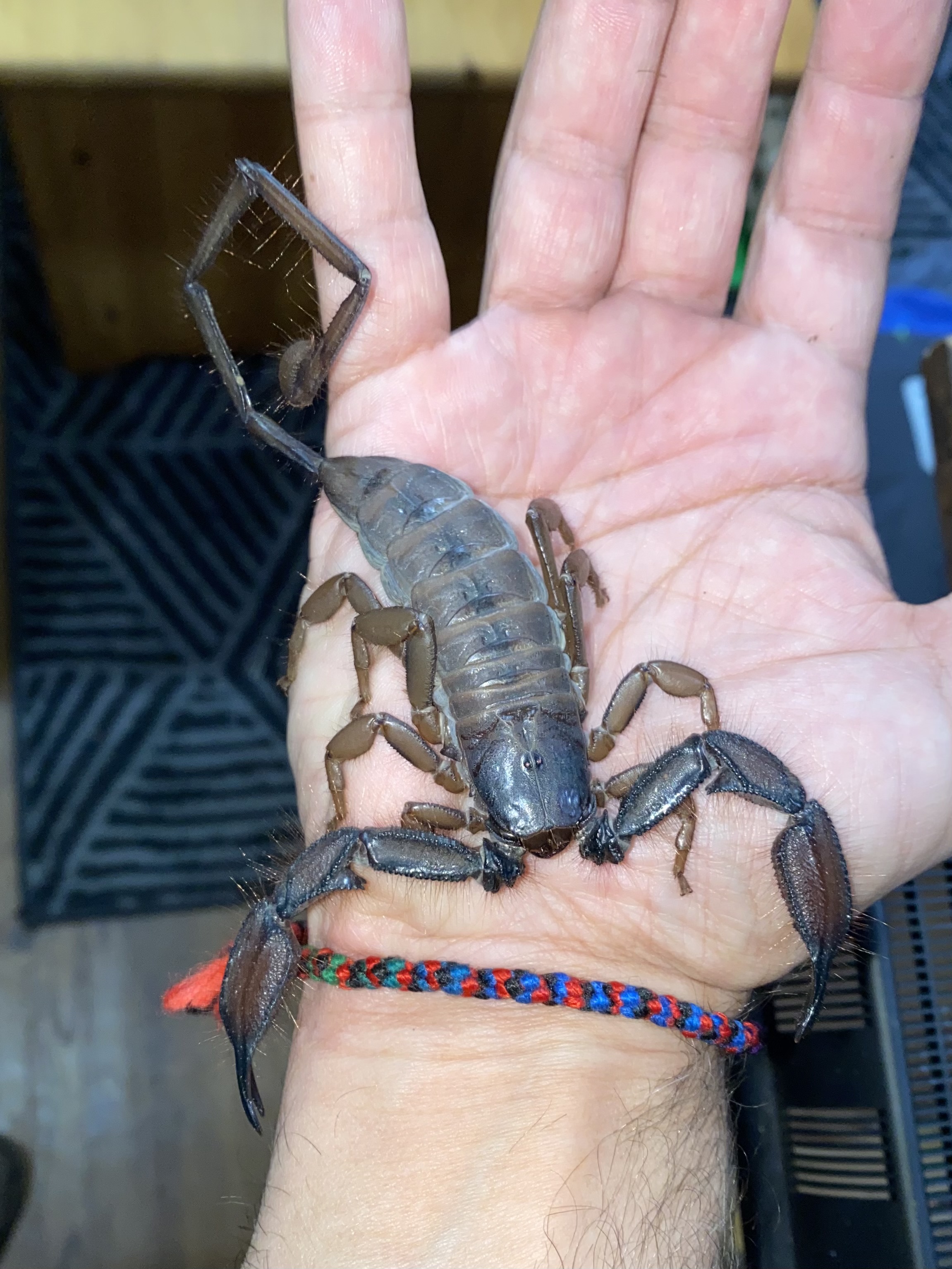
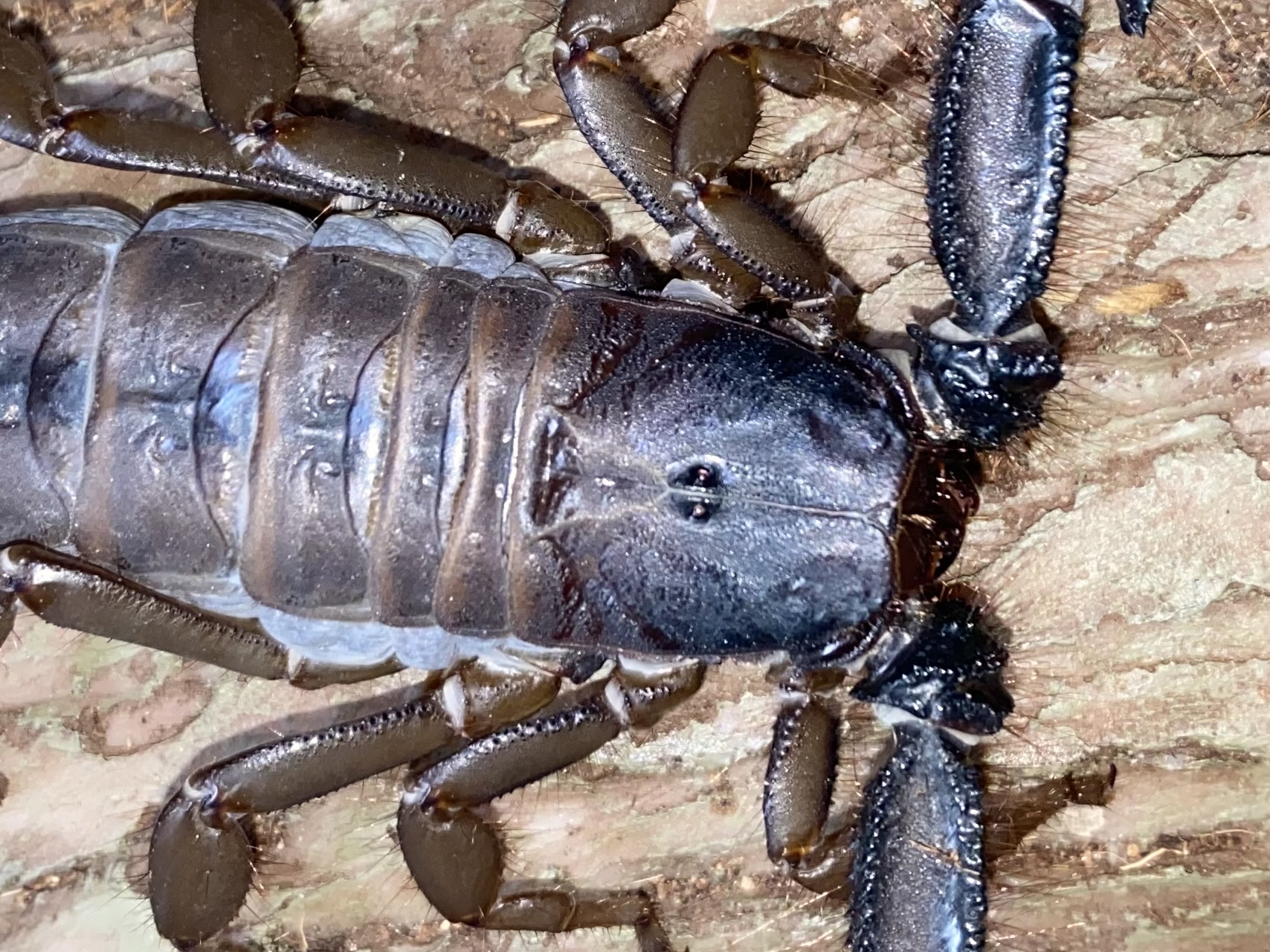
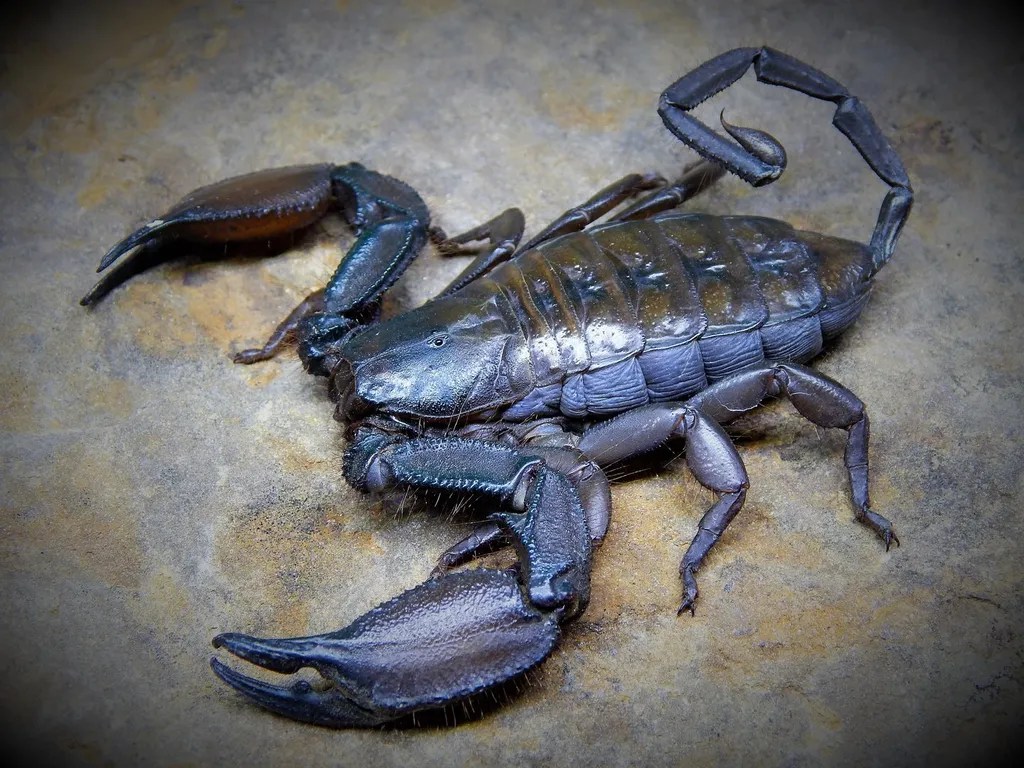
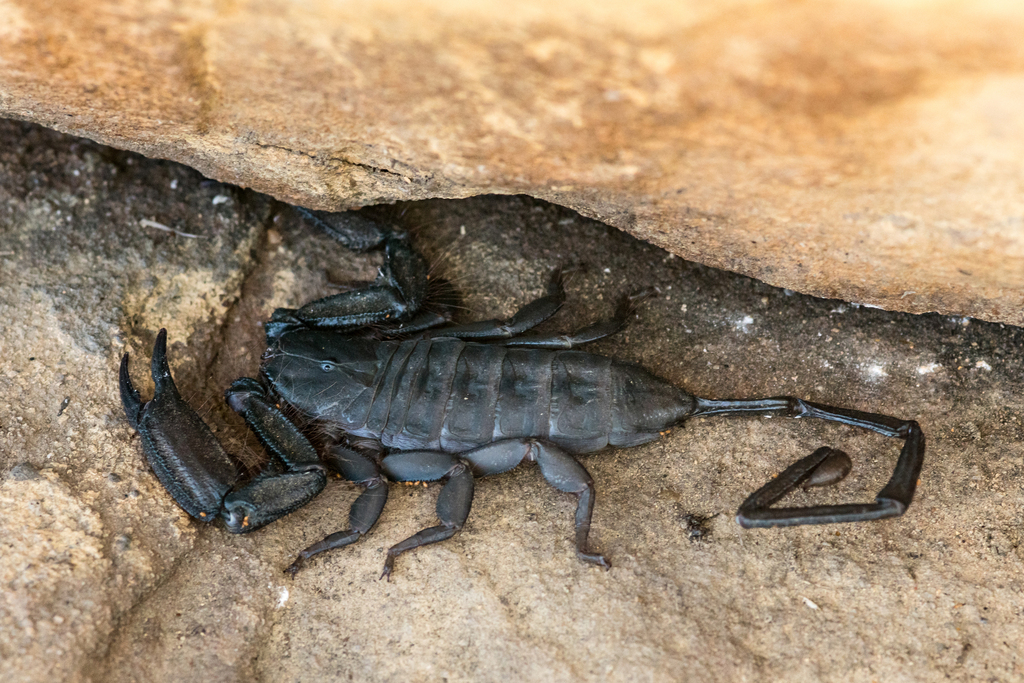
The most striking feature of H. troglodytes is its extreme dorso-ventral compression. It looks as though it has been flattened by a heavy weight, an evolutionary adaptation that allows it to squeeze into thin cracks in sandstone and granite.
- Size: They are impressively large, with adults often reaching lengths of 20 cm (8 inches).
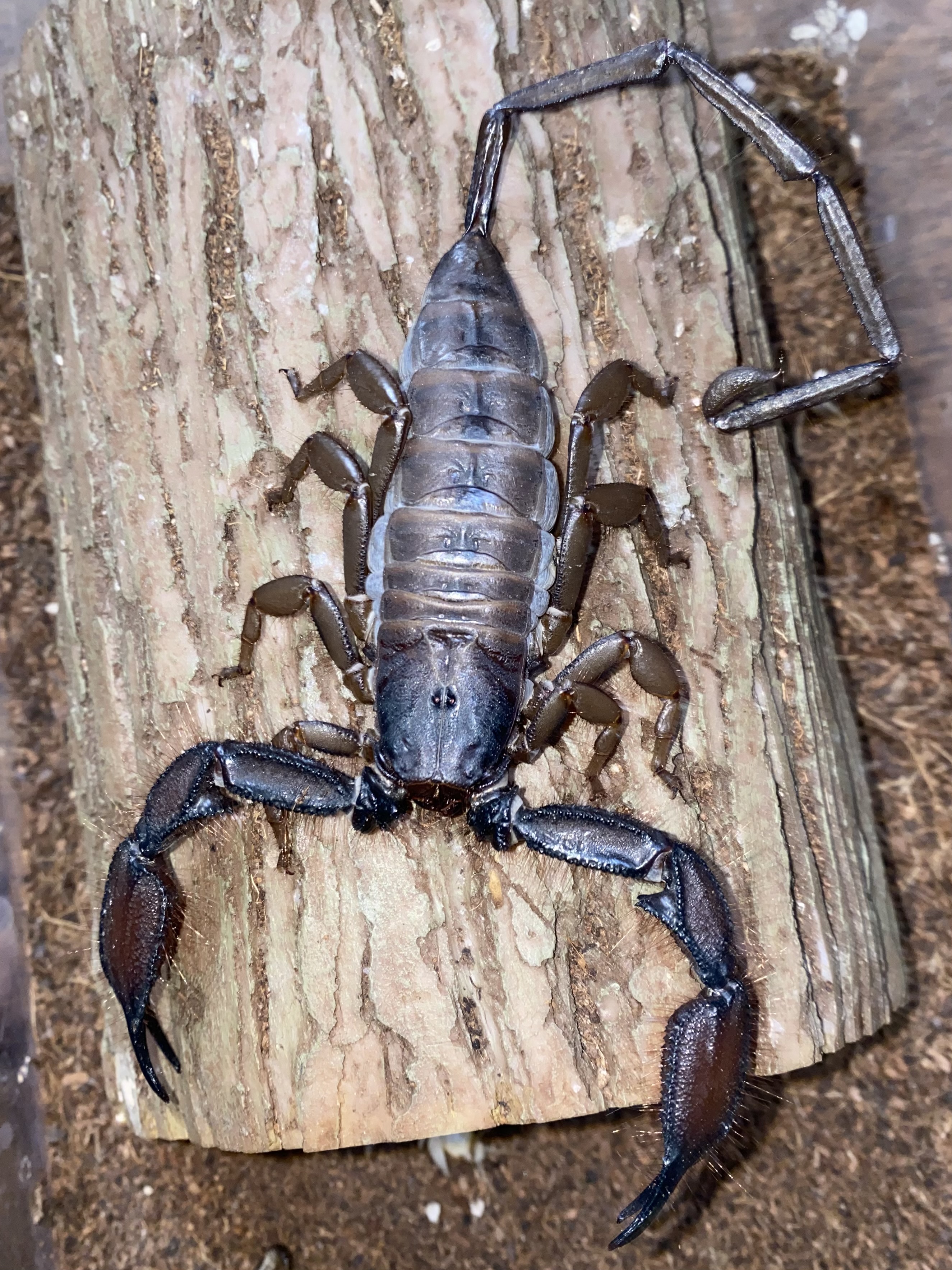
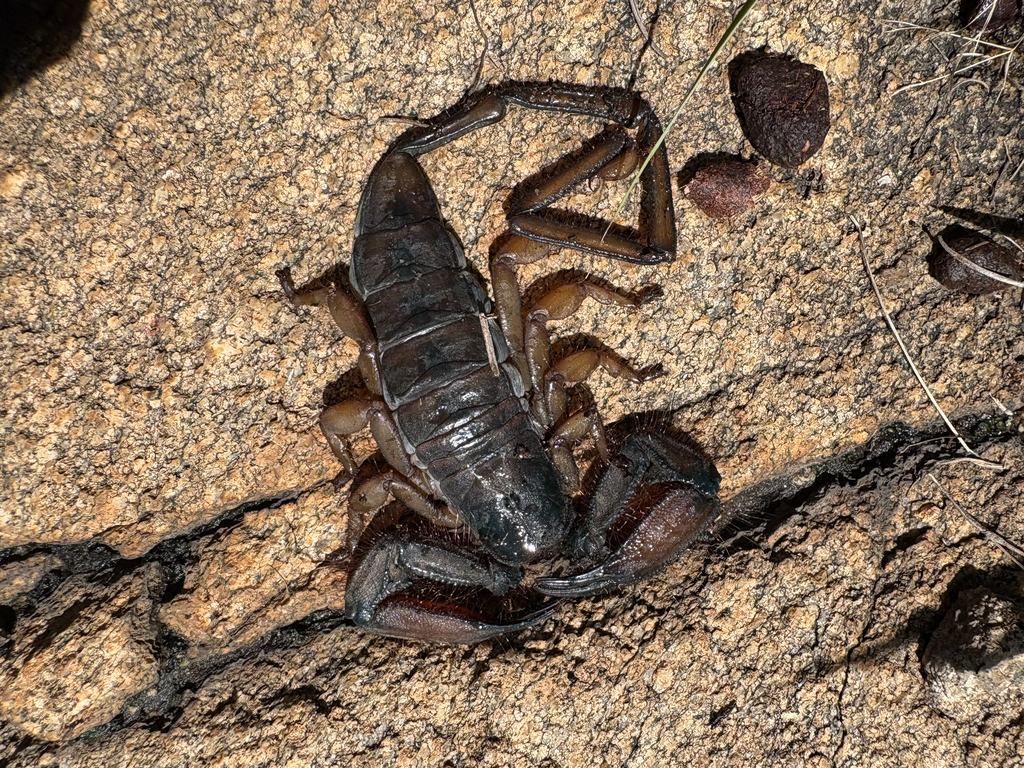
- Coloration: Typically a dark brown to blackish hue, allowing them to blend seamlessly with rocky shadows.
- The Tail (Metasoma): In males, the tail is exceptionally long and thin—often exceeding the length of the body—while females possess shorter, more robust tails.
- Pincers (Chelae): They sport large, powerful-looking pincers. Because their venom is weak, they rely almost entirely on physical strength to subdue prey.
2. Habitat and Ecology
These scorpions are strictly lithophilic (rock-loving). They do not burrow into soil; instead, they spend their entire lives within the “exfoliation flakes” of rock formations.
- Microhabitat: They prefer dry, arid environments where they can retreat into deep crevices during the heat of the day to maintain moisture.
- Longevity: H. troglodytes is one of the slowest-growing and longest-lived scorpions. They can take 8 to 10 years to reach sexual maturity and may live for 25 to 30 years in total.
3. Behavior and Temperament
Unlike the aggressive Parabuthus species found in the same regions, the Flat Rock Scorpion is notably docile.
- Defense Mechanism: When threatened, their first instinct is to wedge themselves deeper into a crack using their legs as anchors. If forced to fight, they use their heavy pincers rather than their stinger.
- Venom Potency: Their venom is medically insignificant to humans. A sting is often compared to a mild bee sting, resulting in localized pain and slight swelling, but no systemic toxicity.
4. Diet and Hunting
As nocturnal ambush predators, they wait near the edge of their crevices for an unsuspecting meal to pass by. Their diet primarily consists of:
- Insects (crickets, cockroaches, and beetles).
- Other small arachnids.
- Occasionally small lizards.
5. Summary Table: Hadogenes troglodytes at a Glance
| Feature | Description |
| Common Name | Flat Rock Scorpion |
| Origin | Southern Africa |
| Max Length | ~21 cm |
| Venom Level | Low (LD50 is very high) |
| Lifespan | 20–30 years |
| Temperament | Calm, shy, non-aggressive |
Conservation Note
While not currently listed as endangered, H. troglodytes faces threats from habitat destruction and over-collection for the exotic pet trade. Because they reproduce so slowly—with long gestation periods and small brood sizes—wild populations are particularly vulnerable to depletion.
Pro Tip: If you are looking to keep one as a pet, ensure it is captive-bred. Their slow growth makes them a “commitment pet,” much like a tortoise or a large parrot!
To read other entries in my Scorpions series, click HERE!
Discover more from
Subscribe to get the latest posts sent to your email.
 davethebugguy.org