
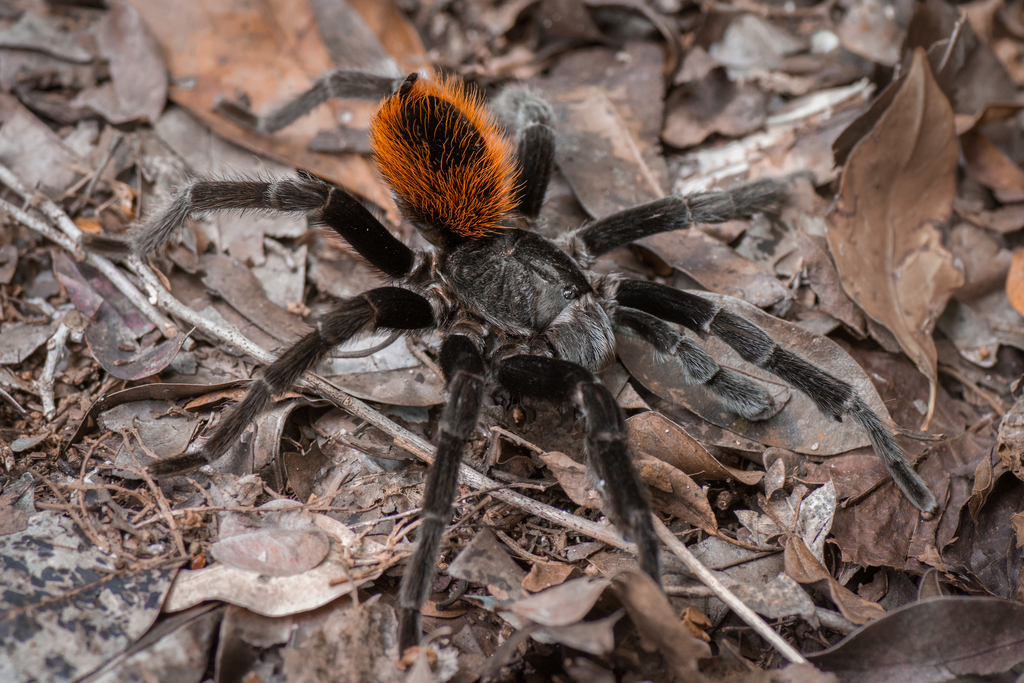
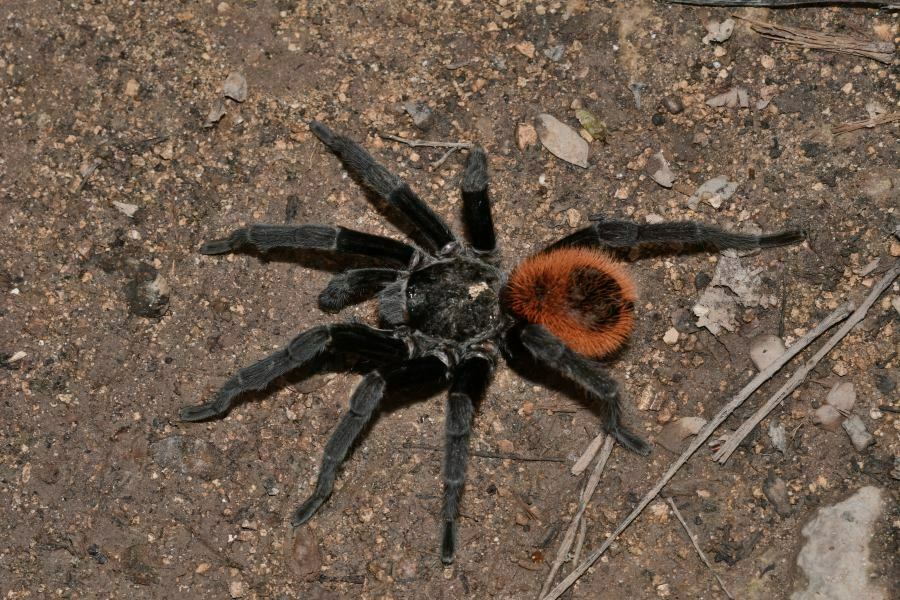
The Tliltocatl vagans (formerly Brachypelma vagans) is perhaps one of the most iconic “entry-level” tarantulas in the hobby. Known for its striking contrast of velvety black and fiery red, this species offers a perfect blend of hardiness, impressive size, and fascinating behavior.
Taxonomy and Natural History
Native primarily to Mexico, specifically the Yucatán Peninsula, this species has also established populations in Central America (Belize, Guatemala) and even a non-native colony in Florida.
In 2020, a significant taxonomic revision moved several species from the genus Brachypelma to the newly established genus Tliltocatl. The name is derived from the Nahuatl words for “black” (tlil) and “spider” (tocatl).
Physical Characteristics
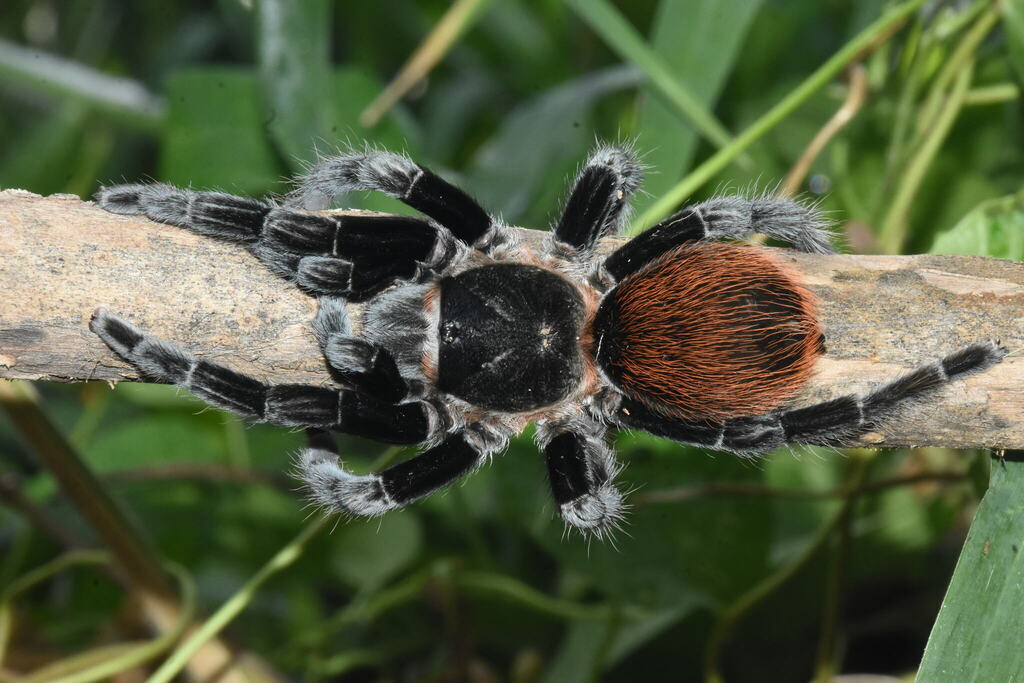
The Mexican Red Rump is a medium-to-large terrestrial tarantula. They are sexually dimorphic, with females being significantly bulkier than males.
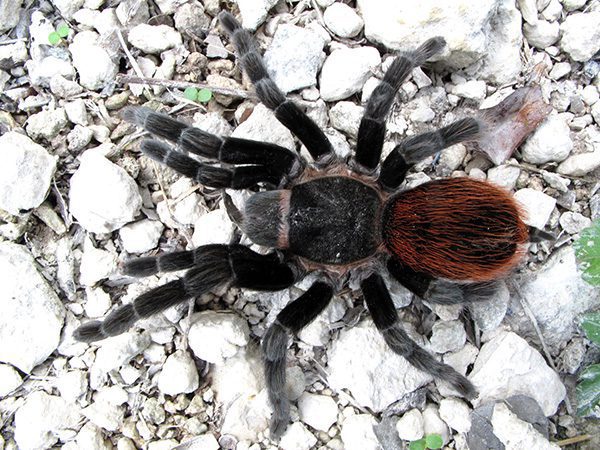
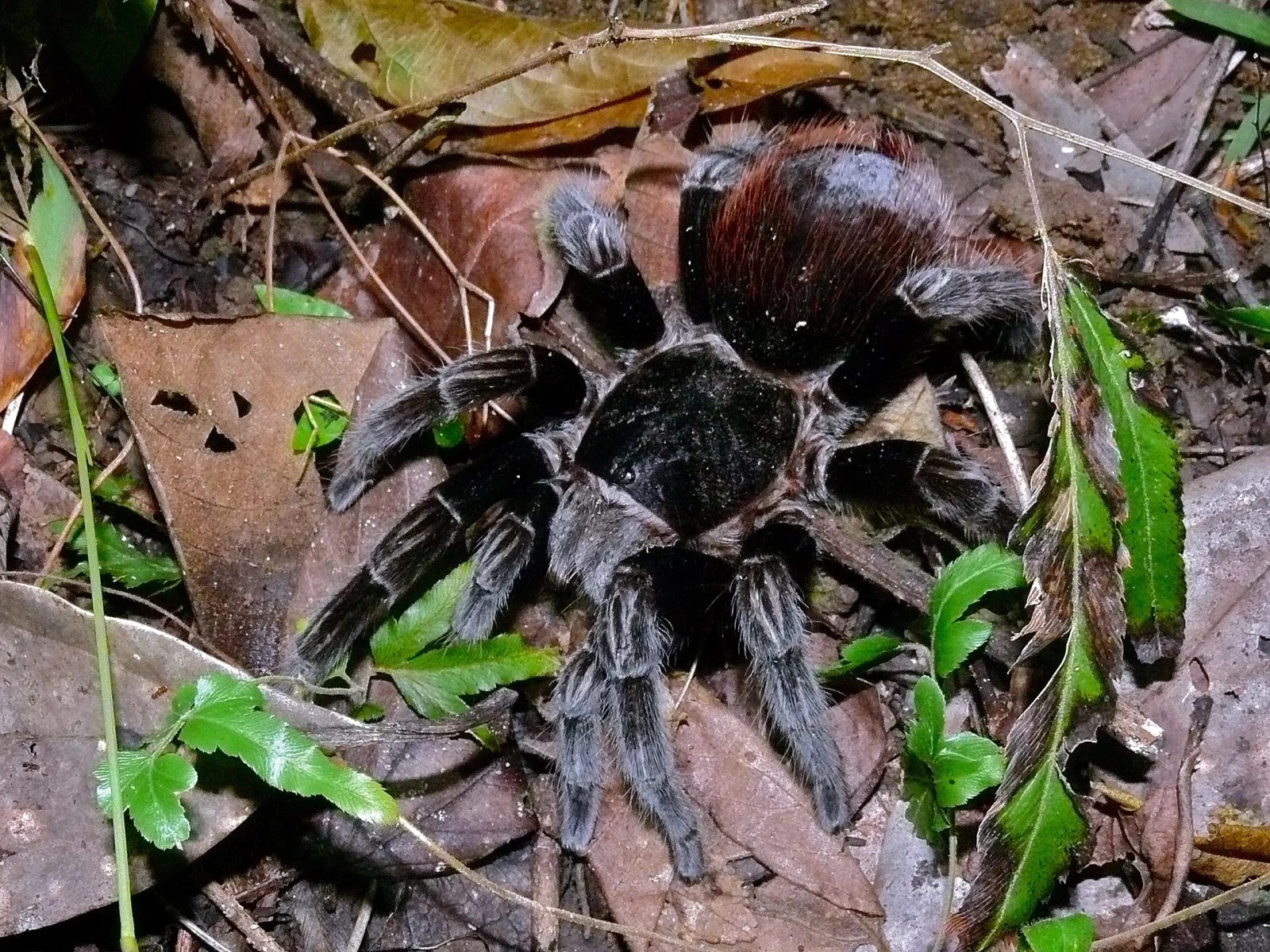
- Coloration: They possess a deep, jet-black cephalothorax and legs, contrasted by long, vibrant red or orange-red hairs (setae) on the abdomen.
- Size: Adults typically reach a diagonal leg span of 5 to 6 inches.
- Longevity: Females are long-lived, often reaching 15 to 20 years in captivity. Males, as is typical for tarantulas, have much shorter lifespans, usually living only 1 to 2 years after reaching maturity.
Temperament and Behavior
While generally considered a beginner species due to its ease of care, T. vagans is known for a “spirited” personality compared to its more docile cousins, such as the Mexican Red Knee (B. hamorii).
- Feeding Response: They have an incredibly enthusiastic feeding response. They rarely turn down a meal and will often bolt toward any vibration in the enclosure.
- Defensiveness: They are more prone to flicking urticating hairs (itchy bristles from the abdomen) if startled. While they rarely bite, they can be “skittish” or “defensive” rather than outright aggressive.
- Terrestrial Borrowing: In the wild, they are opportunistic burrowers. In captivity, they may spend time out in the open, but they appreciate the ability to dig deep tunnels.
Captive Care Requirements
Because they are highly adaptable, T. vagans is a forgiving species for those new to arachnoculture.
Enclosure Setup
As a terrestrial species, floor space is more important than height. A fall from a significant height can be fatal for a heavy-bodied tarantula.
- Substrate: A depth of at least 4–6 inches of coco fiber, peat moss, or topsoil mix to allow for burrowing.
- Hide: A cork bark round or half-log is essential for security.
- Humidity: They prefer a mostly dry environment with a corner of the substrate kept slightly damp. A water bowl should always be present.
Temperature and Lighting
They thrive at standard room temperatures (70°F to 80°F). Supplemental heating is rarely necessary unless the home drops below 65°F. Like most tarantulas, they are nocturnal and do not require specialized UVB lighting.
Diet and Nutrition
- Slings (Spiderlings): Flightless fruit flies or pinhead crickets.
- Juveniles/Adults: Crickets, dubia roaches, and mealworms.
- Frequency: Adults typically eat once every 1–2 weeks, while growing spiderlings may be fed twice a week.
Conservation Status
T. vagans is listed under CITES Appendix II. This means that while they are not necessarily threatened with extinction yet, their trade must be controlled to avoid utilization incompatible with their survival. When purchasing, it is always best to buy captive-bred individuals to protect wild populations from poaching.
To read my other tarantula blogs, just click HERE!
Discover more from
Subscribe to get the latest posts sent to your email.
 davethebugguy.org